You’ve booked it. The confirmation email is sitting in your inbox, the dates are circled on your calendar, and you’ve probably spent the last week watching YouTube videos of people padding down tatami-floored hallways in matching yukata robes. Welcome to the club. A Hakone ryokan stay is one of those travel experiences that people describe as “life-changing” — and honestly, that’s not an exaggeration. But if this is your first time staying in a traditional Japanese inn, the whole thing can feel equal parts exciting and utterly baffling. What do you wear to dinner? Do you tip? What on earth is a kaiseki meal? Take a breath. This guide is written specifically for you: the first-time ryokan visitor who wants to arrive prepared, soak in every moment, and avoid accidentally committing a social faux pas in front of a serene room full of Japanese guests.
The first time I checked into a Hakone ryokan, I was quietly terrified I’d do something wrong — bow at the wrong angle, step on a tatami mat with slippers still on, somehow offend everyone before I’d even found my room. Then the staff sat me down, placed a cup of matcha and a delicate wagashi sweet in front of me, and smiled like they had all the time in the world. By the second sip, every ounce of anxiety had dissolved.
Why Hakone Is the Perfect Place for Your First Ryokan Experience
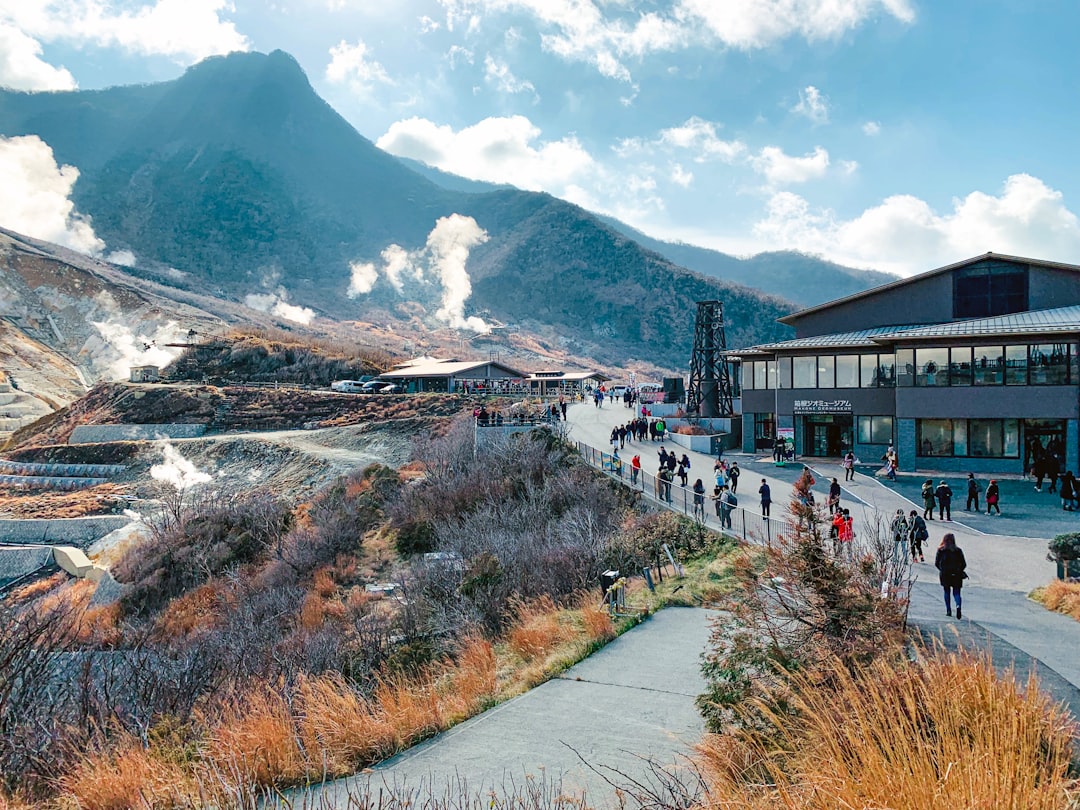
Hakone sits about 90 minutes southwest of Tokyo by the Romancecar express train from Shinjuku Station, and it is arguably the most accessible and beginner-friendly ryokan destination in all of Japan. Nestled inside Fuji-Hakone-Izu National Park, the region is famous for its steaming onsen (hot spring) waters fed by volcanic activity, its misty mountain scenery, and — on a clear day — jaw-dropping views of Mount Fuji rising above Lake Ashi. If you’re interested in exploring the broader Mount Fuji region, our Mount Fuji and Hakone by train guide offers additional context on combining these destinations into a larger day trip from Tokyo.
For first-timers, Hakone offers the ideal balance: it’s close enough to Tokyo that you won’t burn a travel day getting there, the town has plenty of English-language signage, and the ryokan here range from budget-friendly to ultra-luxury, meaning there’s a genuine option for nearly every wallet size. Most importantly, the staff at Hakone’s inns are deeply accustomed to international guests and are patient, gracious guides through every unfamiliar ritual.
Choosing the Right Ryokan for a First-Time Stay
Budget vs. Mid-Range vs. Luxury
Ryokan prices in Hakone are quoted per person and almost always include dinner and breakfast — this is called a “two-meal plan” (二食付き, nishoku-tsuki). Budget ryokan start around ¥15,000–¥20,000 per person per night, mid-range options fall between ¥25,000–¥50,000, and luxury properties can exceed ¥80,000 per person. For a first-time visitor, mid-range is the sweet spot: you’ll get the full kaiseki dinner experience, a private or semi-private onsen, and attentive service without maxing out your travel budget.
Private Onsen vs. Shared Baths
This is the question every first-timer wrestles with. Traditional ryokan feature large communal gender-separated baths (男湯 and 女湯), and bathing in these shared spaces is a core part of the cultural experience. However, many modern Hakone ryokan now offer rooms with a private in-room or in-terrace onsen bath (部屋付き温泉). If the idea of communal bathing feels intimidating on your first visit, booking a room with a private rotenburo (outdoor bath) is a perfectly wonderful compromise — and one you’re unlikely to regret when you’re soaking under the stars. For more context on ryokan and onsen culture in the broader Tokyo region, our comprehensive guide to ryokan stays and onsen near Tokyo may be helpful.
What Happens When You Arrive: The Check-In Ritual
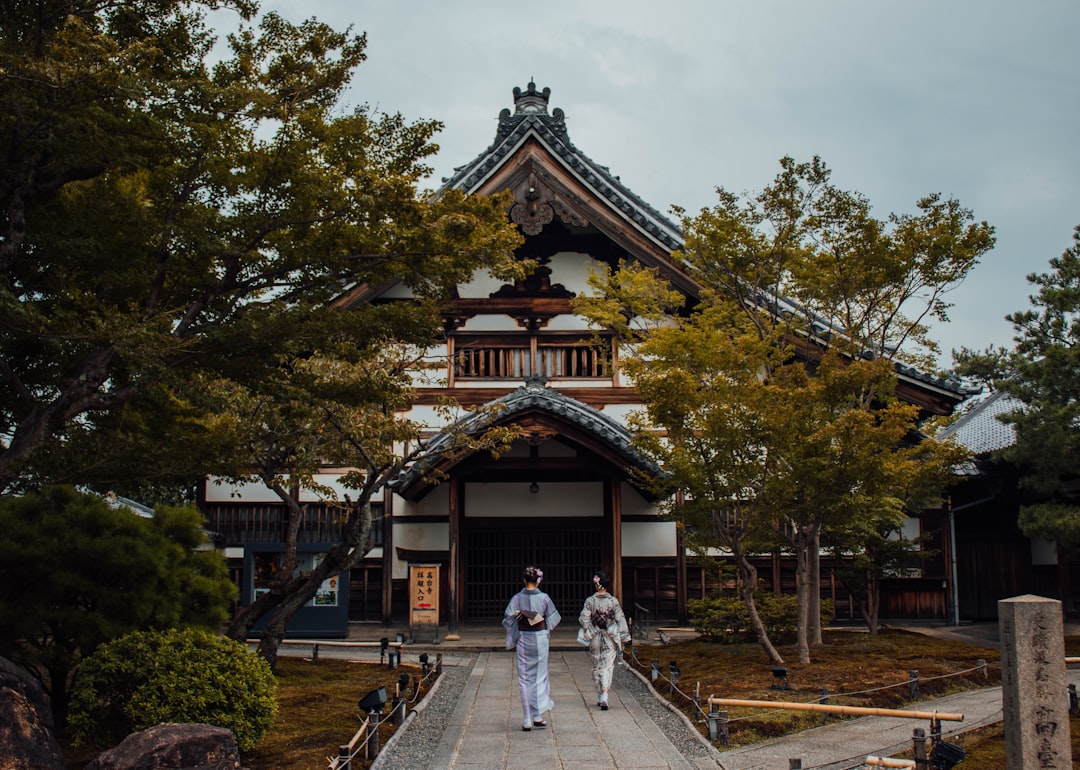
When you step through the noren (fabric doorway curtain) and into the entrance hall, you’ll be greeted with a warm “Irasshaimase!” Remove your shoes immediately at the genkan (entryway) and step up into slippers provided by the inn — this transition from street to sacred interior space is meaningful, and you’ll repeat versions of it throughout your stay.
You’ll typically be escorted to your room and served a small welcome tea and seasonal wagashi (traditional Japanese sweet). This is your cue to settle in and not rush. The staff member will walk you through the room layout, explain meal times, onsen hours, and yukata-wearing — pay attention here, because this briefing covers most of what you need to know.
Wearing Your Yukata Correctly
Your room will contain a yukata (light cotton robe) and a thicker haori jacket for cooler evenings. The single most important rule: left side over right. Right over left is how the deceased are dressed in Japan, so this matters. A sash (obi) ties around your waist in a simple knot at the front. You’ll wear the yukata to dinner, to the baths, and wandering the inn’s corridors. Outdoor wooden sandals (geta) are usually provided near the entrance if you want to step outside in your yukata — which, for the record, is absolutely encouraged.
The Kaiseki Dinner: A Ritual in Itself
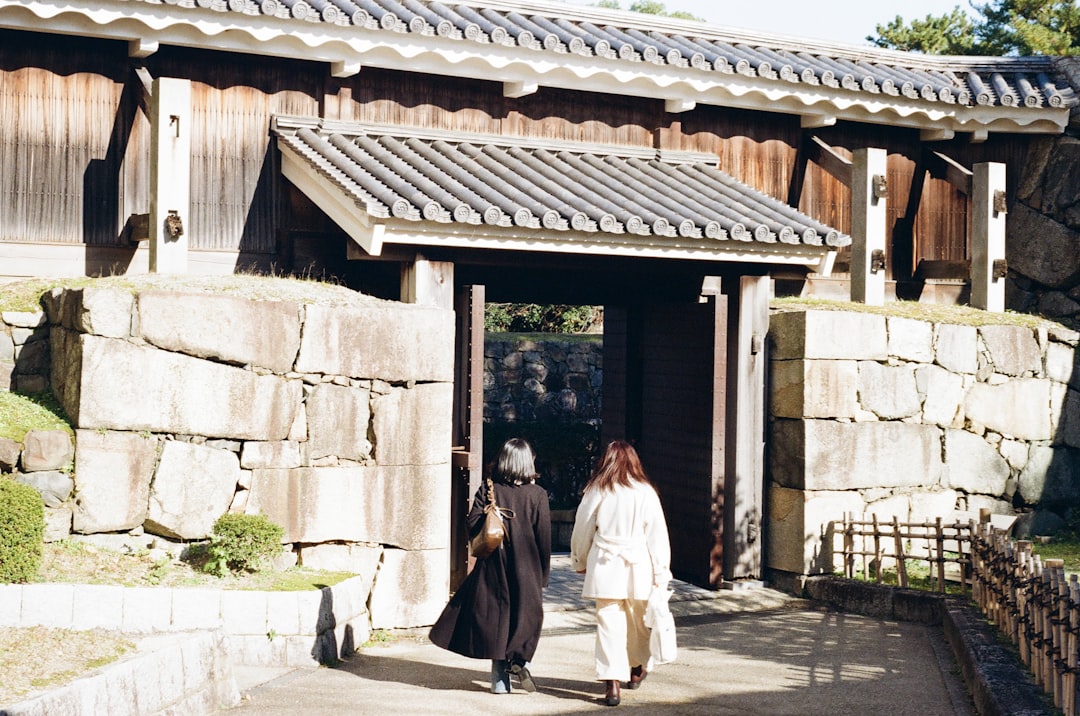
Kaiseki (懐石) is a multi-course traditional Japanese dinner, and for most first-timers, it is the single most memorable part of the entire stay. Expect anywhere from 8 to 12 courses served in your room or a private dining area, each representing the season’s finest ingredients prepared with painstaking care. A typical progression might include:
- Sakizuke — an amuse-bouche to open
- Hassun — a seasonal platter establishing the meal’s theme
- Yakimono — grilled dishes, often local river fish or wagyu beef
- Mushimono — a steamed dish, sometimes chawanmushi (savory egg custard)
- Gohan — rice, miso soup, and pickles to close the savory courses
- Mizugashi — seasonal fruit or dessert
Eat slowly. Ask questions if you’re curious about an ingredient. This is not a meal to rush through — it’s a performance, and you are the honored guest. If you’d like to deepen your appreciation for Japanese cuisine beyond your ryokan stay, our Tokyo food tour guide explores everything from Michelin-starred ramen to izakaya experiences.
My biggest piece of advice: resist the urge to eat quickly. Each course arrives with its own rhythm, and the pauses between them are part of the experience — use them to sip your tea, study the plating, and let the flavors settle before the next wave arrives.
The Onsen Experience: How to Bathe the Right Way
🗾 Book on Viator: Tattoo-Friendly Open-Air Onsen Experienc →
🗾 Book on Viator: 2-Day Hakone Ryokan Stay & Guided Tour →
🗾 Book on Viator: Experience Head Spa Ritual →
This is where many first-timers feel the most anxiety, and it’s also where the most important etiquette lives. Follow these steps and you’ll be absolutely fine:
- Shower before you enter the bath. Every onsen has individual shower stations along the wall. Sit on the small stool, rinse thoroughly, and wash your hair and body completely before stepping into the communal bath. This is non-negotiable.
- No swimsuits. Traditional onsen bathing is done without clothing. Small modesty towels are fine to carry to and from the bath, but they should not go into the water.
- No towels in the water. Fold your small towel and place it on your head or on the bath’s edge.
- Don’t drain or splash. Enter slowly and sit quietly. The communal bath is a place of deep relaxation and near-silence.
- Tattoos: Many ryokan still maintain a policy of no visible tattoos in communal baths. If you have tattoos, check the inn’s policy before booking or ask about private bath options.
Hakone’s onsen waters are sodium bicarbonate-rich and slightly alkaline — guests often say their skin feels remarkably silky after just one soak. Plan to visit the baths at least twice: once the evening you arrive and once in the early morning before breakfast, when the steam and quiet are particularly magical.
Exploring Hakone Beyond the Ryokan
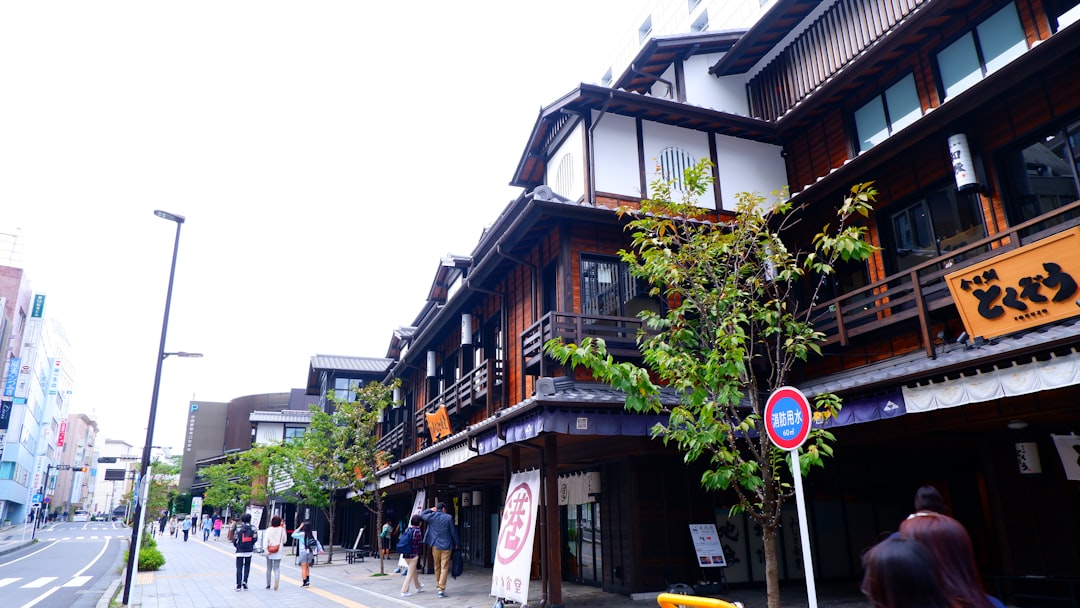
Most ryokan in Hakone are ideally positioned for day explorations, and the Hakone Free Pass (available from Odakyu at Shinjuku Station) gives you unlimited rides on the patchwork of local trains, cable cars, ropeways, and ferries that connect the region’s main attractions.
Must-Visit Spots for First-Timers
- Owakudani Volcanic Valley: A steaming, sulfurous landscape where you can eat the famous black eggs (kuro-tamago) boiled in volcanic spring water. The views of Fuji from here on a clear day are extraordinary.
- Lake Ashi (Ashinoko): Take the scenic pirate ship ferry across the lake and watch Mount Fuji’s reflection shimmer on the water’s surface.
- Hakone Open-Air Museum (彫刻の森美術館): A stunning outdoor sculpture park with works by Picasso and Henry Moore — surprisingly wonderful even in light rain.
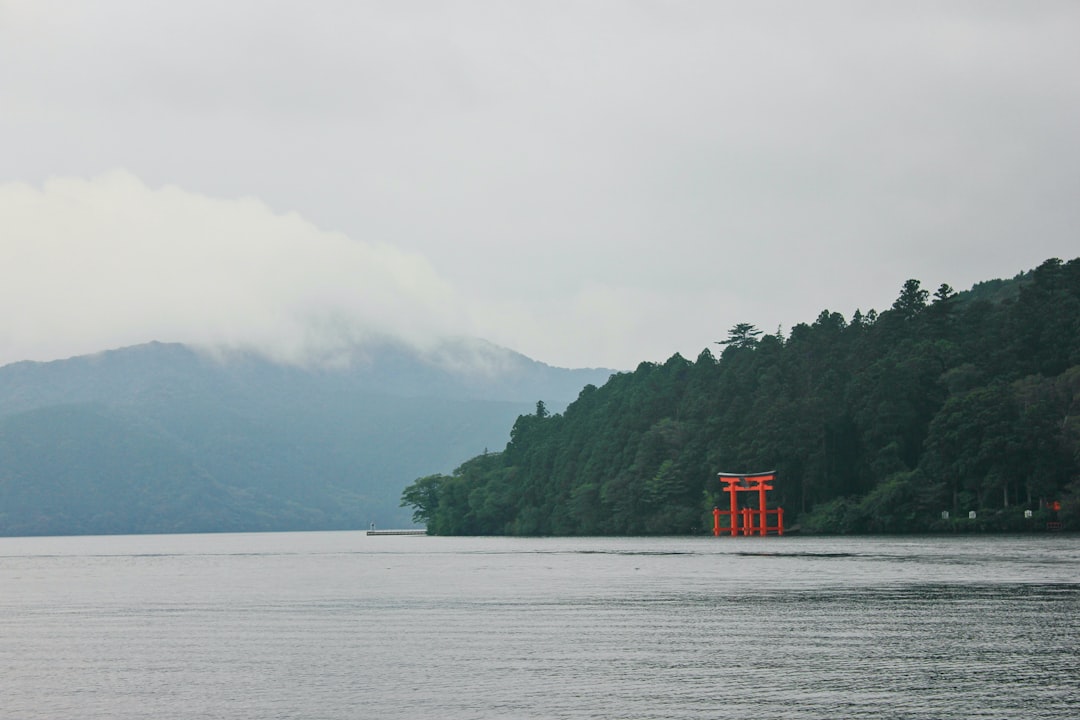
- Hakone Shrine: A peaceful lakeside shrine with a famous torii gate appearing to rise from the water — arrive early to beat the crowds.
Practical Tips Every First-Time Ryokan Visitor Needs to Know
- No tipping. Tipping is not practiced in Japan and can cause awkwardness. Exceptional hospitality is simply what ryokan staff do — it’s called omotenashi, and it needs no monetary supplement.
- Meal times are fixed. Dinner and breakfast are served at specific times (often 6–7pm for dinner, 7:30–8:30am for breakfast). Don’t be late.
- Futons are prepared while you dine. Your tatami room will be transformed while you’re at dinner — the low table moved aside, your futon laid out on the floor. This is normal and delightful.
- Check-out is early. Most ryokan request check-out by 10 or 11am. Protect your morning bath time by setting an alarm.
- Pack light toiletries. Quality ryokan provide shampoo, conditioner, body wash, a razor, toothbrush, and yukata. You genuinely need very little.
The moment I keep coming back to is my first morning bath — slipping into the outdoor onsen just after dawn, when a thin layer of mist still hung over the valley and the only sound was water trickling over stone. I sat there for what felt like an hour, watching the mountains slowly reveal themselves as the fog lifted, and understood for the first time why people call this place life-changing.
When to Visit Hakone for Your First Ryokan Stay
Hakone is stunning year-round, but each season offers a different emotional register. Spring (late March–April) brings cherry blossoms and gentle warmth — romantic and enormously popular, so book at least three months ahead. Autumn (October–November) delivers fiery momiji (maple) foliage that turns the mountains into a living painting and is many travelers’ favorite season. Winter is quieter, prices dip slightly, and soaking in a steaming outdoor onsen while cold air nips at your face is a sensation you will describe to people for years. Summer is humid but lush and green — just be prepared for crowds on weekends.
Morning weekdays in shoulder seasons offer the quietest, most atmospheric experience for first-time visitors who want to absorb the ryokan culture without feeling rushed.
Final Thoughts: Give Yourself Permission to Slow Down
A Hakone ryokan stay is fundamentally an invitation to decelerate. There is no agenda item beyond eating beautifully, bathing thoughtfully, and existing in a space that has been designed entirely around your comfort and peace. First-time visitors often say they spent the first few hours feeling slightly uncertain — and then something shifts. The yukata starts to feel natural. The silence of the tatami room becomes a gift. The second onsen soak feels like coming home.
You will leave Hakone different than you arrived. That’s not a travel cliché — it’s simply what happens when a place takes genuine, unhurried care of you. Go. Soak. Eat slowly. And don’t tip.