Escape to Serenity: The Ultimate Guide to Ryokan Stays and Onsen Near Tokyo
Imagine slipping into a silk kimono as the scent of hinoki cedar drifts through your paper-screen windows, the distant sound of a bamboo fountain marking the passage of time in a world where rushing is simply not permitted. Just a short journey from Tokyo’s electric chaos lies an entirely different Japan — one of tatami-matted rooms, meditative soaking pools, and multi-course kaiseki dinners served by attentive hosts who have mastered the art of omotenashi, or selfless hospitality. A ryokan experience near Tokyo is not merely a place to sleep; it is an immersive portal into the soul of Japanese culture, and it may very well become the most memorable part of your entire Japan journey.
What Is a Ryokan? Understanding Japan’s Traditional Inn Culture
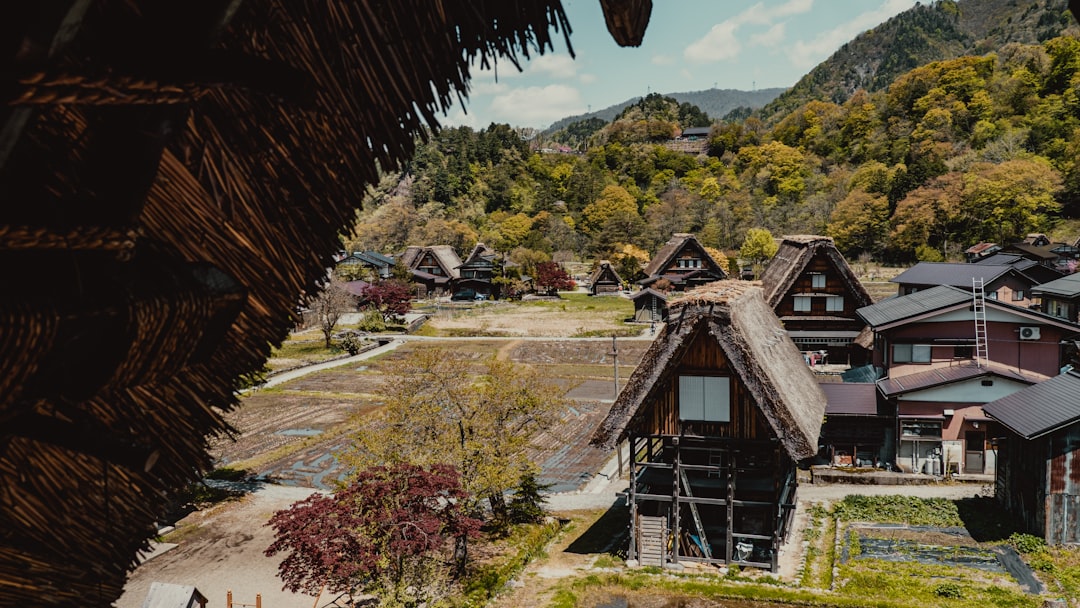
A ryokan (旅館) is a traditional Japanese inn that dates back to the 8th century, originally serving traveling merchants and pilgrims along ancient highways. Unlike Western hotels, ryokan are designed around the philosophy of ma — the art of meaningful space and pause. Guests sleep on futon beds laid directly on tatami floors, wear yukata (casual cotton kimono) throughout their stay, and dine on elaborate multi-course meals that celebrate seasonal ingredients.
The experience is deeply ritualistic. Upon arrival, you are greeted with warm green tea and a sweet confection. Your shoes come off at the entrance — here, you exist in a different realm. Many ryokan also feature onsen (hot spring baths), fed by geothermal waters rich in minerals believed to heal everything from muscle fatigue to skin conditions. This combination of mindful architecture, attentive service, and therapeutic bathing creates something that transcends ordinary travel: it becomes a genuine cultural awakening.
Top Ryokan Destinations Near Tokyo
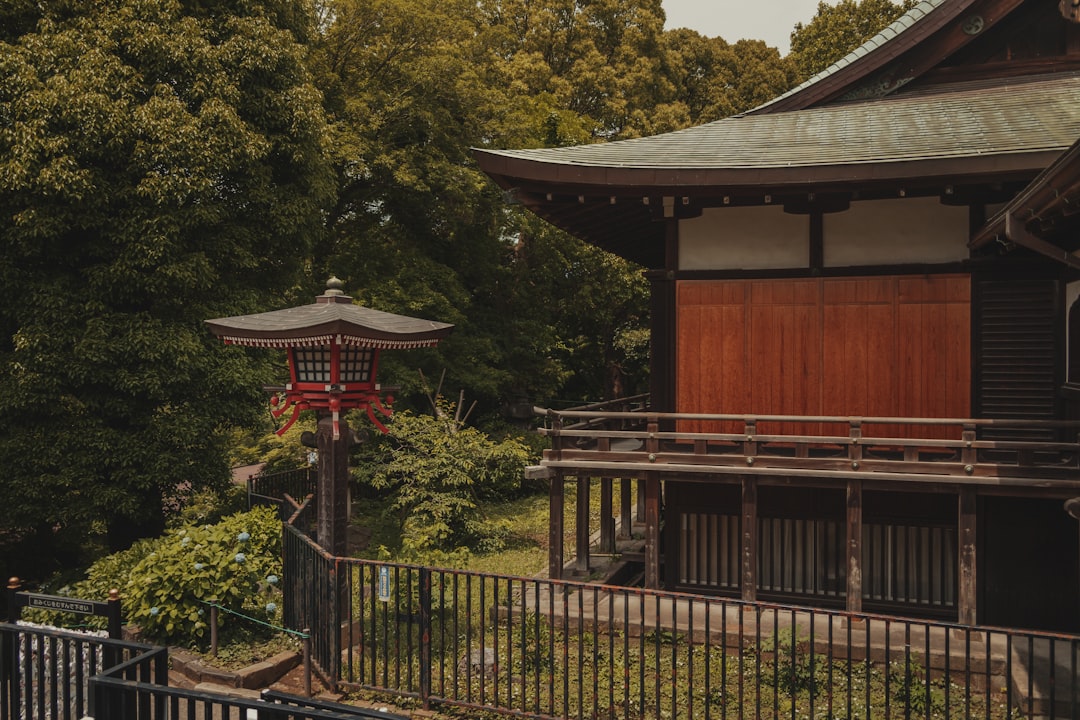
Hakone: The Crown Jewel of Onsen Escapes
Hakone, located roughly 90 minutes from Shinjuku Station via the Romancecar limited express, is arguably Japan’s most famous onsen destination for Tokyo travelers. Nestled in the Fuji-Hakone-Izu National Park, this mountainous region offers dramatic views of Mount Fuji reflected in Lake Ashi, dense cedar forests, and dozens of world-class ryokan. For a comprehensive guide to the region, explore our Tokyo Day Trip: Mount Fuji & Hakone by Train — The Ultimate Guide.
The town of Miyanoshita and the hillside resort area of Gora are particularly beloved for their concentration of high-end ryokan. Properties like Hyatt Regency Hakone and the legendary Fujiya Hotel blend Western comfort with traditional aesthetics, while smaller establishments like Gora Kadan — a former imperial villa — offer an authentically intimate ryokan experience with private open-air baths overlooking sculpted gardens.
Beyond soaking, Hakone invites you to ride the famous switchback mountain railway, explore the Hakone Open-Air Museum’s remarkable sculpture park, and cruise Lake Ashi aboard a replica pirate galleon with Fuji as your backdrop. The Owakudani volcanic valley, where eggs are famously blackened by sulfuric steam, is not to be missed.
Nikko: Hot Springs Wrapped in Sacred History
Located about two hours north of Tokyo in Tochigi Prefecture, Nikko combines UNESCO-listed Shinto shrines and Buddhist temples with a thriving onsen culture in the surrounding mountains. The Kinugawa Onsen and Nikko Yumoto Onsen areas serve as the region’s hot spring heartlands, where ryokan line the banks of rushing rivers.
After exploring the gilded extravagance of Toshogu Shrine — built to enshrine the great shogun Tokugawa Ieyasu — retreating to a riverside ryokan for a long evening soak feels like the perfect cultural counterbalance. The contrast between Nikko’s ornate grandeur and the simple, wood-scented quietude of a traditional inn is utterly intoxicating.
Izu Peninsula: Coastal Onsen with Ocean Views
For travelers seeking onsen with a side of ocean drama, the Izu Peninsula — about two hours south of Tokyo by Shinkansen and local train — delivers spectacular results. Towns like Atami, Ito, and Shuzenji are dotted with ryokan where you can soak in hot spring baths while gazing across the Pacific. Shuzenji, centered around Japan’s oldest onsen (said to be founded by the Buddhist monk Kobo Daishi in the 9th century), feels like a living watercolor painting, with willow trees trailing over a mountain river and stone lanterns glowing at dusk.
Ryokan Food Culture: The Art of Kaiseki Dining
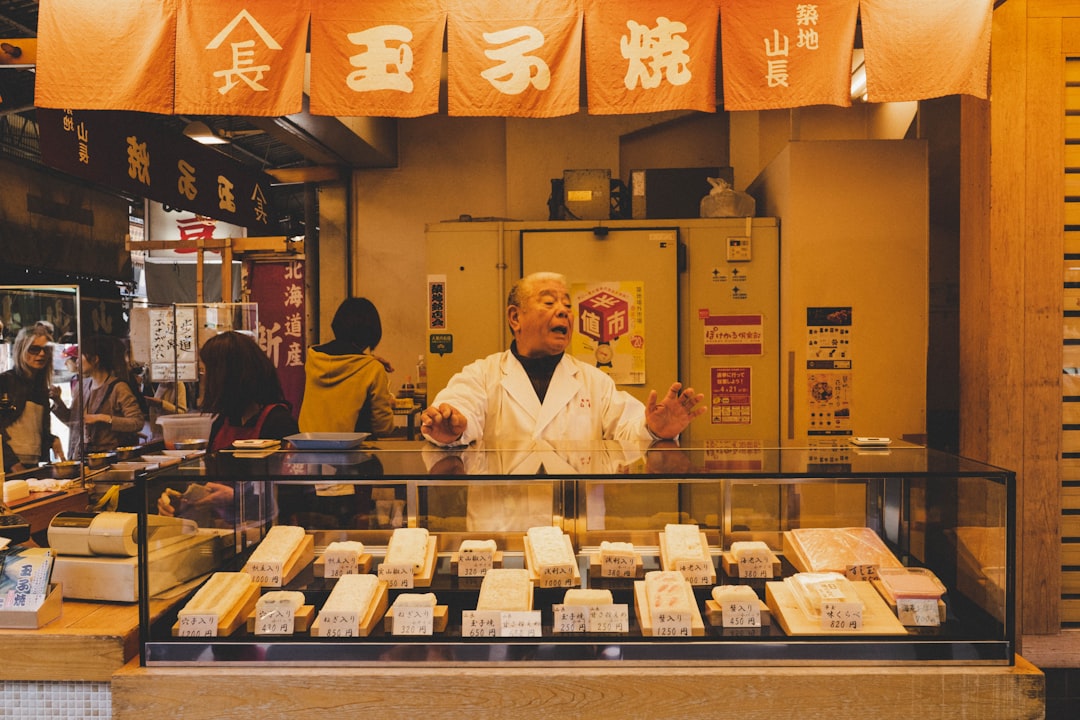
No ryokan experience is complete without engaging fully with kaiseki cuisine — the formal, multi-course Japanese meal that represents one of the world’s great culinary traditions. Typically included in your room rate, dinner at a ryokan might consist of 8 to 14 courses, each dish a miniature sculpture celebrating the season’s finest ingredients. If you’re interested in learning more about Japanese culinary traditions, consider taking a Tokyo Cooking Class: Learn to Make Sushi and Traditional Japanese Dishes Like a Local.
Expect exquisite presentations of sashimi sourced from nearby waters, tofu simmered in dashi broth, grilled fish with salt-charred skin, mountain vegetables dressed in sesame, and cuts of premium wagyu beef that dissolve on the tongue. In Hakone, look for dishes featuring local mountain vegetables and freshwater fish from area streams. Near the Izu coast, fresh seafood — particularly ise-ebi (spiny lobster) and abalone — takes center stage.
Breakfast is equally ceremonious: grilled salmon, pickled vegetables, miso soup, steamed rice, and a perfectly soft-boiled egg compose a morning meal that is both nourishing and meditative. Meals are typically served in your room by a personal attendant (nakai-san) dressed in kimono, adding another layer of gracious intimacy to the experience.
For drinks, many ryokan offer local sake from nearby breweries, cold Hakone craft beer, or warming cups of hojicha (roasted green tea) — all chosen to complement the kaiseki menu harmoniously.
Onsen Etiquette: What You Need to Know Before You Soak
🗾 Book: Book Head Spa Onsen Ritual →
🗾 Book: Explore Tattoo-Friendly Onsen →
🗾 Book: Learn Onsen Etiquette Guide →
🎫 Ryokan stays with private onsen baths →
For first-time visitors, the onsen experience can feel slightly intimidating, but mastering a few simple rules will allow you to relax fully into this centuries-old ritual.
- Wash before you enter. Every onsen facility has individual shower stations (kake-yu) where you must cleanse your body thoroughly before entering the communal bath. This is non-negotiable etiquette.
- No swimwear. Traditional onsen require you to enter the water completely unclothed. Towels are kept outside the bath.
- Tattoo policies vary. Many traditional onsen prohibit guests with visible tattoos. If this applies to you, ask your ryokan about private bath availability — most high-end properties offer kashikiri onsen (reserved private baths) at an additional charge or as part of your room package.
- Mind the temperature. Onsen waters can reach 40–44°C (104–111°F). Enter slowly, limit soaking sessions to 10–15 minutes, and stay hydrated with water provided at the bath entrance.
- Silence is golden. Onsen are spaces of meditative calm. Keep conversation quiet and phones firmly put away.
Best Time to Visit Ryokan Near Tokyo
Every season delivers a distinct and compelling reason to book a ryokan near Tokyo.
Spring (March–May) brings cherry blossom season, transforming ryokan gardens into pink-petaled dreamscapes. Soaking in an outdoor rotenburo (open-air bath) beneath falling cherry blossoms is a transcendent experience that draws visitors from around the world.
Autumn (October–November) rivals spring for sheer beauty, as maple and ginkgo trees ignite the mountains in crimson and gold. Hakone and Nikko are particularly spectacular during koyo (fall foliage) season.
Winter (December–February) offers the quintessential onsen fantasy: soaking in steaming mineral waters while snow drifts silently through the air. Demand is high on winter weekends, so book well in advance.
Summer (June–August) is lush and verdant, though humidity can be intense. Early June, before the tsuyu rainy season peaks, offers a quietly beautiful window with fewer crowds.
Practical Tips for Booking Your Ryokan Experience
🎫 Traditional Japanese inn overnight experiences →
🎫 Hot spring resort packages near Tokyo →
- Book directly or through trusted platforms like Jalan, Rakuten Travel, or Relais & Châteaux for verified properties with English support.
- Communicate dietary needs in advance. Kaiseki chefs are remarkably accommodating of vegetarian, vegan, and allergy-related requests when given adequate notice.
- Pack light. Most ryokan provide yukata, toiletries, and towels, so your luggage need not be extensive.
- Budget realistically. Quality ryokan with two meals (dinner and breakfast) typically range from ¥15,000 to ¥80,000+ per person per night. Mid-range options around ¥20,000–35,000 per person deliver exceptional value.
- Arrive by late afternoon. Check-in typically opens between 3–4 PM, and your kaiseki dinner is usually served at a set time between 6–7 PM. Arriving late means rushing through the very rituals you came to savor.
An Invitation to Slow Down
In a world permanently accelerated by screens and schedules, the ryokan experience near Tokyo offers something increasingly rare and desperately needed: permission to be still. To soak in waters heated by the earth itself. To eat slowly, deliberately, beautifully. To sleep close to the ground, wrapped in the scent of fresh tatami, while the mountains hold their ancient silence around you.
Whether you choose the mountain drama of Hakone, the sacred forests of Nikko, or the coastal romance of the Izu Peninsula, a traditional Japanese inn stay promises to reshape the way you experience travel — and perhaps the way you experience yourself.
Don’t wait for the perfect moment to escape Tokyo’s brilliant noise. Book your ryokan, pack your smallest bag, and let Japan’s oldest hospitality tradition remind you what it means to truly rest. Your onsen awaits.