Shimokitazawa Vintage Shopping on a Budget: The Broke Fashionista’s Complete Guide
You didn’t fly all the way to Tokyo to walk out of Shimokitazawa empty-handed — but you also have exactly ¥3,000 left until your next ATM run and three more days in the city. Sound familiar? Welcome to the beautiful, slightly stressful reality of being a budget traveler with an undeniable eye for vintage fashion. The good news: Shimokitazawa — lovingly called “Shimokita” by locals — is arguably the best neighborhood in the entire world for stretching a small budget into a genuinely jaw-dropping thrift haul. Rack after rack of curated 90s denim, Showa-era knits, and perfectly broken-in leather jackets await you, and many of them cost less than a bowl of ramen.
[ADD: Share your personal first impression or arrival story here — 2-3 sentences]
Why Shimokitazawa Is a Budget Fashionista’s Dream
🗾 Explore Tokyo neighborhoods like Shimokitazawa →
🗾 Explore Tokyo neighborhoods like Shimokitazawa →
🗾 Customized tour discovering hidden Tokyo gems →
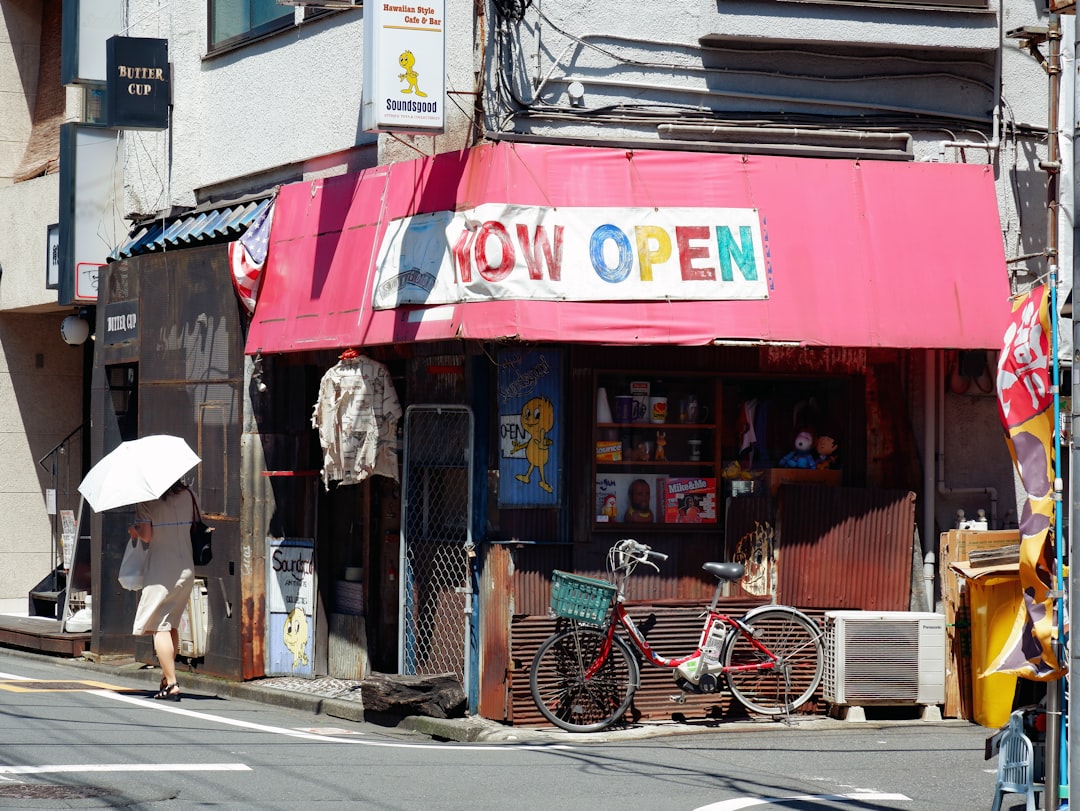
Shimokitazawa sits in the Setagaya ward of Tokyo, just two stops from Shibuya on the Keio Inokashira Line. Unlike the polished luxury of Omotesando or the fast-fashion chaos of Harajuku, Shimokita has a distinctly bohemian, lived-in energy. Street musicians busk outside tiny live houses, cat cafés are sandwiched between record stores, and the whole neighborhood smells faintly of old books and drip coffee. For budget travelers, the vibe alone is worth the ¥140 train fare.
But here’s what really matters: Shimokitazawa has over 30 vintage and second-hand clothing stores packed into a walkable radius. Competition between shops keeps prices honest, and many stores run rotating discount days that savvy shoppers can exploit. Unlike department store vintage in Shibuya, you’re not paying for atmosphere markup here — you’re paying (a little) for the clothes themselves.
Planning Your Visit: Timing Is Everything
Best Days to Go
For budget shoppers, weekday mornings are gold. Most Shimokita stores open between 11:00 AM and noon, and hitting them right at opening on a Tuesday or Wednesday means:
– First pick of newly stocked items (many stores restock overnight)
– No weekend crowds fighting you for the good bin-diving spots
– More time to actually talk to staff, who can tip you off on upcoming sales
Avoid Sunday afternoons if you can — the neighborhood fills up with stylish Tokyo locals who know exactly what they’re looking for and move fast.
Best Season for Deals
The absolute best time to visit for bargain hunters is late January through February (winter clearance) and late July through August (summer clearance). Japanese retail operates on strict seasonal cycles, and end-of-season markdowns in vintage stores can be dramatic — we’re talking 50–70% off already affordable prices. Even if the weather isn’t ideal, your wallet will thank you.
The Budget Shopper’s Store-by-Store Breakdown
🎫 Vintage Shopping Tours Tokyo Shimokitazawa →
🎫 Budget Fashion District Walking Experience →
🎫 Local Thrift Market Exploring Activities →
High-Value, Low-Price Picks
Chicago Shimokitazawa is non-negotiable for budget travelers. This is a large-format second-hand chain, but the Shimokita branch has excellent curation and a killer ¥500–¥1,000 bargain bin in the back that gets restocked regularly. Plan to spend 20–30 minutes just in the sale corner alone.
Flamingo is another must-stop, with two locations in Shimokita (one on each side of the old train tracks). Prices run slightly higher than Chicago, but their American vintage selection — particularly denim, workwear, and band tees — is consistently excellent. Check their ¥1,500 uniform rack near the entrance for underrated basics.
Wego leans more toward vintage-inspired fast fashion than true vintage, but it’s strategically useful for budget travelers who need to fill wardrobe gaps cheaply. A pair of wide-leg trousers here for ¥1,200 gives you room to blow a little more at the authentic vintage spots.
Hidden Gems Worth the Hunt
New York Joe Exchange operates on a brilliantly budget-friendly model: bring your own unwanted clothes to sell or exchange, then use the credit toward purchases. Even if you don’t sell anything, their buy-out prices are among the lowest in the neighborhood. A leather belt for ¥300. A vintage cotton shirt for ¥600. This place is serious.
Shimokitazawa Garage Department is a multi-vendor space spread across a converted building, with dozens of independent sellers running small booths. Quality varies wildly, which is exactly why it’s perfect for budget shoppers — the inconsistency creates pricing blind spots that reward patient hunters. Some sellers clearly don’t know what they have, and that’s your opportunity.
[ADD: Add one personal tip or hidden gem you discovered — 1-2 sentences]
The Technique: How to Shop Like a Local on a Budget
Here’s what separates a ¥3,000 haul from a ¥3,000 disappointment:
- Do one full lap before buying anything. Walk every store on your list first. You’ll calibrate what’s a good price vs. what’s marked up for tourists.
- Check seams and fabric labels before falling in love. Budget shopping means you’re not paying for returns or repairs — inspect everything.
- Ask staff directly: “Sale items wa arimasu ka?” (Do you have any sale items?) Japanese retail staff will almost always point you somewhere useful.
- Bring cash. Many smaller booths and independent sellers in Shimokita don’t accept cards. The nearest 7-Eleven ATM is just a few minutes’ walk from the main shopping strip and accepts international cards with minimal fees.
Eating and Drinking Without Wrecking Your Budget
🗾 Budget-friendly food tour in local areas →
🗾 Budget-friendly food tour in local areas →
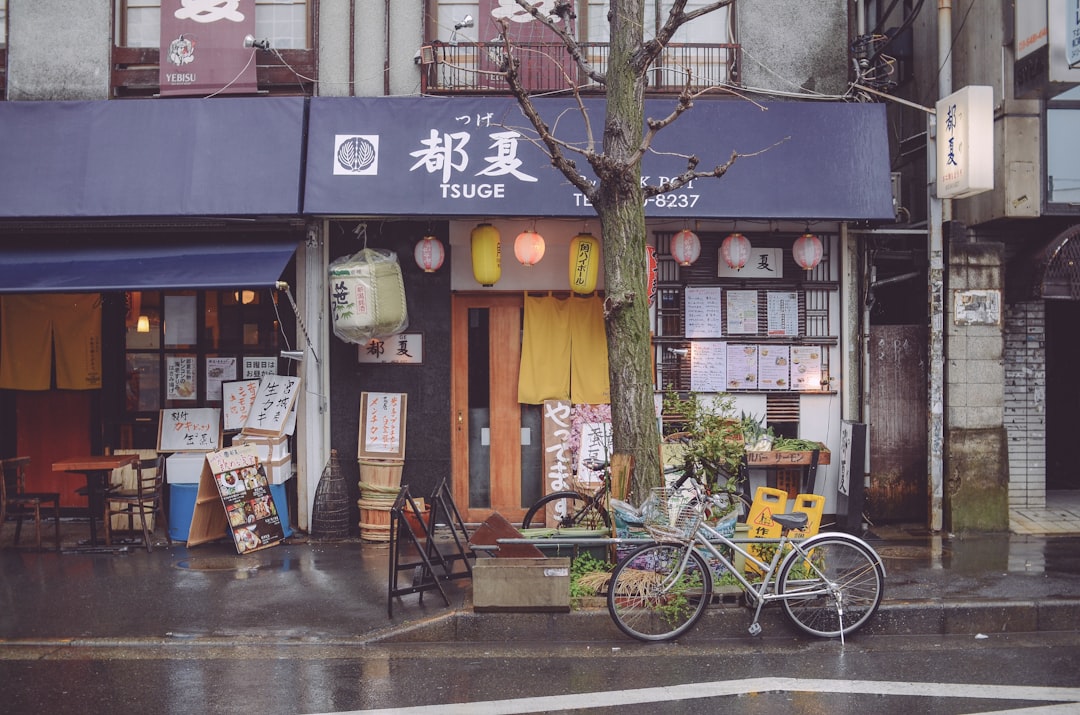
Shopping on an empty stomach is how budget travelers make expensive impulse decisions. Fortunately, Shimokitazawa feeds you well for almost nothing.
Curry is king here. Several small curry shops cluster near the South Exit of Shimokitazawa Station, and a deeply satisfying lunch — rice, curry, pickles, a soft-boiled egg — will run you ¥800–¥1,000. Seek out Mojo Curry for a rich, slow-cooked option that’ll keep you energized for hours of rack-digging. For broader ramen exploration across the city, check out our ramen tasting guide.
For coffee, skip the chains and look for Bear Pond Espresso or the tiny independent drip coffee stands that pop up along the covered shopping arcade. A hand-drip coffee for ¥400 is your friend — sip it slowly, rest your feet, and mentally tally your haul before round two.
If you’re really watching every yen, grab an onigiri from the nearby Lawson or FamilyMart before you start shopping. ¥130 for a tuna mayo rice ball is the budget traveler’s pre-shopping ritual, and there’s no shame in it.
Getting Around: Navigating the Neighborhood Cheaply
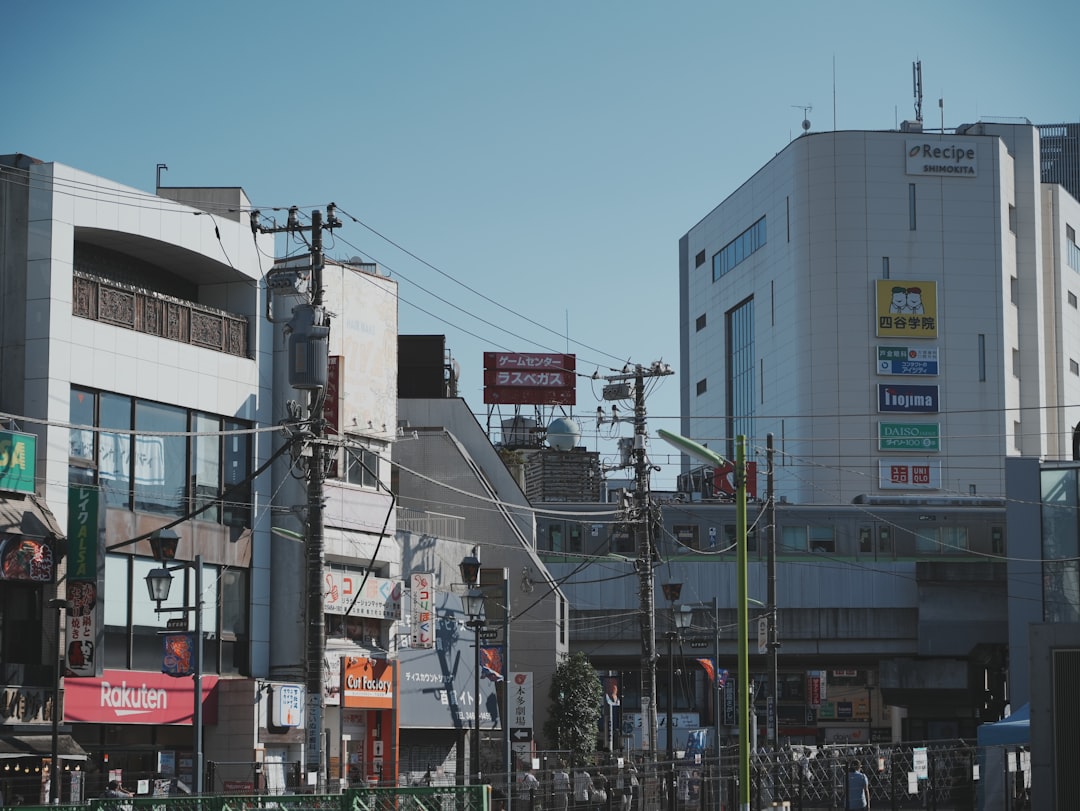
Shimokitazawa is a walking neighborhood — your feet are your only real tool here. The entire main shopping area spreads out from the North and South exits of Shimokitazawa Station (Keio Inokashira Line or Odakyu Line), and everything worth visiting is within a 10–15 minute walk of the station exits.
A practical budget tip: if you’re coming from Shibuya, the Keio Inokashira Line costs only ¥140 each way. From Shinjuku, the Odakyu Line to Shimokitazawa is similarly cheap. Factor in ¥300–¥400 round trip for transport when budgeting your shopping day.
Download Google Maps offline for the Setagaya area before you go — some of Shimokita’s best stores are tucked in narrow alleys that don’t have obvious signage, and mobile data can be spotty inside packed buildings.
What to Budget for a Full Shopping Day
🗾 Customized tour discovering hidden Tokyo gems →
Here’s a realistic breakdown for a genuine budget traveler:
| Expense | Estimated Cost |
|---|---|
| Train fare (round trip from Shibuya) | ¥280 |
| Lunch (curry or ramen) | ¥900 |
| Coffee x2 | ¥800 |
| Vintage shopping budget | ¥3,000–¥5,000 |
| Total | ¥4,980–¥6,980 |
For roughly ¥5,000–¥7,000 (~$33–$47 USD), you can have a full, incredibly satisfying day in one of the world’s great vintage shopping destinations. That’s not a budget compromise. That’s a flex.
Respecting the Culture While You Shop
A quick note that matters: Japanese thrift culture is built on mutual respect. Fold items back neatly when you put them back on the rack. Don’t photograph store interiors without checking for signage about camera policies. If a store feels small and crowded, don’t bring a huge backpack in — many shops have hooks near the entrance for bags.
These aren’t just politeness tips — they’re what gets you treated like a local rather than a tourist, and that distinction can mean a staff member quietly showing you the 30% off rack in the back corner.
[ADD: Describe one specific moment or memory from this experience — 2-3 sentences]
Final Thoughts: Shimokitazawa Is Worth Every Yen
Shimokitazawa doesn’t ask you to be rich, stylish, or even particularly experienced with vintage shopping. It asks you to slow down, dig deep, and pay attention. For budget travelers with a good eye and a little patience, that’s not a hardship — that’s the whole point of the trip. You’ll leave with bags heavier than your original luggage allowance, a slightly guilty conscience about how little you spent, and the deeply satisfying knowledge that no one back home will believe what you paid for that jacket.
Pack light going in. You’re going to need the space.
Book Tours & Activities
🗾 Explore Tokyo neighborhoods like Shimokitazawa →