
Tokyo is one of the world’s great food cities — that much most travelers already know. But for the serious food and drink enthusiast, the city’s sake brewing culture represents one of its most underexplored and rewarding rabbit holes. Forget the novelty shot of sake at a izakaya chain. The craft sake movement in and around Tokyo has been quietly revolutionizing what this ancient rice wine can be, blending centuries of tradition with the kind of obsessive artisanal sensibility that food lovers recognize instantly. From small-batch junmai daiginjo aged in cedar vats to experimental kimoto-style brews fermented using ancient lactic techniques, Tokyo’s brewery circuit is a tasting journey that rivals any wine trail in France or craft beer corridor in the Pacific Northwest.
I’ll admit I almost didn’t make the trip out to Fussa. An hour on the Ome Line felt like a lot for what I assumed would be a quick tasting and a gift shop. But the moment I stepped off the train and saw the old stone brewery walls across the street, half-hidden behind a row of persimmon trees, I realized this wasn’t going to be a tourist stop — it was going to be the kind of day I’d still be thinking about months later.
Why Tokyo for Sake? Understanding the City’s Brewing Geography
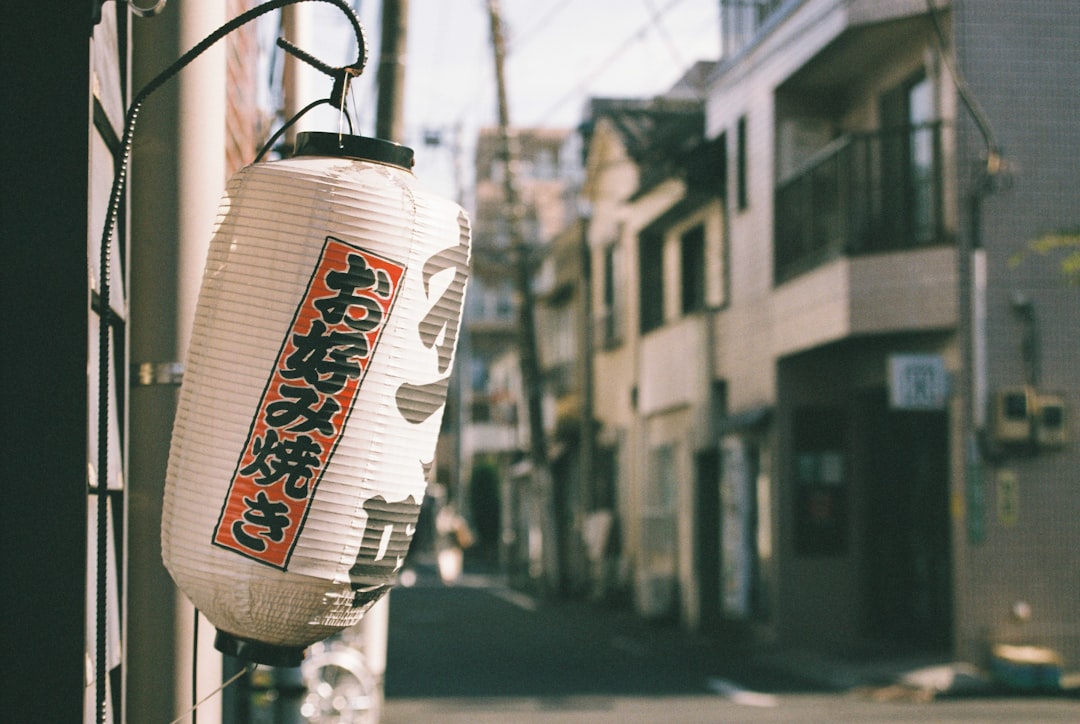
Most people associate Japan’s premier sake regions with Niigata, Kyoto’s Fushimi district, or Hyogo’s Nada. But Tokyo — specifically the Tama River basin in the city’s western reaches — has its own proud, if lesser-known, brewing legacy. The area historically called Nishi-Tama (Western Tama) sits where clean mountain water flowing from the Okutama range meets the Musashino Plateau, creating ideal conditions for sake brewing.
For the food-focused traveler, this is genuinely exciting news: you can spend a full day — or even a long weekend — exploring working breweries within 60 to 90 minutes of Shinjuku Station by local train. Cities like Fussa, Ome, Hachioji, and Akishima form a loose but very rewarding brewery trail that most guidebooks barely mention. This isn’t a manufactured tourist attraction — it’s a living industry where toji (master brewers) have been perfecting their craft for generations, and where you can taste the difference a single rice variety or water source makes in a glass.
The Must-Visit Breweries on the Tokyo Sake Trail
🗾 Book on Viator: Tokyo’s Oldest Sake Brewery Private Tour →
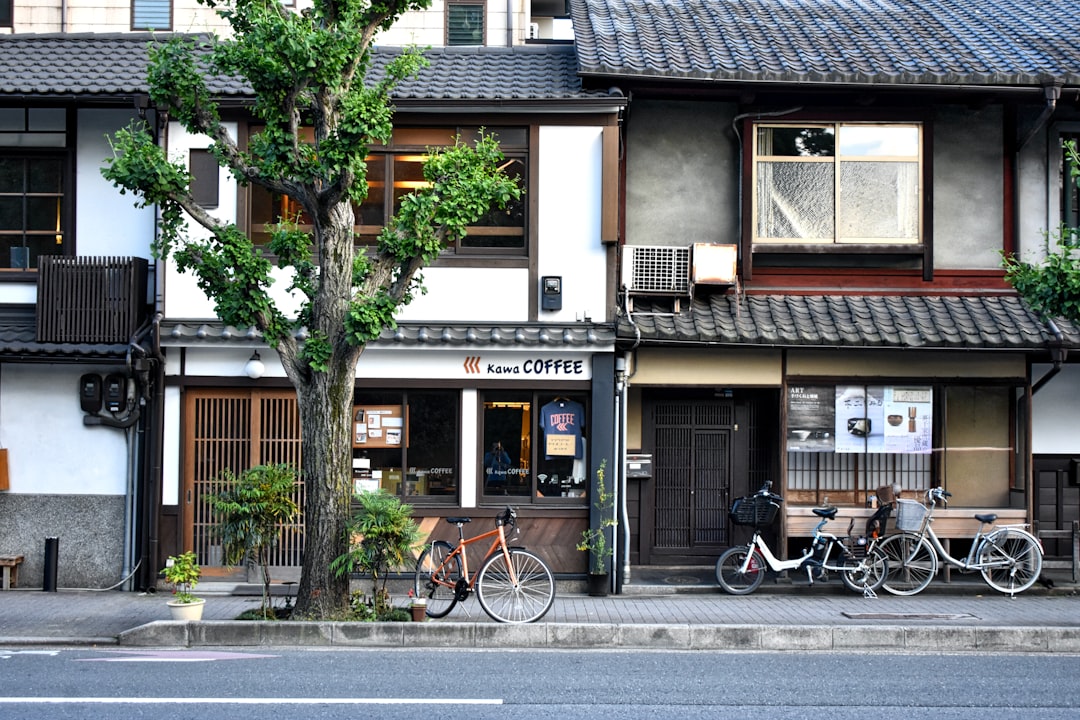
Tamajiman Sake Brewery (Akishima)
For drink enthusiasts, Tamajiman is often the first name that comes up when Tokyo’s sake scene is discussed seriously. Founded in 1702, this Akishima brewery draws its brewing water directly from the Tama River aquifer — the same source that gives the brewery’s flagship sake its soft, slightly mineral character. The brewery offers tours (typically by reservation) that take you through the koji room, fermentation tanks, and pressing operation.
What sets Tamajiman apart for the serious taster is the sheer range of their lineup. Their junmai ginjo has a clean, melon-like nose that rewards slow sipping, while their nigori (cloudy sake) is rich and almost dessert-like — perfect for understanding how polishing ratio and filtration decisions shape flavor. Ask about seasonal releases; the shiboritate (freshly pressed sake) available in winter is among the most exciting things you can drink in Tokyo.
Ishikawa Sake Brewery (Fussa)
Located in Fussa, about an hour west of Shinjuku on the JR Ōme Line, Ishikawa Sake Brewery is one of the most atmospheric stops on the Tokyo sake trail. The complex dates to 1863, and the historic kura (brewery buildings) have been preserved with the kind of integrity that makes food historians weep with joy. Walking through the stone-walled storage buildings and past the original wooden fermentation equipment gives you immediate physical context for just how labor-intensive traditional sake production is.
Ishikawa offers a self-guided museum tour followed by a tasting session where you can try five or six expressions side by side — an ideal format for drink enthusiasts who want to develop their palate systematically. Their Tamajiman Karakuchi (dry style) is a benchmark example of Tokyo regional sake: clean, food-friendly, and endlessly drinkable. The brewery also operates an on-site restaurant serving Japanese cuisine specifically designed to pair with their sake range, which is genuinely one of the better food-and-drink pairing experiences available in the greater Tokyo area.
If you visit Ishikawa, don’t leave without checking the small refrigerated shelf near the exit of the tasting room — they often have limited seasonal bottles there that aren’t listed on the main tasting menu, and the staff are happy to open one for a small pour if you ask politely.
Ozawa Sake Brewery (Ome)
If Ishikawa is the accessible crowd-pleaser, Ozawa Sake Brewery in Ome is the destination for the purist. Dating to 1702, Ozawa produces their Sawanoi brand using water from the Tama River’s Okutama source — arguably the cleanest, most minerally expressive water on the entire trail. The brewery sits at the edge of the Okutama highlands, surrounded by cedar forest, and the setting alone makes the 90-minute train journey feel worthwhile.
Ozawa’s tasting garden (open on weekends and selected weekdays) allows visitors to taste multiple sake expressions in an open-air setting overlooking the river valley. For the food enthusiast, the staff here are unusually knowledgeable about sake’s interaction with food, and they regularly host sake-and-cuisine pairing events in collaboration with local chefs. Call ahead to check the event schedule — timing your visit around one of these sessions elevates the experience from excellent to genuinely memorable.
Building Your Tasting Vocabulary Before You Go
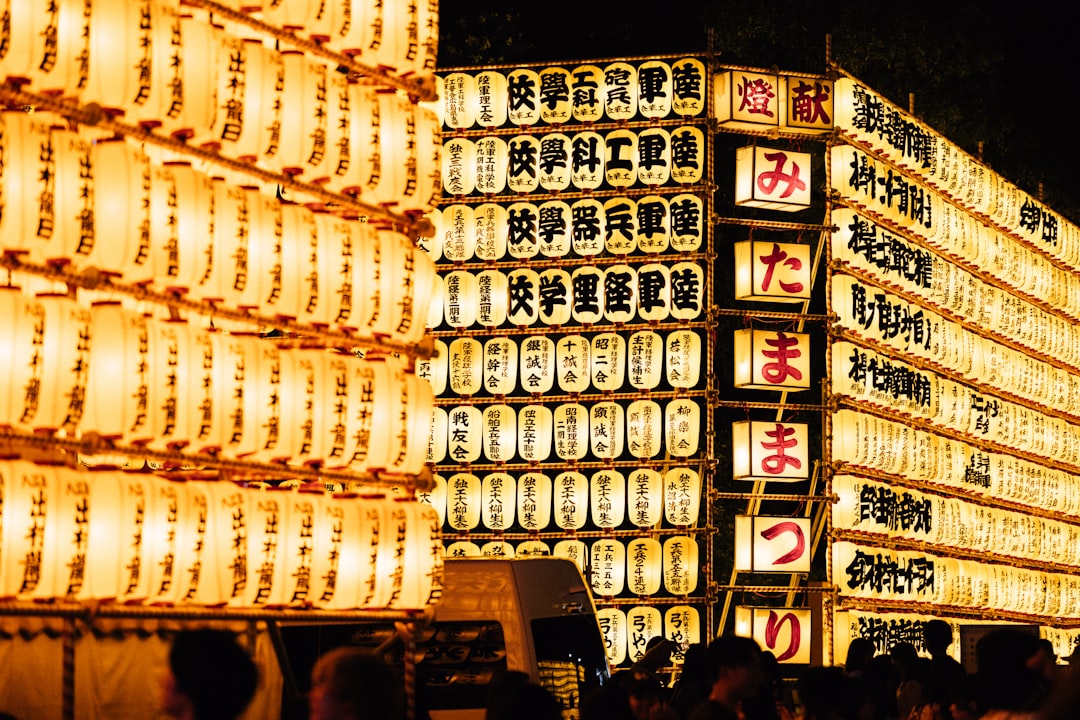
For food and drink enthusiasts who are new to sake specifically, spending 30 to 60 minutes building a working vocabulary before your brewery visits will pay enormous dividends. Here are the key terms that will shape your tasting conversations:
- Junmai: Pure rice sake — no added alcohol. Generally richer and more umami-forward.
- Ginjo / Daiginjo: Higher polishing ratio; lighter, more aromatic, often fruity.
- Kimoto / Yamahai: Traditional, lactic-acid-forward fermentation methods; earthier, more complex.
- Nigori: Unfiltered or partially filtered sake; cloudy, often sweet.
- Shiboritate: Freshly pressed, unaged sake — seasonal and highly prized.
- Koshu: Aged sake; nutty, amber-colored, sherry-like in character.
Brewery staff in the Tokyo area tend to speak varying levels of English, but arriving with this vocabulary signals that you’re a serious taster and often unlocks more detailed conversations about craft decisions and production philosophy.
Practical Logistics for the Drink-Focused Traveler
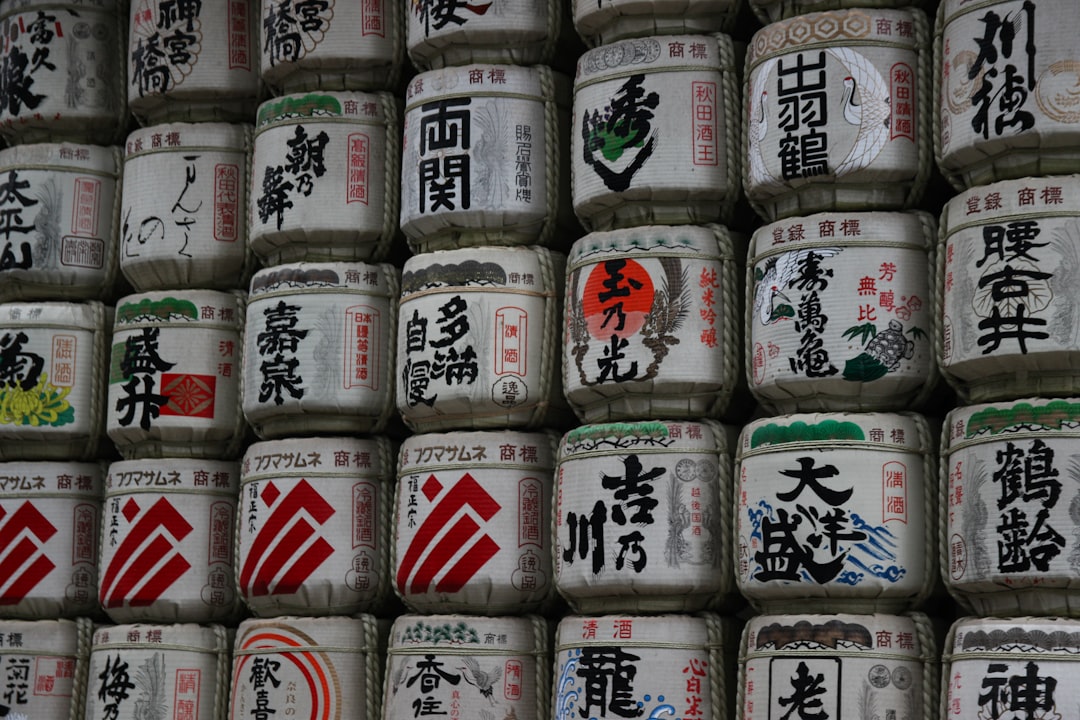
Getting Around the Brewery Trail
The Tokyo sake brewery trail is best navigated using the JR Ōme Line and JR Itsukaichi Line from Tachikawa or Shinjuku. A Suica or Pasmo card handles all your transit needs. The journey to Fussa takes about 50 minutes from Shinjuku; Ome adds another 25 minutes. Plan to visit no more than two breweries in a single day — not because of distance, but because serious tasting deserves serious attention, and palate fatigue is real.
Best Time to Visit
For the drink enthusiast, late winter (February to March) is the undisputed peak season. This is when the brewing year reaches its climax — fermentation tanks are full, pressing is underway, and shiboritate sake is available fresh from the press. The cold air sharpens your palate and the brewery atmosphere during active production is extraordinarily evocative.
That said, autumn (October to November) offers its own rewards: hiyaoroshi sake (once-pasteurized autumn release) appears on menus, and the forested hillsides around Ome and Okutama turn spectacular colors. Summer is the one season to avoid for serious tasting — many smaller breweries reduce operations in the heat.
Reservations and Etiquette
Most breweries require advance reservations for tours, especially Ozawa and Tamajiman. Email or phone ahead at least one week before your visit. Arrive on time, remove your shoes where indicated, and avoid wearing strong perfume or cologne on tasting days — sake’s delicate aromatics are easily overwhelmed. Photography is usually permitted in tasting rooms but always ask before shooting in active production areas.
Budget Expectations
Budget approximately ¥1,500–¥3,000 per person for a guided tasting (roughly $10–$20 USD), plus transit costs of ¥600–¥900 round trip from central Tokyo. Bottles to take home range from ¥1,200 for a solid junmai to ¥8,000+ for premium aged expressions. Compared to equivalent wine or whisky experiences anywhere in the world, this is extraordinary value for the quality on offer.
Food Pairings to Seek Out Along the Way
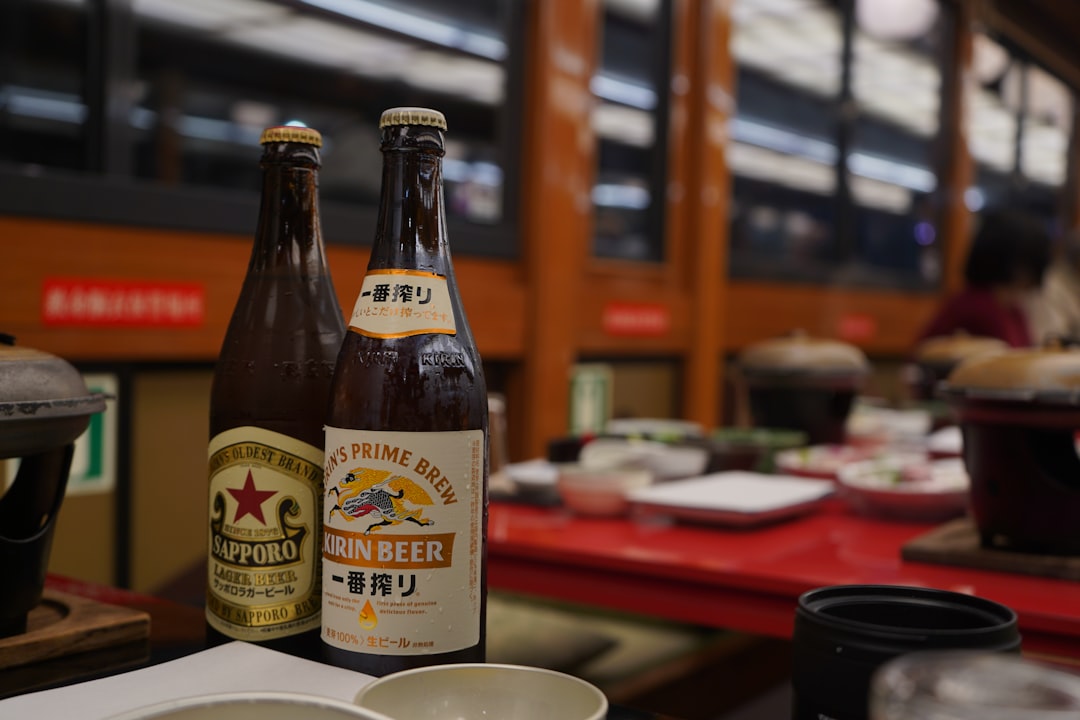
Sake is one of the most food-versatile fermented beverages on earth — its umami depth and relatively low acidity make it a natural partner for everything from raw seafood to aged cheese. At Ishikawa’s on-site restaurant, look for pairings built around yakitori (the char plays beautifully against junmai richness), sashimi with junmai ginjo, and surprisingly, aged gouda with koshu. Fussa’s surrounding town has a handful of small ramen shops where a cold cup of karakuchi sake alongside a bowl of shoyu ramen is one of those simple, perfect, unrepeatable travel meals. For another great exploration of Tokyo’s drinking culture, consider visiting Shinjuku Golden Gai, where intimate bars showcase Japan’s craft beverage scene in a different context.
The moment that stuck with me was at Ozawa’s tasting garden on a cold February afternoon. The staff poured a cup of shiboritate — just pressed that morning, still faintly cloudy — and I took a sip standing by the railing overlooking the river valley. It tasted like cold, clean rice and something almost floral, nothing like any sake I’d had from a bottle in a restaurant. That was the glass that made me understand why people travel for this.
Making the Most of Your Tokyo Sake Journey
The Tokyo sake brewery trail rewards exactly the kind of traveler who comes prepared with curiosity, patience, and a genuine appetite for understanding what they’re drinking. This isn’t a checklist experience or a quick Instagram stop — it’s a slow, layered immersion into one of Japan’s most sophisticated culinary traditions. The breweries of the Tama River basin have been producing sake for over three centuries, and the craft intelligence embedded in every glass is genuinely humbling once you start to understand it.
For the serious food and drink enthusiast, few experiences in Tokyo — or anywhere in Japan — deliver this combination of historical depth, artisanal craft, and pure sensory pleasure. Book your train ticket, make your reservations, and let the toji show you what centuries of fermentation wisdom actually tastes like.