There’s a specific kind of town that makes a photographer feel like the world slowed down just for them — where peeling paint becomes poetry, where a fishing boat’s reflection turns a canal into a Monet, where an old cat napping on a mossy step looks like it was placed there by a director. Onomichi, tucked along the Seto Inland Sea in Hiroshima Prefecture, is exactly that town. And the beautiful secret? You can do it as a day trip from Tokyo. Yes, it’s a long day. Yes, it is absolutely worth every shinkansen minute.
I stepped off the local train at Onomichi Station at 9:47 in the morning, and the first thing that hit me wasn’t a sight — it was a smell. Dried fish and salt air and something faintly sweet, maybe incense drifting down from one of the hillside temples. The light was doing that golden-hour-in-reverse thing it does on clear autumn mornings, throwing long soft shadows across the narrow canal road, and I remember just standing there with my camera half-raised, completely overwhelmed by where to point it first.
Why Onomichi Is a Photographer’s Dream Destination
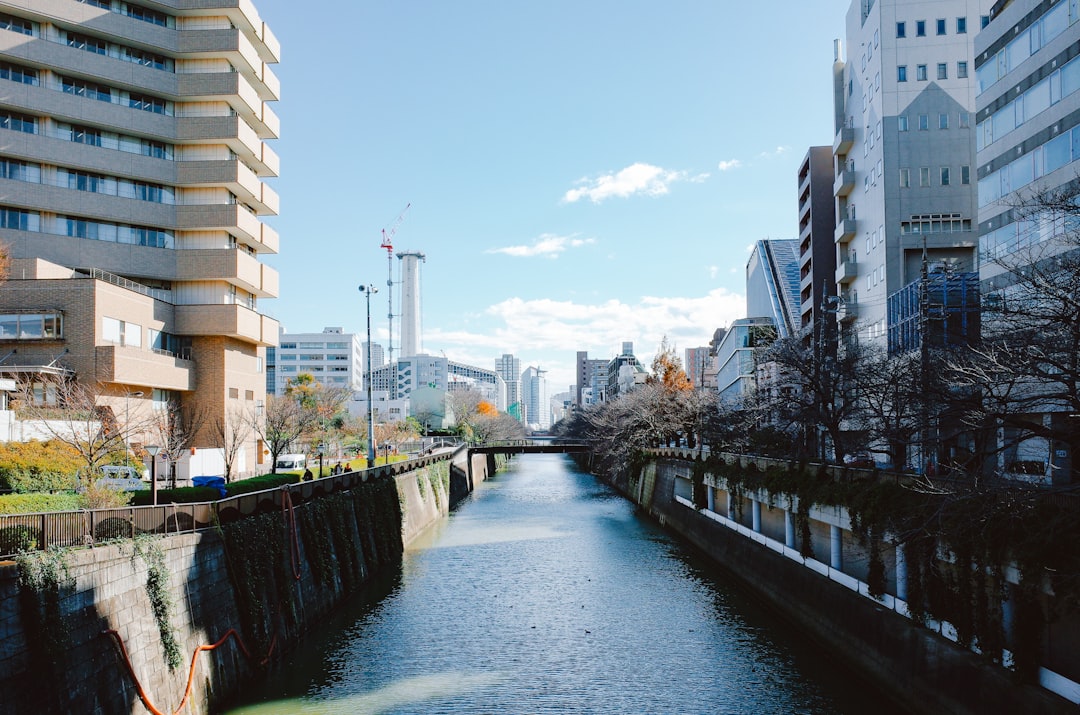
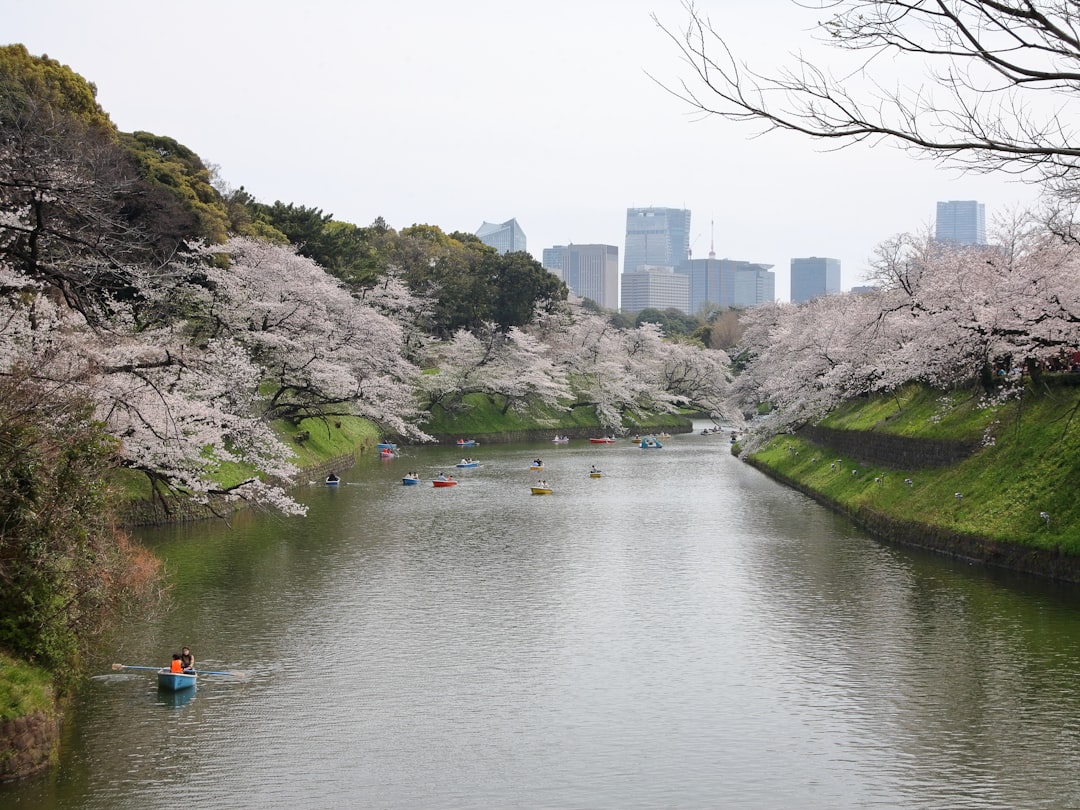
ONomichi isn’t on every tourist’s radar, and that’s precisely the magic of it. While Hiroshima City and Miyajima dominate the western Japan itinerary, Onomichi sits quietly about 80 kilometers east of Hiroshima, a layered hillside town where centuries of fishing culture, Buddhist temple paths, and literary history have created a visual texture you simply cannot manufacture. The famous Onomichi Canal — technically the narrow Onomichi Channel between the mainland and Mukaishima Island — frames the town’s northern edge with fishing boats, weathered docks, and mirror-still water that reflects everything beautifully on calm mornings.
For photographers specifically, the composition opportunities here are relentless: foreground-to-infinity depth along the canal path, leading lines of stone steps vanishing into temple gates, cats (the town is legendarily feline-populated) draped over every warm surface, and layers of old wooden townhouses stacked up the hillside behind. If you’re drawn to canal photography and architectural detail, Onomichi takes that aesthetic to another level entirely.
Getting There from Tokyo: The Shinkansen Game Plan
🗾 Book on Viator: Private car tour with English driver →
From Tokyo Station, take the Tokaido-Sanyo Shinkansen Hikari or Nozomi to Fukuyama Station (approximately 3 hours 40 minutes to 4 hours), then hop on the local San’yo Line for about 20 minutes to Onomichi Station. Total travel time door to station: roughly 4.5 hours. Yes, that sounds like a lot. But here’s how photographers should think about it: board the 6:00 or 6:30 AM shinkansen, arrive in Onomichi by 11 AM, and you’ll have the entire midday and afternoon golden hour window — which in Onomichi is genuinely spectacular.
Alternatively, if you’re already based in Osaka or Kyoto, the trip is only about 2 hours, making it even more practical. A reserved shinkansen seat costs roughly ¥18,000–¥19,000 from Tokyo one-way, so factor this into your planning. A JR Pass makes this day trip significantly more affordable.
The Canal Walk: Your First Two Hours
🗾 Book on Viator: Day trip to scenic canal town →
Drop your bag at a coin locker at Onomichi Station and head immediately to the waterfront. The canal-side promenade running east from the station is your opening shot. Go early — before 10 AM if possible — because the light skims across the water at a low, flattering angle and the tour buses haven’t arrived yet.
Walk eastward past the docked fishing vessels, the small painted wooden boats, the ferry terminals sending tiny boats across to Mukaishima Island every ten minutes. The reflection game here is extraordinary: I’ve gotten shots of upside-down temple rooftops shimmering in the canal water that still look surreal to me months later. Bring a polarizing filter if you shoot with interchangeable lenses — it cuts the glare on the water and makes those reflections saturate beautifully.
The stretch around the old Onomichi City Ropeway base station, near Senkoji Park, offers a particularly cinematic compressed perspective: fishing boats in the foreground, the canal shimmering in the middle ground, and Mukaishima Island’s green hills behind. This is the postcard shot, and it earns that status.
The Temple Walk and the Cat Path: Hillside Heaven
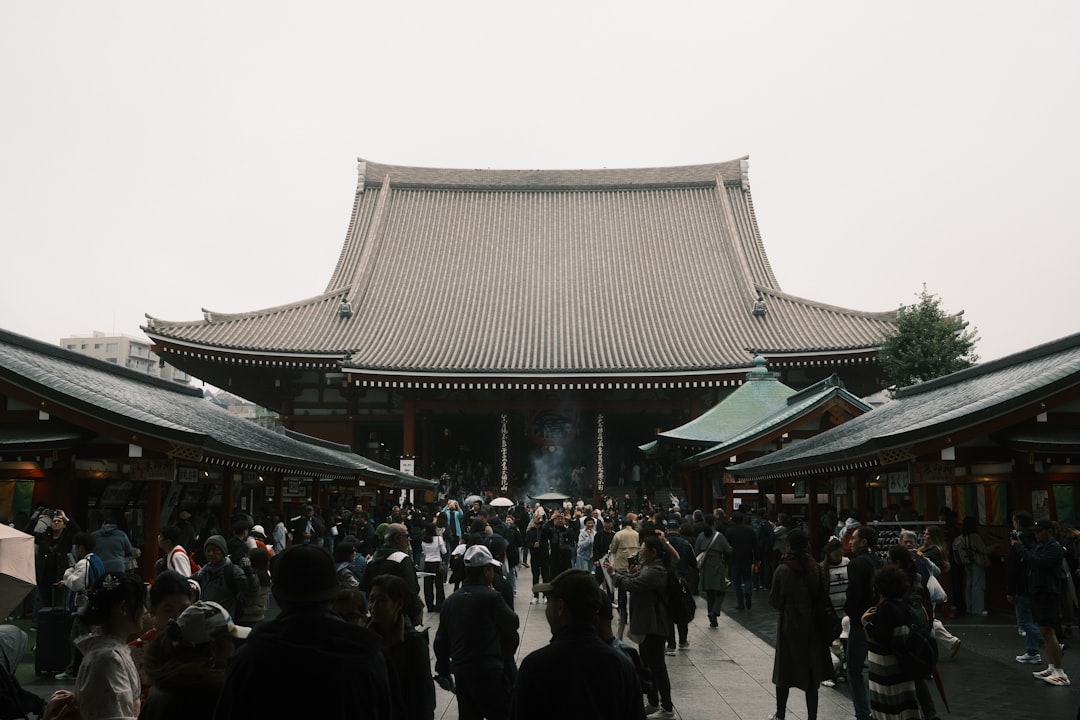
OnoMichi’s Senkoji Temple Path (山手通り, Yamate-dori) winds through 25 temples and shrines across the hillside — you’re not expected to visit every one, but walking the stone-paved lane itself is the point. For photographers, this is a 90-minute dream sequence: dappled light through ancient camphor trees, moss-covered stone lanterns, dramatic temple gates with aged vermillion paint, and everywhere, everywhere, the cats. Much like the atmospheric temple walks in Yanaka, Onomichi rewards slow, patient exploration with a camera.
OnoMichi has a reputation as a cat town (neko no machi), and it is fully earned. The cats here are not skittish urban survivors — they are confident, photogenic, almost performatively relaxed. They sleep on temple steps, groom themselves on fence posts, and regard your camera with magnificent indifference.
I was photographing a half-collapsed stone wall near Tenneiji Temple when an older woman in a floral apron emerged from a nearby house and told me — in a mix of Japanese and surprising English — that the gray cat sitting on the wall had been coming to that exact spot for eleven years. She went back inside and returned with a small dish of food, and the cat stretched, yawned, and repositioned itself into an even better pose. I didn’t plan that shot. It just happened.
Senkoji Park Lookout: The Shot You Came For
Take the ropeway (¥320 one way) up to Senkoji Park at the hilltop. The panoramic view from the observation deck gives you the full picture: the Onomichi Channel below, the rooftops of the old town cascading down to the water, Mukaishima Island across the narrow strait, and on clear days, the distant spans of the Nishiseto Expressway bridges connecting the Shimanami Kaido cycling route islands. This is your wide-angle moment. Shoot it midday for contrast, or linger for the afternoon when shadows lengthen and the town takes on a warmer hue.
Where to Eat: Onomichi Ramen and the Local Soul
OnoMichi ramen is non-negotiable. This regional style features a soy-based broth made with small dried fish (niboshi) and back fat floating on the surface — it sounds heavy, but it has a savory, slightly briny depth that makes complete sense the moment you taste it in this fishing town context. The iconic spot is Shukaen (朱华园), a tiny, linoleum-floored institution near the station that has been serving the same recipe since 1947. Arrive before noon or expect a queue. The experience reminds me of hunting for authentic food scenes throughout Tokyo — the hunt itself is part of the adventure.
For mid-afternoon, duck into one of the kissaten (old-school coffee shops) along the shotengai covered shopping arcade behind the station. These places are frozen beautifully in 1970s amber — formica counters, jazz on a record player, hand-drawn menu boards — and the coffee is serious. Order a hot blend and let your memory card rest for twenty minutes.
Best Time of Day and Season for Photography
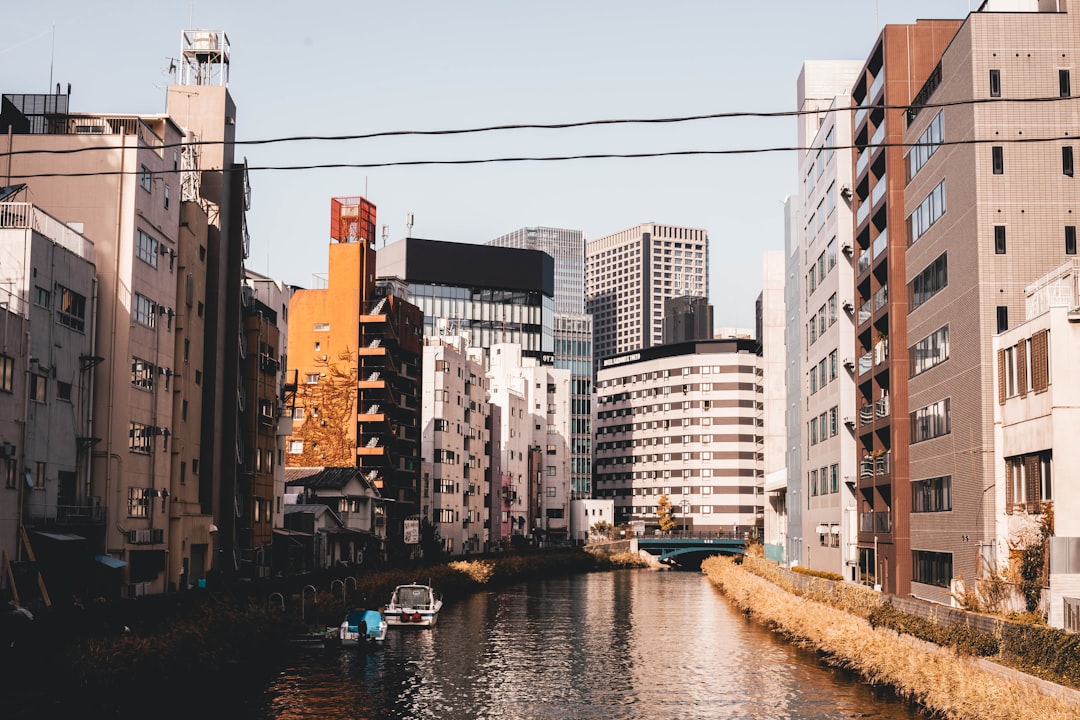
Seasonal-wise, Onomichi rewards visits in late March to early April (cherry blossoms against temple rooftops), mid-November (fiery maple leaves on the temple path), and autumn mornings generally for mist on the canal. Summer is humid but the contrast of summer light on the water can be dramatic if you shoot early. Avoid midday August — the heat is punishing and the light is flat.
For time-of-day shooting: the canal walk between 8–10 AM, the temple path between 10 AM–1 PM, the ropeway lookout around 2–3 PM, and then return to the canal for the late afternoon golden hour around 4–5 PM. That final window is the one I never want to leave.
At around 4:30 PM on my last visit, I was sitting on a concrete bollard at the canal’s edge with my camera in my lap, eating a piece of grilled senbei from a street vendor, watching a small white ferry chug slowly across the channel. The water had gone the color of old brass. Two cats sat on a nearby dock watching the same ferry. A temple bell rang once from somewhere up the hill — low and resonant, the kind of sound that seems to settle into your chest. I didn’t even raise my camera. Some moments are for keeping.
Practical Tips for Photography Enthusiasts
- Gear: A 24–70mm zoom handles 80% of Onomichi. Bring a 50mm or 35mm prime for the narrow alley shots.
- Coin lockers: Available at Onomichi Station — leave extra gear and travel light up the hill.
- Crowd timing: Weekday visits are significantly quieter. Weekend mornings still work if you’re on the canal before 9 AM.
- Respect: Some residential alleys and temple precincts have signs requesting no photography. Honor them. The residents make this town what it is.
- Return train: Last reasonable shinkansen connection from Fukuyama to Tokyo departs around 7–8 PM, getting you back to Tokyo Station by midnight. Check the JR Timetable app before you go.
The Takeaway
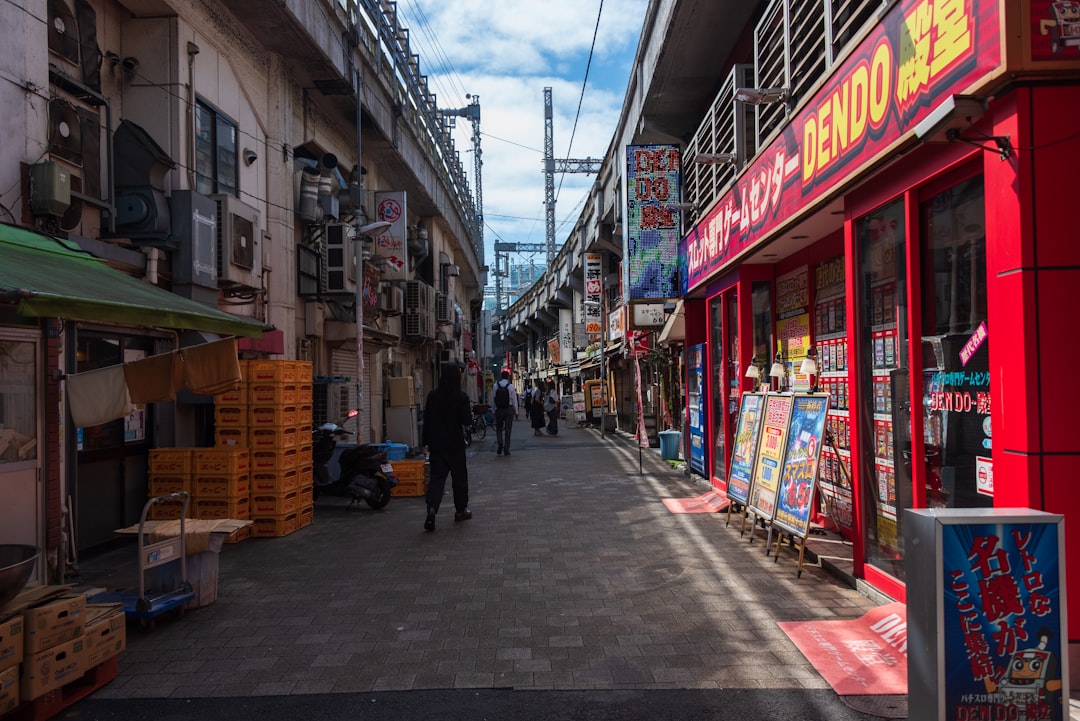
OnoMichi isn’t the most famous town in Japan, and that is its greatest gift to anyone who actually shows up with a camera. The canal, the cats, the temple-laced hillside, the ramen that tastes like the sea — it all coheres into something rare: a place with genuine, unperformed character. As a photographer doing a day trip from Tokyo, you will come back with images that don’t look like anyone else’s Japan. That alone is worth the 6 AM alarm.