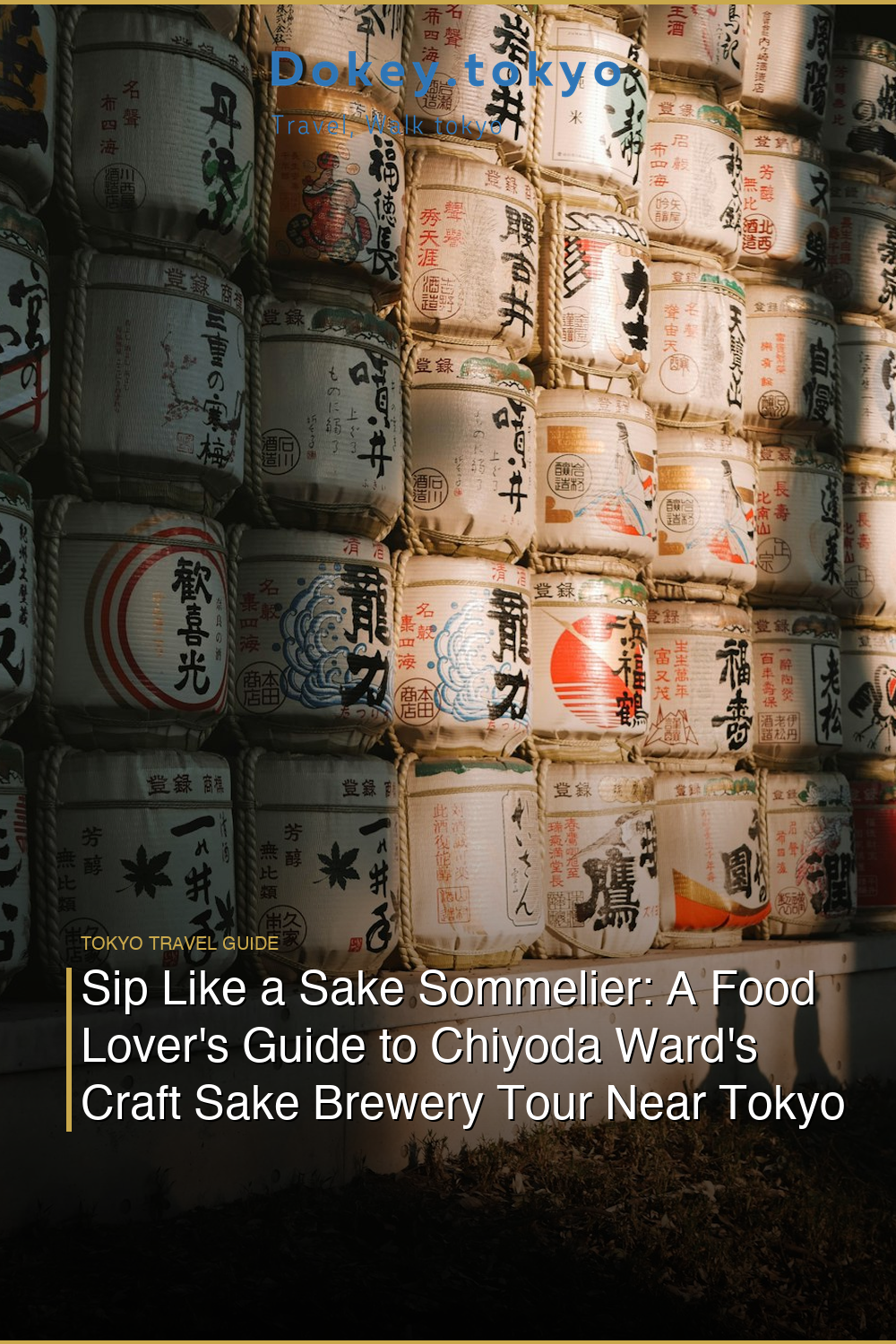
If you’ve ever stood in a Tokyo convenience store, paralyzed by the wall of sake bottles with absolutely no idea where to start, you’re not alone — and honestly, that beautiful confusion is exactly why a craft sake brewery tour in Chiyoda Ward should be at the top of your itinerary. Most food-obsessed travelers come to Tokyo for the ramen, the sushi, the izakaya nights that stretch until 3am — but the city’s quietly booming craft sake movement? That’s the insider experience that separates a great trip from an unforgettable one. And the best part: you don’t need to travel hours into the Japanese countryside to find it. It’s right here, within walking distance of Tokyo Station.
I still remember stepping into the Marunouchi sake tasting venue on a gray Tuesday afternoon, the kind of damp Tokyo winter day where the city smells like wet stone and grilled yakitori from a cart somewhere nearby. The moment the sliding door opened, I was hit with this warm, almost sweet-fermented cloud — rice, cedar, something faintly floral — and a woman in a navy apron smiled and said, in near-perfect English, “You look like you need something warm.” She wasn’t wrong.
Why Chiyoda Ward Is Tokyo’s Secret Sake Destination
Chiyoda Ward doesn’t immediately scream “sake culture” — it’s better known for the Imperial Palace, Akihabara’s electric mayhem, and the polished business corridors of Marunouchi. But that central location is precisely what makes it such a gem for food and drink lovers. Several craft sake producers, importers, and tasting venues have set up intimate showrooms and educational experiences right in this district, targeting a growing wave of curious travelers and Tokyo professionals who want more than a supermarket shelf selection.
Unlike the mega-brewery tours you’d find in Nada or Fushimi, the Chiyoda sake experience is boutique by design. You’re not walking a factory floor. You’re sitting across a cypress wood counter from someone who fermented the bottle in front of you and genuinely wants to change how you think about nihonshu.
What Makes Craft Sake Different (And Why It Matters to Your Palate)
For drink enthusiasts, understanding the distinction between mass-market sake and craft (or “artisan”) sake is like understanding the difference between a supermarket Chianti and a small-producer natural wine from a volcanic hillside. Craft breweries — called kura — often use heirloom rice varieties, local water sources, and traditional brewing methods like kimoto or yamahai fermentation that produce complex, almost umami-forward flavor profiles you simply won’t find in the filtered, highly polished commercial bottles.
During a guided tasting in Chiyoda, expect your guide to walk you through the four key classifications: junmai, ginjo, daiginjo, and unfiltered nigori — but more importantly, they’ll teach you to actually taste the difference. You’ll learn to notice the minerality in a Niigata junmai, the melon-and-pear nose of a Yamagata daiginjo, the almost cheesy funk of a well-aged koshu. For anyone who geeks out over fermentation, natural beverages, or Japanese culinary culture, this is intellectually as satisfying as it is delicious.
The Best Sake Tasting Experiences Near Tokyo Station
🗾 Book on Viator: Tokyo’s Oldest Sake Brewery Private Tour →
Craft Sake World (Marunouchi / KITTE Building Area)
One of the most accessible entry points for international food lovers is the curated sake tasting experience hosted in the Marunouchi retail corridor, a short walk from the Marunouchi South Exit of Tokyo Station. Venues like Craft Sake World and similar boutique sake bars in the KITTE building basement level regularly host structured flight tastings — usually three to five pours — paired with small plates of Japanese charcuterie, aged miso, or seasonal pickles that are specifically chosen to amplify what’s in your glass.
Expect to pay around ¥2,500–¥4,500 (roughly $17–$30 USD) for a curated flight with food pairings. For a food and drink enthusiast, this is extraordinary value compared to what you’d pay for an equivalent sommelier-guided experience at a wine bar in Paris or New York.
Pro tip for drink lovers: Ask specifically for muroka nama genshu — unfiltered, unpasteurized, undiluted sake. It’s not always on the standard tasting menu, but it’s the closest thing to drinking sake straight from the tank. The flavor is bold, sometimes almost carbonated, and wildly alive.
The SAKETECA Experience (Chiyoda Neighborhood Bars)
Scatter yourself through the smaller streets between Yurakucho and Hibiya, and you’ll find a cluster of intimate sake specialty bars that don’t look like much from outside — maybe a hand-painted wooden sign, a暖簾 (noren curtain) swaying in the doorway, three barstools and a wall of bottles. These are the places where Tokyo’s sake community actually drinks.
I found one such bar completely by accident, following the smell of cedar and the sound of very animated Japanese conversation at around 9pm on a Friday. The owner — a former brewery worker from Akita named Kenji — pulled out a bottle he said he “wasn’t officially supposed to be serving yet,” a cloudy, straw-colored nama from a micro-kura in Fukushima that had only produced 300 bottles that season. It tasted like lychee soaked in ocean air, and I’ve been chasing that flavor in sake bars across three countries ever since.
Structured Brewery Tours: Booking What’s Worth Your Time
For the most immersive experience, several operators now run half-day and full-day sake tours departing from near Tokyo Station that combine Chiyoda Ward tastings with visits to partner breweries in Saitama or Kanagawa (both under 90 minutes by train). These guided tours, typically conducted in English, include brewery walkthroughs, hands-on experiences like moromi mash observation, and multi-course sake-pairing lunches.
Operators like Saketours, Japan Wonder Travel, and several boutique sake importers offer these experiences, typically priced between ¥12,000–¥20,000 per person ($80–$135 USD). For serious food and drink travelers, this is money extremely well spent — particularly because guides on these tours are often kikizake-shi (certified sake sommeliers) who can answer every nerdy fermentation question you throw at them.
What to Eat Alongside Your Sake Tasting
This is where the food lover in you will start reaching for their phone to take notes. Sake is profoundly food-friendly — more so than wine in many pairing scenarios — because its umami backbone amplifies rather than competes with savory Japanese ingredients.
During a Chiyoda tasting session, look for these classic pairings on the snack menu:
- Kamo roast (sliced duck with yuzu kosho): the fat softens the acidity in a ginjo
- Aged Gouda or domestic Japanese cheese: unexpectedly perfect with a junmai daiginjo
- Salmon ikura (roe) on rice crackers: the brininess makes a nigori taste almost tropical
- Dashimaki tamago (dashi egg roll): a benchmark pairing that shows how junmai elevates even simple dishes
If you’re doing a standalone tasting bar visit in the evenings, many Chiyoda venues offer small otsumami (snack) sets specifically designed for sake pairing — order one even if you’re not hungry. It will change how you experience every pour.
Best Time to Visit and Practical Logistics
For food and drink enthusiasts, the best time to do a sake brewery tour in Chiyoda Ward is October through March — this is peak shinshu season, when freshly brewed nama sake from the autumn and winter brewing cycle starts arriving at bars and tasting rooms. Drinking shinshu (new sake) in Japan in January or February is like drinking Beaujolais Nouveau in Lyon in November — it’s a seasonal ritual that locals genuinely celebrate, and you’ll find special tasting events and limited releases everywhere.
That said, late spring through early summer brings hiyaoroshi — sake that’s been aged through the summer and released in autumn — which has a rounder, more developed flavor profile that many seasoned sake drinkers actually prefer.
Getting there: Tokyo Station is a direct hub for all JR lines and the Marunouchi subway line. Most tasting venues in Chiyoda Ward are within a 5–15 minute walk from either the Marunouchi Exit or the Yurakucho/Hibiya exits. Wear comfortable shoes — you may find yourself wandering between venues.
Booking ahead: Many of the structured guided tours book out 2–3 weeks in advance, particularly on weekends. Reserve online before you arrive in Japan.
A Moment I’ll Never Forget
On my last evening in Tokyo before flying home, I went back to that tiny sake bar near Hibiya just before closing time. Kenji poured me a final glass of junmai from Akita — his hometown — without me asking. It was served slightly warmed, in a small ceramic cup the color of ash, and it tasted like toasted rice and snow and something I don’t have an English word for. He watched me take the first sip, then said quietly, “Sake tastes different when you understand it.” I sat with that cup until the bar went dark.
Final Thoughts: Why This Is Worth Every Yen
Tokyo Station is one of the most over-photographed, over-touristed hubs in Japan — but step fifteen minutes in any direction into Chiyoda Ward, duck into the right doorway, and you’ll find a sake culture that is intimate, generous, and absolutely thrilling for anyone who takes food and drink seriously. This isn’t a tourist gimmick. It’s where Tokyo actually drinks. And once you’ve tasted a hand-crafted junmai daiginjo from a 200-year-old kura poured by the person who made it, you’ll understand why sake lovers talk about this country the way wine lovers talk about Burgundy. Book the tour. Clear your afternoon. Drink slowly.
Ready to experience it?
🗾 Book on Viator: Unlimited Sake Tasting Over Thirty Bottl →