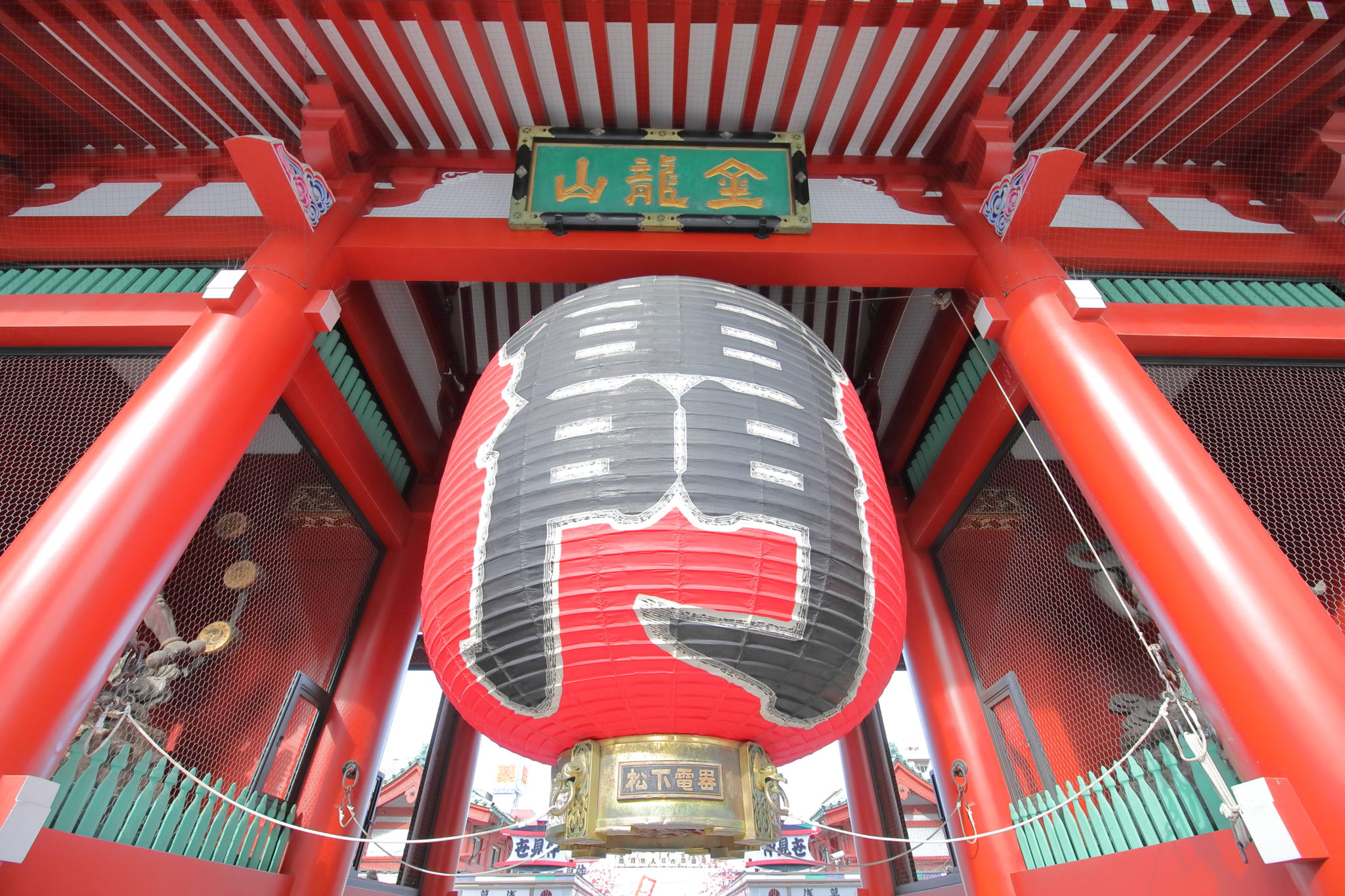
The first time I stood at Kaminarimon Gate at 5:47 AM, completely alone except for a street sweeper and the distant rumble of the first metro train, I knew Senso-ji had just rewritten my entire philosophy of photographing Tokyo.
If you’ve ever scrolled through Instagram and rolled your eyes at the same tired shot of the giant red lantern — packed with tourists holding peace signs — this guide is for you. I’m writing this specifically for photography enthusiasts visiting Asakusa for the first time, because Senso-ji is one of those rare locations where the difference between a tourist snapshot and a genuinely magical image comes down to when you show up, where you stand, and what you’re willing to wake up early for.
Why Senso-ji Is a Photographer’s Goldmine (When You Get It Right)
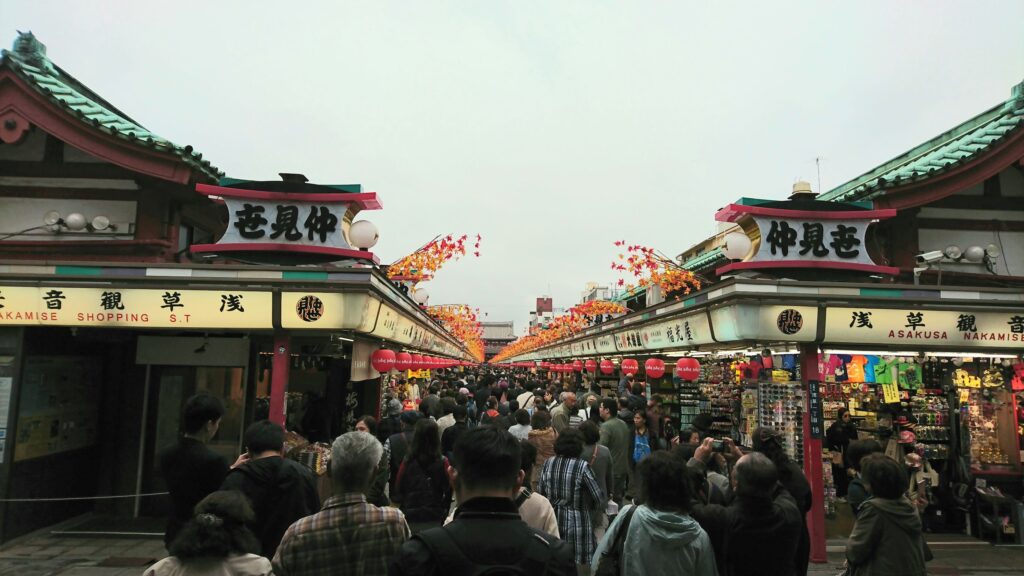
Tokyo’s oldest temple, founded in 645 AD, sits in the Asakusa neighborhood and is endlessly photogenic — five-story pagoda, lacquered crimson halls, incense smoke catching shafts of morning light, geometric paper lanterns the size of small cars. The temple grounds are free to enter and technically open 24 hours (the main hall is open 6:00 AM to 5:00 PM, 6:30 AM in winter), which is exactly why dedicated shooters have an enormous advantage here.
The catch? Between roughly 10 AM and 4 PM, Senso-ji becomes a human ocean. I remember my second visit, mid-afternoon in October, when I literally could not raise my camera to eye level without bumping into someone. The shot I wanted — the pagoda framed through the gate’s lantern — was impossible. Lesson learned, painfully.
So let me save you that frustration.
The Pre-Dawn Strategy That Changes Everything
Set your alarm for 4:45 AM. I know. I’m sorry. But hear me out.
I take the Ginza Line to Asakusa Station (exit 1 puts you 30 seconds from Kaminarimon), and the first train usually arrives around 5:15 AM depending on where you’re staying. A taxi from Shinjuku runs about ¥3,500-4,500 if you’d rather not deal with trains — honestly worth it if you’re carrying a tripod and multiple lenses.
When I arrived that first dawn shoot, the Nakamise shopping street — normally a chaotic 250-meter corridor of souvenir stalls — was a silent tunnel of shuttered wooden panels, each one hand-painted with traditional scenes. I shot the entire length of it with no one in the frame. Just me, my 35mm prime, and the soft blue pre-sunrise light bouncing off the rolling shutters. It looked like a film set.
By 6:00 AM, the temple’s massive doors open and a handful of elderly locals begin their morning prayers. This is your golden window. The light hits the pagoda’s east face around 6:15-6:45 AM (depending on season), and the incense burner near the main hall is freshly lit, sending fat curls of smoke straight up in the still air. Frame a praying silhouette through that smoke and you’ve got a portfolio image.
Camera tip from experience: Bring a circular polarizer. The vermillion paint on the temple buildings is so saturated it can blow out your reds in midday sun. I learned this after deleting about 40 frames from my first trip.
The Spots Most Visitors Never Find
🎫 Book on Klook: Kimono rental in Asakusa →
The classic shots — Kaminarimon’s lantern, the pagoda from below, the Nakamise approach — are classics for a reason. Get those out of the way first. But the images that actually got my prints sold at a gallery back home came from places ninety percent of visitors walk right past.
Behind the main hall, there’s a small garden with a wooden bridge over a koi pond. In autumn, the maple trees turn an almost unreasonable shade of orange and reflect on the water. I spent 45 minutes there one November morning with my 85mm and a single elderly gardener for company. He eventually came over, gestured at my camera, and through a mix of broken English and pantomime, showed me exactly where to stand for the best angle. I bowed about fifteen times. He laughed.
The Yogodo Hall on the west side is another sleeper location — quieter, smaller, with intricate wood carvings under the eaves that reward a telephoto lens. And don’t miss the view of Senso-ji from across the river at Sumida Park, where you can frame the pagoda alongside the Tokyo Skytree in a single shot that visually summarizes 1,400 years of Japanese history in one frame. I shot it at blue hour around 5:00 PM in winter and it remains my most-printed image from Japan.
When (and How) to Photograph People
Here’s where ethics matter. Senso-ji is an active place of worship, not a theme park, and I’ve watched too many visitors shove cameras in praying grandmothers’ faces. Don’t be that person.
What I do instead: I shoot from a distance with a longer lens (70-200mm is perfect), I never photograph people mid-prayer at the main altar, and if someone makes eye contact while I’m shooting, I lower my camera and bow slightly. Nine times out of ten, they smile and continue. The tenth time, you move on. No image is worth being a jerk for.
The omikuji fortune drawers are a wonderful candid subject — visitors shaking the metal canisters, the focused expressions when they unfold their paper fortune, the small ritual of tying a bad fortune to the metal racks. ¥100 to draw one yourself, which I recommend doing partly for the experience and partly because it gives you a reason to linger in the area without looking like a shutter-creeper.
A Mid-Morning Break That Saved My Sanity
By around 9:30 AM, the crowds are surging in, and you should already have your best shots banked. This is when I retreat to Kagetsudo, the famous melon pan bakery just off Nakamise. ¥220 for a softball-sized, just-baked, crackly-on-the-outside