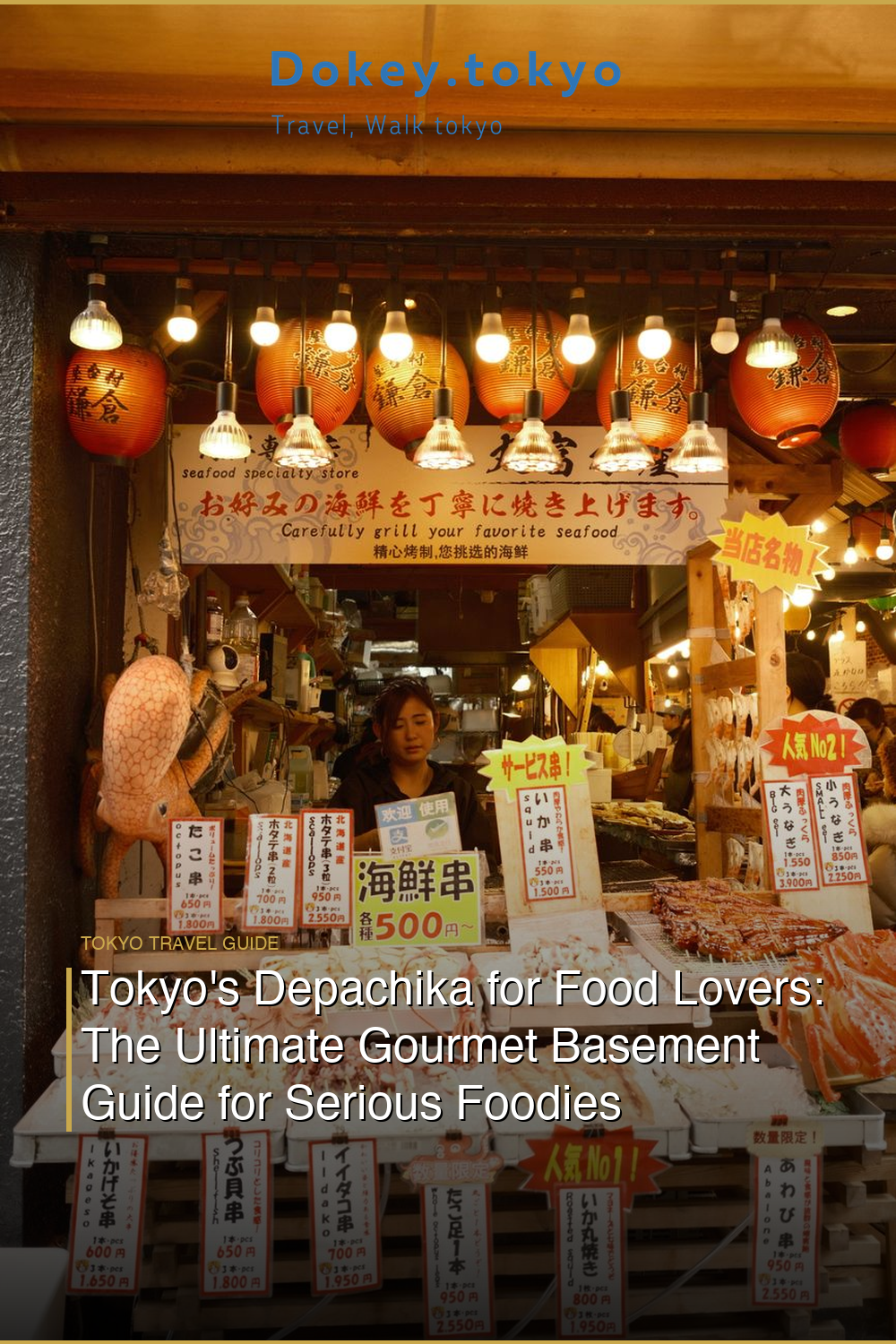
If you’ve ever stood in a Tokyo department store basement and felt your knees go weak from the sheer, overwhelming beauty of perfectly lacquered eel over glistening rice, or watched a white-gloved staff member wrap a single slice of melon cake like it was a Fabergé egg — congratulations, you’ve discovered depachika. Short for depāto (department store) and chika (basement), these underground food halls are not just places to shop. They are edible museums, competitive kitchens, and the truest expression of Japanese food culture you will ever encounter as a traveler.
The first time I descended the escalator into the basement of Isetan Shinjuku on a rainy Tuesday afternoon, the smell hit me before anything else — a warm, buttery cloud of freshly baked financiers from a tiny Pierre Hermé counter blending with the faint sweetness of mochi being pressed somewhere nearby. I stood at the bottom of that escalator for a full thirty seconds just breathing it in, completely ignoring the polite stream of shoppers flowing around me. My notebook was already out before I reached the first counter.
What Is a Depachika and Why Food Lovers Must Prioritize It
Most Tokyo travel guides treat depachika as a fun footnote — a quirky shopping experience you can squeeze in between Senso-ji and TeamLab. For serious food lovers, that’s like visiting Paris and treating the Louvre as a place to use the bathroom. Depachika deserve an entire dedicated half-day, possibly more.
These basement floors house hundreds of vendors — Japanese confectionery makers, French patisseries, regional specialty importers, sake purveyors, sushi counters, bento artisans, fresh noodle makers, and cheese shops — operating side by side in an atmosphere of quiet, focused excellence. Every product on display has earned its place. The competition to secure a counter in a premium depachika like Mitsukoshi Ginza or Takashimaya Shinjuku is fierce, and vendors know that Tokyo food shoppers are among the most discerning in the world.
For you as a culinary traveler, this means every single thing you taste here has been refined to near perfection.
The Must-Visit Depachika in Tokyo
🗾 Book on Viator: Shinjuku gourmet food tasting experience →
Isetan Shinjuku — The Gold Standard
If you visit only one depachika during your entire Tokyo trip, make it Isetan Shinjuku. Spread across two basement floors, it is the most comprehensive and consistently exciting depachika in the city. The B1 floor focuses on prepared foods, bento, and international delicatessen, while B2 is dedicated to sweets and confectionery — and it is on B2 where food lovers tend to lose track of time entirely.
Look for the seasonal wagashi displays from historic Kyoto confectionery houses like Toraya, whose red bean yokan has been made the same way for five centuries. Then pivot ninety degrees and you’re at a counter selling Danish-style kouign-amann fresh from the oven. This collision of culinary traditions — ancient Japanese craft alongside contemporary French technique — is what makes Isetan’s basement feel genuinely thrilling rather than just overwhelming.
Practical tip: Arrive when it opens at 10:30 a.m. on a weekday. By noon, the best bento boxes are half gone, and by 3 p.m. on a weekend, navigating the crowds requires actual strategy.
Mitsukoshi Ginza — Luxury, Precision, and the Best Chestnut Anything You’ll Ever Eat
Mitsukoshi Ginza skews slightly more luxury and slightly more traditional than Isetan. The atmosphere is quieter, the packaging even more exquisite, and the focus on seasonal Japanese ingredients is extraordinary. In autumn, the entire floor seems to transform into a shrine to kuri (chestnuts) — you’ll find chestnut mont blanc from multiple competing patisseries, chestnut dorayaki, chestnut soft cream, and chestnut jellies wrapped in gold foil.
One October visit, I overheard a staff member at the Pâtisserie Sadaharu Aoki counter explaining to a customer in careful English that the matcha ganache they were purchasing had a “best window” of exactly four hours after purchase. She then wrote the time on the box in pencil. That level of care is not unusual here — it’s the baseline expectation.
Takashimaya Times Square Shinjuku — Regional Japan in One Basement
For food lovers obsessed with Japan’s regional culinary diversity, Takashimaya’s basement is uniquely valuable. It stocks specialty products from prefectures across Japan that you’d otherwise have to travel to find — miso from Nagano fermented for three years, yuzu kosho from Oita, smoked fish from Hokkaido, and rice crackers from Niigata made with locally grown koshihikari.
This is where I discovered kakuni manju — braised pork belly stuffed inside a steamed bun — from a Nagasaki vendor tucked near the prepared foods section. I ate two standing at the tiny counter, then bought six more to eat in my hotel room that night. No regrets.
Shibuya Hikarie ShinQs — The Younger, Hipper Option
Not technically a traditional department store, but Hikarie’s food floors operate on depachika principles and attract a younger, more experimental vendor roster. This is where you’ll find creative Japanese-French fusion confectionery, specialty coffee paired with single-origin chocolate, and some of the most Instagrammable food packaging in Tokyo. Great for food lovers who want discovery alongside tradition.
How to Navigate a Depachika Like a Pro
The Sample Strategy
Depachika vendors give out samples freely and warmly, and this is not considered rude or exploitative — it’s part of the culture. Walk the entire floor once before buying anything. Accept samples graciously, make eye contact, say arigato gozaimasu, and take notes. By your second lap, you’ll know exactly what you want and from whom.
Build a Picnic Box
One of my favorite depachika rituals is assembling a premium picnic across multiple vendors — a couple of onigiri from the rice counter, a small portion of marinated mushrooms from the deli section, two or three pieces of premium sashimi, a small container of tamagoyaki, and a wagashi sweet to finish. Total cost is typically ¥1,500–¥2,500 (roughly $10–$17 USD), and the quality destroys any restaurant meal at twice the price.
Understand the Otameshi System
Many confectionery vendors sell individual pieces (not just full boxes) specifically so you can try before committing to a gift purchase. Ask for hitotsu (one piece) and you’ll almost always be accommodated with a smile.
Time Your Visit Around the Discount Window
This is the insider move that changes everything: arrive at a depachika between 6:00 and 7:30 p.m., when prepared food counters begin marking down their remaining bento, sushi sets, and deli items — sometimes by 20–50%. For food lovers traveling on any kind of budget, this is the most delicious happy hour in Tokyo.
What to Buy, What to Eat on the Spot, and What to Bring Home
🗾 Book on Viator: Tsukiji market fresh seafood tasting →
Eat immediately: Fresh sushi, bento boxes, croquettes (korokke) from the deli counter still warm from the fryer, and any soft cream or pudding with a same-day window.
Buy for your hotel: Premium dashi stock packets, miso paste in small sealed containers, single-serve sake, seasonal fruit jellies, and high-quality matcha for morning tea.
Bring home: Vacuum-sealed wagashi with longer shelf lives, high-grade green tea tins, artisan soy sauce, and individually wrapped confectionery designed for gifting — the packaging alone will make people at home gasp.
The Sensory Experience You Won’t Find Anywhere Else
🎫 Book on Klook: Tokyo Food Tours and Tastings →
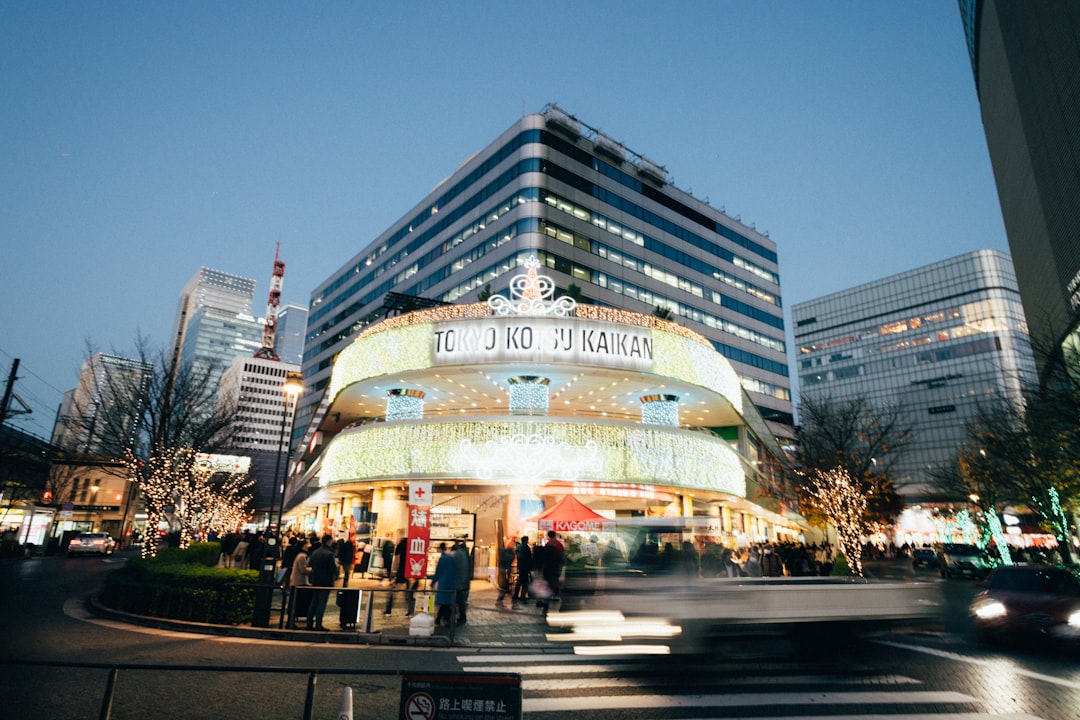
I remember standing at a tiny counter in Mitsukoshi Ginza’s basement on my fourth Tokyo trip, holding a single piece of namagashi — a hand-formed sweet designed to look like a maple leaf just beginning to turn red at its edges. The woman behind the counter had made it that morning. She watched me examine it and said quietly, in Japanese, “It is autumn in your hand.” I didn’t take a photo. I just ate it slowly, standing there, and it tasted like sugar and red bean and something I don’t have a word for in English.
Practical Depachika Tips for the Culinary Traveler
- Cash still reigns at many smaller depachika vendors, though larger counters increasingly accept IC cards and credit cards. Carry ¥5,000–¥10,000 in cash.
- Go hungry, not starving. If you arrive ravenous, you’ll overbuy and panic. A light breakfast beforehand gives you tasting clarity.
- Visit multiple depachika on the same trip. Each has a distinct personality and vendor mix. Isetan and Mitsukoshi within the same day is absolutely doable and deeply rewarding.
- Best seasons: Autumn (September–November) for chestnut, persimmon, and mushroom specialties; spring (March–May) for sakura-themed wagashi and strawberry confectionery. Both seasons bring out the most creative and limited-edition offerings.
- Use Google Translate’s camera function on any Japanese-only labels — it’s not perfect but it works well enough to know whether you’re about to eat red bean or white miso.
A depachika is not a detour from a Tokyo food trip. For a serious culinary traveler, it is the food trip — concentrated, accessible, impossibly refined, and deeply, specifically Japanese in a way that no restaurant reservation can fully replicate. Go down the escalator. Follow your nose. Buy the thing in the beautiful box. You will not regret a single yen.
Ready to experience it?
🗾 Book on Viator: Shibuya local eateries food tour →