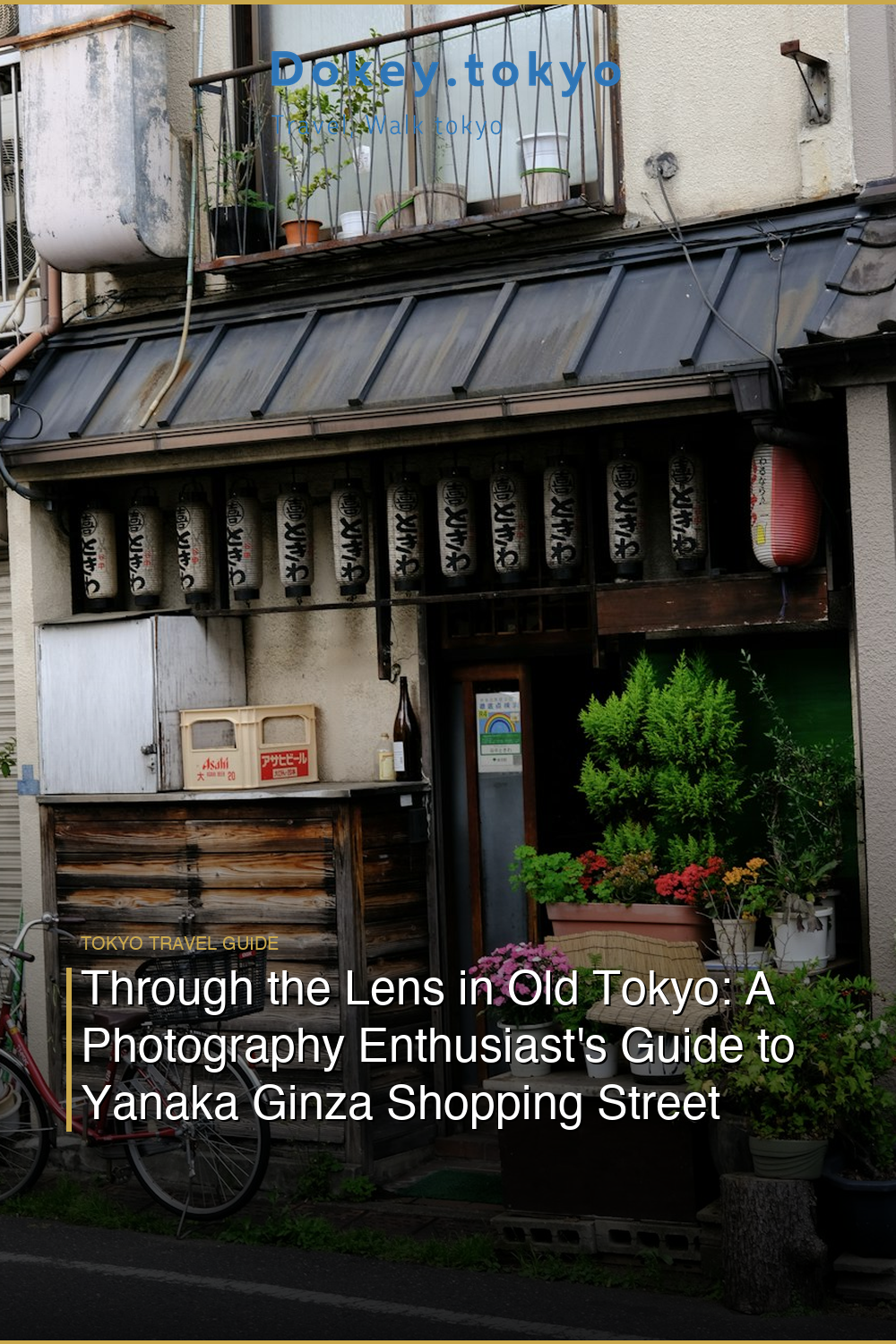
If you’ve been chasing neon signs in Shinjuku and perfectly composed temple shots in Asakusa, I need you to stop what you’re doing and take the Chiyoda Line to Nippori Station. Yanaka Ginza — a narrow, 170-meter covered shopping street tucked into one of Tokyo’s last surviving shitamachi (old downtown) neighborhoods — is the single most rewarding place I’ve ever pointed a camera in this city. It doesn’t look like the Tokyo on your mood board. There are no skyscrapers, no Shibuya scrambles. What you get instead is peeling paint on wooden shop facades, handwritten price tags fluttering in the breeze, elderly shopkeepers arranging dried fish at dawn, and cats — everywhere, cats — sleeping in doorways like they own the place. Which, honestly, they do.
I still remember the first time I climbed the Yuyake Dandan steps — that famous flight of 36 stone stairs that descends into the shopping street from the north — just as the late afternoon sun broke through a gap in the clouds. The whole street turned amber. A woman in an apron stepped out of a yakitori shop to hang a red lantern, and without thinking, I raised my camera and fired three frames in a row. When I reviewed them that night in my guesthouse, frame two was the shot I’d been trying to get for three trips to Tokyo.
Why Yanaka Ginza Is a Photographer’s Dream
🗾 Book on Viator: Professional photography tour with exper →
Yanaka Ginza survived the 1923 Great Kanto Earthquake, the Allied firebombing of World War II, and Tokyo’s postwar development boom largely intact. Walking into it feels less like visiting a tourist attraction and more like accidentally slipping through a seam in time. For photographers, that historical continuity means authenticity you simply cannot manufacture: genuine patina, unplanned compositions, real human life unfolding without any awareness of its own charm.
The street’s compressed layout — shops shoulder-to-shoulder along a single pedestrian lane, covered with a partially open roof that filters light beautifully — creates natural leading lines that even beginner photographers will instinctively feel. And because it’s a working neighborhood market, not a curated heritage site, the subjects are real: a butcher wiping his hands on a white cloth, schoolchildren buying taiyaki, an old man in a yukata reading a newspaper outside a tofu shop.
The Golden Hour Shooting Window
Why 4:30–6:00 PM Is Non-Negotiable
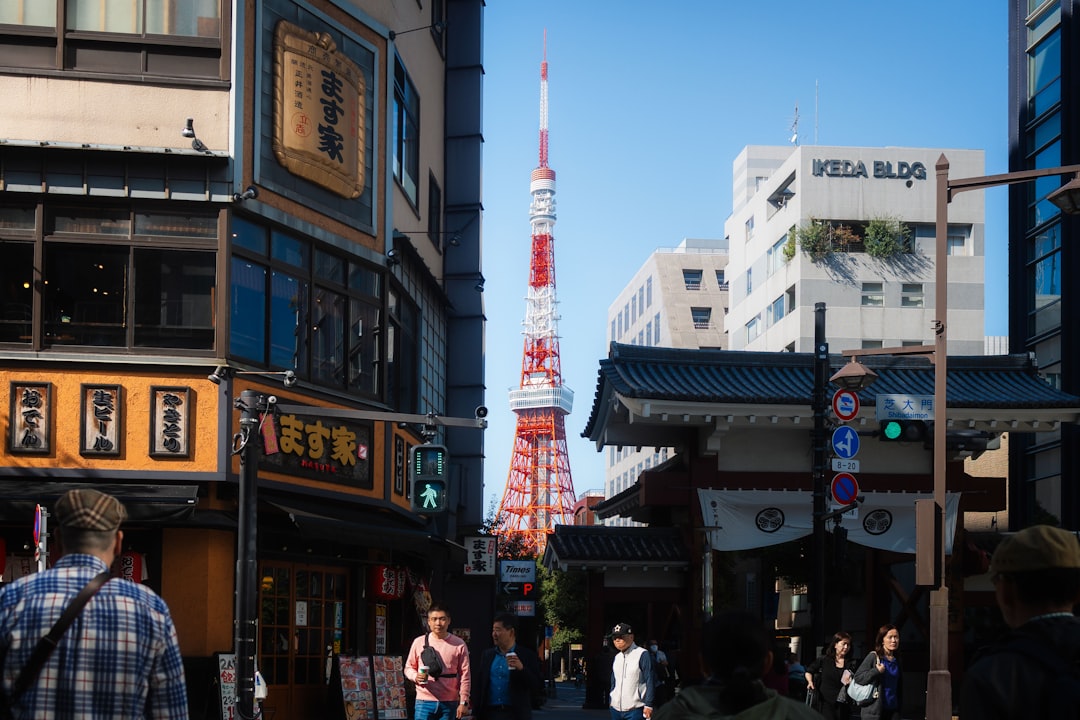
I’ve shot Yanaka Ginza at every hour of the day across multiple visits, and I can tell you with absolute certainty: the 90-minute window between 4:30 and 6:00 PM is magic. The sun drops low enough to clear the roofline and pour sideways light directly down the street, catching dust motes in the air and turning every wooden surface a deep, warm honey color. The shops are fully open, the street is busy with locals doing their evening shopping, and the lanterns above the storefronts start to glow — all at the same time.
Arrive at Yuyake Dandan (the stone staircase) by 4:15 PM to secure a position near the top of the steps. This elevated vantage point compresses the street below into a gorgeous telephoto-worthy composition, especially if you bring a 70-200mm lens or even shoot at the long end of a kit lens. Look for a cat — and there will be a cat — to anchor your foreground.
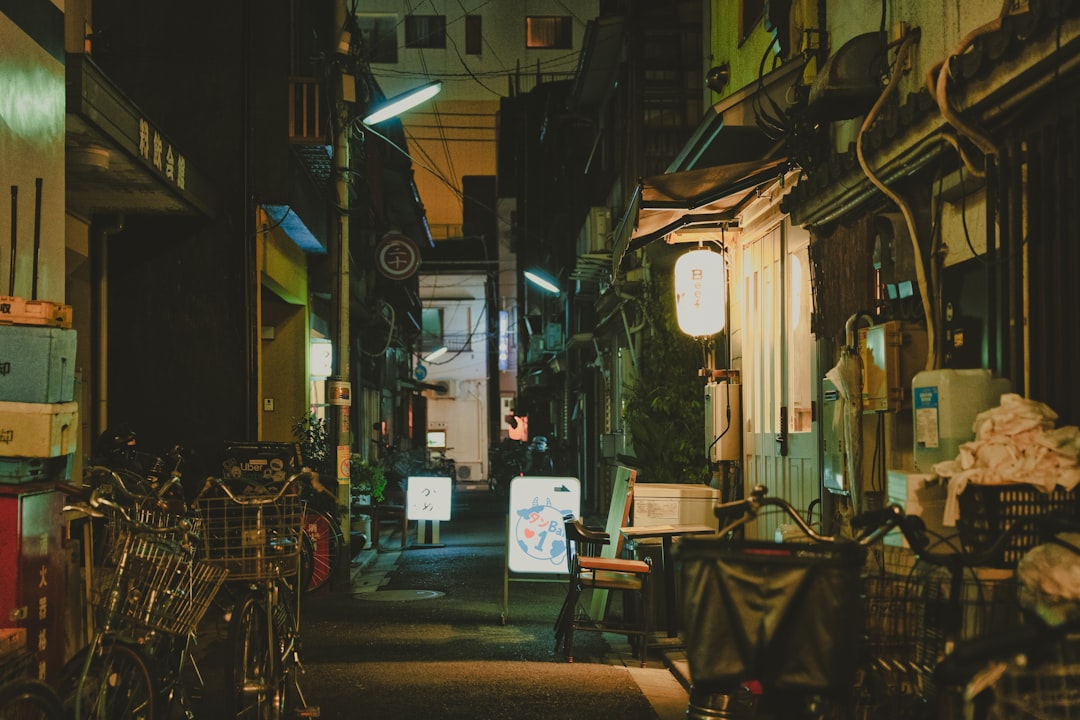
Morning: The Hidden Quiet Hour
If golden hour crowds concern you (and by 5:00 PM on weekends it can get busy), arrive before 8:00 AM. The street is near-empty, several shops are restocking their windows, and the overhead light is soft and directional. This is when I discovered my favorite detail shot in all of Yanaka: a single wooden shop sign for a dried goods store that had been hand-repainted so many times you could see the ghost of four previous versions of the same kanji layered beneath the current one. I asked the shop owner about it in broken Japanese, and he laughed and said it was older than his grandfather. That sign has now appeared in my photography workshop as a lesson in texture and time.
Must-Photograph Spots Along the Street
🗾 Book on Viator: Guided photoshoot in historic Asakusa ar →
Yuyake Dandan (Sunset Steps)
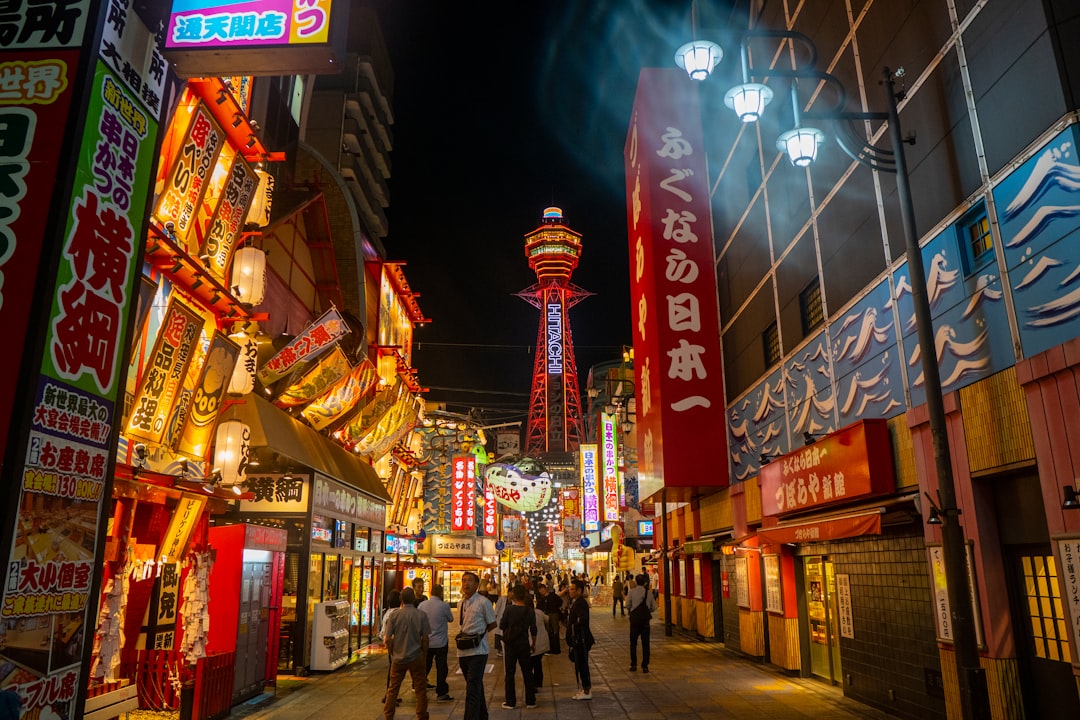
This is your establishing shot. Shoot from street level looking up at the steps, use a wide aperture to blur the figures descending, and let the tiled rooflines frame the top of the frame. Alternatively, position yourself at the top and shoot straight down the staircase with the shopping street visible at the bottom — at golden hour, this creates a natural tunnel of warm light.
The Cat Statues and Real Cats
Yanaka is famously a cat neighborhood. There are ceramic cat figurines in shop windows, painted cats on shutters, and actual living cats stationed throughout the street like furry, indifferent art installations. Bring a 50mm or 85mm prime lens for cat portraits — the compressed background makes the wooden shopfronts pop beautifully behind them. The best real-cat spot is the alley to the left of the melon pan bakery, where a gray tabby I’ve personally seen on three separate visits seems to live permanently beside a ceramic planter.
Shop Facade Details
Put your wide-angle away for a few minutes and work in close. The typography on handwritten price boards, the grain of weathered wood panels, the way a bolt of noren fabric catches light at a shop entrance — these detail shots are what separate a travel photography portfolio from a snapshot collection. Look for the contrast of a modern product (a canned coffee, a smartphone) inside a shop interior that looks completely unchanged from 1960.
What to Eat (And How to Photograph It)
Melon Pan, Menchi Katsu, and the Art of the Food Shot
Yanaka Ginza has a dense concentration of street food vendors, and several of them are legitimately excellent. The freshly baked melon pan (sweet bun with a crispy sugar crust) from the stand near the entrance is a classic — still warm, slightly crackly on the outside. For a more dramatic food shot, get the menchi katsu (deep-fried minced meat cutlet) from the butcher shop Nikuya Suzuki and shoot it immediately against the light: the steam rising from the cut surface with the blurred street behind it photographs beautifully.
Drink-wise, pick up a bottle of ramune or a canned matcha from one of the small grocers, find a spot on the stone steps or a side alley, and simply sit. Some of my favorite Yanaka shots have come from pausing long enough for life to happen in front of me. If you’re hungry for more detailed food exploration, check out Tokyo’s Tastiest Morning: A Food Lover’s Ultimate Guide to the Tsukiji Outer Market Food Tour for other neighborhoods worth visiting for culinary photography.
Practical Photography Tips for Yanaka Ginza
Gear Recommendations
You don’t need a heavy kit. My go-to setup for this street is a mirrorless body with a 35mm f/1.8 as the primary lens and a 85mm f/1.8 for portraits and compressed street shots. A small, light tripod or gorilla pod is useful for early morning low-light shooting but leave the big tripod at the hotel — the street is narrow and tripods during busy hours are genuinely inconsiderate to the shopkeepers and other visitors.
Asking Permission
This matters. Yanaka’s shopkeepers are warm and often curious, but they’re running real businesses, not posing for travel content. A simple “shashin wo totte mo ii desu ka?” (“May I take a photo?”) goes an extraordinary long way. I’ve had shop owners invite me behind their counters, show me family photos on the wall, and once — at a tiny pickled vegetable shop — press a small paper bag of yuzu kosho pickles into my hand as a gift simply because I’d asked politely before photographing their gorgeous window display.
Best Days to Visit
Weekday mornings are the least crowded and most authentic. Weekend afternoons bring local families and some tourists, which adds human life to your frames but requires patience for uncluttered compositions. Avoid major Japanese holidays unless you specifically want crowd photography.
Extending Your Shoot Into Yanaka Cemetery and Beyond
🗾 Book on Viator: Tokyo night photography tour private opt →
Yanaka Ginza is actually the commercial spine of a larger neighborhood worth a full day of shooting. Yanaka Cemetery, just a short walk north, is one of Tokyo’s most atmospheric spots for both cherry blossom season (late March–early April, when the main path becomes a canopy of pink) and autumn foliage (November, when the zelkova trees turn deep gold). The cemetery’s wide alleys, old stone monuments, and dappled light filtering through mature trees offer a dramatically different visual palette from the busy shopping street below. For another perspective on Tokyo’s historic neighborhoods, explore Tokyo on a Shoestring: A Budget Traveler’s Guide to Kuramae Nakamise Shopping Street, another remarkable shopping street with deep roots in the city’s past.
The surrounding residential lanes of Yanaka, Nezu, and Sendagi — collectively called the Yanesen area — are equally rewarding: traditional machiya townhouses, neighborhood shrines draped in moss, and the occasional glimpse of someone’s perfectly maintained garden visible through a wooden gate.
At around 5:45 PM on my last visit, I sat on the bottom step of Yuyake Dandan with a still-warm melon pan in one hand and my camera in the other. The lanterns above the street had fully switched on, casting orange pools of light on the cobblestones, and a group of three elderly women were laughing about something outside the tofu shop. I didn’t raise the camera for that one. Sometimes the right response to a beautiful place is to just be inside it.
Yanaka Ginza won’t give you the Tokyo you’ve seen on Instagram. It’ll give you something much rarer: the Tokyo that was already here, patient and unhurried, waiting for someone to actually look.