If someone had told me five years ago that one of my absolute favorite days in Tokyo would be spent on a forested mountain — not in a sushi bar or a neon-lit alley — I might have raised an eyebrow. But Mount Takao, or Takao-san as the locals call it, has quietly become the trip I recommend most passionately to anyone who asks me where to go beyond the city. And for senior travelers especially, this is not just a hike. It’s a full, deeply satisfying day that balances nature, culture, spirituality, and food in a way that’s almost impossibly well-organized by Japan itself.
I remember stepping off the Keio Line at Takaosanguchi Station on a crisp October morning, the air already carrying that unmistakable smell of damp cedar and cool mountain earth. After days in Tokyo — all concrete and compressed humanity — the sound of wind moving through old-growth trees hit me like a glass of cold water. I stood on the platform for a moment longer than I needed to, just breathing it in, watching an elderly Japanese couple adjust each other’s hiking poles with the quiet efficiency of people who had done this a hundred times before.
Why Mount Takao Is Made for Senior Travelers
🎫 Book on Klook: Mt. Takao cable car / chair lift day tri →
Let me be straightforward with you: Mount Takao (599 meters) is not a grueling expedition. It’s one of the most visited mountains in the world — yes, the entire world — and a huge reason for that is accessibility. The trail system is genuinely thoughtful, and the presence of a cable car and chairlift means you have real options to customize your effort level without sacrificing the experience.
For seniors, this matters enormously. You are not choosing between “doing it properly” and “taking the easy way out.” You are simply choosing the version of this mountain that fits your body on that particular day. Japan has an enormous senior hiking culture, and the infrastructure reflects it. The paths are maintained, signposted in English and Japanese, and lined with rest benches at regular intervals. You will not feel out of place moving slowly or stopping often.
The Cable Car: Your Best Friend on the Ascent
The Takao-san Cable Car (officially called the Takao-san Ropeway) departs from just a short, flat walk from the station. It runs every 15 minutes and covers the steepest section of the mountain in under 7 minutes, depositing you at Takaosan Station at 472 meters. From here, the walk to the summit is a comfortable, gently graded 40 to 50 minutes on Trail 1, the most popular route.
Take the cable car up. I cannot stress this enough. Save your knees and energy for the summit and the descent — or for the temple visit, which deserves your full attention. The ride itself is genuinely enjoyable, tilting steeply through dense Japanese cedar forest, and on clear mornings the light filters through the canopy in a way that feels almost staged for a film.
The chairlift is an alternative that runs parallel, and while it’s charming — open-air, swinging gently over the treetops — I personally find the enclosed cable car more comfortable and better suited for those with any balance concerns. Both require a separate ticket purchased at the base station.
Yakuoin Temple: The Heart of the Mountain
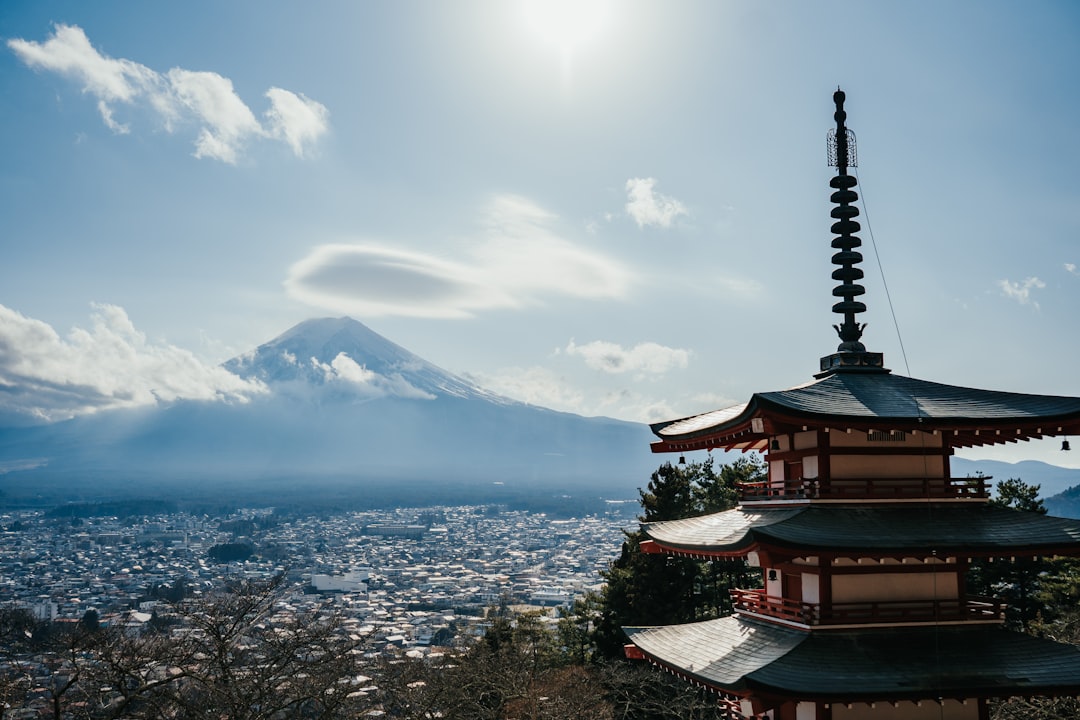
Halfway between the cable car exit and the summit sits Yakuo-in, a Buddhist temple complex that has occupied this mountain since 744 AD. This is not a museum piece. It is actively worshipped, incense-heavy, and alive in a way that stops you mid-step.
The main hall is dedicated to Izuna Daigongen, a syncretic deity combining Buddhist and Shinto elements, and the temple is particularly associated with tengu — the long-nosed supernatural mountain spirits you’ll see carved and painted everywhere. Their red faces peer at you from lanterns, gates, and wooden plaques. It sounds eccentric; in person, it’s magnificent.
Move slowly through here. Sit on one of the stone steps if your legs need rest. Watch the monks. Read the English-language signs explaining the rituals. On my third visit, I arrived just as a small group of monks were performing a fire ceremony in the main courtyard — the smell of burning cedar resin, the low rhythmic chanting, the smoke drifting up through the cedar canopy overhead. A monk near the entrance noticed me standing there with my mouth slightly open and simply nodded, as if to say: yes, this is real, and yes, you’re welcome here.
Practical Tips for Moving Through the Temple
Wear slip-on shoes or shoes that don’t require complicated bending if you plan to enter any of the inner halls — removing and replacing footwear multiple times is part of the experience. Walking poles are perfectly acceptable throughout the entire route, including the temple grounds. There are accessible restrooms at the cable car station exit and again near the temple — note both locations before you head up because they are clean, free, and well-spaced.
The Summit and the View That Makes It All Worth It
🗾 Book on Viator: Hike Mt. Takao & Relax in Onsen →
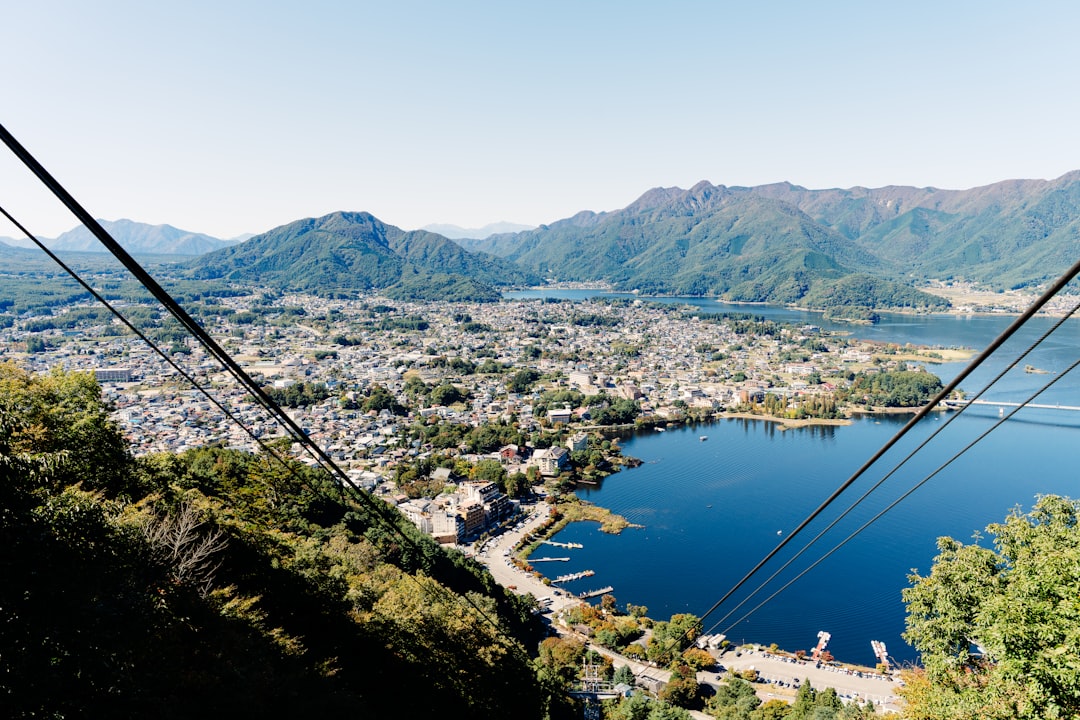
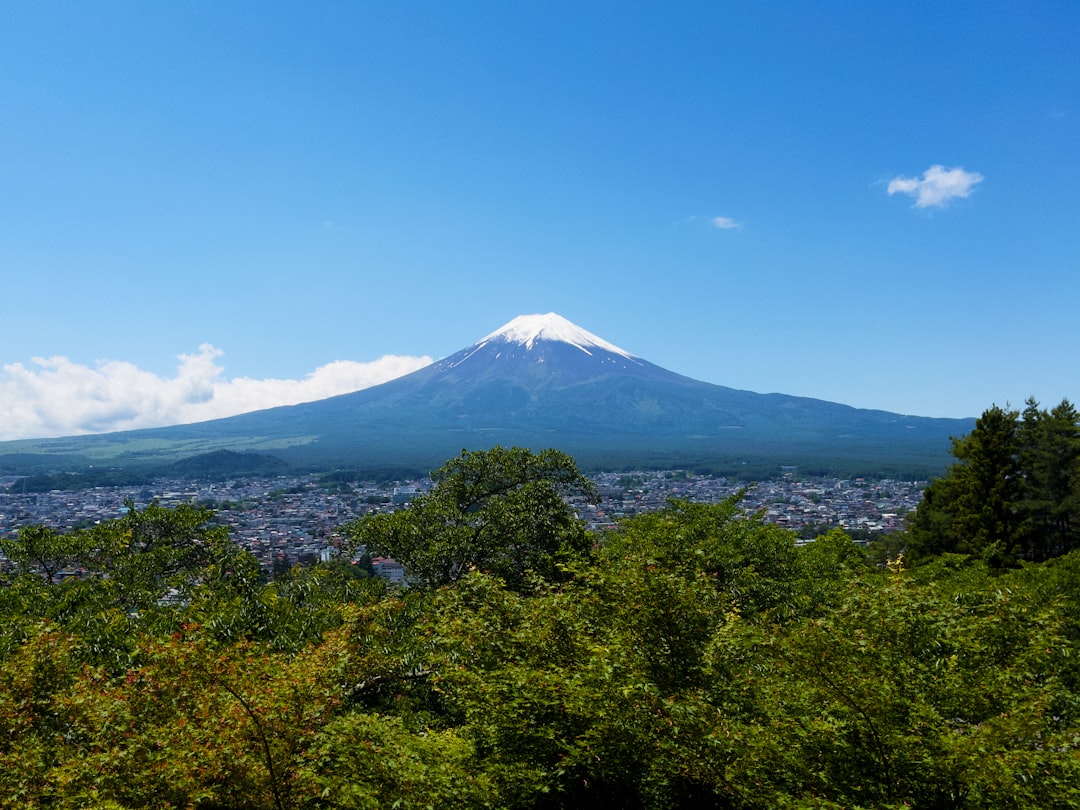
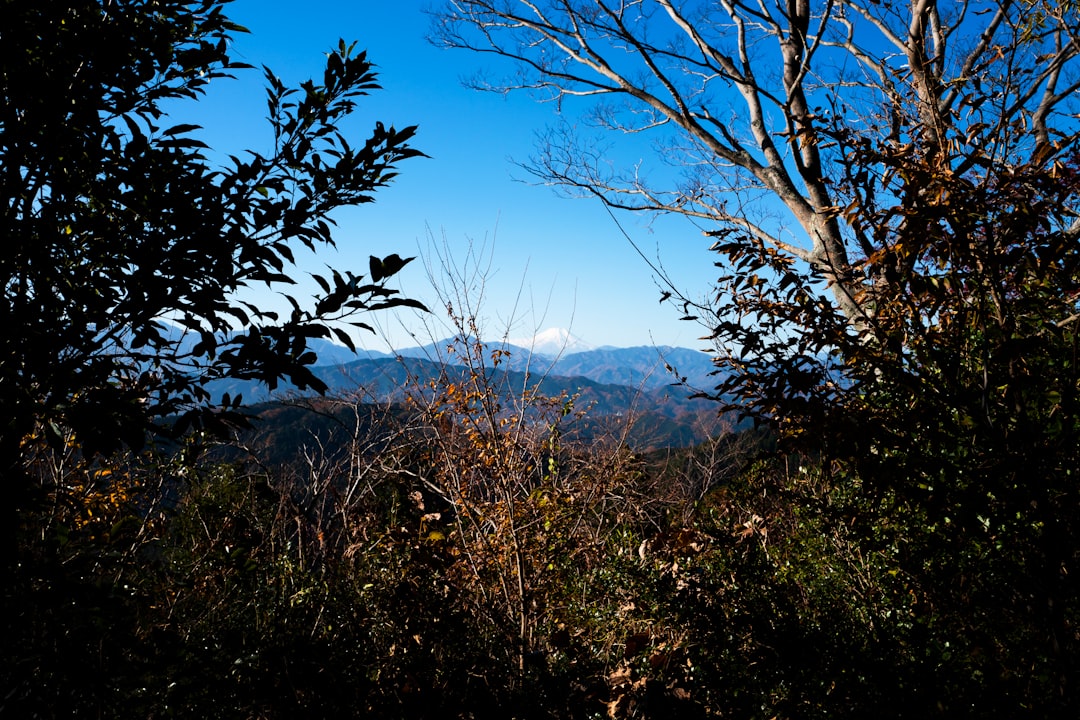
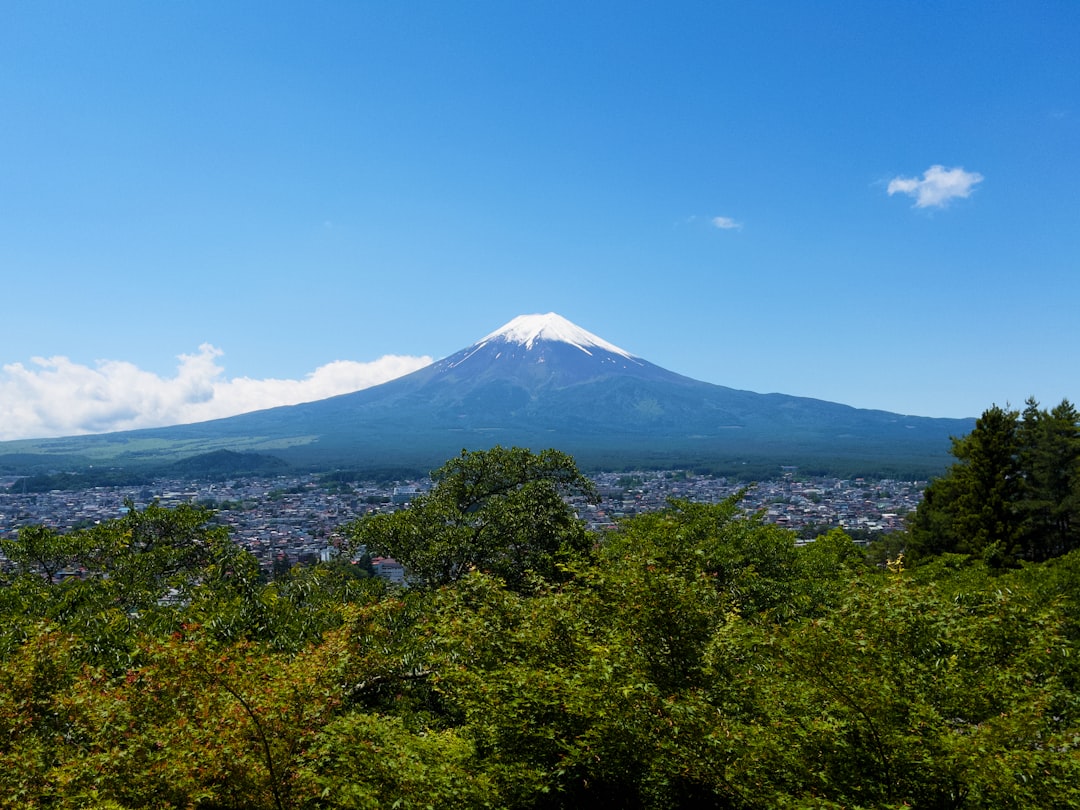
The summit observation deck at 599 meters is a flat, open platform with benches, a small souvenir shop, and — on clear days between late November and early March — an unobstructed view of Mount Fuji floating above the horizon in perfect snow-capped geometry. I have seen it twice in winter, once at sunrise from the very top, and both times I felt that specific mix of smallness and gratitude that only truly beautiful landscapes produce.
Even without Fuji, the panoramic view of the Kanto Plain stretching toward Tokyo is remarkable. On autumn weekends, the surrounding slopes blaze with momiji — Japanese maple foliage — turning the entire mountainside into something between a painting and a dream. Late November is arguably the best time to visit for this reason, though early spring cherry blossoms on the lower trails run a very close second.
Plan to spend at least 20 to 30 minutes at the summit. There are benches. Use them. Eat your snacks. Let your body rest while your eyes do the work.
Eating and Drinking on the Mountain
Mount Takao has a surprisingly robust food culture for a day hike. The area around the cable car midstation and the summit is known for tororo soba — buckwheat noodles served with grated mountain yam — and this is genuinely the thing to eat here. It’s earthy, slightly glutinous, deeply savory, and has been the mountain’s signature dish for over a century.
I had my first bowl of tororo soba at a small restaurant called Ukai Tororo-an, tucked into the forest near the cable car base, just as the late afternoon light was going golden and a group of elderly hikers at the next table were arguing cheerfully about the best descent route. The yam had this extraordinary silky texture poured over perfectly cold soba noodles, with a dashi broth so clean and precise it tasted like the mountain itself had seasoned it. Order it. Don’t think about it. Just order it.
For those who prefer a lighter snack mid-hike, there are stalls selling yakitori (grilled skewers), manju (sweet filled buns), and hot matcha tea near the Yakuo-in temple approach. Hot tea and a bench in a cedar forest is, I want to be clear, one of life’s underrated pleasures.
Getting There: Simpler Than You Think
From Shinjuku Station, take the Keio Line Limited Express directly to Takaosanguchi Station. The journey takes approximately 50 minutes and costs around 400 yen — no bullet train, no transfers, no stress. The train is comfortable and runs frequently throughout the day. I always aim for a 9 AM departure from Shinjuku, which puts you at the cable car before the mid-morning crowds build up.
For those staying in other parts of Tokyo, the JR Chuo Line to Takao Station connects to the Keio Line for a one-stop hop to Takaosanguchi. IC cards (Suica or Pasmo) work seamlessly throughout.
What to Bring
Light layers are essential — the summit is noticeably cooler than the base, especially in autumn and winter. Comfortable walking shoes with grip are sufficient for Trail 1; you do not need hiking boots. A small day pack with water, a snack, and a light rain layer covers almost every scenario. Walking poles are genuinely helpful on the descent, which is steeper than it feels on the way up.
One Last Moment Before You Go
On my most recent visit, I descended via Trail 4 — a quieter, forested path that follows a small mountain stream — just as the last light of the afternoon was catching the water. I stopped at a wooden bridge barely wide enough for two people, watching the stream move over smooth stones while somewhere above me a temple bell rang three times, slow and round, the sound dissolving into the cedar trees. My feet ached pleasantly. I had walked enough. I had seen enough. And yet I stood there for another ten minutes, not wanting to leave something that felt that complete.
Mount Takao gives you that. Not adventure in the dramatic sense, but something quieter and more lasting: the feeling of a day fully inhabited. For senior travelers who want nature, culture, and beauty without physical punishment, there is genuinely no better day trip from Tokyo. Book the train. Take the cable car. Eat the soba. The mountain will do the rest.
Ready to experience it?