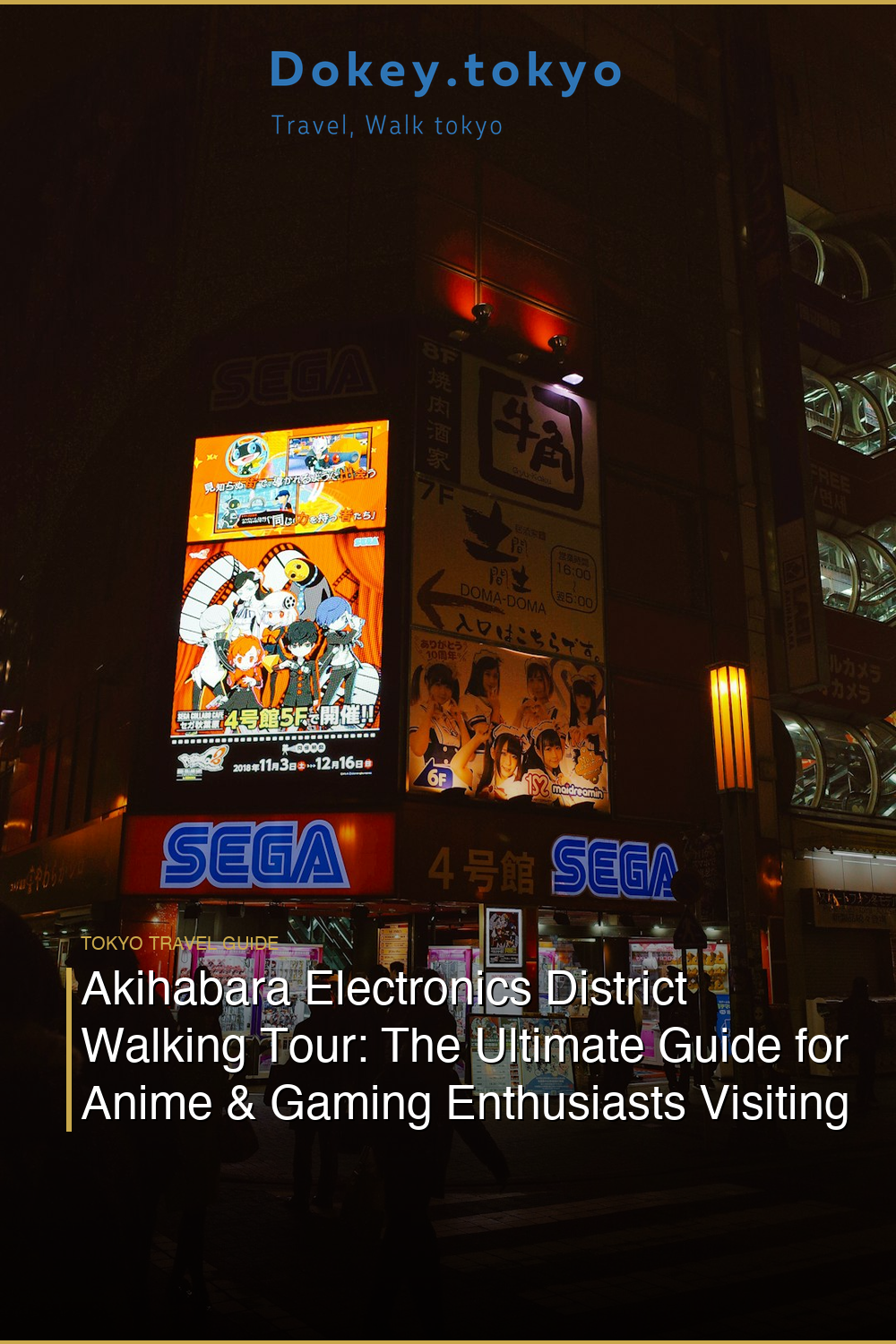
If you’ve spent years watching anime, collecting figures, or hunting down retro cartridges online, walking into Akihabara for the first time will feel like the universe finally delivered on a promise it made you a long time ago. This isn’t just a shopping district — it’s a living, breathing monument to otaku culture, where eight-story buildings are dedicated entirely to figures, where the smell of fresh solder drifts out of electronics repair shops, and where you can buy a working Famicom for less than a bowl of ramen. For first-time visitors especially, Akihabara can feel overwhelming in the best possible way, and without a plan, it’s easy to spend four hours wide-eyed and disoriented and somehow end up with a bag full of things you didn’t know you needed.
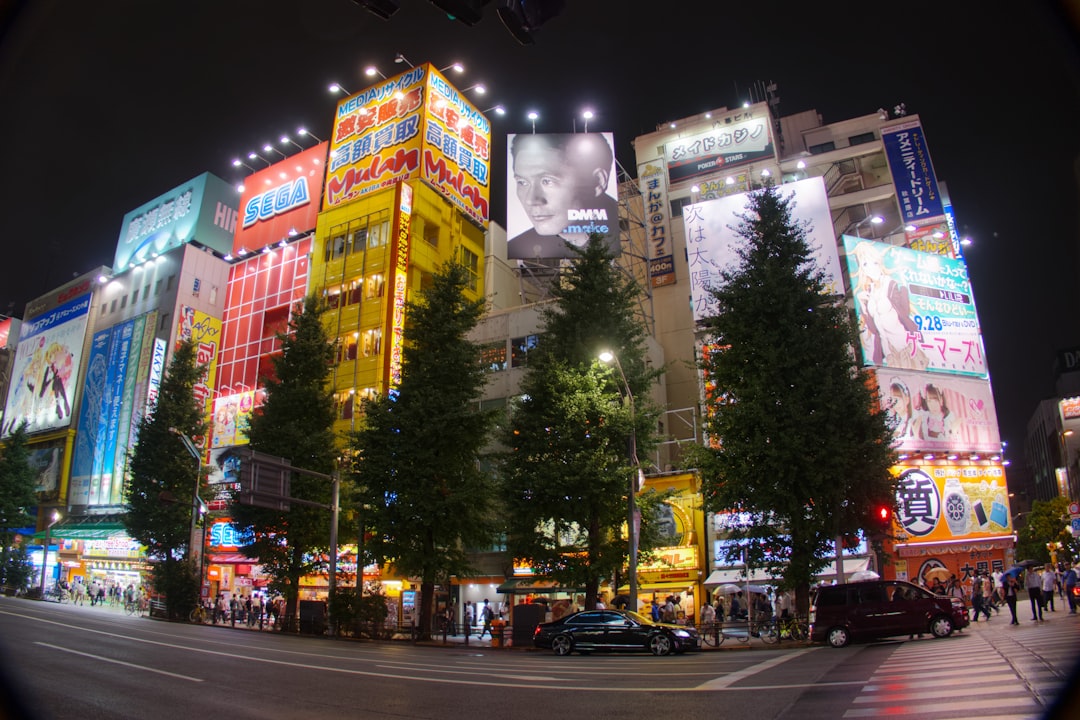
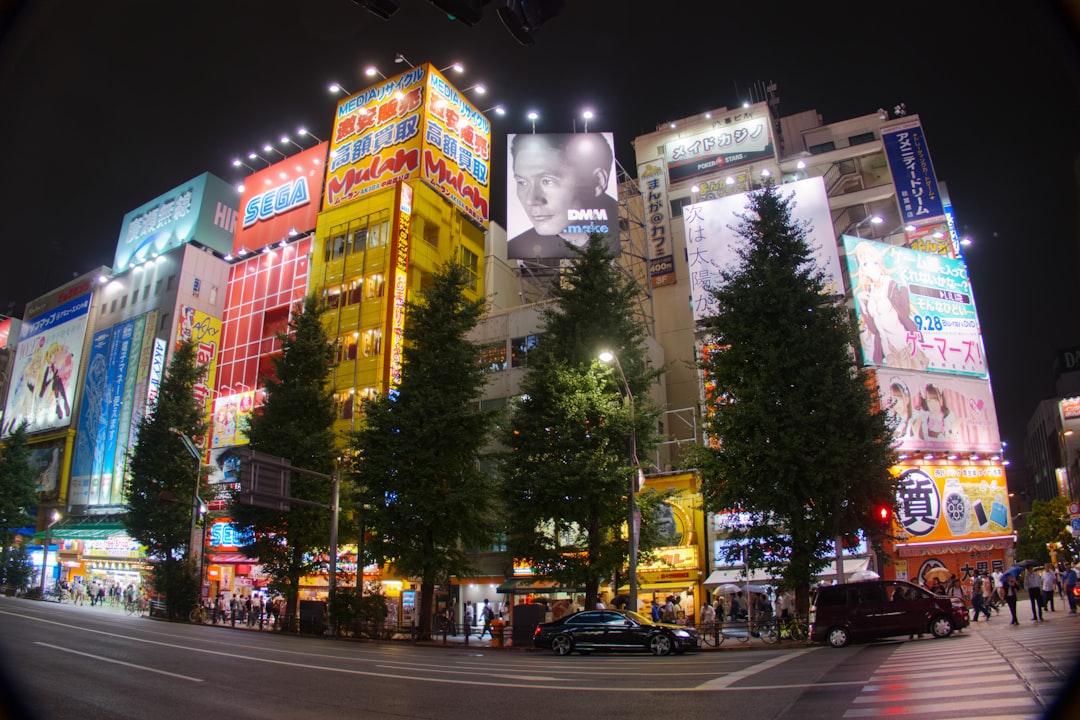
I still remember stepping out of Akihabara Station on my first visit — it was a Tuesday evening in late October, just after 6 PM, and the neon signs were blinking awake against a bruised purple sky. The sound hit me before the visuals did: J-pop blasting from a rooftop speaker, a vendor outside Don Quijote calling out in cheerful rapid-fire Japanese, and somewhere beneath it all, the faint synthetic chime of an arcade game leaking through a propped-open door. My stomach was full of nerves and cheap convenience store onigiri, and I stood there on the pavement for a solid minute just turning in slow circles, trying to figure out where to even begin.
How to Approach Your First Akihabara Walk
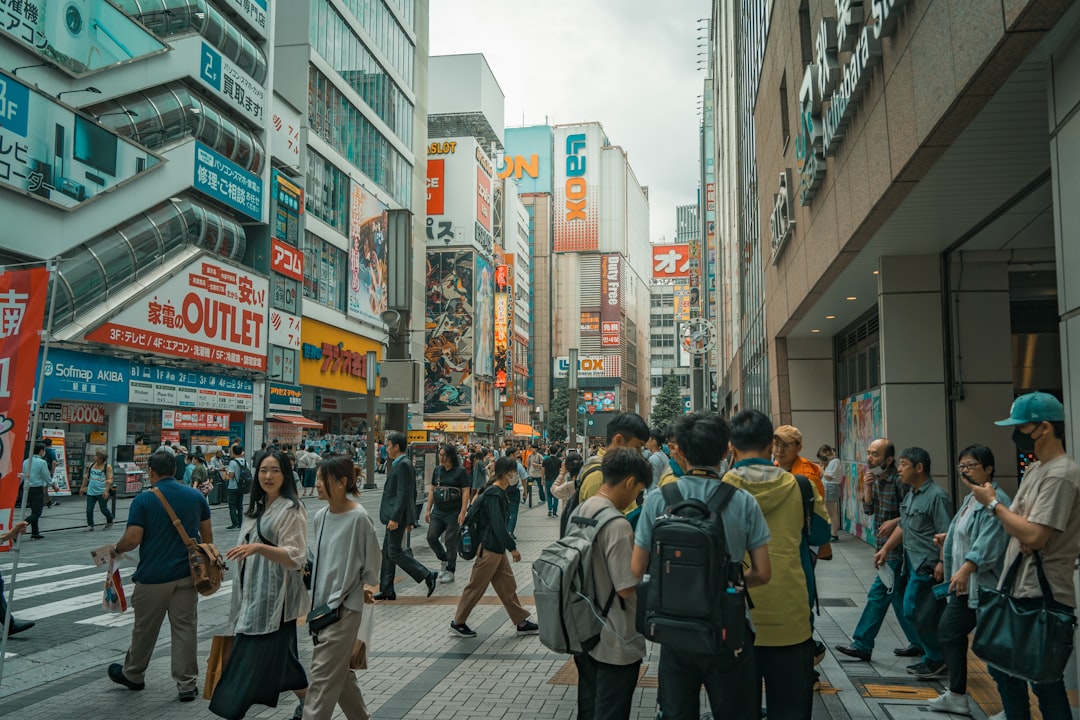
Before you even think about entering a single shop, walk the length of Chuo-dori — the main boulevard — from Akihabara Station down to Suehirocho. This takes about fifteen minutes if you don’t stop, but you will stop, because there are maids handing out flyers, display windows full of life-size figures, and alleyways that open into dense clusters of specialty shops. This first pass is your orientation lap. Note what catches your eye, what you want to come back to, and crucially — where the elevators are, because the real treasure in almost every building here is above the second floor.
Start with the Landmark Buildings First
Yamada Denki LABI and Yodobashi Camera Akiba are the two electronics megastores that bookend the district, and for a first-timer they’re genuinely useful starting points — not because they’re the most exciting, but because they’ll calibrate your sense of what’s a fair price. Yodobashi in particular is enormous, and its gaming floor alone could occupy you for an hour. You’ll find current-gen consoles, accessories, and a wall of gaming peripherals that will make you question every setup decision you’ve ever made.
But the shops I’d push you toward faster are the mid-sized specialty stores that line the side streets running perpendicular to Chuo-dori. Streets like Radio Kaikan-dori are where Akihabara starts revealing its real personality.
The Shops You Absolutely Cannot Miss
🗾 Book on Viator: Akihabara anime, manga, games tour →
Radio Kaikan: Eight Floors of Pure Otaku Heaven
Tokyo Radio Kaikan is the building that first-time visitors most consistently call a turning point — the moment Akihabara stops being a place and becomes an experience. The building is divided among dozens of individual vendors selling everything from garage kits and doujinshi to vintage Gundam models and hand-painted figures. Spend at least an hour here, and don’t ignore the upper floors. The atmosphere gets quieter and more obsessive as you ascend, and that’s exactly where the serious collectors and the most knowledgeable vendors are.
Super Potato: A Pilgrimage Site for Retro Gamers
If you’ve ever loved a game console made before 2000, Super Potato is going to make your heart do things. Located on a side street off the main drag, this retro gaming shop is spread across multiple floors and stocks working cartridges, consoles, and accessories for everything from the PC-88 to the Super Famicom to the Sega Saturn. The cartridges are tested, graded, and priced fairly — cheaper than eBay once you factor in that you’re holding the actual Japanese original in your hands.
I found a complete-in-box copy of Castlevania: Symphony of the Night for the Saturn on my second visit, tucked between two beat-up racing games on the third floor. The shop owner — an older man in a Konami t-shirt — noticed me staring at it and said in careful English: “Very rare. Very good game. You know it?” I did know it. I bought it immediately and probably paid too much, but the conversation alone was worth the difference.
Kotobukiya and Volks: For the Figure Collectors
Kotobukiya has its own flagship store in Akihabara, and it’s a must-see even if you’re not planning to buy. The display floors are meticulously curated, and the limited-edition figures available only at this location make it a genuine destination for collectors. Volks, meanwhile, is where you go when you’re ready to get serious — their dollfie dream figures and garage kit supplies attract a devoted crowd who spend hours comparing resin parts and discussing paint techniques in tones usually reserved for religious ceremonies.
Sofmap and Mandarake: Second-Hand Is the Move
For first-time visitors on a budget — or anyone who wants to stretch their yen — Sofmap’s used merchandise floors and Mandarake Complex are essential stops. Mandarake in particular is a multi-floor shrine to second-hand anime goods, manga, cosplay accessories, and vintage merchandise. The prices are honest, the selection is absurd, and the atmosphere is the closest thing to a physical internet rabbit hole that currently exists. Budget two hours and go hungry, because you won’t want to leave.
Gaming Culture Beyond the Shops: Arcades and Maid Cafés
The Arcade Experience You Need to Have
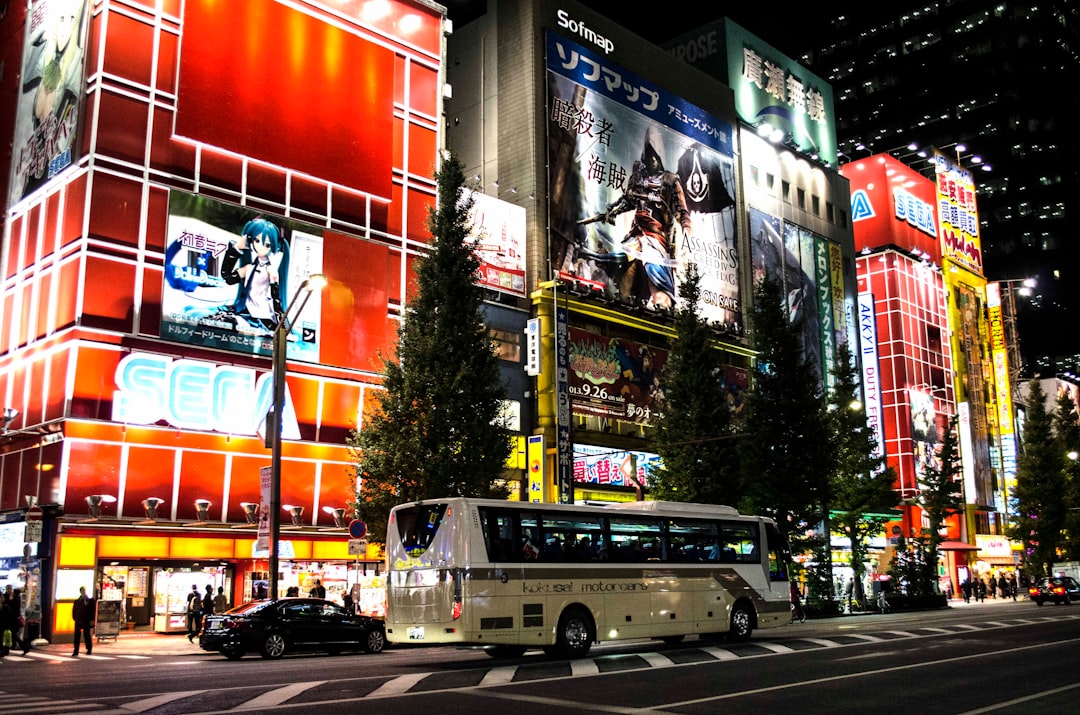
GiGO (formerly SEGA) Akihabara is the most famous arcade in the district, and its crane game floors are a legitimate cultural experience — not just for tourists but for Tokyo residents who come specifically to play. The rhythm game floors, particularly the ones housing Taiko no Tatsujin and Dance Dance Revolution cabinets, are social spaces where regulars perform for small crowds of admirers. Even if you’re terrible at these games (I am), watching someone else play at expert level is mesmerizing.
Maid Cafés: Go Once, Go Curious
For first-time visitors, a maid café visit is worth doing at least once, and @home café is the most newcomer-friendly option. The experience is deliberately theatrical — the maids use honorifics, the food is decorated with cartoon faces, and ordering involves small ritualistic phrases the staff will teach you. It costs more than a regular café (budget around ¥2,000 for a drink and a light dish), but you’re paying for something that doesn’t exist anywhere else, which makes it a reasonable deal.
Eating and Drinking in Akihabara
Honestly, Akihabara is not a food destination — it’s a shopping destination with food options. That said, you should know that the basement food halls of the larger electronics buildings have solid bento and onigiri, the ramen shops on the side streets are cheap and filling, and the convenience stores (there are several 7-Elevens and Lawsons within easy walking distance) are genuinely your best option for a quick energizing snack mid-walk. The beef bowl chain Yoshinoya has a branch right near the station, and a large gyudon with egg will cost you less than ¥600 and fuel you for another three hours of shopping.
Practical Tips for First-Time Visitors
Timing matters more than you think. Weekday afternoons — Tuesday through Thursday, between 2 PM and 6 PM — are the sweet spot. Weekend afternoons bring enormous crowds, especially near the maid café strips, and the side streets can become difficult to navigate. Sunday mornings, however, when part of Chuo-dori closes to traffic, are genuinely magical for a slow walk.
Bring cash. Most small specialty shops and individual vendors within buildings like Radio Kaikan are cash only. There are ATMs inside the larger convenience stores, but having ¥10,000 to ¥20,000 in cash when you arrive will save you significant frustration.
Ask before photographing. Some shops prohibit photography inside, and in areas where cosplayers or performers are present, asking permission is both polite and almost always rewarded with a yes and a smile.
Leave room in your luggage before you arrive. This sounds obvious until you’re standing at a checkout counter with a figure box that absolutely will not fit in your carry-on.
One Moment That Captures Everything
It was my fourth trip to Akihabara, a Friday evening around 8 PM in early December. I was on the third floor of Super Potato, rain tapping the window behind a shelf of dusty PC-88 boxes, eating a convenience store melon bread I’d shoved in my jacket pocket earlier. A teenage boy next to me was holding a Mega Drive cartridge up to the fluorescent light, examining the label with the focused intensity of a jeweler appraising a diamond. Neither of us said anything. The shop was playing a chiptune arrangement of a Sega game I recognized but couldn’t name. It was the kind of quiet that only exists in places where everyone around you cares deeply about the same obscure things you do, and I thought: this is exactly what I came to Japan for.
When to Book Your Visit
Akihabara is open year-round and worth visiting in any season, but late October through early December offers a particular combination of comfortable walking weather, pre-holiday stock abundance, and special releases timed to the winter anime season. The summer Comiket weekends in August bring massive crowds but also extraordinary limited-edition releases — thrilling and exhausting in equal measure for a first-timer.
For anyone who has ever felt like their enthusiasm for games, anime, or tech was too niche, too specific, or too obsessive for polite company — Akihabara is the place where the whole world agrees with you. Book the trip. The Famicom you’ve been hunting is out there on a shelf somewhere, waiting.
Ready to experience it?