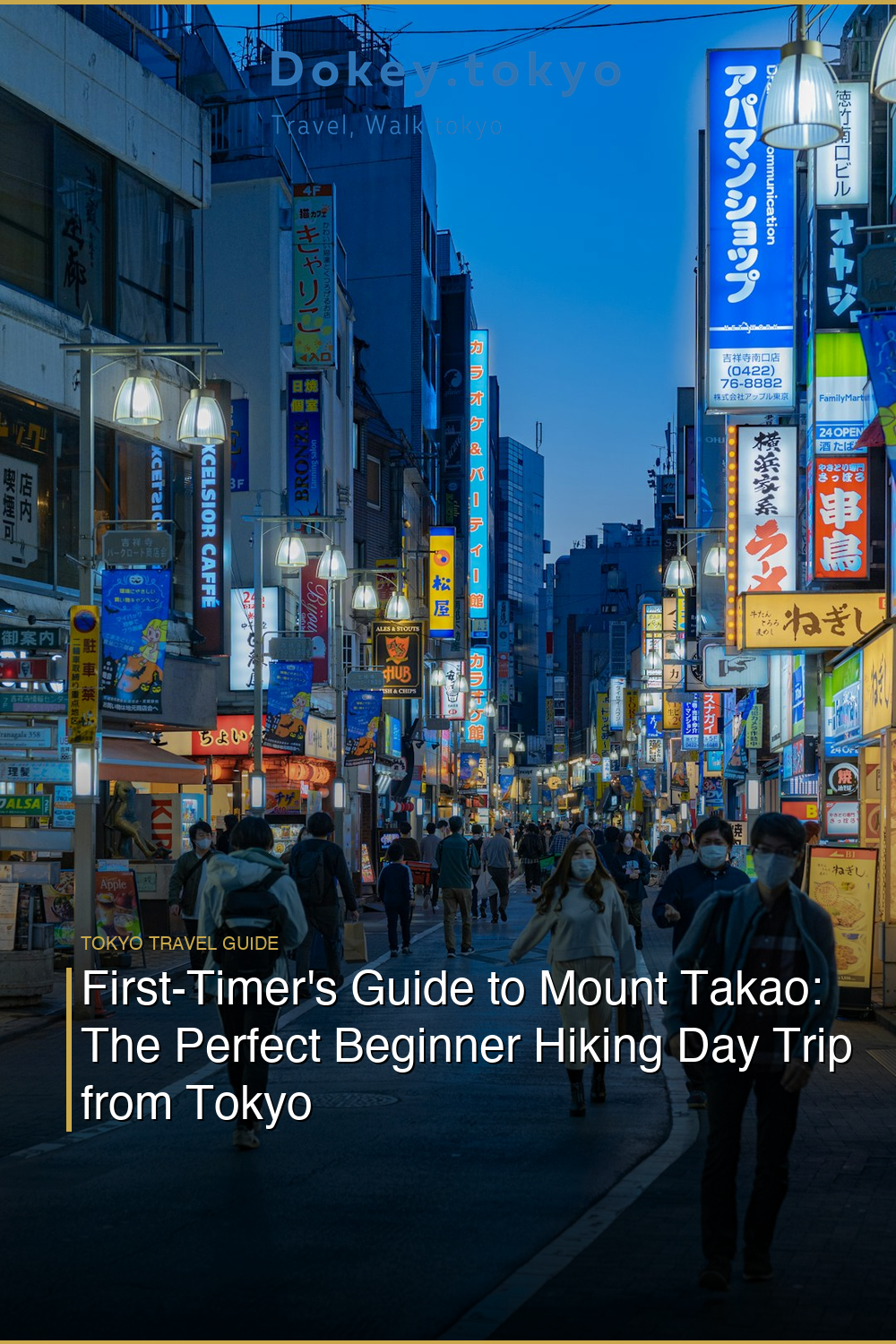
You don’t need to be a seasoned trekker, own a pair of expensive hiking boots, or even be particularly fit to fall completely in love with Mount Takao. I say this as someone who showed up to this mountain wearing canvas sneakers, carrying a convenience store onigiri, and genuinely unsure whether I’d make it to the top. Spoiler: I did. And it changed the way I think about what a day trip from Tokyo can be. Mount Takao — or Takao-san as the locals call it — sits just 50 kilometers west of Shinjuku, yet the moment you step off the Keio Line train and the cedar-scented air hits your face, Tokyo feels like a different world entirely.
I still remember stepping out of Takaosanguchi Station on a Tuesday morning in late October, a little groggy from the 50-minute train ride, when the sound stopped me in my tracks — not silence exactly, but the soft rustling of maple trees catching the breeze, broken only by the distant clang of a temple bell drifting down from somewhere up on the ridge. The light was that particular gold you only get in Japanese autumn, filtering through the canopy in long, lazy shafts. I stood there with my plastic bag of snacks feeling, for the first time on that trip, genuinely still.
Why Mount Takao Is Perfect for First-Time Hikers
🎫 Book on Klook: Mount Takao hiking tours →
Let’s be honest about what makes most beginners nervous about hiking: getting lost, the physical challenge, not knowing what to bring, and feeling out of place among seasoned outdoorsy types. Takao-san dismantles every single one of those fears before you’ve even laced up your shoes.
The mountain stands at just 599 meters — approachable but still rewarding. It has nine clearly marked trails, with Trail 1 (the main Omotesando trail) being almost foolproof. It’s paved for much of the lower section, wide enough to walk two abreast, dotted with rest stops, vending machines, and friendly signage in both Japanese and English. You are not going to get lost. You are not going to struggle if you’re in reasonable health. And you are absolutely going to feel accomplished at the summit.
For first-timers especially, the mountain offers an extraordinary soft landing into Japanese hiking culture — which is, in a word, communal. Elderly couples in matching windbreakers, school groups in yellow hats, solo travelers with tiny dogs in backpack carriers — Takao-san welcomes everyone, and that atmosphere is infectious.
Choosing Your Trail: Where to Start as a Beginner
🗾 Book on Viator: Takao Mountain guided tour western mount →
Trail 1 — The Classic Route (Recommended for First-Timers)
Trail 1 is your go-to. Starting from Takaosanguchi Station, it’s approximately 3.8 kilometers to the summit with about 400 meters of elevation gain. The lower third is paved and relatively gentle. The upper section gets steeper and moves onto natural trail surface, but nothing that will leave you clinging to a rope (though there is a fun chain-assisted steep section if you want a small thrill).
Plan for about 90 minutes up, 70 minutes down if you’re taking your time and stopping to absorb the view. Add another 30–40 minutes for the summit area itself.
The Cable Car & Chairlift Option
Here’s something nobody tells first-timers clearly enough: you can cheat, and it’s completely fine. The Takao Tozan Electric Railway offers both a cable car and a chairlift that take you two-thirds of the way up the mountain in under 15 minutes. If your knees are nervous, the weather is warm, or you simply want to save your legs for the summit section, use them. I took the chairlift on my third visit with no shame whatsoever — the open-air ride through the cedar canopy is actually a highlight in its own right, and the view looking back over the valley is stunning.
Yakuoin Temple: The Heart of the Mountain
🗾 Book on Viator: Guided Mt. Takao hike, temple and onsen →
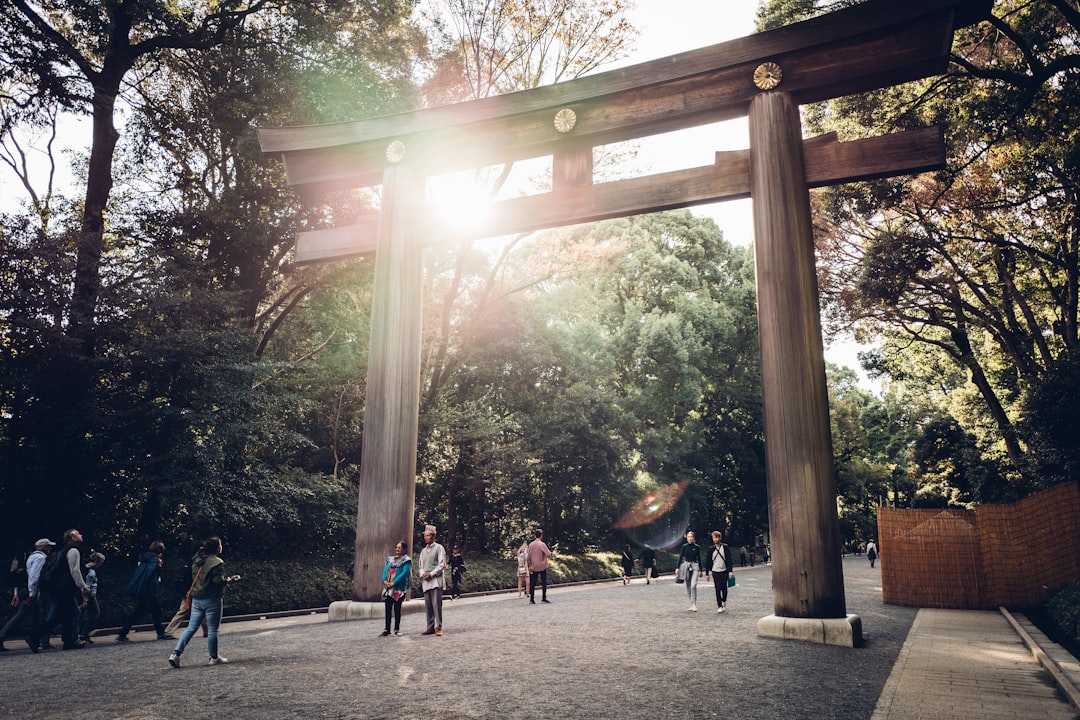
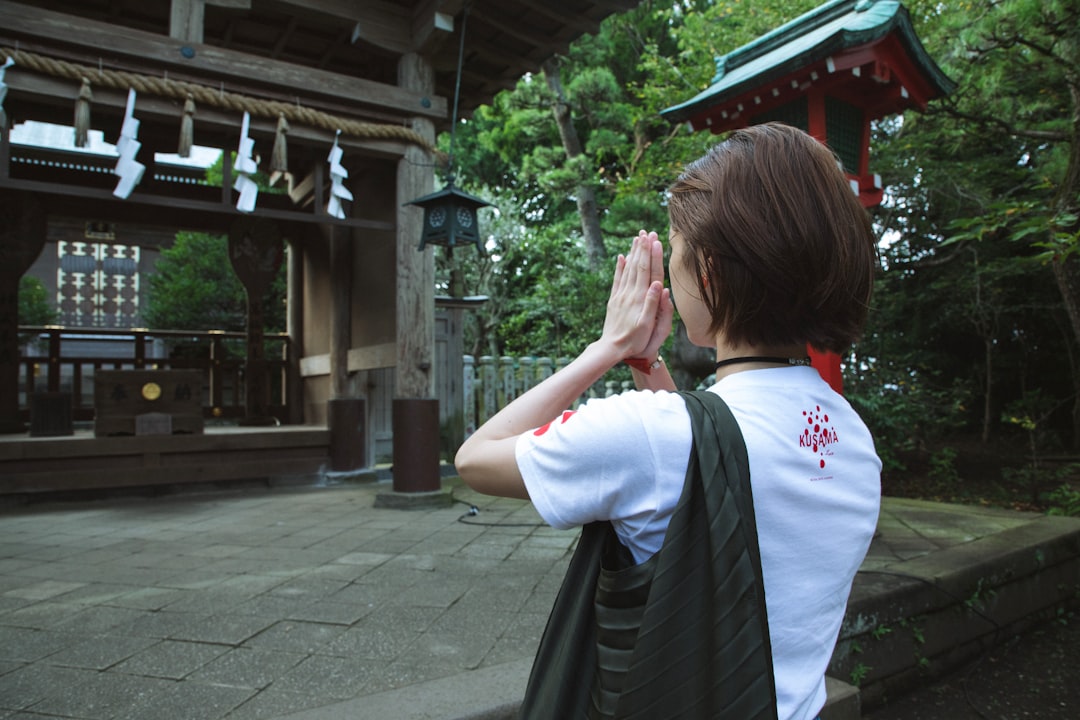
Halfway up Trail 1, you’ll reach Yakuoin, a Shingon Buddhist temple complex that has been woven into the mountain since 744 AD. Even if temples aren’t usually your thing, pause here. The carved wooden gate, the smell of incense smoke drifting across the stone steps, the red-lacquered architecture half-swallowed by ancient cedar trees — it’s one of those places that makes you feel the weight of time in a quiet, unhurried way.
Yakuoin is dedicated to Tengu, mythical mountain spirits with long noses and wings, and their images are carved, painted, and stamped everywhere across the complex. Pick up a Tengu omamori (protective charm) for about ¥500 — it makes a far more meaningful souvenir than anything sold in Asakusa.
On my second visit to Takao-san, a monk near the main hall noticed me puzzling over the wooden votive plaques and walked over without me asking. He pointed to one written entirely in English — ‘Please let me find courage’ — and said quietly, ‘Many people find it on the mountain.’ I wrote my own plaque that day. I still think about what I wrote.
The Summit: What to Expect at the Top
🗾 Book on Viator: Full day Mt. Takao hike with hot spring →
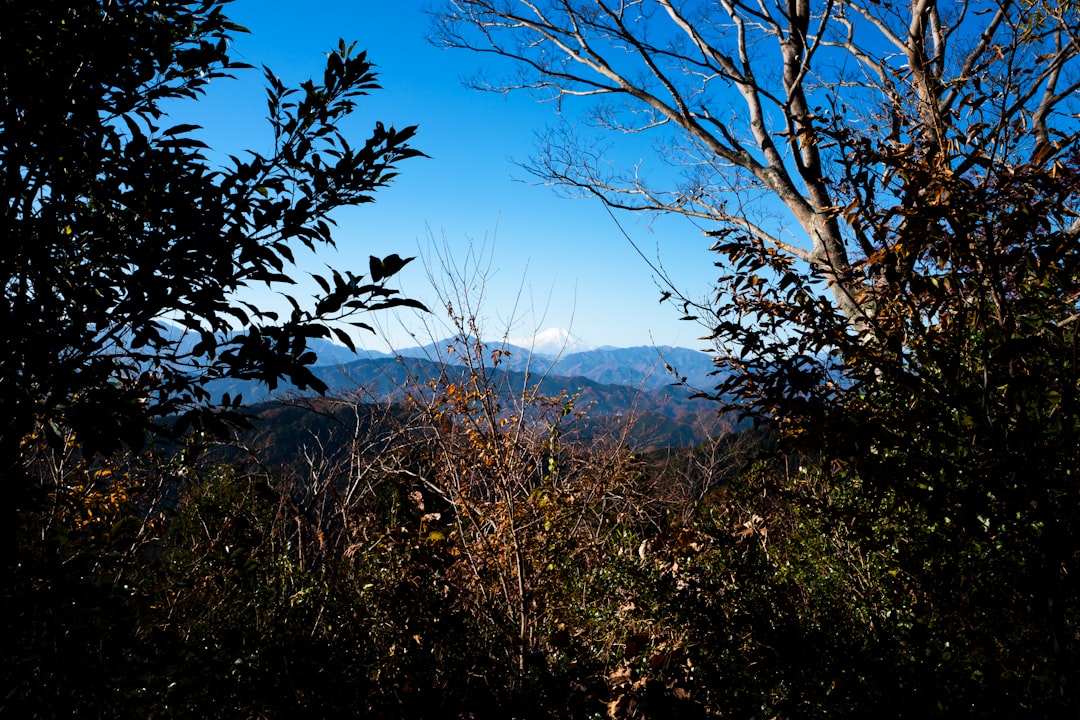
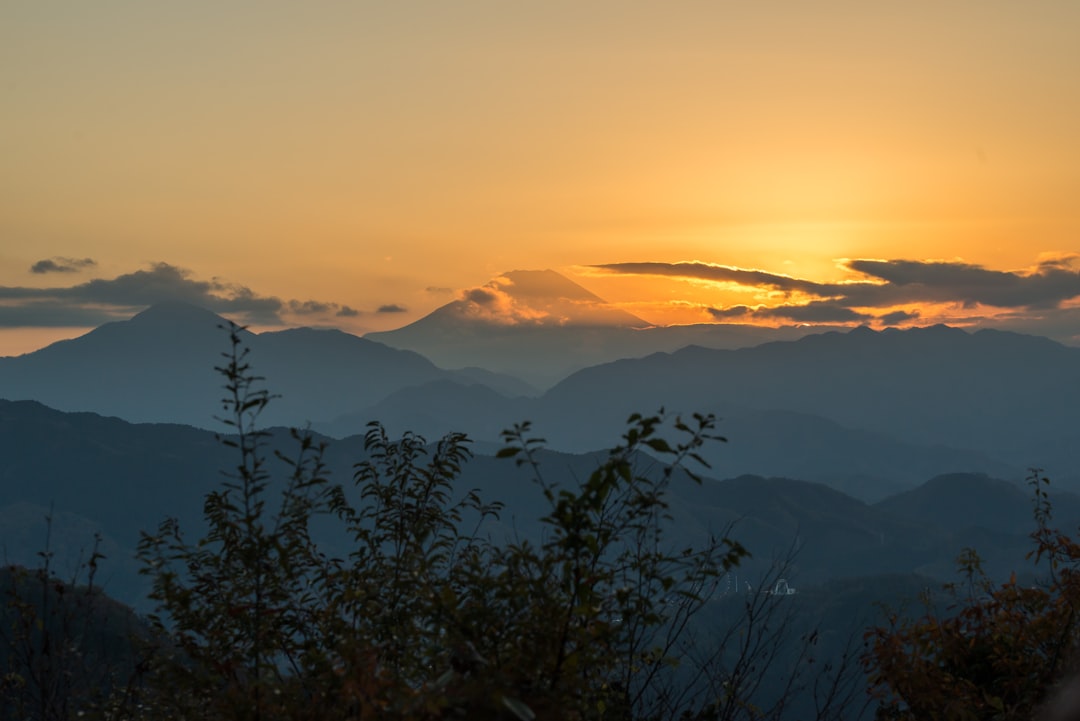
The summit of Mount Takao opens into a wide, flat viewing area with benches, a small shrine, and on a clear day — particularly from November through February — a jaw-dropping direct view of Mount Fuji floating above the distant ridgeline. This is the view that makes every step worth it for first-timers. There is a reason people stop and go quiet when it appears.
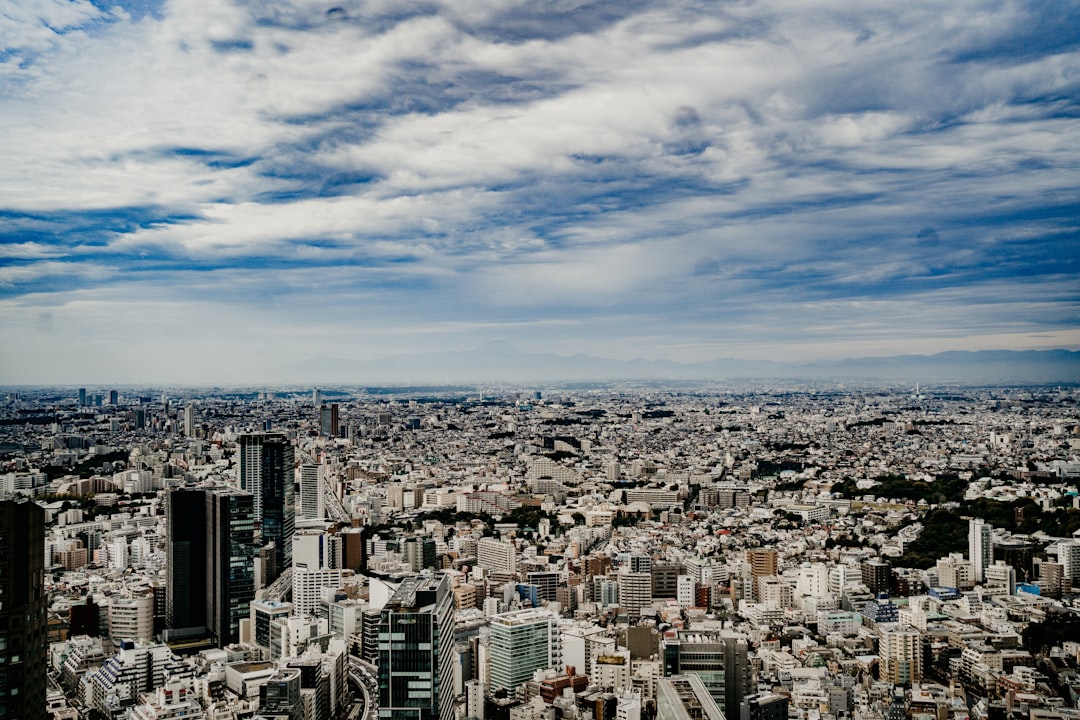
Even on days when Fuji is hiding behind cloud (which is common), the panorama across the Kanto Plain toward Tokyo is extraordinary. On a clear winter morning, you can see Tokyo Skytree from up here — a surreal reminder of exactly how close urban life is.
The summit area has toilets, a small shop, and several food stalls. Get here before 11am on weekends if you want a bench to yourself.
What to Eat on the Mountain (A First-Timer’s Food Guide)
Food on Takao-san is part of the experience, not an afterthought. The mountain has its own local specialty: tororo soba — cold buckwheat noodles served with grated mountain yam (yamaimo). The texture is silky and slightly sticky, the broth is clean and deeply savory, and eating it at a wooden table overlooking the forest is one of those small perfect moments travel hands you occasionally. Mitarashi dango (skewered rice dumplings in sweet soy glaze) from the stalls along Trail 1 are the ideal mid-hike snack — cheap, filling, and best eaten slightly warm.
For beginners especially, I recommend stopping at one of the restaurants in the Momiji-dai area (just below the summit) for a proper sit-down lunch rather than powering through on snacks. Your legs will thank you for the rest, and the food is genuinely good.
Practical Tips for First-Time Visitors
Getting There
From Shinjuku Station, take the Keio Line Limited Express directly to Takaosanguchi Station. The journey takes approximately 47–50 minutes and costs around ¥430 one way. Trains run frequently. No reservations needed — just tap your IC card and go.
What to Wear and Bring
- Comfortable walking shoes with grip (not flip-flops, but you don’t need technical hiking boots for Trail 1)
- A light layer — the summit is noticeably cooler than the base, even in summer
- Water (at least one liter per person)
- Small cash — some food stalls don’t take cards
- A portable rain cover — mountain weather can shift quickly
Best Time to Visit
Autumn (mid-October to late November) is peak season for a reason — the maple and ginkgo foliage turns the mountain into a riot of red and gold. It is also the busiest. Spring (late March to early April) brings cherry blossoms and softer crowds. Winter (December to February) is the secret weapon for Fuji views and thin crowds, provided you dress warmly. Summer is humid and the trails get crowded on weekends — go early or choose a weekday.
Avoid Weekend Crowds
For first-timers, I cannot stress this enough: go on a weekday if at all possible. Trail 1 on a Saturday in November can feel like a shopping mall escalator. The same trail on a Wednesday morning feels like it belongs to you.
I descended Trail 6 on a December afternoon just before the 3pm light shift, when the low winter sun was coming in nearly horizontal through the bare branches and turning the creek water at the bottom of the ravine into something that looked lit from underneath. I sat on a mossy rock beside the stream, ate the last of a bag of chestnuts I’d bought from a stall near the summit, and listened to the water. There was nobody else in that section of trail. It was 4:17pm and Tokyo was less than an hour away, and I genuinely could not believe my luck.
One Last Thing Before You Book Your Train
Mount Takao is proof that profound travel experiences don’t always require long flights, expensive tours, or extraordinary physical ability. They sometimes require a ¥430 train ticket and the willingness to walk uphill for an hour and a half. For first-time visitors to Japan still finding their feet in Tokyo, this mountain offers something the city — as electric and extraordinary as it is — rarely provides: quiet, perspective, and the particular satisfaction of arriving somewhere under your own power.
Book that train. Pack those snacks. The mountain is easier than you think, and the view from the top is one you’ll describe to people for years.