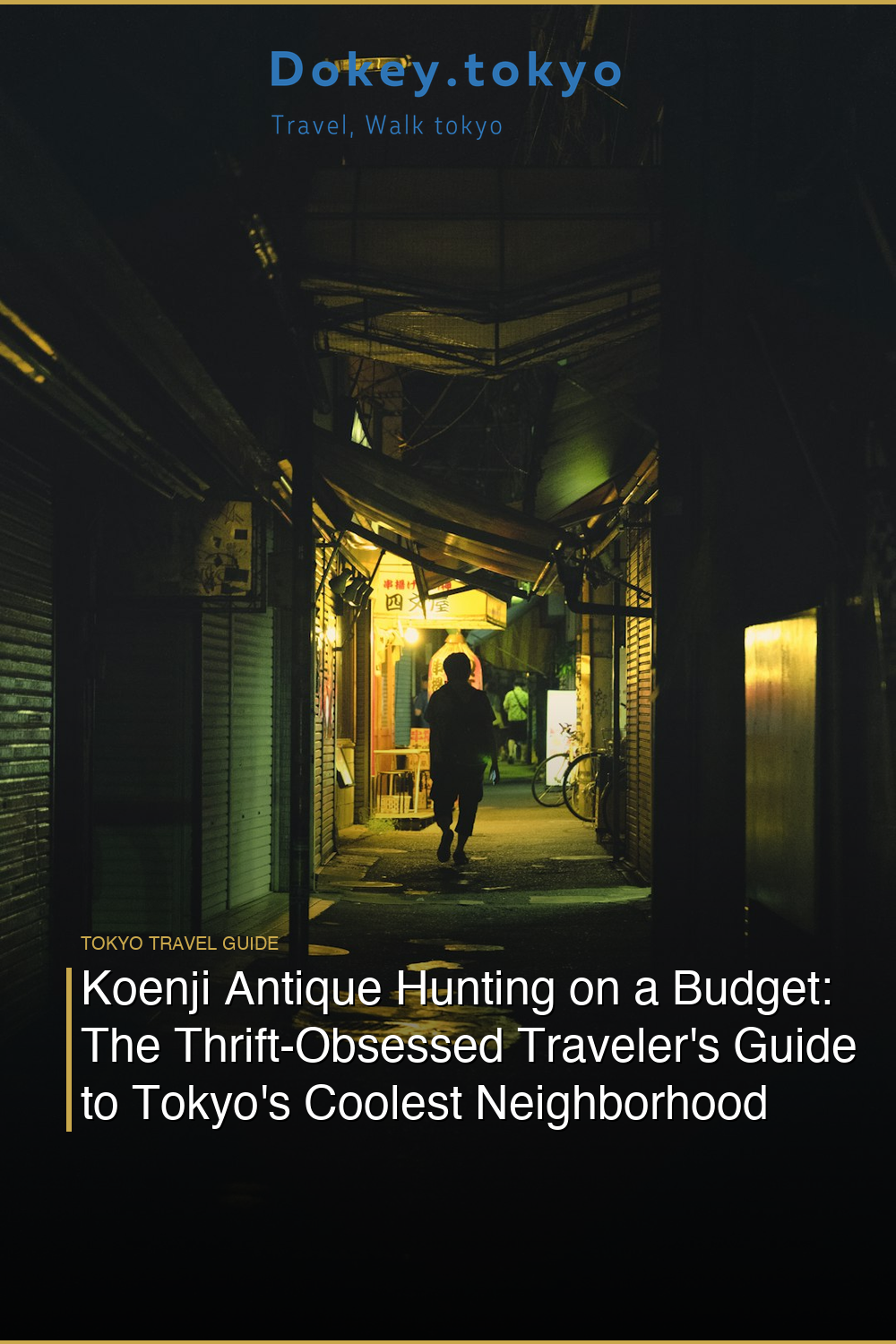
If you’ve been scrolling through photos of pristine Shibuya storefronts and overpriced Harajuku boutiques wondering where the real Tokyo secondhand scene hides, let me save you the detour: it’s in Koenji. This scrappy, creative neighborhood on the Chuo Line sits about 15 minutes west of Shinjuku, and it has quietly become the spiritual home of Tokyo’s thrift culture — a place where a 100-yen coin can buy you a genuine Showa-era ceramic sake cup, and where the shop owners actually want to talk to you about the object you’re holding. I’ve been to Tokyo more times than I can count, and Koenji is the neighborhood I always come back to when I want to feel like I’ve found something, not just purchased it.
I still remember stepping out of Koenji Station’s north exit on a drizzly Tuesday morning, the smell of old tatami and slightly damp wood drifting from a shop that hadn’t even fully opened its shutters yet. A hand-painted sign in faded indigo paint read “ANTIQUE” in kanji and romaji both, hanging crookedly over a doorway stuffed floor-to-ceiling with lacquerware. The sky was the color of old silver, and somewhere down the shotengai — the covered shopping arcade — someone was playing a scratchy vinyl record of Miyuki Nakajima. That moment told me everything I needed to know about this neighborhood.
Why Koenji Is a Budget Thrift Hunter’s Paradise
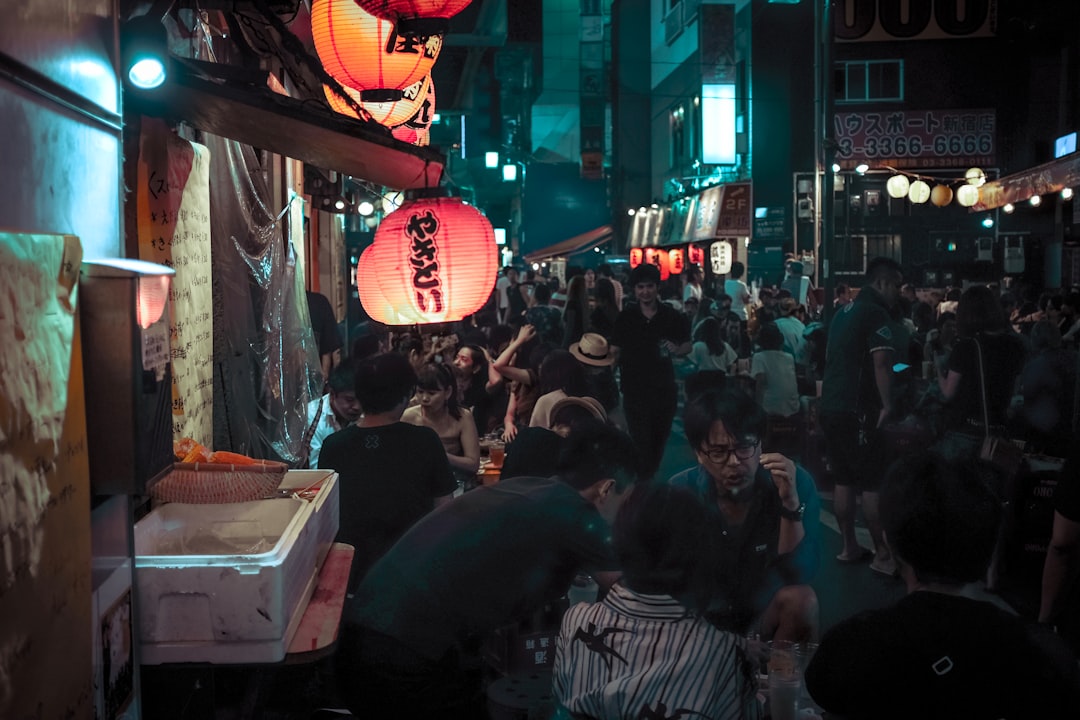
Koenji doesn’t operate on the same logic as Tokyo’s trendier districts. Rents here are lower, the clientele is a mix of local artists, musicians, and students, and the shop owners tend to be passionate collectors rather than luxury resellers. That combination creates something rare in a city as expensive as Tokyo: genuine value. You can walk out of here with a stack of vintage Japanese movie posters, a hand-painted Meiji-era ceramic, or a perfectly preserved 1970s Pendleton flannel — all for what you’d spend on a single cocktail in Ginza. If you’re interested in exploring other budget-friendly vintage shopping in Tokyo, the vintage kimono shopping scene in Komagome offers a similar treasure-hunting experience with a focus on traditional clothing.
The entire neighborhood is compact enough to cover on foot. The main antique and vintage corridor runs between the north exit of Koenji Station and the surrounding backstreets, particularly along Pal Shopping Street and Look Shopping Street. Don’t be fooled by the word “shopping street” — these are winding, narrow arcades lined with the kind of shops that reward slowness. For those interested in exploring Tokyo’s broader craft and artisan shopping culture, Kuramae’s Nakamise shopping arcade provides another compelling option for discovering handcrafted goods and traditional wares.
The Shops You Actually Need to Visit
Hayatochiri — For Serious Antique Pieces Under Budget
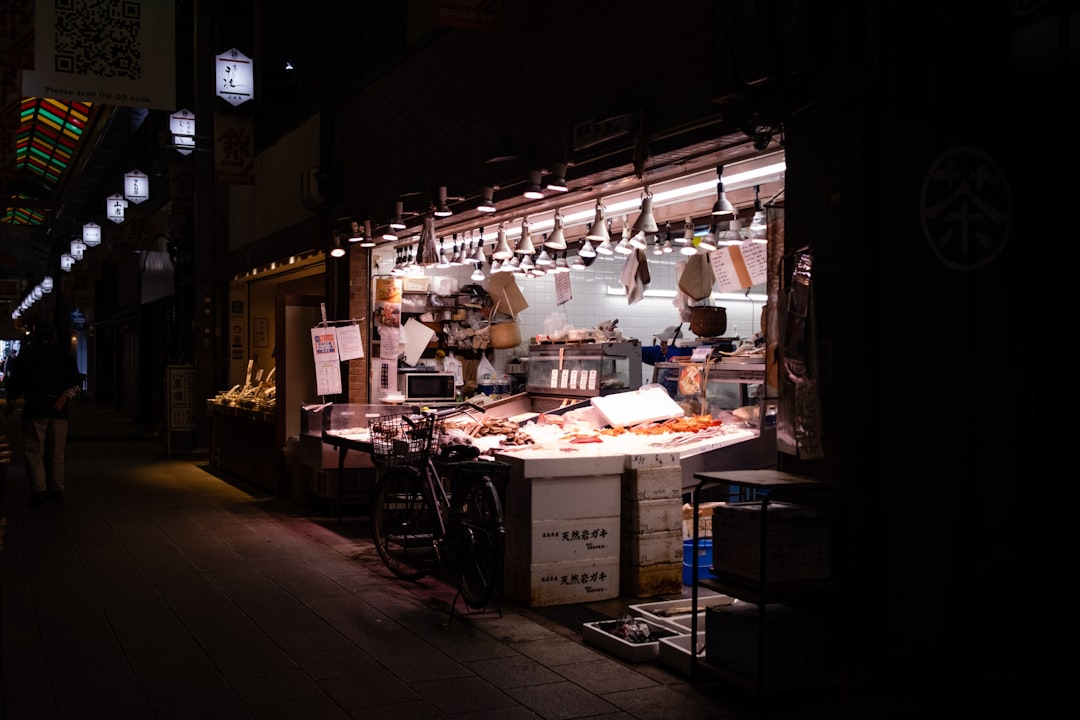
This is the shop locals send you to when you tell them you’re looking for authentic Japanese antiques, not reproductions. Hayatochiri is tucked into a narrow side street north of the station, and inside it feels like someone’s eccentric grandmother decided to open her storage room to the public. Tansu chests, Buddhist altar fittings, old Imari porcelain, hand-forged iron tea kettles — the inventory changes constantly because the owner, a soft-spoken man in his 60s who speaks a little English, goes to estate sales every few weeks. Prices are shockingly reasonable: I’ve found lacquered wooden boxes for 800 yen and hand-painted porcelain dishes for 300 yen. Come early in the week when fresh stock has just come in.
Zco — Vintage Clothing That Won’t Break Your Budget
For the thrift traveler who wants wearable finds alongside antique objects, Zco is essential. It’s a mid-sized vintage clothing shop with an exceptionally well-organized floor — workwear, military surplus, Japanese brand vintage (look for old Comme des Garçons diffusion lines for around 2,000–3,000 yen), and retro sportswear. The staff here are genuinely helpful and won’t hover over you. On my last visit, I found a perfectly faded Seibu Lions baseball jersey from the early 1980s for 1,500 yen — the kind of piece that would cost 10 times that in a Shimokitazawa boutique that knew its audience.
The 100-Yen Bins Outside Every Shop
I cannot stress this enough: do not walk past the outdoor bins. Almost every antique and vintage shop on Look Shopping Street puts a rotating selection of items in wire bins or wooden crates outside their doors, priced at 100 yen, 200 yen, or 500 yen. This is where I’ve found some of my best scores — a set of six hand-painted porcelain sake cups in perfect condition for 500 yen total, a vintage Japanese postcard from 1935 for 100 yen, a small bronze incense holder for 200 yen. The trick is timing: arrive when shops open (around 12:00–13:00, because Koenji shops open late) and again around 16:00 when some owners refresh their outdoor stock.
One afternoon I was crouching over a bin of old photographs when the shop owner — a woman with silver-streaked hair and paint-stained fingers — leaned out and said quietly in Japanese, then mimed with her hands: look underneath. Beneath the top layer of common postcards was a stack of hand-tinted studio portraits from the 1920s, tucked face-down. She’d saved them from the rain and forgotten to flip them. I bought three for 300 yen each and nearly cried on the train home.
The Koenji Antique Fair: Timing Your Visit Right
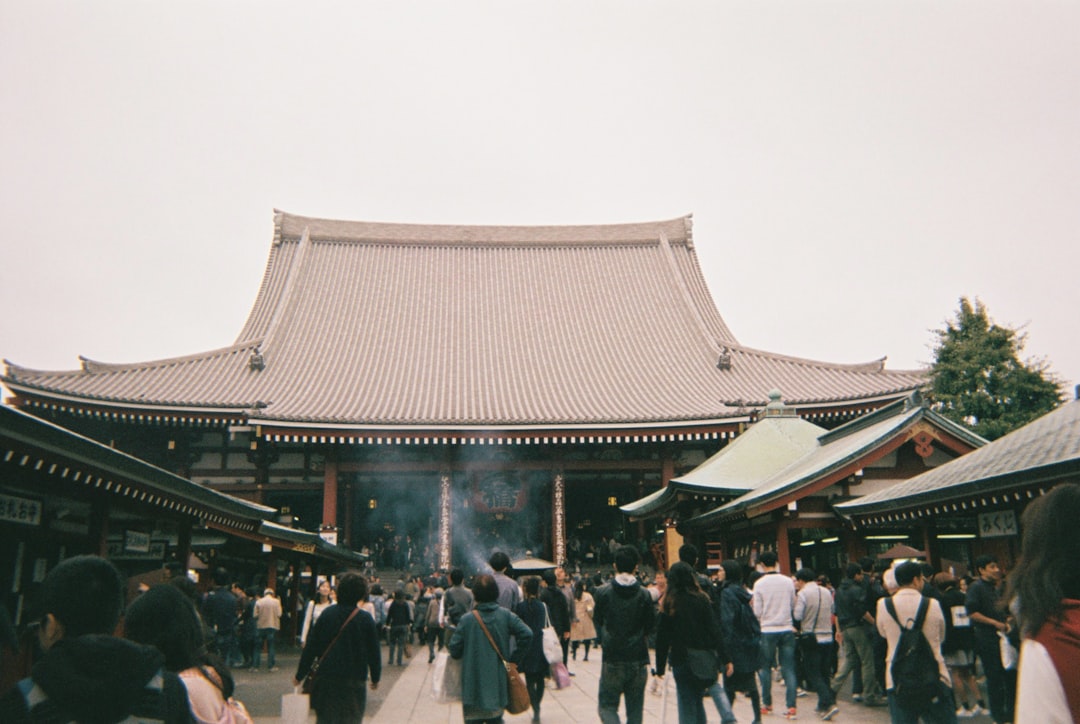
If you can plan your trip around it, the Koenji Antique Fair (古着市, furugichichi) held in Koenji Park (Koenji Koen) is a can’t-miss event. It runs several times a year — typically in spring (late April) and autumn (October) — and draws dozens of dealers selling everything from Meiji-era woodblock prints to vintage enamelware and Showa-era toys. Budget thrift travelers specifically should target opening time (usually 9:00 or 10:00 AM) before the serious collectors arrive. Entry is free. Bring cash in small denominations — many vendors don’t take cards, and having exact change speeds things along and sometimes softens prices.
Eating Like a Local on a Thrift Budget
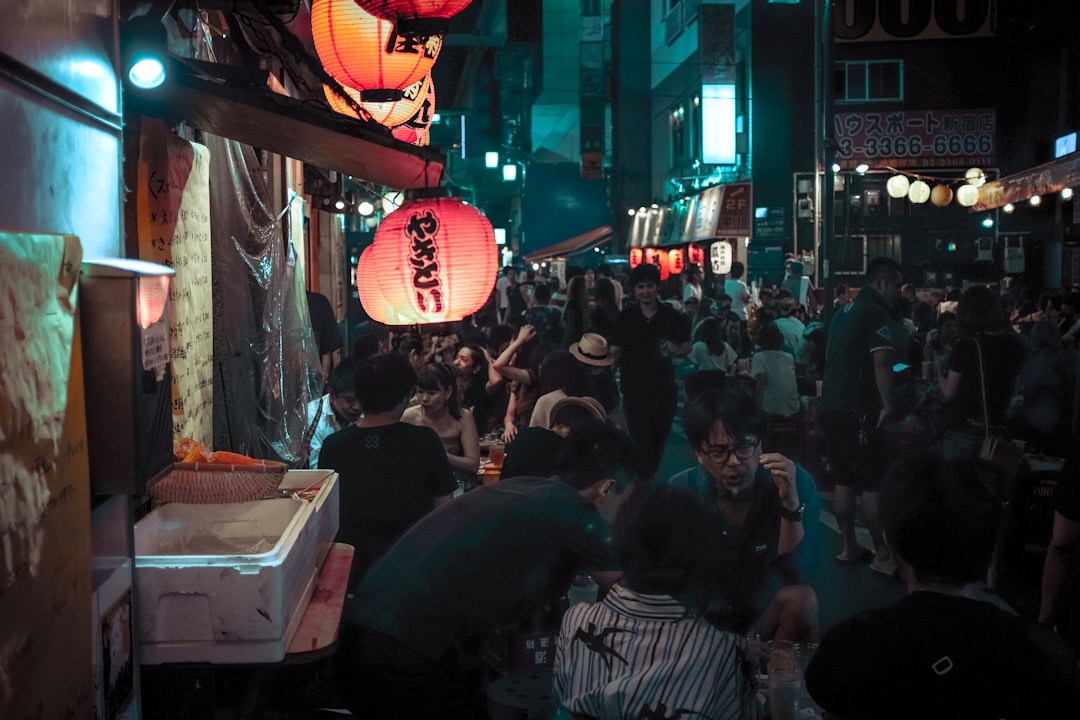
Koenji’s food scene is as unpretentious as its shops, which means eating well here is genuinely cheap. The shotengai arcades have several old-school kissaten (Japanese-style coffee shops) where you can get a morning set — drip coffee plus thick toast with butter and jam — for around 600–700 yen. I always stop at Café Sonia, a tiny kissaten near the south exit with wood-paneled walls and a Sanyo turntable, where the master brews pour-over coffee with the solemnity of a tea ceremony. Sit at the counter, order the morningu setto, and let the morning unfold slowly.
For lunch, the covered arcades have several cheap teishoku (set meal) restaurants serving grilled fish, miso soup, pickles, and rice for 800–1,000 yen. There’s also a clutch of curry shops — Koenji has an inexplicable and wonderful density of Japanese curry restaurants — where a hearty katsu curry will run you 900 yen. After a morning of hunting, this is exactly what your legs need.
Practical Tips for Budget Thrift Hunters
Getting there: Take the JR Chuo Line to Koenji Station. From Shinjuku, it’s about 10 minutes and costs 165 yen. No need for a taxi or complicated transfers.
Cash is king: Bring yen in small bills and coins. Most antique shops in Koenji are cash-only, and having 100-yen coins on hand is useful for bin shopping.
Go on weekdays: Weekend crowds drive up the competition — and occasionally the prices. Tuesday through Thursday is ideal for quiet browsing and more willing sellers.
Shops open late: Don’t show up at 10:00 AM expecting everything to be open. Most vintage and antique shops in Koenji open between noon and 1:00 PM and stay open until 8:00 or 9:00 PM. Use your mornings for the kissaten breakfast and a slow walk through the neighborhood. If you’re planning to explore Tokyo more broadly on a budget, the Fukutoshin Line’s hidden restaurants and shopping spots offer similar opportunities for discovering authentic, affordable Tokyo experiences.
Bargaining etiquette: Light, polite negotiation is acceptable on higher-priced items (above 3,000 yen), but don’t haggle on 100-yen bins — it’s considered rude and will close the shopkeeper off immediately. A simple sukoshi yasuku narimasu ka? (“Could it be a little cheaper?”) said softly and with a smile is perfectly appropriate.
Bring a reusable bag: You will buy more than you planned. Every single time.
One Moment That Made Koenji Unforgettable
It was a Thursday in late October, around 5:00 PM, when the low autumn light in Tokyo turns everything the color of old honey. I was sitting on a plastic crate outside a tiny antique shop on a back alley off Look Street, unwrapping a small Meiji-era netsuke I’d just paid 1,200 yen for — a carved ivory rabbit, no bigger than my thumb, with inlaid red eyes. The shop owner brought me a paper cup of green tea without being asked, nodded at the netsuke, and said simply, ii mono — “good thing.” Somewhere above us a crow called once, then silence. That rabbit now sits on my desk, and every time I look at it I can smell that green tea and feel the October chill on my hands.
Final Thoughts: Why Koenji Deserves a Full Day of Your Tokyo Trip
Koenji won’t give you Instagram-perfect architecture or Michelin-starred meals. What it gives you instead is rarer: the feeling of genuinely discovering something — a neighborhood that operates on its own unhurried frequency, where beauty is secondhand and all the better for it. For budget thrift travelers, it’s not just a destination. It’s a reminder that the most memorable things you bring home from a trip rarely cost very much at all.