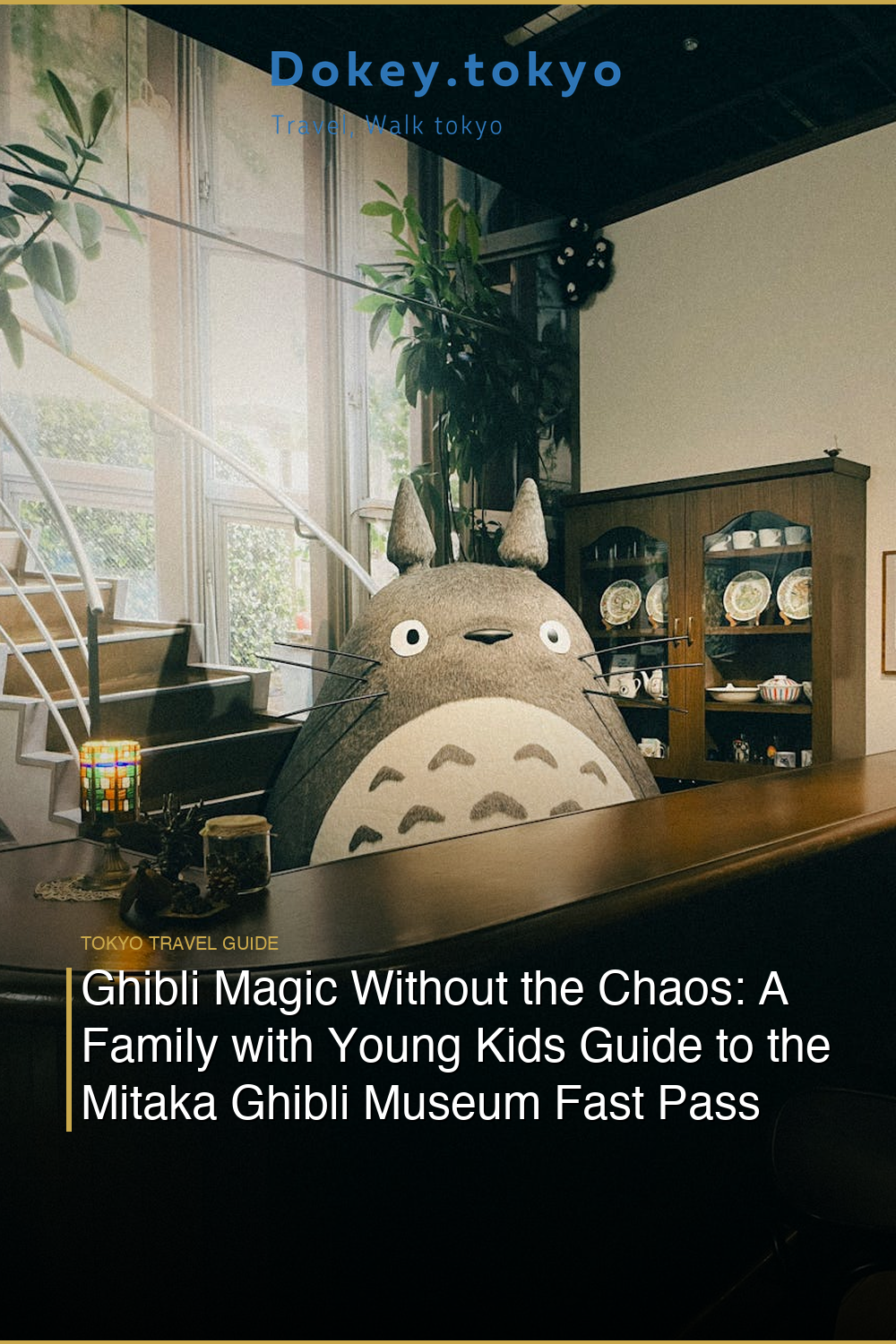
If you’ve ever tried to explain to a four-year-old why they can’t go inside Totoro’s house right now, you already understand the particular brand of parental pressure that comes with planning a Ghibli Museum trip. This place is not just a museum — it’s a pilgrimage site for Studio Ghibli fans of every age, and for families with young children, it can be either the most magical morning of your entire Japan trip or a stress-fueled disaster of missed tickets, meltdowns, and confusion. I’ve done this with kids. I know which one you want.
The first time I arrived at the Ghibli Museum on a crisp October morning, my daughter grabbed my hand so hard her knuckles went white. She’d spotted the giant Robot Soldier standing on the rooftop terrace from the Inokashira Park pathway, his mossy shoulders catching the early light filtering through the zelkova trees, and she simply stopped walking. She didn’t say anything. Neither did I. That silence, broken only by the sound of sparrows and distant train bells from Mitaka Station, is still one of my clearest memories from six trips to Tokyo.
Why the Fast Pass System Exists — and Why Families Must Master It
🎫 Book: Studio Ghibli guided tours near Tokyo →
The Mitaka Ghibli Museum does not sell tickets at the door. Full stop. This surprises more first-time visitors than almost anything else about Tokyo tourism, and families are especially vulnerable to this shock because you often assume you can just show up somewhere this famous and get in. You cannot. The museum operates on a strict timed-entry ticketing system, and every single slot — from 10:00 AM to 4:00 PM — sells out, often within minutes of going live.
For families traveling from outside Japan, tickets must be purchased through Lawson’s overseas ticket portal (l-tike.com), which opens on the 10th of each month for tickets two months ahead. This means if you want October tickets, you need to be logged in and ready on August 10th, Tokyo time (JST). Set an alarm. Seriously — set three alarms.
The Exact Booking Window Timeline for International Families
- Day 1 (10th of the month, JST): Overseas portal opens. Tickets for the month two months ahead become available.
- First 30 minutes: The most popular time slots (10:00 AM and noon) sell out.
- Best strategy for families with toddlers: Book the 10:00 AM slot. Kids are freshest, the museum is at its most magical before the midday crowd peaks, and you’ll still have energy for Inokashira Park afterward.
- Backup strategy: The 2:00 PM slot is often the last to sell out — worth grabbing if you miss morning slots, especially if your kids nap after lunch.
Setting Up Your Lawson Account Before the Rush
🎫 Book: Ghibli Museum tickets and fast pass →
Do not wait until the 10th to create your account. The overseas Lawson ticket system (l-tike.com) requires email verification, personal details, and sometimes a credit card pre-registration that can take 24–48 hours to process. I’ve seen families lose their shot at tickets simply because their account wasn’t verified in time.
Here’s my checklist for families:
- Create your l-tike.com account at least one week early
- Register your credit card (Visa and Mastercard work most reliably)
- Note the exact JST time — use a world clock app to avoid confusion
- Decide your date AND backup date before the window opens — no time to deliberate when tickets are flying
- Purchase up to 4 tickets per transaction — perfect for a family of four
One thing that genuinely surprised me on my most recent visit: a Japanese mom in line near the Saturn Theater whispered to me that she always books the first Saturday of the month because school club activities keep older kids busy, meaning fewer families with elementary-age children compete for those slots. Weekday slots during Japanese school terms are quieter still, though obviously harder for international families to arrange.
Getting to Mitaka with Little Ones Without Losing Your Mind
🗾 Book: Tokyo cultural attractions with subway a →
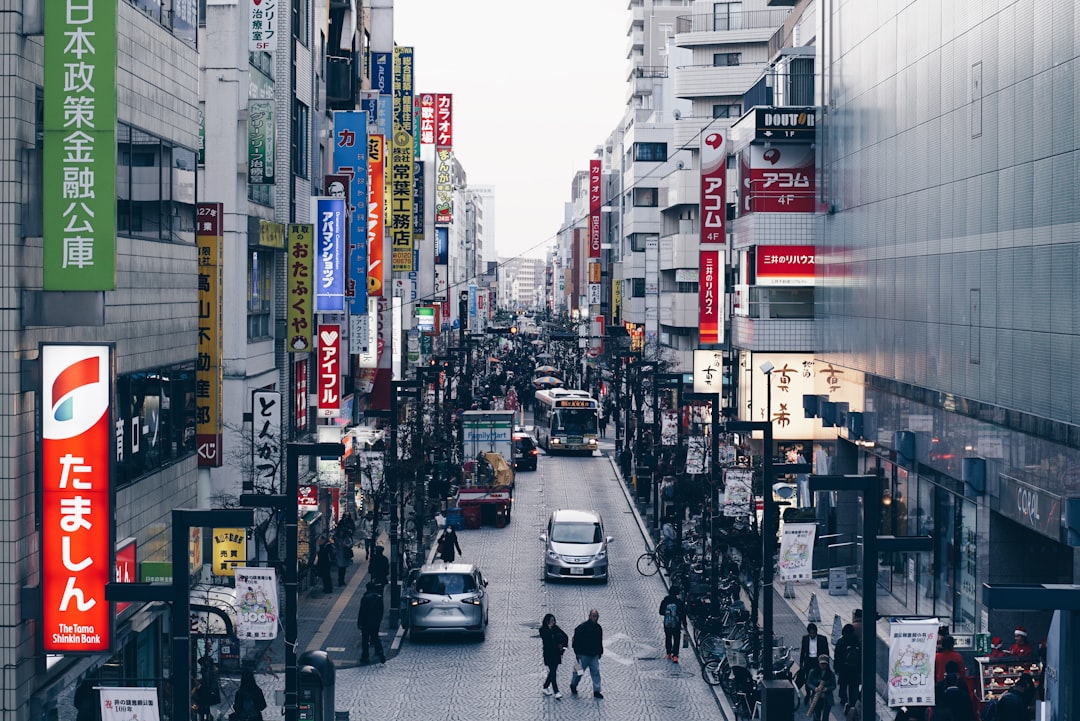
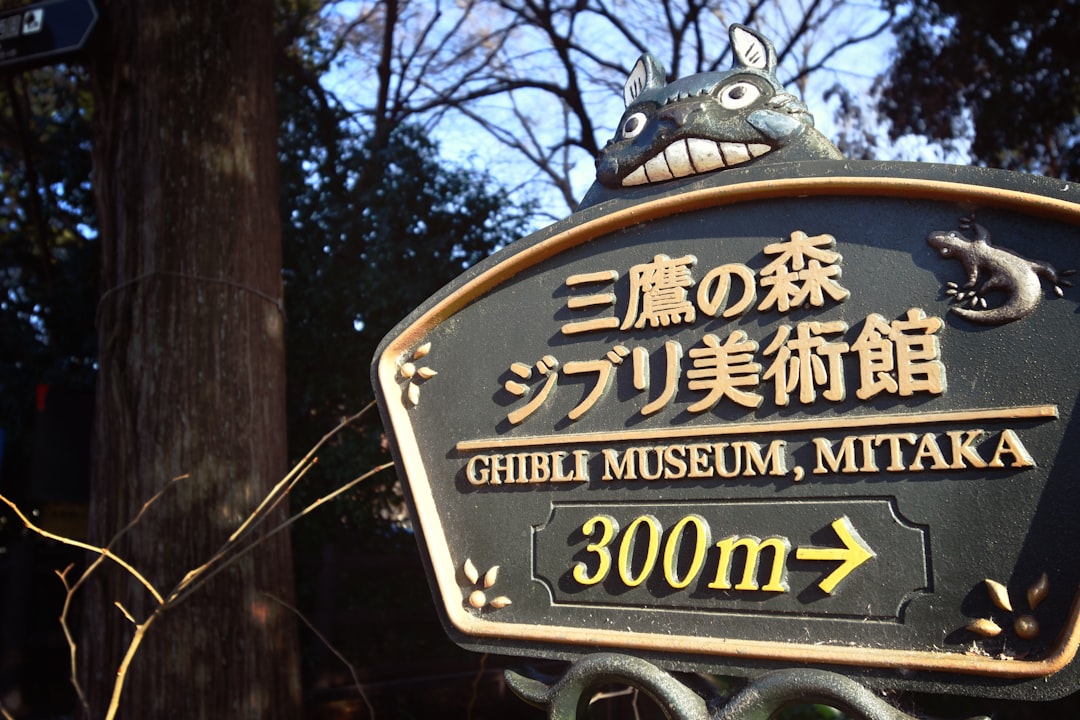
The museum sits inside Inokashira Park, about a 15-minute walk from Mitaka Station on the JR Chuo Line. With a stroller or a tired three-year-old, that walk can feel much longer — but it’s genuinely lovely. The path winds through the park beside a small river, past vendors selling roasted sweet potatoes in autumn and kakigori (shaved ice) in summer.
Alternatively, the Ghibli Museum Bus (Cat Bus shuttle) runs directly from Mitaka Station’s south exit. It costs a few hundred yen each way and the bus itself is decorated with Soot Sprites — my son refused to get off it the first time we rode it, insisting we do another loop. For families with small children, it’s absolutely worth it for the joy factor alone. Strollers can be folded and stored.
Pro tip for families: Bring your own compact stroller rather than renting. The museum grounds are navigable but not enormous, and the cobblestone paths near the entrance can be bumpy for rental prams.
Inside the Museum: What Kids Actually Love (And What to Prioritize)
🗾 Book: Unique Tokyo miniature museum experience →
🎫 Book: Tokyo family activities with young kids →
Your timed-entry ticket gets you inside, but once you’re in, the experience is largely free-form. Here’s what to prioritize when little legs are your limiting factor:
The Saturn Theater — Book This First
The museum’s small cinema shows exclusive Ghibli short films that exist nowhere else on Earth. Each family should head here immediately upon entry to secure seats for the next available screening. Films rotate every few months and last about 15 minutes — a perfect length for toddler attention spans. My daughter cried at one about a small water sprite, and then immediately asked to watch it again.
The Catbus Room (Neko Bus)
Children under 12 years old are the only ones allowed to play inside the giant Catbus structure. Adults must watch from the sidelines. This is the highlight for most kids — plan for at least 20–30 minutes here because they will not want to leave. Visit early before the queue builds.
Rooftop Garden with the Robot Soldier
Accessible via spiral staircase (hold small hands tightly — the steps are narrow and whimsical). The Robot Soldier from Castle in the Sky stands guard up here, covered in moss and surrounded by wildflowers. Views across Inokashira Park are beautiful, and the rooftop is rarely as crowded as the lower floors.
The Straw Hat Café
The museum’s café serves rotating seasonal menus inspired by Ghibli films. On my last visit in early spring, they had a bento lunch shaped like the forest spirit scenes from My Neighbor Totoro — rice balls wrapped in dark seaweed with tiny carrot ears. My kids ate every last grain. The café gets busy by 11:30 AM, so aim to sit down right when it opens or wait until 1:30 PM for the second wave.
What to Do After: Inokashira Park Is Your Secret Weapon
Most families rush back to central Tokyo after the museum, but the grounds of Inokashira Park right next door are genuinely wonderful for children. There’s a small zoo (the Inokashira Natural Cultural Garden) with Japanese macaques and a pygmy hippopotamus that children adore, a pond with swan-shaped paddleboats, and wide grassy areas perfect for a konbini picnic.
The park is also lined with small street food stalls on weekends — yakitori, taiyaki (fish-shaped cakes filled with sweet red bean or custard), and seasonal treats. Budget an extra two hours here. Your kids will thank you. Your Instagram feed will thank you.
Honest Expectations: What the Museum Is and Isn’t
🗾 Book: Tokyo art museum admission and exhibitio →
I want to be straightforward with you because I’ve read too many breathless articles that set unrealistic expectations. The Ghibli Museum is not an amusement park. There are no rides, no character meet-and-greets, no loud interactive exhibits. It is a beautifully designed, intimate space — more like wandering through an artist’s imagination than visiting a theme park. Children who love Ghibli films deeply will be transfixed. Children who haven’t watched the films yet might find it less engaging.
My honest recommendation: watch My Neighbor Totoro and Kiki’s Delivery Service with your kids in the weeks before your trip. These two films have the most visible references inside the museum and will supercharge your children’s excitement. If you’re looking for other family-friendly cultural experiences in Tokyo while you’re here, Ueno’s museums and wildlife attractions offer a wonderful complement to your itinerary.
Standing on the rooftop just before our 12:30 PM exit slot last spring, my son pressed his forehead against the Robot Soldier’s knee — the thing is enormous up close, easily three meters tall — and said, very seriously, “He’s sleeping but he’s still protecting us.” The afternoon sun had turned the moss on the robot’s shoulders a warm amber, and I could smell the fresh grass of the park below mixing with something sweet drifting up from the café. I didn’t take a photo. I just stood there.
Final Fast Pass Checklist for Families
- ✅ Create l-tike.com account 1 week before the 10th
- ✅ Book the 10:00 AM slot for toddler-friendly mornings
- ✅ Watch Ghibli films with kids before the trip
- ✅ Ride the Catbus shuttle from Mitaka Station south exit
- ✅ Head to Saturn Theater immediately upon entry
- ✅ Prioritize Neko Bus room before 11:00 AM
- ✅ Lunch at Straw Hat Café before 11:30 AM or after 1:30 PM
- ✅ Extend your day in Inokashira Park
The Mitaka Ghibli Museum is one of the most genuinely special places I’ve taken my children anywhere in the world. With the right fast pass strategy and a little planning, the chaos melts away — and what’s left is pure, quiet magic.