There are moments in travel photography that you spend years chasing — the kind where the light, the human emotion, and the cultural weight of a place collide into a single frame you know you’ll never delete. The Tsukiji inner market tuna auction is one of those moments. It happens before most of Tokyo has even rolled over in bed, in a cavernous, fluorescent-lit hall that smells of salt water and cold metal, where men in rubber boots move with the choreographed urgency of people who have done this every single day of their working lives. For a photographer, it’s not just a tourist experience. It’s a masterclass in documentary street photography, served with a side of the freshest tuna sashimi you’ll ever eat.
I still remember stepping off the taxi at 4:45am on my third visit to Tokyo, the air biting cold for October, the narrow lanes outside the market already humming with the low rumble of motorized carts and men shouting in clipped, rapid Japanese. The blue-white of the fluorescent lights spilled out onto the wet pavement like something from a noir film, and I had my Fujifilm X-T4 out before I even paid the driver. That specific quality of pre-dawn industrial light — harsh but somehow honest — is something no golden-hour Instagram filter can replicate.
Understanding the Tsukiji Tuna Auction: What You’re Actually Getting Into
🎫 Book: Tsukiji Market Tuna Auction Tour →
Let’s be honest about something most travel articles gloss over: getting into the Tsukiji inner market tuna auction is genuinely competitive, logistically demanding, and not guaranteed. The auction at the inner market (which relocated to Toyosu Market in 2018 — more on that in a second) is now technically the Toyosu Market tuna auction, but the Tsukiji outer market remains a thriving, photogenic universe of its own. Many photographers use the terms interchangeably out of habit, so here’s the clear breakdown.
Toyosu Market: The Official Tuna Auction
The actual wholesale tuna auction moved to Toyosu Market in Koto Ward in October 2018. This is where the legendary bluefin tuna — some weighing over 300kg — are lined up on the frozen floor like glossy, prehistoric torpedoes while licensed auctioneers chant bids in a rapid-fire cadence that sounds like music if you close your eyes. The Tokyo Metropolitan Central Wholesale Market offers a visitor observation program, but slots are brutally limited: only 120 people per day across two groups (5:45am and 6:15am entry). You register online months in advance or line up at Toyosu at 5am for a lottery-style same-day slot. Either way, bring patience and a backup plan.
For photographers, the observation room is glass-enclosed, which means reflections are your enemy and your creative challenge. Use a polarizing filter, shoot at an angle, and embrace the compositional constraint — some of my favorite auction shots have the reflection of fluorescent tubes ghosting across a frozen tuna like abstract art.
Tsukiji Inner Market Area: Still Very Much Alive
Despite the wholesale move, the streets immediately surrounding the old Tsukiji inner market are still extraordinarily active from about 3am onward. Licensed intermediate wholesalers, restaurant buyers, and specialty vendors still operate here. For street and documentary photography, this zone — particularly the alleys between Shin-Ohashi Dori and the outer market — delivers the raw, unscripted energy that photographers dream of. Rubber-booted workers pushing flat-bed trolleys loaded with polystyrene crates, the orange flash of a handheld price tag scanner, steam rising from a styrofoam cup of instant noodles at 5am — it’s all yours.
The Photographer’s Timeline: How to Plan Your Pre-Dawn Morning
🎫 Book: Early Morning Tokyo Fish Market Tour →
2:00am – 3:00am: Arrive and Anchor Yourself
If you scored a Toyosu auction slot, your alarm is at 2:30am. Seriously. Factor in travel time from central Tokyo (about 30–40 minutes by taxi from Shinjuku or Shibuya — subway isn’t running yet), plus time to find the visitor entrance and clear any queue. Taxis are your friend here; Uber Japan also works reliably.
If you’re doing Tsukiji street photography instead, arriving between 3:00am and 4:00am puts you in the market as the wholesale action is hitting its peak. This is when the light is most dramatic and the workers are too focused to care about your camera.
4:30am – 6:30am: Peak Shooting Window
This is your golden window — or more accurately, your fluorescent-white window. The intermediate fish market lanes are packed, loud, and visually extraordinary. A few technical notes for shooters:
- ISO flexibility is essential. Indoor market light is mixed and low. I shoot at ISO 3200–6400 regularly in here and clean it up in Lightroom. Don’t be afraid of grain — it suits the aesthetic.
- A fast prime lens (35mm or 50mm f/1.4–f/1.8) is your best friend. Zoom lenses slow you down emotionally and practically. Move your feet.
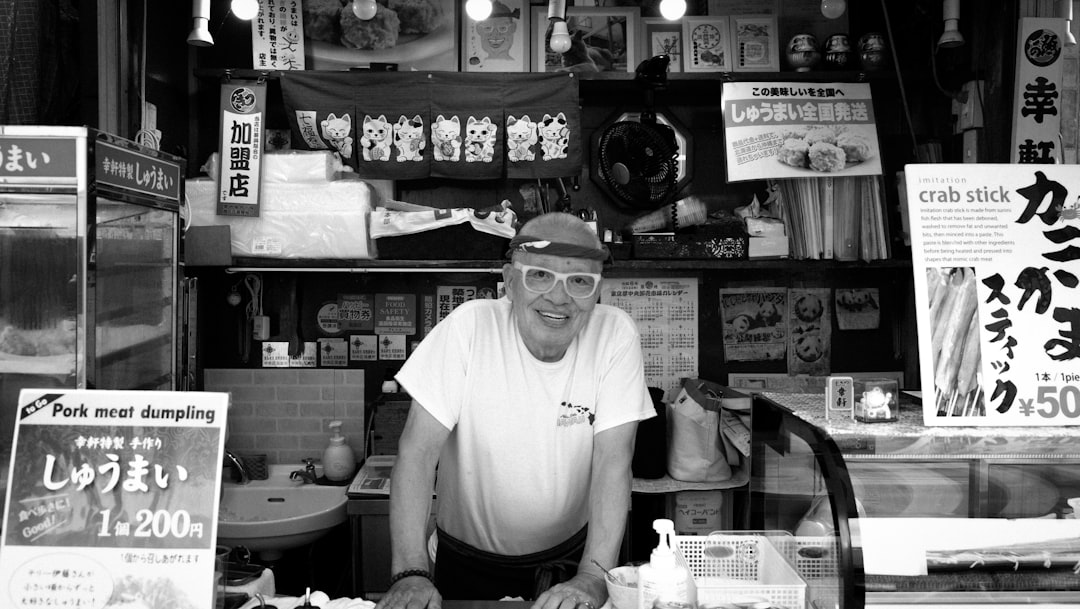
- Ask before you shoot close-up portraits. A nod and a smile go a long way. The vendors are used to curious visitors, but pointing a lens six inches from someone’s face without acknowledgment is how you get a fish thrown at you. (I learned this the hard way — a tuna wholesaler named Kato-san let me photograph him up close only after I showed him the previous shots on my LCD screen and he laughed at one where he looked especially fierce mid-shout.)
7:00am – 9:00am: Breakfast in the Outer Market
After shooting, you will be cold, exhilarated, and ravenous in that specific way that only pre-dawn activity produces. The Tsukiji outer market is your reward. The rows of vendor stalls serve what I genuinely believe is the best breakfast in Tokyo — not because it’s fancy, but because everything is absurdly fresh and eaten standing up at 7am after you’ve watched where it came from.
Hit Sushi Dai or Daiwa Sushi in the outer market for the omakase breakfast sets (expect a queue of 30–60 minutes, but it moves). For quicker options, grab a tamago yaki (sweet rolled egg omelette) skewer from any of the street vendors — it’s warm, slightly sweet, and costs about ¥150. If you want a more comprehensive guide to the best sushi stalls and how to order like a local, the complete Tsukiji sushi breakfast guide has all the details. I once ate three of them in a row while reviewing my shots on a bench and felt like I had won at life.
Practical Tips for Photography Enthusiasts
🎫 Book: Tokyo Market Photography Tour Experience →
Gear Recommendations
- Mirrorless or DSLR with solid high-ISO performance (Sony A7 series, Fujifilm X series, or Nikon Z series all perform well)
- A wide-angle and a short telephoto if you can manage two bodies or quick lens swaps
- Waterproof bag or cover — the floors are wet, the air is damp, and someone will definitely splash past you on a motorized cart
- Extra batteries — cold temperatures drain batteries faster, and you’ll be shooting for 3–4 hours
What to Wear
- Layers. Even in summer, the refrigerated sections are cold.
- Closed-toe shoes with grip. The floors are slippery, and there is fish debris. This is not the moment for white sneakers.
- Leave the rolling suitcase anywhere except here.
Etiquette and Access Rules
- The Toyosu visitor program prohibits flash photography during the auction — use that fast lens and high ISO.
- Children under junior high school age are not permitted into the Toyosu auction observation.
- In Tsukiji’s working lanes, stay out of the way of moving vehicles. The motorized carts will not stop for you.
The Shot That Made the Whole Trip Worth It
On my most recent visit, just before leaving the outer market at around 8:15am, I turned down a narrow side alley and found an elderly vendor — easily in his mid-seventies — carefully arranging single pieces of dried fish on a wooden rack in the slanted morning light that had finally broken over the rooftops. His hands moved with the kind of deliberate slowness that only comes from doing something thousands of times. He hadn’t noticed me yet. I raised my camera, set it to silent shutter, and took seven frames. In the fifth one, he looked up — not at me, but at the fish he’d just placed, with an expression of quiet satisfaction that I can only describe as the face of a person who still loves his work after five decades. That single frame, shot at 8:17am on a Tuesday in October, is the image I’ve printed and framed. It has nothing to do with the tuna auction and everything to do with why you wake up at 2:30am for a fish market.
Is the Tsukiji Tuna Auction Worth It for Photographers?
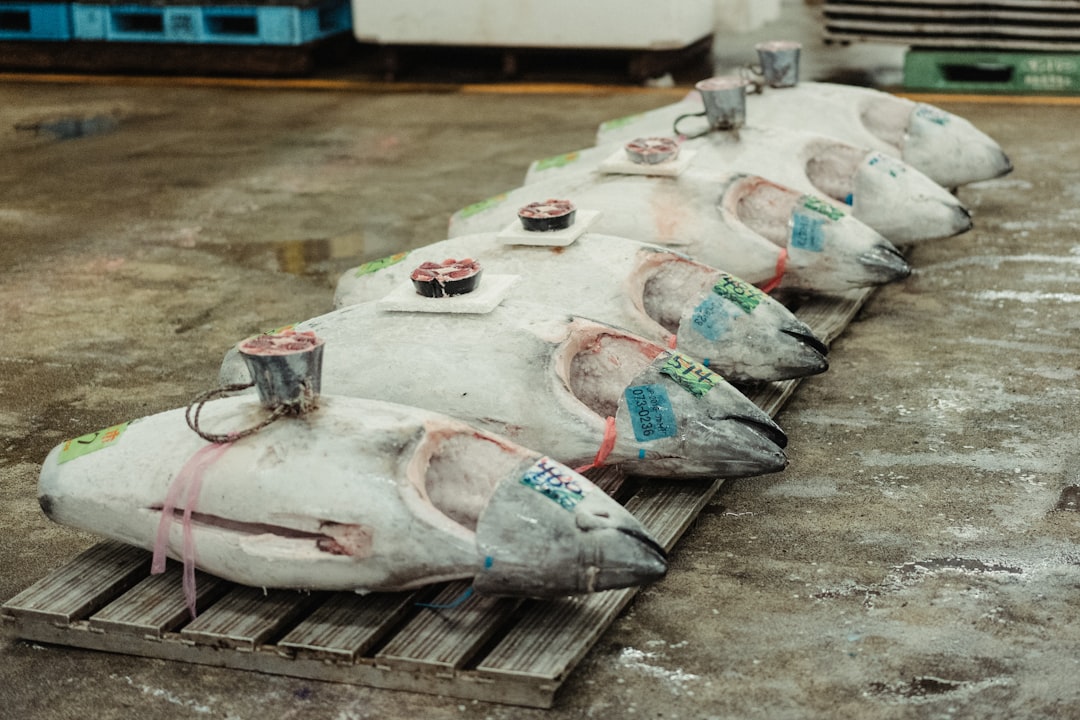
Absolutely — but calibrate your expectations correctly. The auction itself (at Toyosu) is a fascinating logistical puzzle to photograph through glass. The outer Tsukiji market streets are where the truly spontaneous, gritty, human photography happens. For a deeper exploration of the photography techniques and timing that work best in these early morning conditions, check out the complete Tsukiji market photography guide. Budget for both experiences across two mornings if you can. Your body will protest. Your memory card will thank you.
Tokyo rewards the photographers who show up before the city wakes up. And nowhere is that more true than in the salt-and-ice-scented corridors of the fish market at 4am, when the rest of the world is still dreaming.