If you’ve ever stared at a photograph of Tokyo’s glittering skyline and felt a physical ache to be inside that image — camera in hand, light falling perfectly — then Roppongi Hills is the place that will either heal you or ruin you for every other destination you’ve ever loved. This isn’t your average observation deck with a gift shop tacked on. Roppongi Hills is a vertical city of culture, art, architecture, and atmosphere stacked 54 floors high, and for photographers specifically, it offers a concentration of subject matter that I genuinely haven’t found anywhere else in Tokyo.
I still remember the first time I stepped out of Roppongi station and felt the shift — the neighborhood hums at a different frequency than anywhere else in the city. The air smelled faintly of rain-damp concrete and nearby restaurant exhaust, and above me the Mori Tower rose like a clean geometric argument against the chaos of the streets below. My camera was already out before I’d even reached the main plaza, drawn immediately to the way the late afternoon light sliced between the buildings at a sharp, almost aggressive angle that made every surface look like it had been lit by a cinematographer.
Why Roppongi Hills Is a Photographer’s Obsession
🎫 Book: Tokyo Tower Observation Deck Photography →
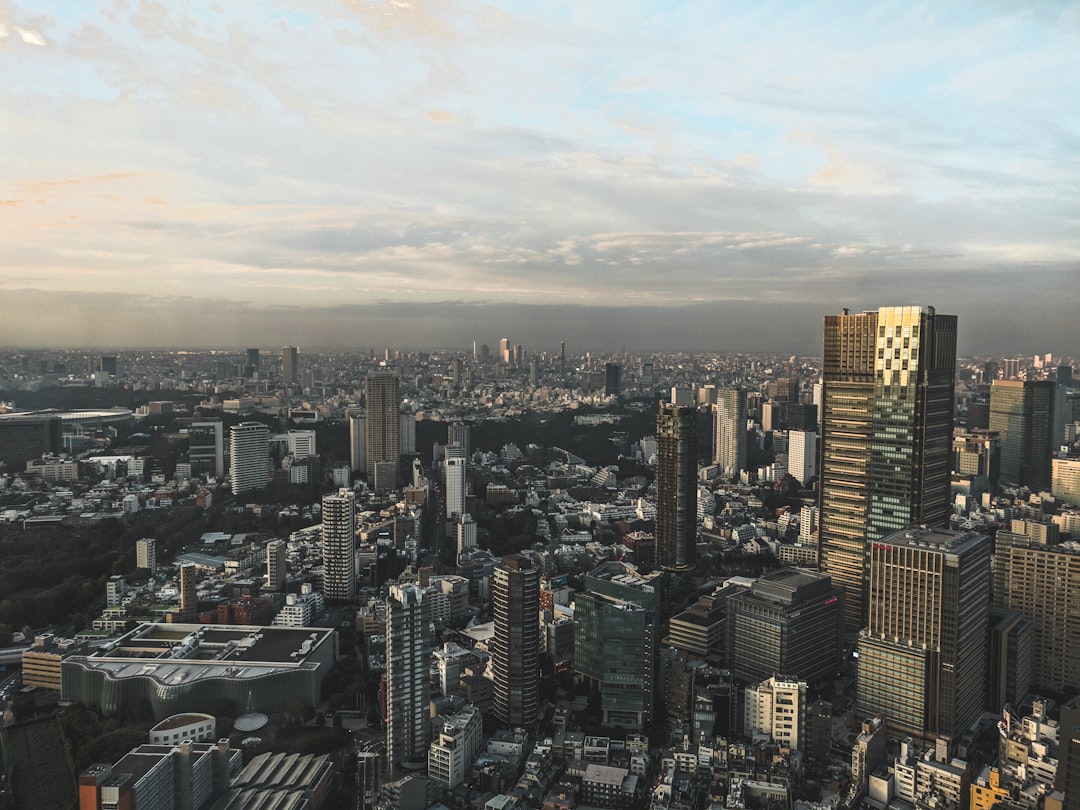
Let me be honest: Roppongi Hills is not a budget destination. But for photography enthusiasts willing to invest a day here, it punches so far above its entry price that you’ll stop doing the math pretty quickly. You’re essentially getting three distinct shooting environments — a world-class contemporary art museum, a rooftop observation deck, and a beautifully designed urban campus — all within the same complex.
The Mori Art Museum sits at the top of Mori Tower and consistently presents some of the most visually compelling contemporary exhibitions in Asia. The curatorial team isn’t afraid of massive, immersive installations — the kind that swallow you whole and make your camera feel like both a witness and a participant. Depending on which exhibition is running during your visit (they rotate roughly every three to four months), you could be shooting delicate sculptural works under controlled gallery light, or standing inside a room-sized digital landscape that makes your wide-angle lens feel inadequate in the most wonderful way.
What to Shoot at Mori Art Museum
Always check the museum’s photography policy before you go — it changes per exhibition, and some featured artists restrict photography. That said, a significant number of Mori’s shows actively welcome cameras, and the architecture of the gallery spaces themselves is worth documenting even when individual works are off-limits. The long, corridor-style approaches to the main exhibition halls create natural leading lines that are almost embarrassingly photogenic. Bring a 24–70mm if you’re shooting with a kit zoom; I personally favor a 35mm prime in gallery spaces for the way it forces discipline on my framing.
One thing I discovered completely by accident on my third visit: if you arrive right when the museum opens at 10am on a weekday, you’ll often have the larger installation rooms almost entirely to yourself for the first thirty to forty-five minutes. I once had an entire room-sized Yayoi Kusama-inspired infinity mirror piece to myself for nearly twenty minutes, shooting from every angle without a single elbow in my frame. A staff member noticed me adjusting my tripod and quietly mentioned that Tuesday mornings were typically their slowest period — small gold, freely given.
Tokyo City View: The Observation Deck That Changes Everything
🗾 Book: Tokyo art museum admission & exhibitions →
🗾 Book: TeamLab art experience & subway access →
🗾 Book: Tokyo cultural museums & attractions →
🎫 Book: Roppongi Hills Art Museums Tokyo →
🎫 Book: Modern Art Museum Tours Tokyo →
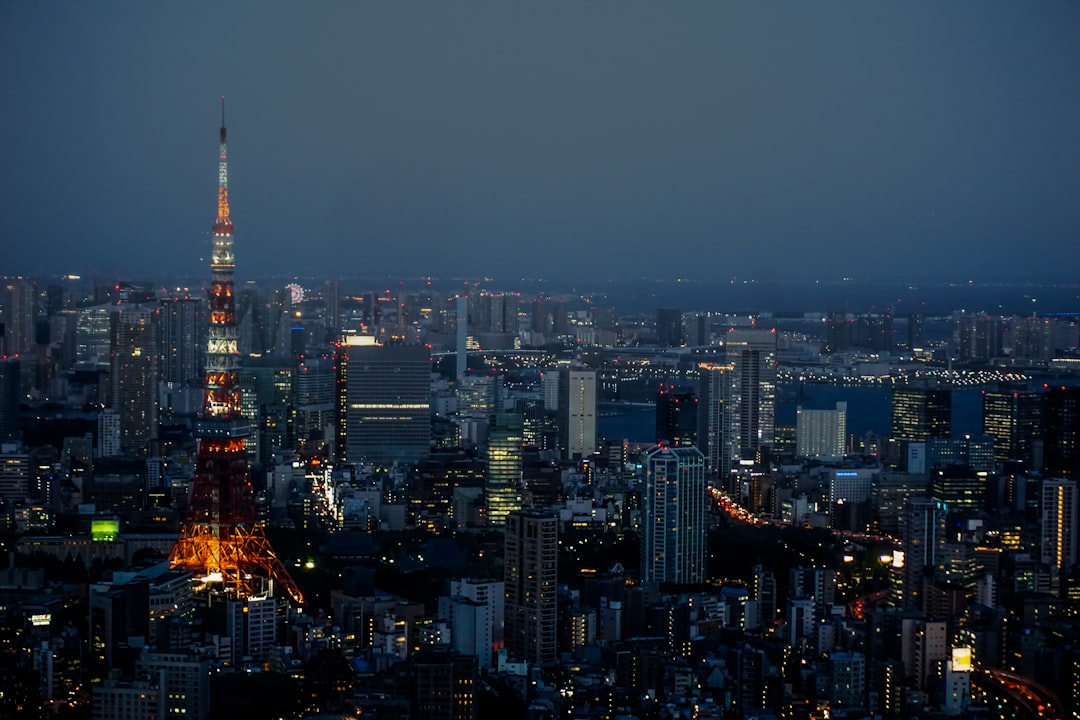
If Mori Art Museum is the soul of Roppongi Hills for photographers, the Tokyo City View observation deck on the 52nd floor is the money shot — the frame that makes people slide into your DMs asking where you were standing.
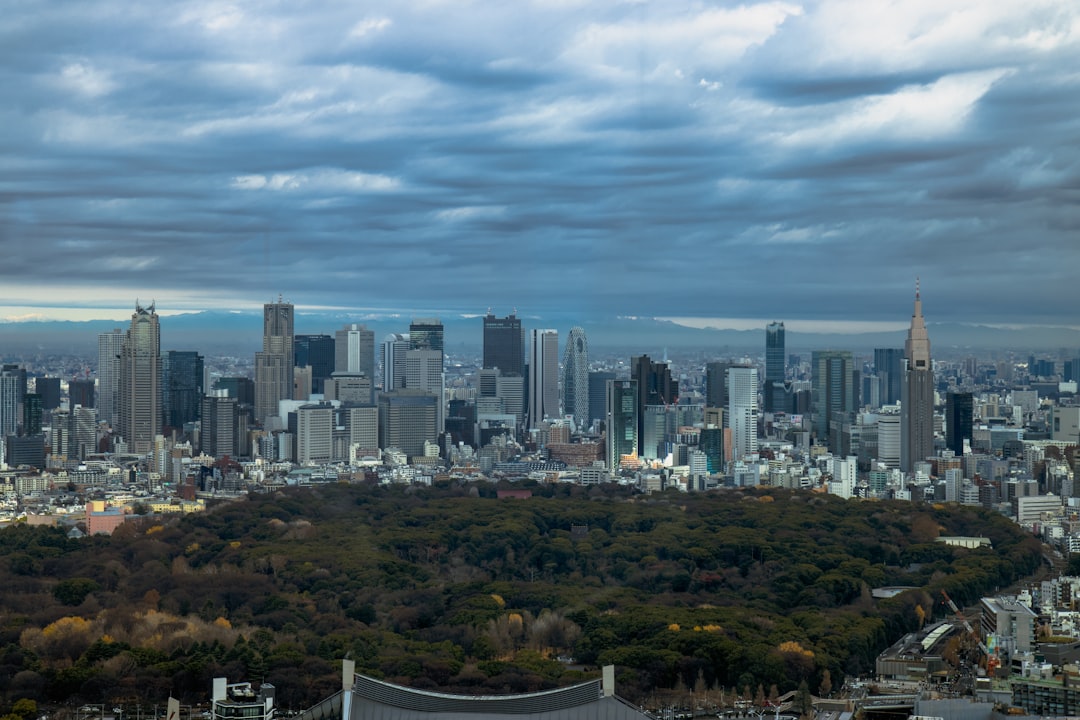
The deck runs around the entire circumference of the floor, giving you 360-degree views of Tokyo stretching to the horizon in every direction. On a clear day, you’ll see Mount Fuji floating above the western skyline like something out of a painted screen. On a hazy day, you’ll shoot moody, layered urban fog that makes Tokyo look like a cyberpunk novel come to life. Honestly, I’ve had stunning shots in both conditions.
Timing Your Visit for the Perfect Shot
For photography enthusiasts, timing is everything here, and I cannot stress this enough: go for the blue hour, not golden hour. Most visitors time their arrival for sunset, which is beautiful but also means the deck is absolutely packed. Arrive about 90 minutes after sunset — typically around 7:30 to 8:30pm depending on the season — and you’ll hit that deep blue atmospheric window when the city’s lights are fully ignited against a sky that hasn’t gone completely black yet. The contrast is extraordinary, and the crowd thins dramatically because most casual visitors have already headed down.
Bring a small travel tripod or a GorillaPod — there are glass railings along the outer sections that make a perfect stabilizing surface if you’re shooting without a full tripod setup. The 52nd floor also connects to a separate outdoor Sky Deck on the roof (54th floor) for an additional fee, and this is where you’ll shoot with zero glass between your lens and the city. Wind can be intense up there, so brace yourself — and your camera strap.
The Surrounding Complex: Street Shots and Architectural Details
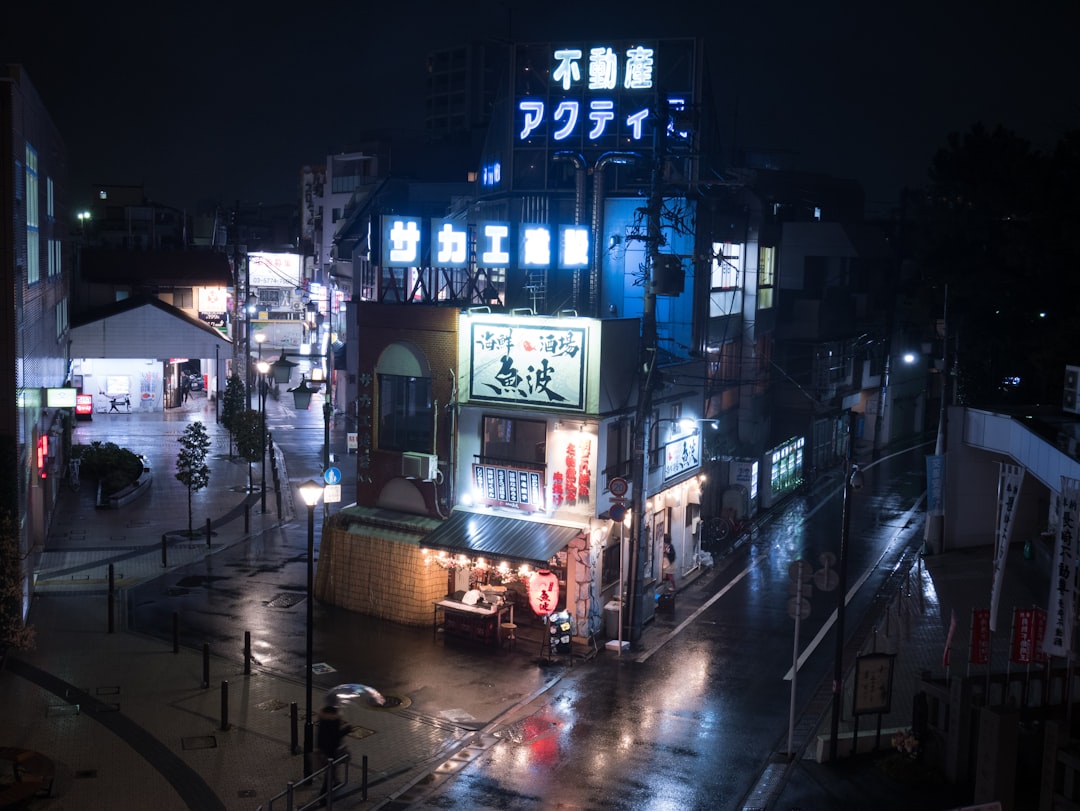
Before you even go inside, spend at least an hour walking the Roppongi Hills complex at ground level. The architecture here — designed with careful attention to public space flow — creates a genuinely interesting urban landscape that rewards slow, attentive photography.
The giant bronze spider sculpture Maman by Louise Bourgeois that stands near the main entrance has been photographed a million times, but almost always from the same angle. Try shooting low and close on a wide lens, looking up through the spider’s legs toward the tower — the scale distortion is immediately disorienting and dramatically more interesting than the standard tourist shot.
Finding the Quiet Corners
The Mohri Garden below the main complex is a traditional Japanese garden that most visitors to Roppongi Hills walk past without a second glance because it’s slightly below street level and easy to miss. I found it on my second trip when I followed a woman in a yellow raincoat who disappeared down a set of stone steps, and I genuinely gasped when the garden opened up around me. There’s a small pond with koi and a backdrop of the surrounding skyscrapers — traditional Japan compressed against ultramodern Tokyo in a single frame. Early morning is best here, around 8am, when mist sometimes sits on the water and the light comes in low from the east. Similar contemplative garden spaces can be found throughout Tokyo, such as the Tokyo Imperial Palace East Gardens, where the blend of nature and architecture creates equally compelling photographic opportunities.
Food and Fuel: Where Photographers Eat Between Shoots
You’re going to be on your feet all day, so eating well matters. The Roppongi Hills Hillside complex has a good selection of cafés and restaurants, but for the best experience and the best light for your food photography, I recommend heading to Dōmdomburger or finding a seat at one of the smaller third-wave coffee shops on the edges of the complex rather than the main central atrium.
For a proper sit-down meal, the 51st-floor restaurant level inside Mori Tower has multiple options with floor-to-ceiling views — arrive at opening time (around 11am for lunch) and you can sometimes score a window seat without a reservation. Order the lunch set, point your camera at the city below, and take ten minutes to just breathe before shooting again. For those interested in culinary experiences paired with fine art appreciation, Ginza’s Michelin fine dining scene also offers exceptional visual composition opportunities for food photographers.
Practical Tips for Photography Enthusiasts
- Combined ticket: Purchase the Mori Art Museum + Tokyo City View combined ticket — it saves money and lets you move between the museum and observation deck freely within the same day.
- Gear: A 24–70mm covers 90% of what you’ll need. Bring a fast 50mm or 35mm for low-light gallery work.
- Batteries: Cold winter air drains batteries faster up on the open Sky Deck — carry a spare.
- Best seasons: Late autumn (November) gives you clear Fuji views and beautiful early darkness. Spring (March–April) brings softer light and cherry blossom frames if you incorporate the Mohri Garden. For comprehensive seasonal photography planning, consult the Tokyo Cherry Blossom Season photography guide.
- Crowds: Weekday mornings for the museum; late evening for the observation deck. Avoid weekend afternoons entirely.
Before You Leave
On my last evening at Roppongi Hills, I stayed on the Tokyo City View deck until nearly 9pm, long after the tour groups had filed out. The city below had settled into its nighttime rhythm — those millions of individual lights that somehow resolve into something coherent and breathing when you look at them from above. I was reviewing shots on my LCD screen and one image stopped me cold: a reflection in the observation deck glass had accidentally layered my own silhouette against the lit skyline, and in the double exposure of real and reflected Tokyo, I looked like I belonged to both worlds simultaneously. I hadn’t planned it. I couldn’t have planned it. That’s the thing about Roppongi Hills — it keeps giving you images you didn’t know you were there to make.
Final Thoughts
Roppongi Hills rewards the photographer who slows down, pays attention, and is willing to return more than once. A single visit will give you technically impressive shots. But it’s the second and third visits — the ones where you know the light schedule, you know the quiet corners, you know to follow the woman in the yellow raincoat — that give you photographs with actual soul. Book the ticket, charge your batteries, and go.