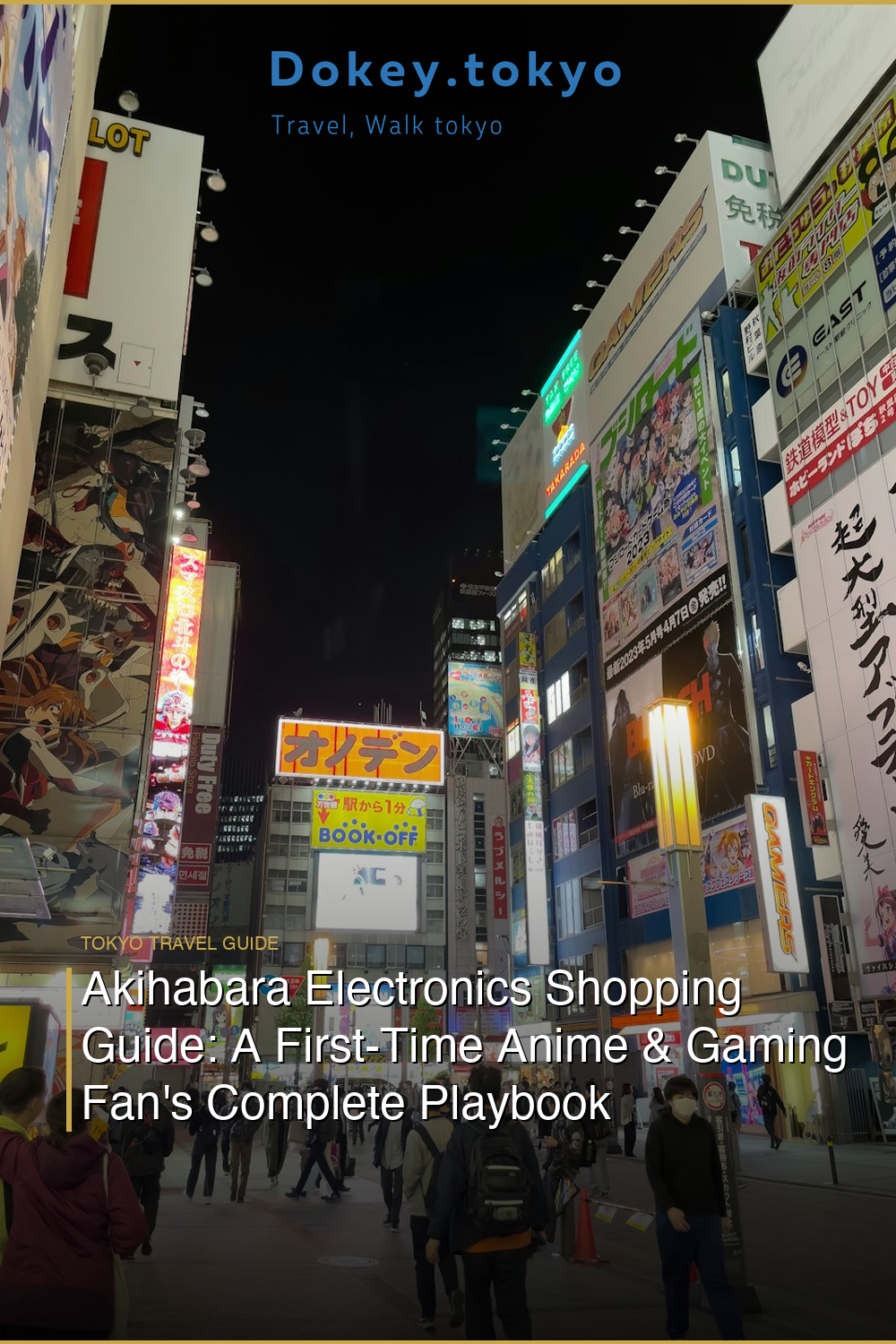
If someone had told me before my first trip to Tokyo that a single neighborhood could make me feel like I’d stepped directly into a fever dream of neon, sound effects, and collectible nostalgia, I would have nodded politely and assumed they were exaggerating. They were not exaggerating. Akihabara — or “Akiba” as locals call it — is unlike anywhere else on earth, and if you’re arriving as a first-timer with a love for anime, gaming, or tech, you are about to have a very expensive, very glorious problem. This guide is everything I wish someone had handed me before I walked through those doors.
I still remember stepping out of Akihabara Station on a Thursday afternoon in late October, the sky that particular shade of pewter Tokyo gets in autumn, and being hit immediately by the sound — a layered wall of J-pop idol music, mecha sound effects, and announcements bleeding out of a dozen storefronts at once. The air smelled faintly of takoyaki from a cart nearby and something electrical, like a convention center warming up. My heart did something embarrassing and fast, and I stood on the pavement for a full minute just turning in slow circles.
Understanding Akihabara Before You Walk In
🎫 Book on Klook: Anime District Walking Guide →
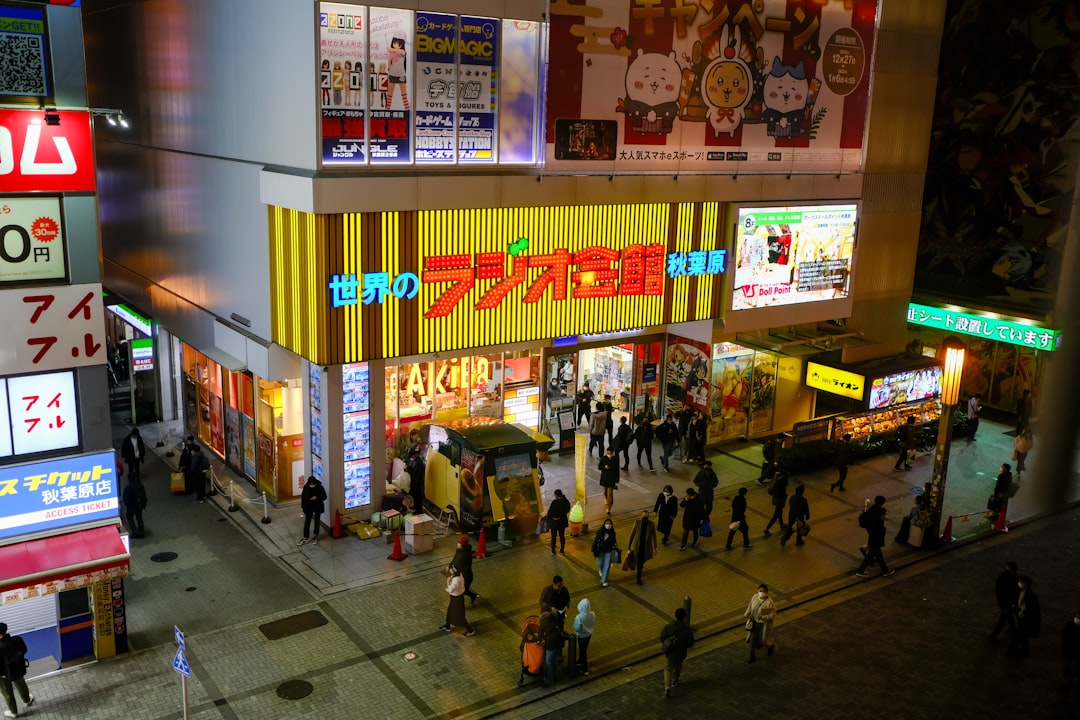
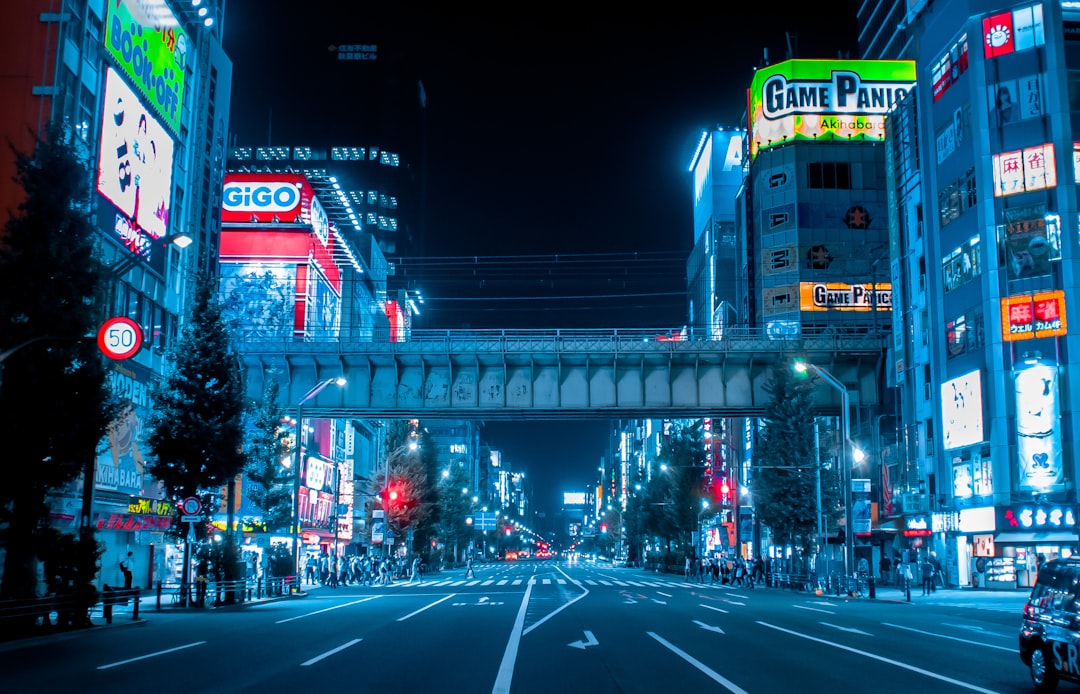
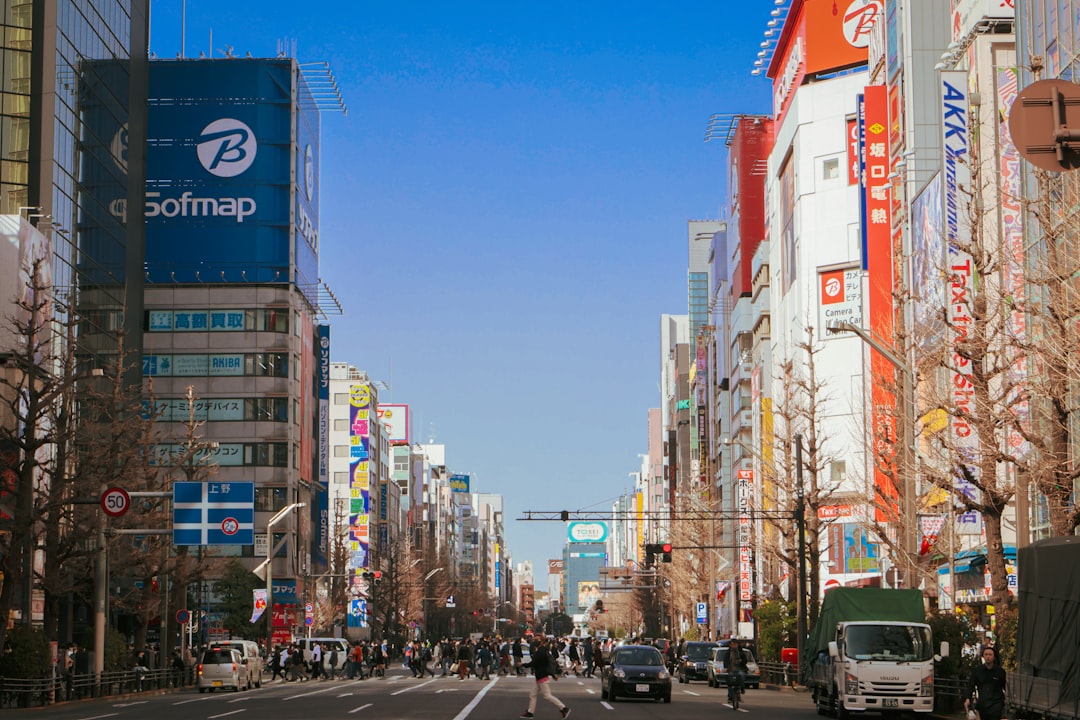
Akihabara stretches along Chuo Dori and spills into a web of side streets that most first-timers never find. The main boulevard is where you’ll get your bearings — big anchor stores like Yodobashi Akiba and BIC Camera dominate here — but the real magic is in the narrow alleyways and multi-story specialty shops tucked between them. Think of the main street as orientation and the side streets as the actual treasure hunt.
The Lay of the Land
- Chuo Dori (Main Street): Major electronics retailers, gaming shops, and flagship anime stores. Great for first passes and price comparisons.
- Electric Town Exit Side Streets: Denser, older, more chaotic. This is where vintage game carts, doujinshi, and rare figures live.
- Radio Kaikan Building: Eight floors of specialty vendors — this is a must if you collect figures, garage kits, or vintage anime merchandise.
The Essential Stops for Anime & Gaming First-Timers
🗾 Book on Viator: Akihabara anime paradise tour for fans →
🗾 Book on Viator: Akihabara shopping guide anime games ret →
🗾 Book on Viator: Akihabara hidden gems anime manga walk →
Yodobashi Akiba — Your Starting Point
Yodobashi Akiba is the largest electronics retail complex in Akihabara, and honestly, walking in for the first time as a first-timer is the right move. It’s organized, staff speak enough English to help you navigate, and the sheer scale of it gives you a reference point for prices. You’ll find everything from the latest gaming consoles and components to household appliances and camera gear. Grab a tax-free form at the service counter if you’re spending over ¥5,000 — as a tourist, you are absolutely entitled to the consumption tax refund, and it adds up fast.
Super Potato — The Retro Gaming Holy Ground
If retro gaming is your religion, Super Potato is the cathedral. Spread across multiple floors near the Electric Town exit, this store stocks Famicom cartridges, Super Nintendo games with original boxes, vintage Game Boys, and obscure PC-98 software you’ve probably only seen in YouTube retrospectives. Prices aren’t always cheap — Super Potato knows what it has — but the selection is unmatched. Go early on a weekday if you can; weekends bring serious crowds and the best items disappear fast.
On my third visit to Super Potato, I was digging through a bin of loose Game Boy Advance cartridges when the older staff member behind the counter, noticing my obvious confusion about a particular cart label, walked over and quietly told me — in careful, kind English — that the one I was holding was a reproduction. He didn’t have to do that. He just smiled, pointed at a detail on the label seam, and went back to his register. That kind of quiet expertise is what makes Akiba special.
Animate — The Anime Merchandise Mothership
Animate’s Akihabara flagship is seven floors of licensed anime merchandise — from current season simulcast fandoms to legacy properties that have been running since before you were born. First-timers should spend time on the floor dedicated to their current obsessions, but don’t skip the clearance and older stock sections. You’ll find officially licensed goods for shows that simply aren’t available outside Japan through any reasonable channel. Animate also gets exclusive items tied to anime film releases and collaboration events, so check their website before you go to see if anything special is running.
Mandarake Complex — For the Serious Collector
Mandarake is an eight-story secondhand anime and manga complex, and it is not for the faint of heart or light of wallet. Each floor specializes in a different category: doujinshi, figures, cosplay, vintage manga, trading cards, and more. The lighting is dim, the aisles are narrow, and the inventory is absolutely overwhelming. For first-timers, I recommend picking one or two categories you care most about and focusing there rather than trying to see everything — you will not see everything.
Kotobukiya — Premium Figures Done Right
If you’re looking to bring home a high-quality figure that will survive the flight and look incredible on a shelf, Kotobukiya’s Akihabara store carries their own production line alongside other premium brands. The staff here are used to international visitors, and the display cases showcase figures in a way that lets you assess paint quality before you commit. This is where I’ve spent more money than I’ll publicly admit.
Navigating the Tech Side of Akihabara
🎫 Book on Klook: Akihabara Electronics & Anime Tours →
Akihabara’s roots are in electronics, and even if anime is your primary mission, don’t sleep on the tech shopping. For first-timers interested in keyboards, audio equipment, or PC components, the specialty shops along the side streets near the station carry items that simply aren’t available — or are significantly more expensive — anywhere else.
Key Tech Zones
- DOS/V Paradise and similar shops: PC components, custom keyboards, enthusiast-grade peripherals
- Audio specialty floors in Yodobashi: Headphones, DACs, and portable audio gear at competitive prices with tax-free options
- Used electronics stalls: Tucked into the covered alleyways, these sell everything from vintage synths to used DSLRs — inspect carefully and know your prices
Food & Drink in Akihabara: Fueling Your Shopping Day
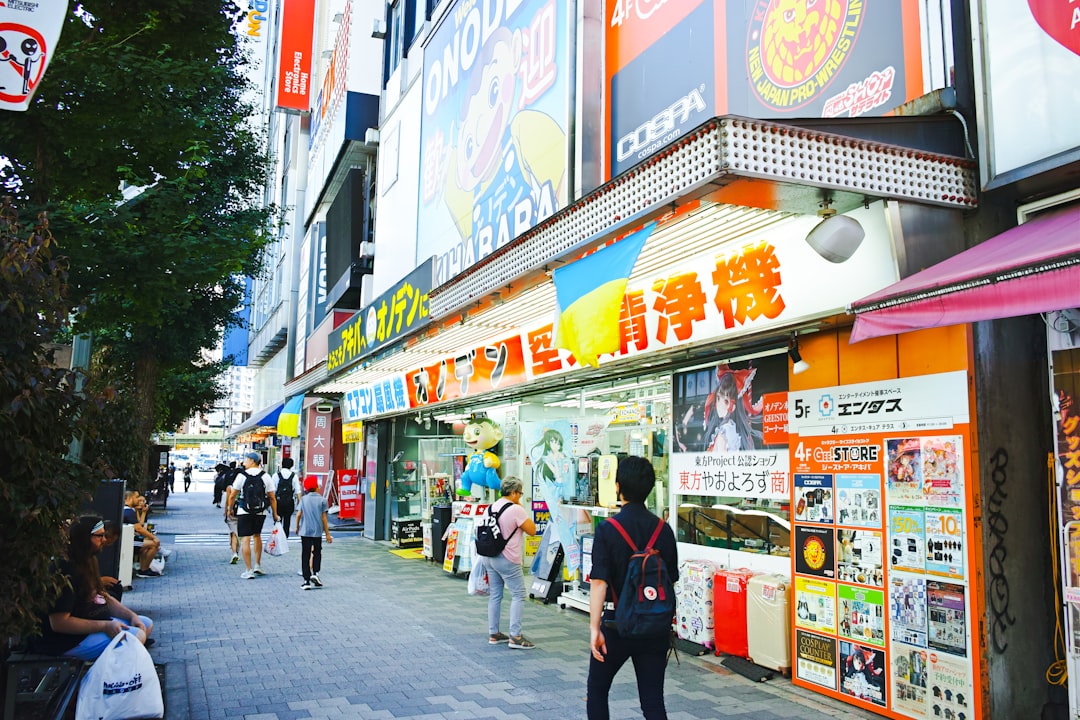
You will need to eat. Your brain will short-circuit around hour three and you’ll need calories to continue making rational purchasing decisions. Fortunately, Akihabara has solid options.
Where to Eat Without Wasting Time
- Curry shops on the basement and first floors of most department buildings: Fast, cheap, filling. Japanese curry is warm and comforting and exactly what you need between shops.
- Maidreamin or @home Cafe: Yes, it’s touristy. Yes, you should go once. The omurice (egg omelet over rice with ketchup art drawn by your server) is genuinely tasty, and the experience is completely unique to Akihabara culture. Book in advance online — walk-in waits on weekends are brutal.
- Standing ramen counters near the station: Fast, authentic, no-fuss. Look for the ticket vending machine at the entrance and point at what looks good.
- 7-Eleven or Lawson convenience stores: Grab melon bread, onigiri, or a canned coffee and keep moving. No shame in the convenience store strategy.
Practical First-Timer Tips That Will Save You
🎫 Book on Klook: Tokyo Gaming & Tech Experience →
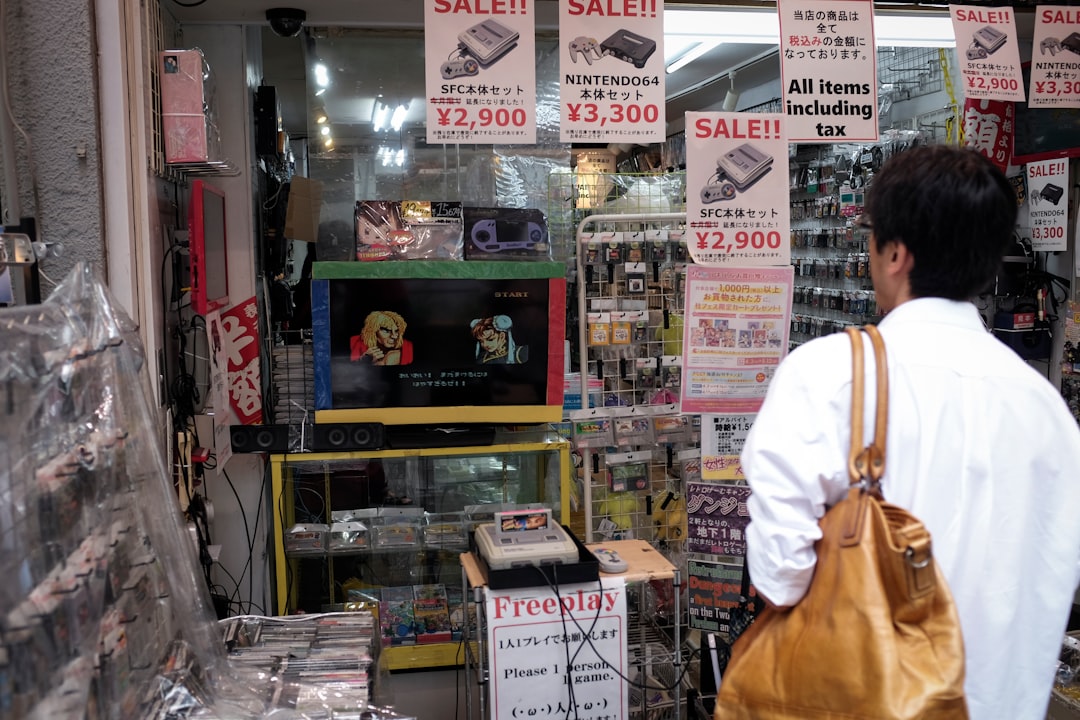
Timing Your Visit
Weekday mornings — ideally Tuesday through Thursday, arriving right when shops open around 10 or 11 AM — give you the quietest, most navigable experience. Saturday afternoons are genuinely chaotic. If you’re visiting during a major anime event or the first week of a new season’s merchandise drop, expect double the crowds. If you’re looking to explore other neighborhoods alongside Akihabara, Harajuku’s fashion and youth culture scene makes for a great pairing on the same day.
Budget and Payment
Many specialty shops, particularly smaller used goods vendors, are still cash-preferred or cash-only. Bring yen. Withdraw from a 7-Bank ATM inside any 7-Eleven — they reliably accept foreign cards and the fee is low. Budget more than you think you’ll spend. I have never once left Akihabara under budget. Not once.
The Tax-Free Reality
As a tourist, purchases over ¥5,000 at participating retailers qualify for consumption tax exemption (currently 10%). This is not automatic — you need to present your passport at a designated tax-free counter. At large stores like Yodobashi and BIC Camera, this is seamless. At smaller shops, ask before you buy.
Shipping Heavy Hauls Home
If you buy more than you can carry — and you will — Japan Post’s international shipping service is reliable and reasonably priced. Several shipping consolidation services operate near Akihabara and in major tourist areas. Box up your figures, games, and merchandise and ship them home rather than destroying your luggage allowance.
It was my fifth visit to Akihabara, a drizzly Tuesday in November, and I’d ducked into a tiny basement shop I’d somehow missed every time before — barely wider than a hallway, every wall lined floor-to-ceiling with vintage Gunpla box sets still in their original shrink wrap. The shopkeeper, a man in his sixties with reading glasses pushed up on his forehead, was eating a convenience store onigiri at his desk and listening to what I eventually recognized as a Zeta Gundam soundtrack on a small speaker. He didn’t look up when I walked in. He didn’t need to. The whole room felt like stepping into someone’s private archive, and I stayed for forty minutes and spent way too much on a 1/144 scale Mobile Suit I definitely didn’t have room in my suitcase for.
Making the Most of Your First Akihabara Visit
Akihabara rewards curiosity and punishes rushing. Give yourself a full day — six to eight hours minimum — and plan to walk every floor of at least two or three major buildings before making any purchases. Price-check aggressively, especially on figures and games, because the same item can vary by 20–30% between shops on the same block. Download the Google Translate app with Japanese offline capability — camera scan translation is genuinely useful for reading product descriptions and condition ratings on used goods.
For more context on Tokyo’s shopping neighborhoods and pop culture attractions, Odaiba’s anime and pop culture scene offers another perspective on Tokyo’s fan culture. Most importantly, allow yourself to be overwhelmed. The sensory overload is part of the experience, not a problem to be solved. This is a place built by enthusiasts, for enthusiasts, and it shows in every sticker-covered stairwell, every display case lit just right to show off a figure’s paint, every employee who actually knows and loves what they’re selling. For a first-timer who grew up watching anime on a laptop and dreaming about this neighborhood — walking through Akihabara feels, honestly, like being seen.