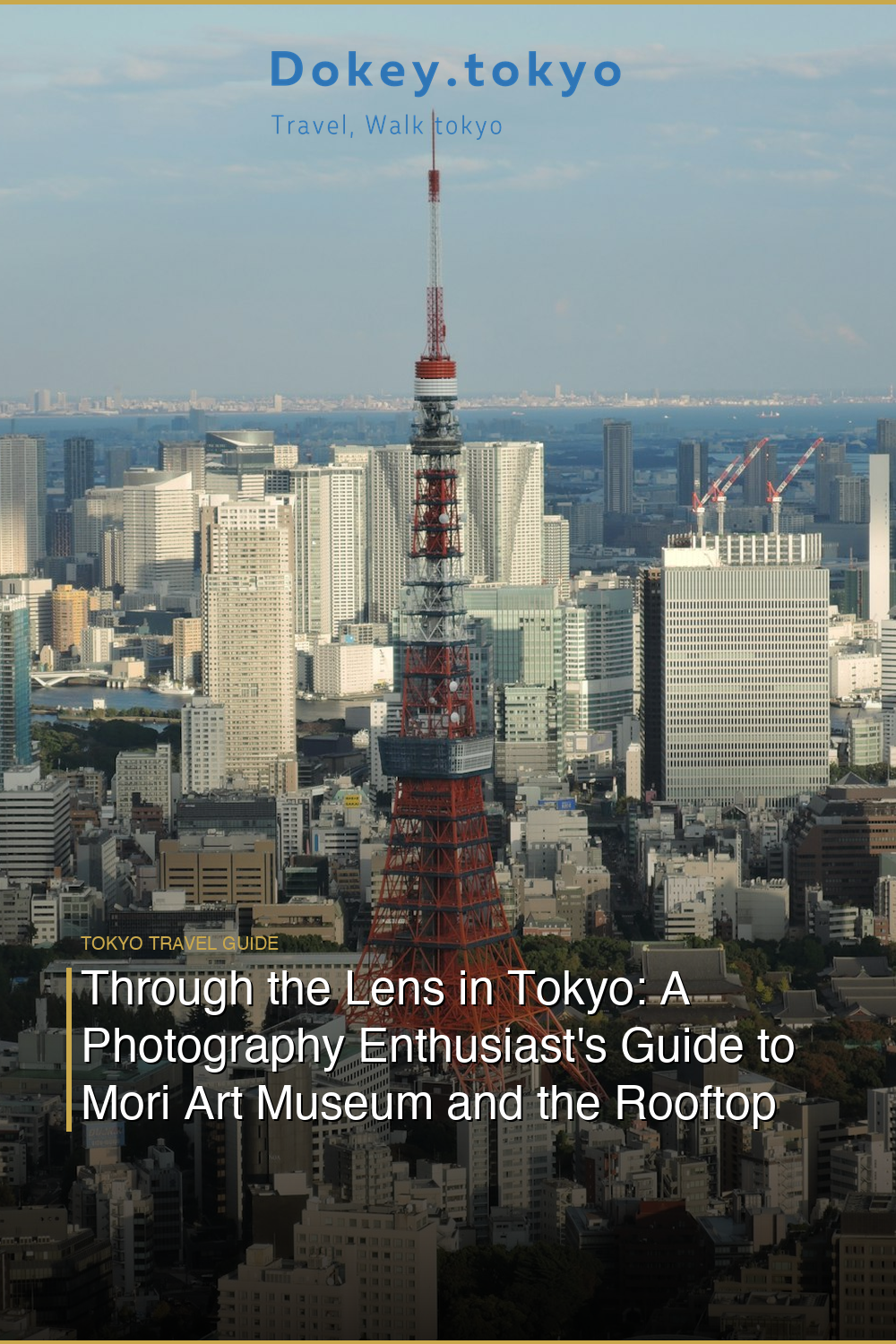
If you have ever stood on a rooftop at dusk with a camera in your hands, heart hammering slightly, watching a city transform from gold to violet to glittering neon below you — then Mori Art Museum and Tokyo City View are already calling your name. Perched on the 52nd and 53rd floors of Mori Tower in Roppongi Hills, this cultural complex delivers two obsession-worthy experiences in one ticket: a serious, world-renowned contemporary art museum and a 360-degree open-air observation deck that will make every photographer you know deeply, unreasonably jealous.
I still remember stepping out of the elevator on my first visit, completely unprepared for what the light was doing that evening. It was around 5:30 PM in late October, and the sky outside the floor-to-ceiling windows had turned this impossible shade of tangerine layered with deep rose — Tokyo Tower glowing red in the middle distance like an ember. My hands were already reaching for my camera before I had even properly read a single wall label.
Why Mori Art Museum is a Photographer’s Playground
🗾 Book: Private Photoshoot in Tokyo →
🎫 Book: Roppongi rooftop photography tour →
🎫 Book: Tokyo modern art museum experience →
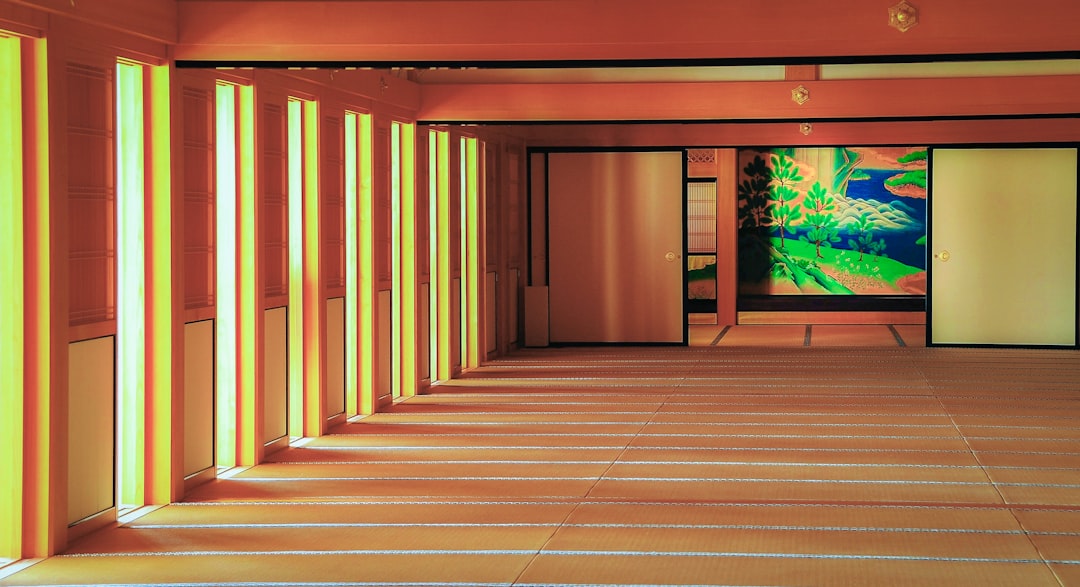
Let’s be clear: Mori Art Museum is not a dusty, hush-and-shuffle kind of place. Since opening in 2003, it has built a reputation as one of Asia’s most ambitious contemporary art institutions, regularly hosting large-scale immersive installations and boundary-pushing exhibitions from both Japanese and international artists. For photographers, this is extraordinarily good news, because immersive and large-scale means dramatic, textural, visually complex — exactly what you want filling your frame.
What to Expect Inside the Museum
The museum typically runs two or three major exhibitions per year, and the curators genuinely swing for the fences. Past shows have included massive Ai Weiwei retrospectives, haunting Yayoi Kusama infinity-room-style installations, and sweeping surveys of future-facing Japanese design. Before you visit, check the museum’s website to see what’s currently showing — the nature of the exhibition dramatically shapes what kind of photography opportunities you’ll have.
Many exhibitions at Mori allow photography without flash, which means you can shoot freely throughout large portions of the gallery. When I visited during a kinetic sculpture show, I spent nearly an hour lying on the floor shooting upward through suspended mobile sculptures against the white ceiling, completely oblivious to other visitors walking around me. A gallery attendant — a soft-spoken young woman with a perfect bun — actually crouched down beside me and quietly said, “Better angle if you move two steps left,” pointing toward a gap in the hanging pieces. She was absolutely right. That image is still one of my favourite photographs from all my Tokyo trips.
Photography Tips Inside the Galleries
Bring a wide-angle lens. The installation pieces often fill entire rooms, and you will desperately want that 16-24mm range to capture the full spatial impact. A 35mm prime works beautifully for detail shots and texture work.
Shoot during quieter hours. Weekday mornings, particularly Tuesday through Thursday between 10 AM and noon, give you the best chance of having gallery spaces to yourself. Crowds on weekends can make long-exposure or compositionally clean shots nearly impossible.
Use natural light near the windows. Certain gallery corridors and transitional spaces have large windows with extraordinary diffused Tokyo light. Position portraits or still compositions near these if you can.
Respect the no-photography zones. Some rooms and specific works will have clear signage prohibiting cameras. Honour these without argument — it keeps the whole museum camera-friendly for everyone.
Tokyo City View: The 360-Degree Observation Deck
🎫 Book: Mori Art Museum Tokyo tickets →
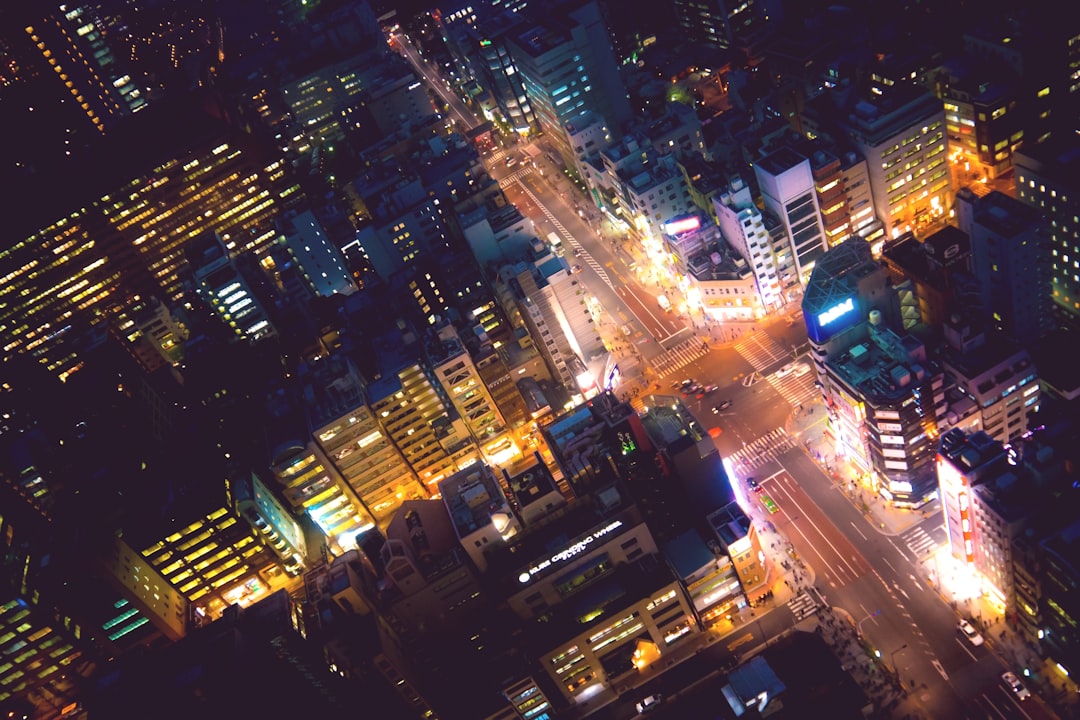
Included in your combined ticket (which runs around ¥2,000 for adults — exceptional value), Tokyo City View on the 52nd floor is where photography enthusiasts genuinely lose track of time. The deck wraps the entire circumference of the building, with enormous glass panels and a dedicated outdoor Sky Deck above on the 54th floor available for an additional ¥500.
The Best Time to Shoot from the Top
This is the single most important tip I can give you: arrive 45 minutes before sunset and plan to stay for at least 90 minutes after. The reason is that you will catch three completely distinct lighting conditions in that window — golden hour, the blue hour transition when the city begins to switch on its lights, and full night when Tokyo becomes a circuit board of white and amber and neon stretching to every horizon.
The magic hour light here is unlike anything I’ve experienced from other observation decks. Because Roppongi Hills sits slightly southwest of central Tokyo, you get Tokyo Tower in your mid-frame to the east, the Skytree blinking purple and white far in the distance to the northeast, and the dark green expanse of Shinjuku Gyoen and Yoyogi Park creating breathing space in the composition. On clear winter days — December through February offer the sharpest visibility — you can see Mount Fuji floating above the western skyline like a pale brushstroke.
What to Bring for the Best Shots
- A sturdy compact tripod or gorilla pod. Full-size tripods are generally not permitted on the observation deck, but small flexible tripods are manageable and staff are usually accommodating. Brace your camera against the glass railing for stability.
- A remote shutter release or your phone’s timer function. Essential for eliminating camera shake during long exposures.
- A circular polarising filter. During the day, it cuts glare off the glass panels dramatically.
- Your widest lens and a short telephoto. The wide angle captures the overwhelming sweep of the city; a 70-100mm lets you isolate Tokyo Tower or compress interesting layered neighbourhoods.
Shooting Through the Glass vs. the Outdoor Deck
The indoor observation floor gives you climate-controlled comfort and reflections you can work creatively — shooting a couple admiring the view, using the glass as a mirror layer in your composition. The outdoor Sky Deck, however, is where you get the glass-free, fully unobstructed shots. Wind can be significant up there, especially in winter, so bring a jacket you won’t regret and keep lens caps somewhere they won’t fly away.
Fuelling Your Creative Session: Food and Drinks at Roppongi Hills
Roppongi Hills is a self-contained world, which is enormously convenient when you are deep in a shooting session and suddenly realise you haven’t eaten since breakfast. The complex has dozens of dining options across multiple floors.
For a pre-shoot fuel-up, the basement-level food hall has excellent ekiben-style bento boxes and fresh onigiri that won’t slow you down. For a more deliberate coffee-and-plan session, the Mori Art Museum café on the museum floor offers a peaceful view and surprisingly good pour-over coffee — order the houjicha latte if it’s on the seasonal menu and find a window seat.
If you want to reward yourself after a long shooting session, the restaurant floor has everything from Neapolitan pizza to beautiful sushi counters, but I always end up at one of the izakaya-style spots in the surrounding Roppongi neighbourhood afterward, where the energy completely shifts — louder, smokier, full of locals and expats winding down.
Practical Tips for Photography Enthusiasts Visiting Mori Art Museum
🗾 Book: Night Photography Tour →
🗾 Book: Street Photoshoot with Pro →
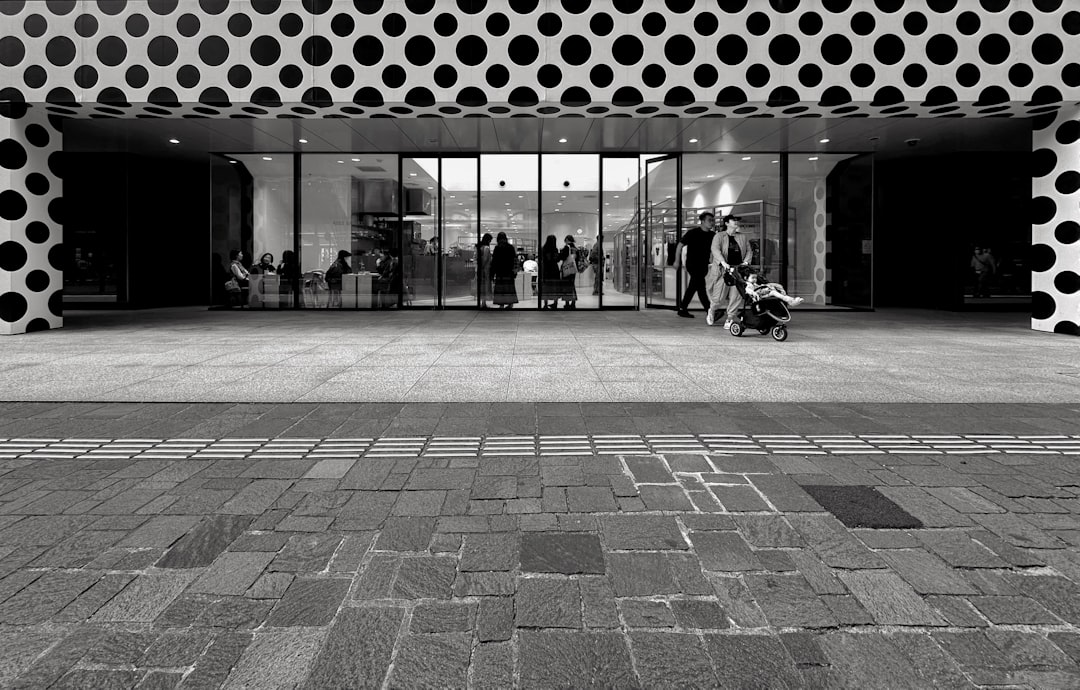
Book tickets online in advance. The combined Museum + Tokyo City View ticket is available on the official website. Weekend evenings can sell out, particularly during blockbuster exhibitions. Booking ahead also means you skip the queue entirely, which matters when you’ve timed your arrival for golden hour.
Museum hours are generously late. Mori Art Museum is open until 10 PM on most days (check current hours, as they vary), which means you can genuinely plan a sunset-and-night-photography visit without any time pressure. This is one of my favourite things about it — there’s no race against closing time.
Combine with teamLab Borderless (nearby). The digital art experience at teamLab Borderless in Azabudai Hills is now re-open and is a short taxi or walk from Roppongi Hills. Planning both on the same day gives you an extraordinary double-header of photographic opportunity.
Dress in layers for the Sky Deck. Weather 250 metres above street level operates by its own rules. I’ve been surprised by bitter wind on what felt like a mild November afternoon at street level — the deck was brutal.
One Last Frame Before You Leave
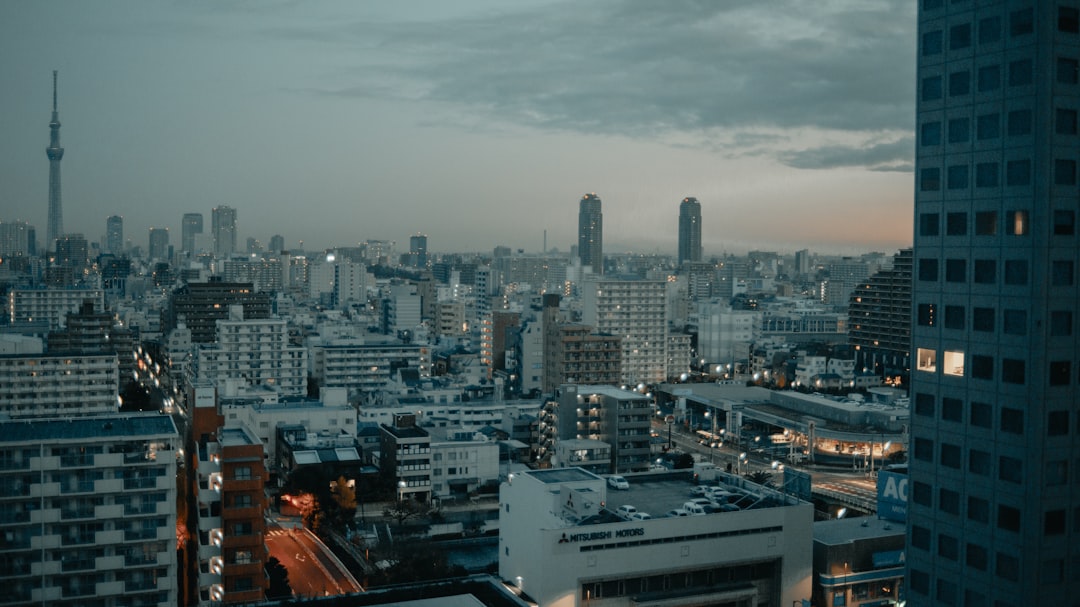
I was on the outdoor Sky Deck well past 9 PM on my most recent visit, the last lingering photographer as the crowd thinned to almost nothing. Tokyo had settled into its full nighttime mode below me — the expressways threading orange light through dark districts, a plane descending silently toward Haneda far to the south, Tokyo Tower switching to its diamond veil illumination that only runs on special days. I pressed my gorilla pod against the railing, took a ten-second exposure, and when I looked at the result on the screen, I felt that specific, quiet satisfaction that only a genuinely perfect frame produces — the kind where you know before you’ve even processed it that you won’t need to shoot it again.
Is Mori Art Museum Worth It for Photography Enthusiasts?
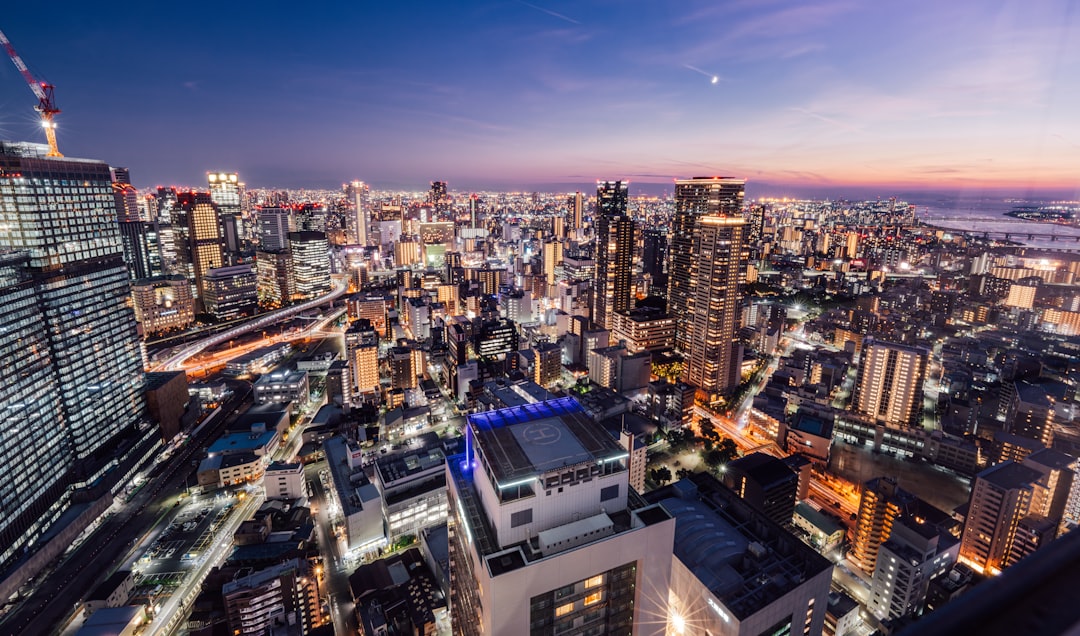
Unequivocally, absolutely yes. The combination of one of Asia’s most creatively ambitious contemporary art institutions and a 360-degree nighttime cityscape of Tokyo — all in a single ticket, open late, with serious photographic access — makes this one of the best shooting destinations in the entire city. Whether you’re chasing immersive installation art for conceptual portfolio work or hunting that perfect Tokyo skyline long exposure for your prints, Mori Art Museum and Tokyo City View will deliver something that surprises you. Bring extra batteries. You will use them.