First-Timer’s Guide to Hakone Ryokan: What Solo Travelers Need to Know Before They Go
There’s a specific kind of nervousness that comes with booking your very first ryokan in Japan. You’ve scrolled through the photographs — the low wooden tables, the sliding shoji screens, the steam rising from an outdoor hot spring bath with Mount Fuji shimmering in the distance — and you’ve hit the ‘reserve’ button before your brain could talk you out of it. Then the questions start. Do I need to bring special clothes? What if I do the onsen wrong? Is it weird to go alone? As a solo traveler stepping into a traditional Japanese inn for the first time, the whole experience can feel as exciting as it is intimidating. The good news: it is absolutely worth every moment of uncertainty.
[ADD: Share your personal first impression or arrival story here — 2-3 sentences]
Hakone, nestled in the Fuji-Hakone-Izu National Park about 90 minutes southwest of Tokyo, is the single best place in Japan to have your first ryokan experience. It combines natural beauty, cultural immersion, and accessibility in a way few destinations can match. This guide is written specifically for solo first-timers who want to do it right — without the social buffer of a travel companion to help navigate unfamiliar customs.
Why Hakone Is the Perfect First Ryokan Destination for Solo Travelers
🗾 Private Mt Fuji and Hakone Tour →
Hakone punches well above its weight for solo visitors. Unlike some rural ryokan regions that require a car or complicated logistics, Hakone is served by the famous Hakone Free Pass — an all-in-one transport ticket covering the Romancecar limited express train from Shinjuku, the Hakone Tozan Railway (a delightful mountain switchback train), the ropeway, the lake ferry, and several bus lines. You can navigate the entire region independently with nothing more than your phone and a sense of adventure.
For solo travelers, this matters enormously. You won’t need to negotiate itineraries with anyone, wait for group consensus, or feel guilty about spending an extra hour soaking in an outdoor bath staring at clouds.
The Hakone Free Pass: Your Solo Travel Superpower
Purchase the Hakone Free Pass at Shinjuku Station before departure. A two-day pass costs around ¥6,500 from Shinjuku (prices subject to change). It covers nearly all transport within the Hakone area and includes discounts at major attractions like the Hakone Open-Air Museum and Owakudani volcanic area. As a solo traveler on a budget, this single purchase dramatically reduces your daily transport costs.
Choosing the Right Ryokan as a Solo First-Timer
This is the single most important decision you’ll make for this trip, and it deserves real thought. Ryokans in Hakone range from affordable guesthouses charging ¥8,000 per person per night to luxury institutions asking ¥60,000 or more. Most prices include dinner and breakfast — a crucial detail when you’re traveling alone, because it removes the lonely pressure of finding a restaurant by yourself every evening.
What to Look for in a Solo-Friendly Ryokan
- Single room availability or single-use pricing: Many traditional ryokans price rooms per person with a two-person minimum. Look explicitly for properties that welcome single occupancy without a brutal solo surcharge.
- Private onsen (kashikiri buro) option: If you’re nervous about communal bathing, some ryokans offer bookable private outdoor baths at no extra charge. This is a lifesaver for first-timers who want the full rotenburo (outdoor hot spring) experience with zero audience.
- English-speaking staff: Not universal, but increasingly common in Hakone. Check recent reviews on TripAdvisor or Booking.com specifically mentioning solo travelers.
- Mid-range sweet spot: Budget around ¥15,000–¥25,000 per person per night including two meals. This range delivers authentic tatami rooms, yukata robes, multi-course kaiseki dinner, and proper onsen facilities without the luxury markup.
Properties in the Miyanoshita, Gora, and Hakone-Yumoto areas are particularly well-positioned for solo travelers who want to explore by rail.
What to Expect When You Arrive: The Ryokan Ritual
🎫 Hakone hot spring ryokan experiences →
🎫 Traditional Japanese ryokan stay experiences →
Your arrival at a ryokan is itself a ceremony, and knowing the sequence ahead of time will calm your nerves considerably.
Step one: Remove your shoes at the entrance (genkan) and step up into slippers provided by the inn. Never wear outdoor shoes inside — this is non-negotiable and deeply important in Japanese culture.
Step two: You’ll be greeted with a formal welcome, often a warm oshibori (damp towel) and a cup of matcha tea with a small seasonal sweet. Sit down, breathe, and accept this graciously.
Step three: A staff member will explain the meal times, onsen hours, and room features. If your Japanese is nonexistent, don’t panic — most Hakone ryokans catering to international visitors have laminated English instructions in the room.
Step four: You’ll find a yukata (casual cotton robe) in your room. Change into it. Wear it to dinner, to the onsen, to wander the corridors. This is not a bathrobe — it’s your evening outfit and part of the full experience.
[ADD: Add one personal tip or hidden gem you discovered — 1-2 sentences]
Navigating the Onsen as a First-Timer
This is the part most solo first-timers lose sleep over. Here’s the reality: Japanese communal onsen etiquette is simple once you know it, and other guests will quietly respect your privacy without making eye contact or conversation.
- Wash your body thoroughly at the shower stations before entering the bath — this is mandatory, not optional
- Tattoos are still banned at many traditional onsen; check the policy when booking if this applies to you
- Keep your small towel out of the water (fold it on your head or set it aside)
- Enter slowly; the water is hot, typically 40–42°C
- No phones, no photos, no conversation above a library whisper
- Rinse off again briefly before leaving
For solo travelers, the onsen actually becomes one of the most meditative, restorative parts of the trip. Without the social chatter of a companion, you’re free to simply float in silence with mountain air on your face.
The Kaiseki Dinner: How to Eat Like You Know What You’re Doing
A traditional kaiseki dinner served in your ryokan is one of Japan’s great culinary rituals — a multi-course progression of seasonal dishes that might include sashimi, tofu in dashi broth, grilled river fish, pickled vegetables, and a simple bowl of rice at the end. As a solo diner, you’ll likely eat at a low table in your room (in-room dining is standard at most ryokans) or in a communal dining room with separate table arrangements.
Don’t stress about which utensil to use or which course comes first — dishes are served in order, and staff will guide you gently. Eat slowly. This meal is designed to be experienced, not rushed. If you’re interested in deepening your culinary knowledge, consider taking a Tokyo cooking class before or after your ryokan stay to learn more about traditional Japanese cuisine. Pair your dinner with a cold Kirin beer or a small sake set provided at the table.
Breakfast the next morning is equally ritualistic — typically a spread of grilled fish, miso soup, rice, pickles, and a soft-boiled egg. It sounds simple. It will be one of the best meals you eat in Japan.
Hakone Beyond the Ryokan: What to Do During the Day
🗾 Mt Fuji and Hakone Day Tour →
🗾 Private Mt Fuji and Hakone Tour →
🗾 Mount Fuji Full Day Sightseeing →
🎫 Solo traveler guided tours Hakone →
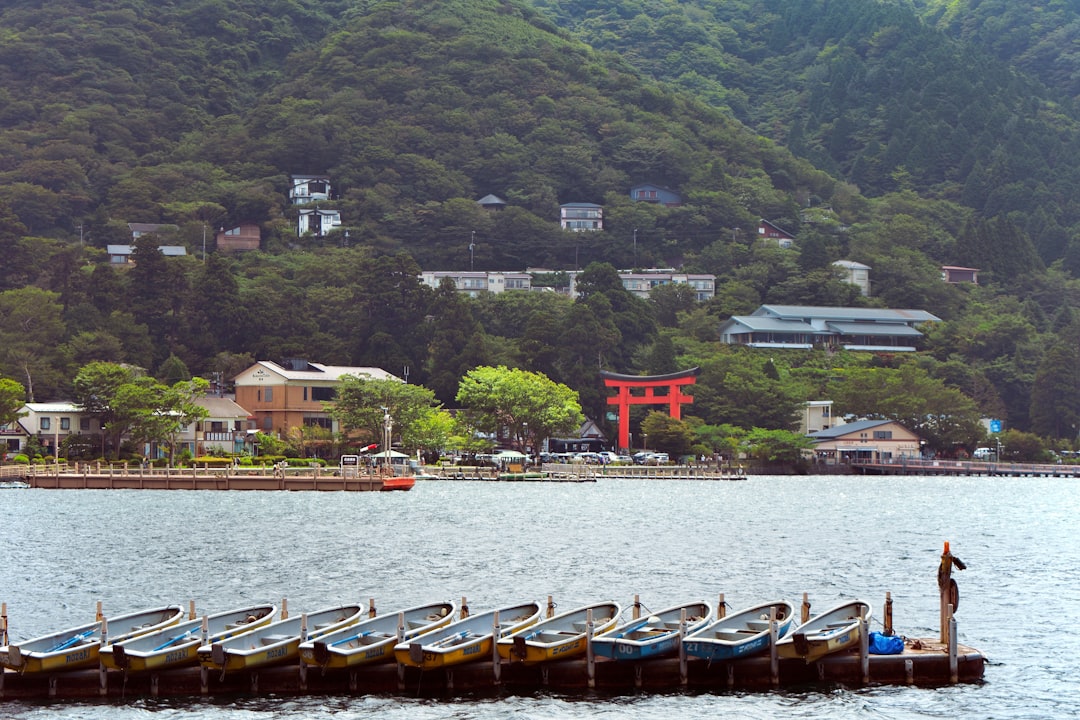
With your Hakone Free Pass in hand, the region opens up beautifully for solo exploration.
Hakone Open-Air Museum — Walk through outdoor sculpture gardens featuring works by Picasso, Moore, and Rodin with Fuji views in the background. Deeply peaceful on a solo wander.
Owakudani Volcanic Valley — Ride the Hakone Ropeway to this sulphur-steaming volcanic landscape and eat a black egg (cooked in the volcanic springs — said to add seven years to your life).
Lake Ashi Ferry — Cross the lake on a vintage pirate ship while scanning the horizon for Mount Fuji. Early mornings offer the clearest views.
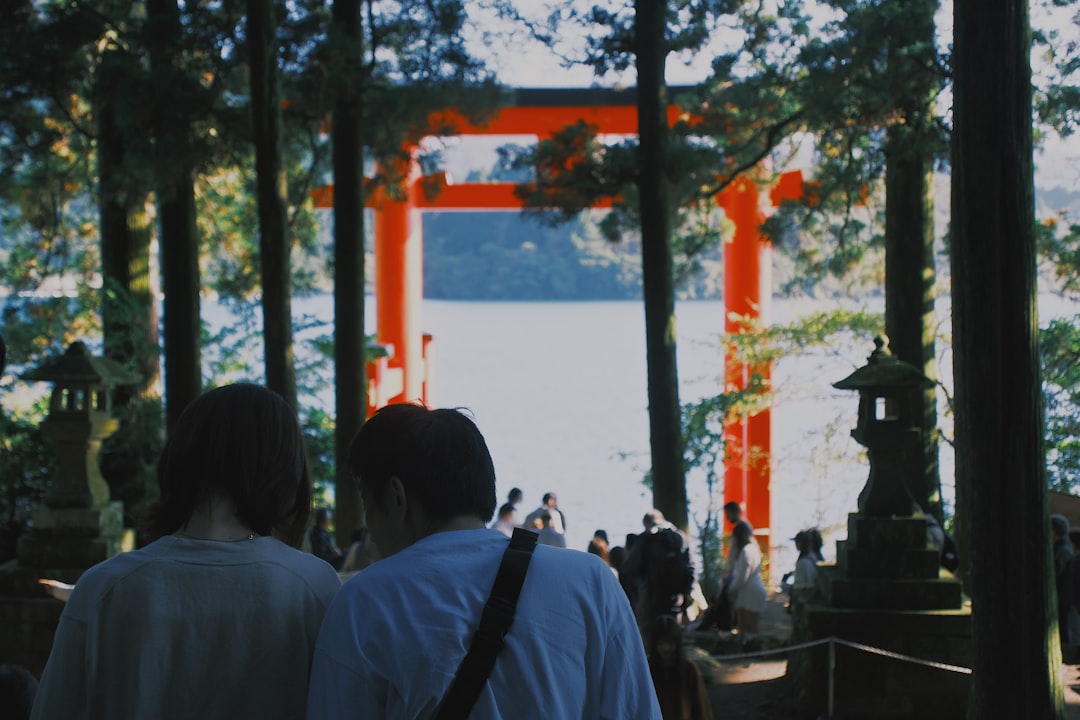
Hakone Shrine — A quiet cedar-lined path leads to a lakeside torii gate that stands partially in the water. Arrive before 9am to experience it nearly alone.
If you’re combining this with other day trips from Tokyo, Mount Fuji and Hakone by train is a natural pairing that can be explored over multiple days.
Best Time to Visit Hakone as a Solo Traveler
🗾 Mt Fuji and Hakone Day Tour →
🗾 Mount Fuji Full Day Sightseeing →
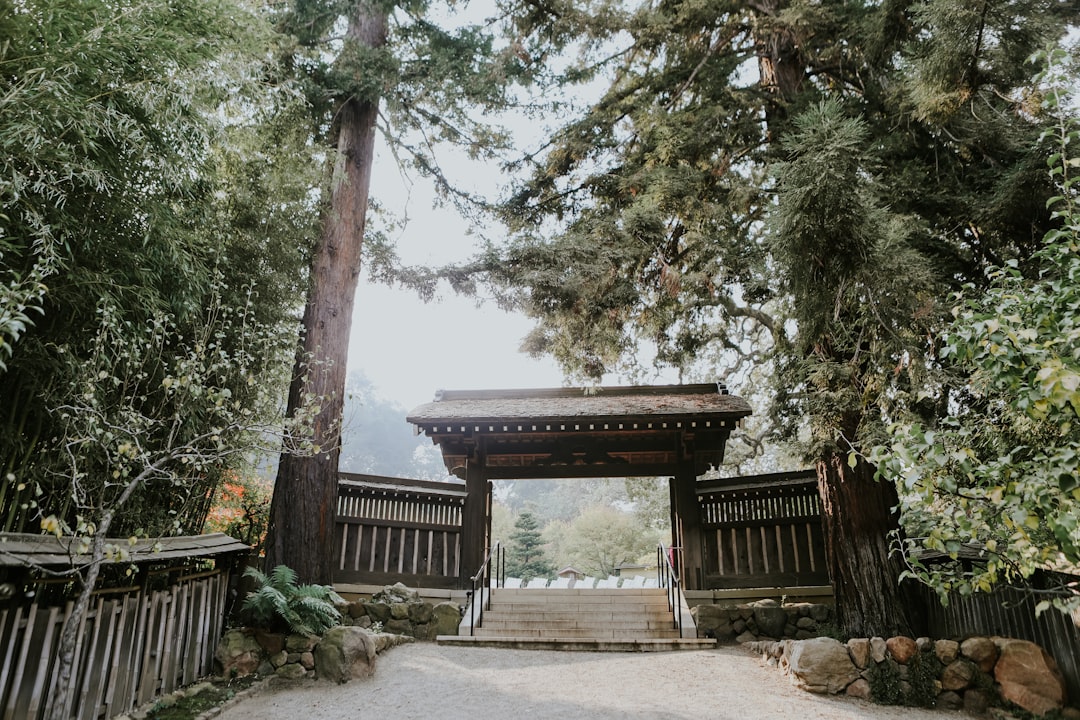
Spring (late March to early April) brings cherry blossoms and the most Instagrammed Fuji views. Autumn (mid-October through November) offers crimson maple foliage against mountain backdrops — arguably even more dramatic. Both seasons book out fast; reserve your ryokan at least two to three months in advance.
Avoid Golden Week (late April to early May) and Obon (mid-August) unless you enjoy crowds and doubled prices. Weekday stays are almost always more affordable than weekends, and as a solo traveler with flexibility, this is a significant advantage.
[ADD: Describe one specific moment or memory from this experience — 2-3 sentences]
Final Thoughts: Why Every Solo Traveler Should Do This at Least Once
A Hakone ryokan stay isn’t just accommodation — it’s an immersion into a way of living that slows everything down and asks you to be fully present. As a solo traveler, you receive that experience completely unfiltered. No one else’s reaction to mediate. No compromises on timing. Just you, a steaming mountain onsen, a flawless kaiseki dinner, and the kind of stillness that’s genuinely hard to find anywhere else in the world.
First-timer nerves are real, but they dissolve faster than you’d expect. By the time you’re padding down the wooden hallway in your yukata at dusk, you’ll already be planning your next visit. For more guidance on ryokan stays and onsen experiences near Tokyo, consider exploring other regional options to compare what Hakone uniquely offers.
Book Tours & Activities
🗾 Mt Fuji and Hakone Day Tour →