Sumida River Boat Tour: Discovering Tokyo’s Hidden Water Routes Like a Local
Most travelers arrive in Tokyo armed with a Suica card and a mental map of subway lines, ready to conquer the city underground. But what if the most breathtaking perspective of Japan’s magnificent capital has been flowing quietly above ground all along? The Sumida River — Tokyo’s lifeblood for over a millennium — offers a remarkable alternative to the city’s frenetic street-level chaos. A Sumida River boat tour doesn’t just transport you from point A to point B; it carries you through layers of history, culture, and urban beauty that most visitors never get to see.
Think about it: Tokyo was built around water. The city’s original name, Edo, was shaped entirely by its rivers and canals, and for centuries, boats were the primary mode of transportation for merchants, samurai, and everyday citizens alike. Today, gliding along these same routes on a traditional yakatabune (pleasure boat) or a sleek water bus, you’ll witness a Tokyo that feels refreshingly unhurried — a city catching its own reflection in the quiet water below.
Why a Sumida River Boat Tour Should Be on Every Tokyo Itinerary
🗾 Customized Private Tour of Must-See Places →
🗾 Explore Tokyo’s Top Sites by Bus →
🗾 Customized Private Tour of Must-See Places →
🗾 Private Car Tour with English Driver →
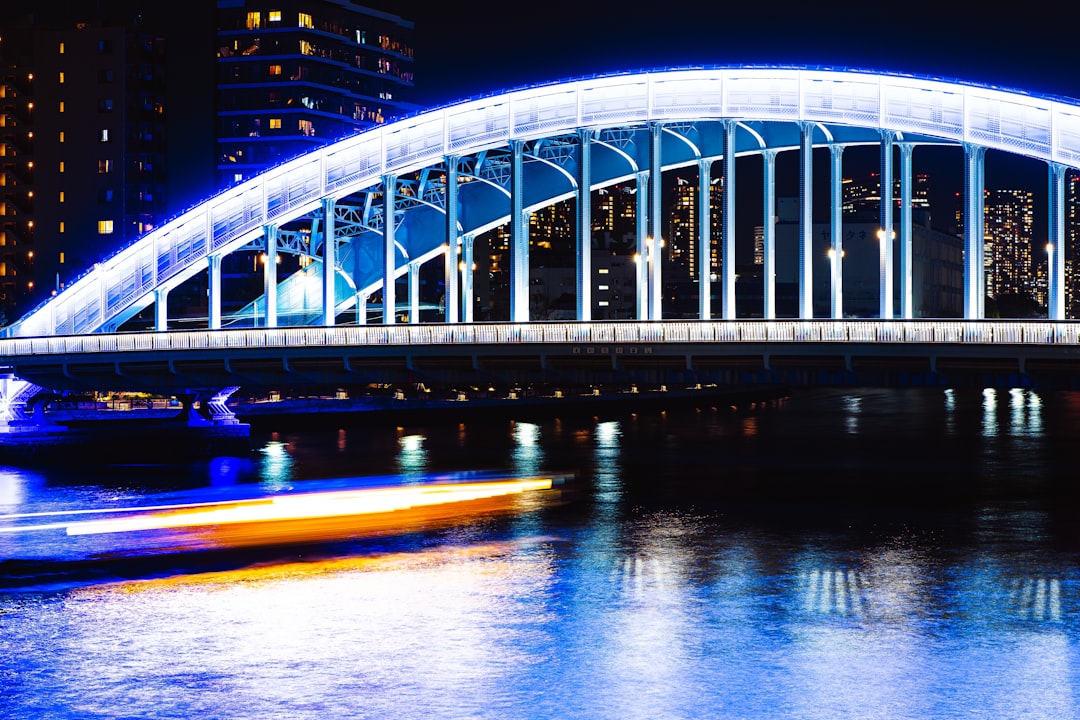
Tokyo from the water is a completely different city. Skyscrapers that look imposing from street level suddenly transform into elegant silhouettes against the sky. The iconic Tokyo Skytree appears and disappears between ancient bridges like a futuristic apparition from a Miyazaki film. Cherry blossoms in spring cascade over riverbanks in curtains of pink that no street-level photograph can fully capture.
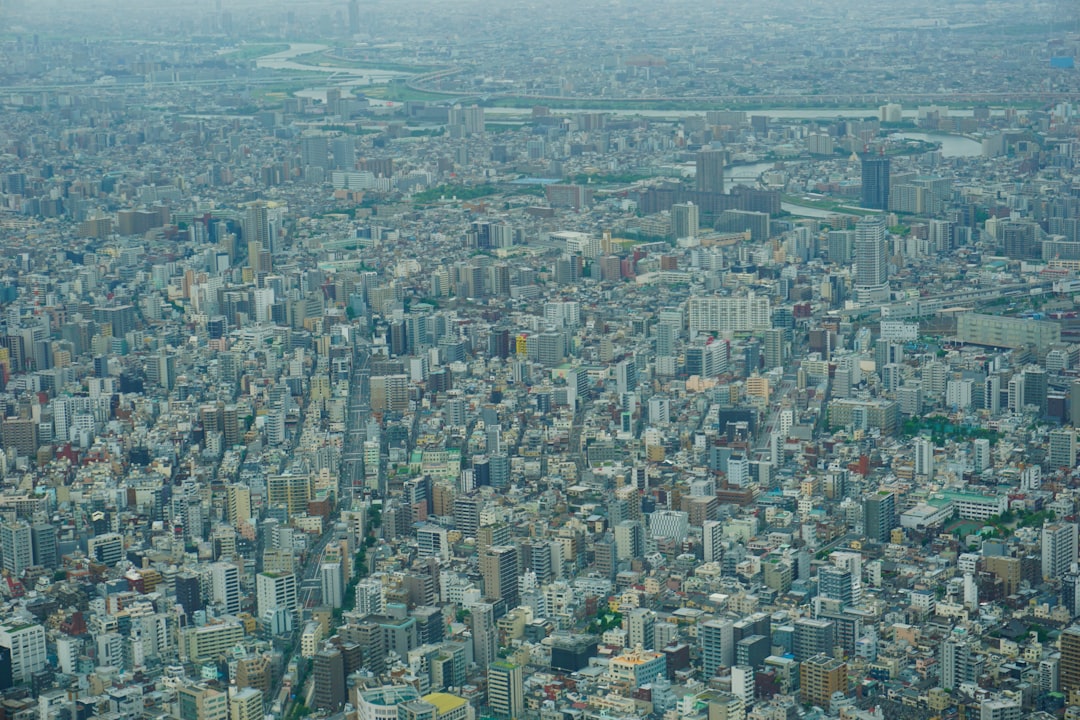
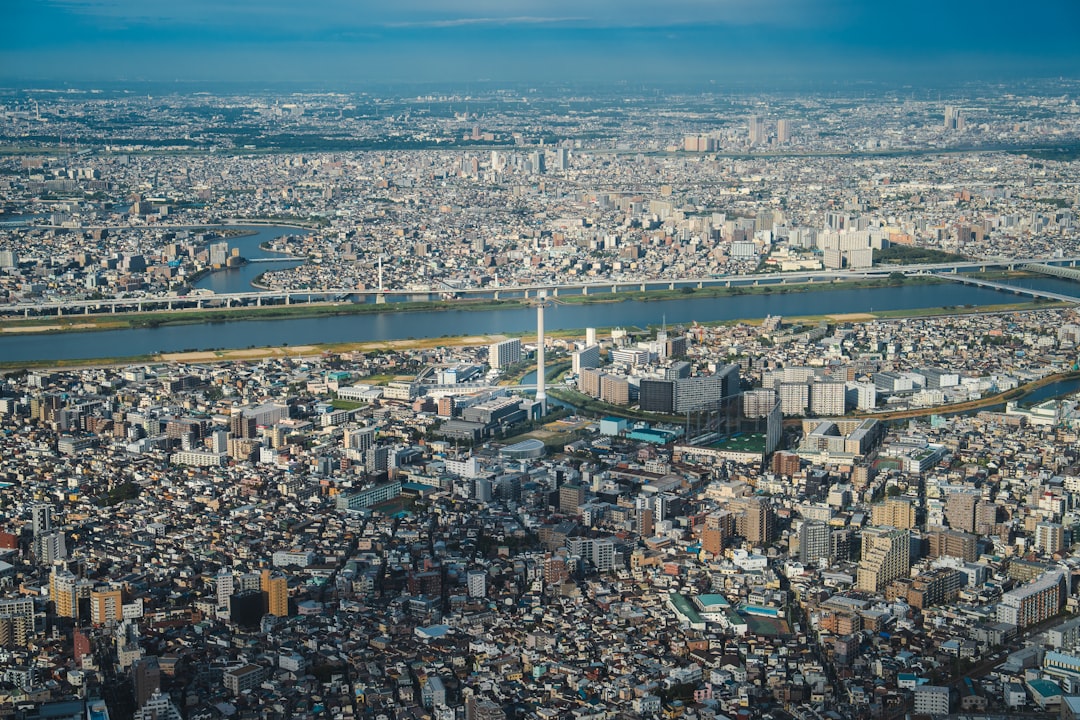
Beyond the aesthetics, a Sumida River boat tour offers genuine insight into how Tokyo evolved. The river stretches approximately 23 kilometers from Kita Ward down to Tokyo Bay, passing through neighborhoods that tell distinctly different stories — from the neon-drenched entertainment district of Asakusa to the working-class charm of Ryogoku, home of sumo wrestling.
Must-See Attractions Along the Sumida River
🗾 Explore Tokyo’s Top Sites by Bus →
🎫 Sumida River Boat Tour Tokyo →
Asakusa: The Gateway to Old Tokyo
Most water bus routes begin or end at Azumabashi Pier near Asakusa, and for good reason. This historic neighborhood is the cultural heart of shitamachi (old downtown Tokyo), and arriving by boat makes the experience even more cinematic. As you approach the pier, the iconic red lantern of Senso-ji Temple peeks through the urban skyline, a reminder of how seamlessly Tokyo weaves antiquity into modernity.
Spend time exploring Nakamise-dori, the bustling shopping street leading to Senso-ji, where vendors sell everything from handmade fans to freshly grilled ningyo-yaki (small cakes shaped like figures). The contrast of ancient temple grounds against the gleaming Asahi Beer Hall — with its famous golden “flame” sculpture that Tokyo locals affectionately call the “golden poop” — is quintessential Tokyo absurdity at its finest.
The 12 Historic Bridges of the Sumida
One of the most underappreciated highlights of any Sumida River boat tour is passing beneath the river’s magnificent bridges. Each of the 12 crossing points has its own distinct character and color, originally designed to be identifiable from the river. Look for the elegant blue arc of Kiyosu Bridge, modeled after Cologne’s famous Deutz Bridge in Germany, and the striking red Azumabashi, which has become as symbolic to Asakusa as the temple itself.
The bridges aren’t just pretty — they’re living history. Many were rebuilt after the catastrophic 1923 Great Kanto Earthquake and again after World War II, each reconstruction reflecting the era’s architectural sensibilities and the city’s relentless resilience.
Hamarikyu Gardens: A Feudal Oasis
Midway along many Tokyo water bus routes lies Hamarikyu Gardens, a stunning 250,000-square-meter traditional Japanese garden that once served as the private retreat of the Tokugawa shogunate. Disembarking here feels like stepping through a portal in time. Tidal ponds filled with sea bream, manicured plum and cherry groves, and a charming teahouse sitting over a salt-water pond create an atmosphere of serene elegance that feels miles away from modern Tokyo — even though skyscrapers loom at the garden’s very edges.
Entry costs ¥300, and a matcha tea ceremony at the Nakajima no Ochaya teahouse (approximately ¥700 including tea and seasonal sweets) is an absolute must.
Odaiba and Tokyo Bay: Where the River Meets the Future
If you extend your water journey toward Tokyo Bay, you’ll drift past the futuristic artificial island of Odaiba, where the Rainbow Bridge creates a spectacular gateway. The contrast between the city’s historic waterways and its most forward-thinking urban development makes this stretch of the journey feel genuinely surreal — like watching Tokyo’s entire timeline unfold in a single glance.
Local Culture Along Tokyo’s Waterways
🎫 Local Water Tour Tokyo Sumida →
🗾 Private Car Tour with English Driver →
🎫 Tokyo River Cruise Hidden Routes →
Choosing Your Boat Experience
Tokyo Water Bus (Tokyo Cruise): The most accessible option, operated by Tokyo Cruise Ship Co., connects Asakusa, Hamarikyu Gardens, Hinode Pier, and Odaiba Seaside Park. One-way fares range from ¥480 to ¥1,720 depending on route. The distinctive futuristic vessels were designed by renowned manga artist Leiji Matsumoto, making them visually iconic in themselves.
Yakatabune Dinner Cruises: Requires advance booking, typically through the boat company directly or via hotels. Popular operators include Harumiya and Mikawaya.
Chartered Small Boats: For the most intimate water routes experience, several companies offer small vessel rentals that allow access to narrower canals throughout the Sumida delta.
Getting to the Piers
- Asakusa Pier: 5-minute walk from Asakusa Station (Ginza Line, Asakusa Line, or Tobu Skytree Line)
- Hamarikyu Pier: Exit within Hamarikyu Gardens
- Hinode Pier: 7-minute walk from Hamamatsuchō Station (JR Yamanote Line)
Best Time to Visit the Sumida River
Each season transforms the Sumida River boat tour into a completely different experience:
- Spring (late March–April): Cherry blossom season is the undisputed peak. The riverbanks explode with sakura, and boats navigate beneath canopies of pink blossoms. Book well in advance.
- Summer (June–August): Hot and humid, but the river breezes make boat travel a cool escape. The July fireworks festival is unmissable.
- Autumn (October–November): Golden foliage lines the banks, and the crisp air makes outdoor viewing decks particularly pleasant.
- Winter (December–February): Fewer crowds and crystal-clear visibility reveal unobstructed views of Mount Fuji on clear days — a genuinely magical sight from the river.
Discover Tokyo’s Soul on the Water
Tokyo will always dazzle you with its neon skylines, its Michelin-starred ramen shops, and its labyrinthine subway system. But the Sumida River boat tour offers something rarer and more precious: the chance to see this extraordinary city breathe. To watch it reflect off the water at golden hour, to drift beneath bridges that have witnessed centuries of human story, and to understand, truly, that Tokyo is not just a city built beside water — it is a city made of it.
So next time you land at Narita or Haneda with your carefully crafted itinerary, consider setting down your metro map for a few hours and stepping onto a boat instead. Tokyo’s hidden water routes are waiting, and the view from the river might just be the most unforgettable thing you take home.
Book your Sumida River boat tour before your trip, pack a camera, and let the water do the talking.
Book Tours & Activities
🗾 Explore Tokyo’s Top Sites by Bus →