Sumo Wrestling in Tokyo: Where to Watch and How to Get Tickets
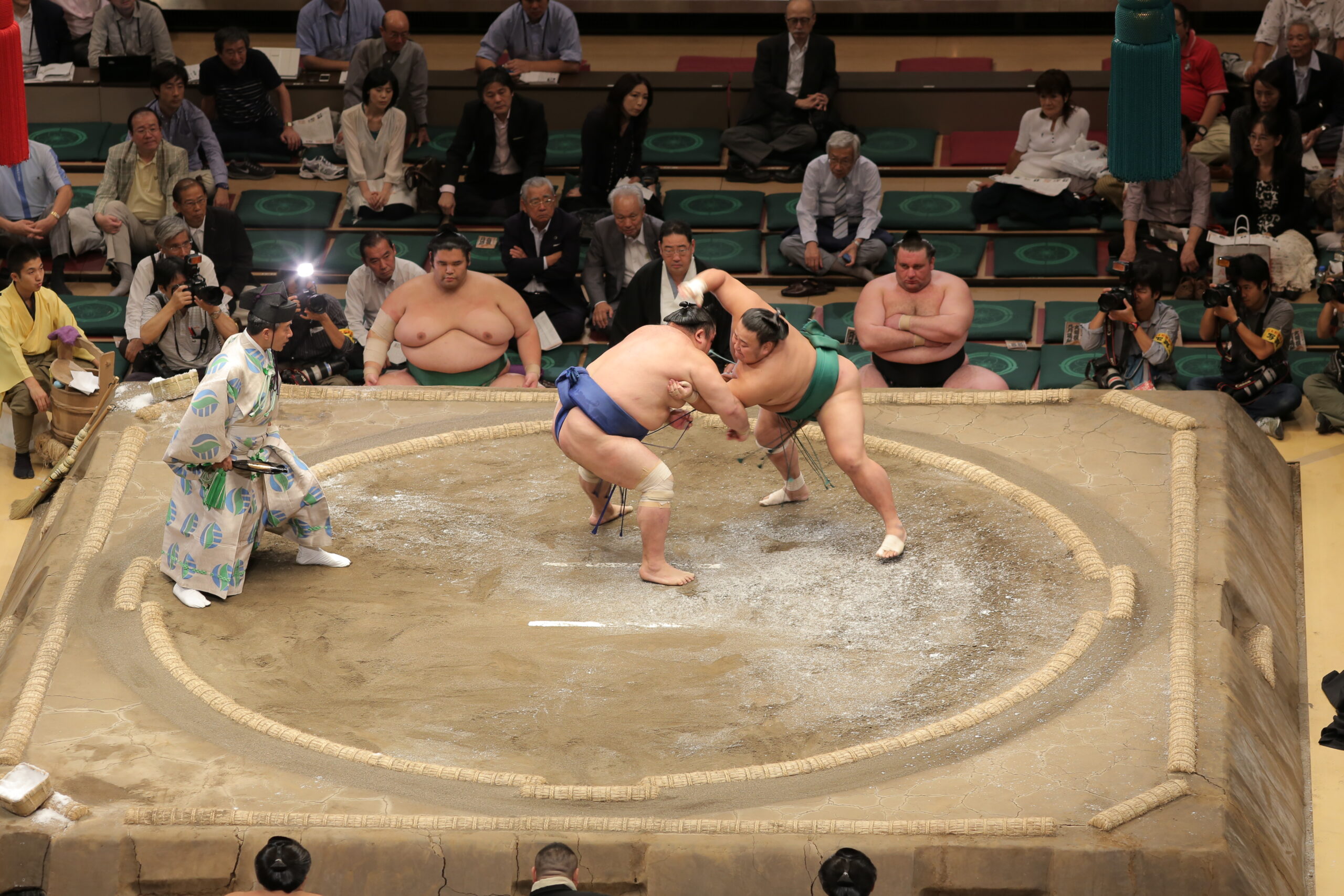
Imagine the electric tension as two enormous athletes, draped in nothing but a silk mawashi belt, face off in a ring barely 15 feet wide. The crowd holds its collective breath. Then, in a clash of muscle and willpower that lasts mere seconds, one warrior sends the other tumbling from the sacred dohyo. The arena erupts. Welcome to sumo wrestling in Tokyo — one of the most viscerally thrilling, culturally profound, and genuinely unforgettable experiences Japan has to offer.
Sumo is far more than a sport. It is a living ceremony, a Shinto ritual, a 1,500-year-old tradition dressed in ceremony and quiet power. For travelers to Tokyo, attending a sumo tournament isn’t just a tick on the bucket list — it’s a portal into the soul of Japanese culture. Whether you’re a die-hard sports enthusiast or a casual traveler hungry for authentic experiences, this guide will walk you through everything you need to know about watching sumo wrestling in Tokyo, securing tickets, and making the most of your visit.
Understanding the World of Sumo Wrestling
The Basics of Japan’s Ancient Sport
Sumo wrestling (相撲, sumō) dates back to ancient Japan, where it was performed as a Shinto ritual to entertain the gods and pray for bountiful harvests. Today, professional sumo, known as Ozumo, is governed by the Japan Sumo Association and features six major tournaments — called basho — held throughout the year across Japan, with three of them taking place in Tokyo.
The rules are elegantly simple: a wrestler wins by forcing his opponent out of the circular ring (the dohyo) or by making any part of his opponent’s body other than the soles of his feet touch the ground. Yet beneath this simplicity lies a complex world of technique, strategy, and psychological warfare involving over 82 recognized winning moves, called kimarite.
The sport is organized into divisions, with the coveted Yokozuna (Grand Champion) rank representing the pinnacle of sumo achievement. Watching a Yokozuna enter the ring is a spectacle in itself — a slow, powerful ceremony of stomps, salt-throwing, and ritual purification that sends chills down your spine.
Sumo Culture: More Than Just Wrestling
Attending sumo means immersing yourself in centuries of tradition. Wrestlers, called rikishi, live and train in communal households called heya (stables), following strict hierarchical codes that govern everything from their diet to the way they dress in public. The elaborate pre-match rituals — the salt-throwing to purify the ring, the leg-stomping to drive away evil spirits — are not performance. They are devotion.
For travelers seeking authentic Tokyo experiences, sumo represents a window into Japanese values: discipline, respect, perseverance, and the pursuit of mastery. It is deeply moving to witness.
Ryogoku Kokugikan: The Home of Tokyo Sumo
🗾 Shinjuku Sumo Show & Experience →
🗾 Ginza Sumo Performance Experience →
Tokyo’s Sumo Mecca
All Tokyo sumo tournaments are held at the Ryogoku Kokugikan (国技館), a magnificent arena that seats approximately 11,000 spectators in the Ryogoku district of Sumida Ward. Built in 1985, the building’s distinctive blue roof is instantly recognizable and has become a symbol of the sport itself.
The arena is not just a venue — it’s an experience. Inside, you’ll find the Sumo Museum (free admission on tournament days for ticket holders), sumo merchandise stalls, and vendors selling traditional tournament food. The atmosphere on tournament days buzzes with the kind of energy that only truly beloved sports can generate.
Getting There: Ryogoku Kokugikan is conveniently located a 3-minute walk from Ryogoku Station on the JR Sobu Line, or a 5-minute walk from Ryogoku Station on the Toei Oedo Subway Line. From central Tokyo, Tokyo Station is easily accessible within 20-30 minutes.
Tokyo’s Sumo Tournaments: When to Visit
🎫 Watch sumo tournament Tokyo →
The Three Tokyo Basho
Tokyo hosts three of the six annual Grand Sumo Tournaments (honbasho), making it the undisputed capital of professional sumo:
- January Tournament (Hatsu Basho): Held in early-to-mid January, this is the year’s thrilling opening act. Cold weather means cozy arena warmth and enthusiastic New Year crowds.
- May Tournament (Natsu Basho): Running through May, this tournament coincides with pleasant spring weather and Golden Week festivities, making it one of the most popular times to visit Tokyo overall.
- September Tournament (Aki Basho): The autumn basho, held in mid-September, benefits from cooler temperatures and arguably the most passionate local crowds of the year.
Each tournament runs for 15 consecutive days. The best days to attend are the weekend days and the final three days, when championship tension reaches its peak and the biggest names compete for tournament glory. However, even weekday sessions offer incredible value and more relaxed crowds.
Daily Schedule: What to Expect
Tournament doors open at 8:00 AM, with lower-division bouts beginning shortly after. The top-division (Makuuchi) matches start around 3:00 PM, building toward the climactic final bouts around 6:00 PM. If you have premium tickets, arriving early lets you witness the atmosphere build from serene morning calm to late-afternoon frenzy — a journey as rewarding as the destination.
How to Get Sumo Tickets in Tokyo
🎫 Sumo wrestling tickets Tokyo →
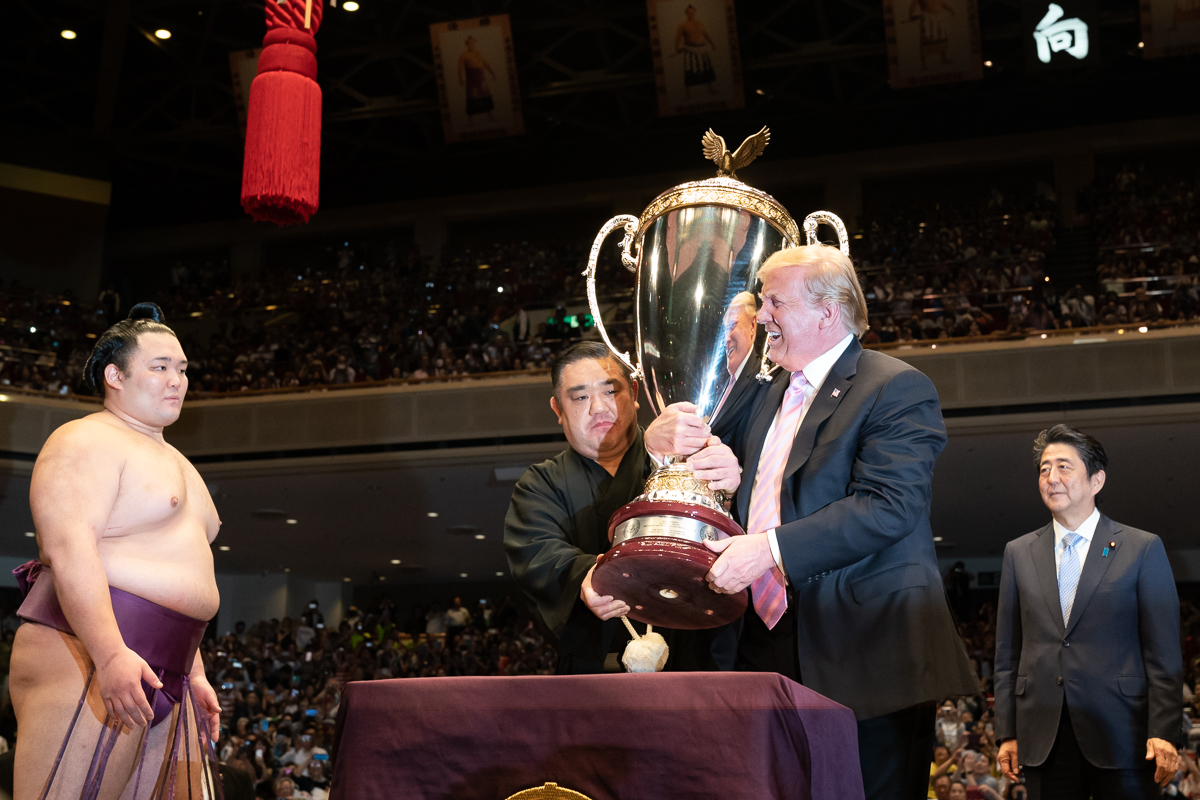
Ticket Types and Seating Options
Navigating sumo ticket options can feel overwhelming, but once you understand the categories, it becomes straightforward:
Box Seats (Masu Seki): Traditional floor-level boxes accommodating four people, offering an intimate, low-to-the-ground view of the dohyo. You sit on cushions, remove your shoes, and often share bento boxes. This is the quintessential sumo experience and the most coveted seating. Boxes are sold as a unit for four people (roughly ¥38,000–¥47,000 per box).
Arena Seats (Isu Seki): Standard Western-style chairs arranged in tiers. These are more comfortable for longer sessions and come in lower (A/B) and upper (C) tier options, ranging from approximately ¥4,000 to ¥14,800 per person. A-tier seats offer excellent sightlines and are ideal for first-timers.
Same-Day Standing Tickets: A small number of standing-room tickets (¥2,200) are sold at the venue on the day of each match, starting from 8:00 AM. Queuing early — sometimes as early as 6:00 AM on weekends — is essential.
Where and How to Buy Tickets
Official Japan Sumo Association Website: The primary source for advance tickets. International visitors can purchase online at sumo.or.jp, with tickets going on sale approximately two months before each tournament. The site has an English interface, and tickets sell fast — especially for weekends.
Convenience Stores (Konbini): Tickets are available through Ticket Pia kiosks at Lawson and 7-Eleven stores across Japan. This requires navigating a Japanese-language interface, so having a Japanese speaker or detailed instructions handy helps enormously.
Authorized Resellers: International travel agencies and platforms like Voyagin, GetYourGuide, and Klook offer sumo ticket packages, often bundled with bento boxes or guided experiences. These come at a premium but provide peace of mind for visitors unfamiliar with the Japanese ticketing system.
Hotels: Many Tokyo hotels, particularly upscale establishments, maintain relationships with ticket agencies and can secure seats on your behalf. Always ask your concierge — it’s one of the insider Tokyo travel tips that saves considerable stress.
The Ryogoku Neighborhood: Sumo Culture Beyond the Arena
Exploring the Sumo District
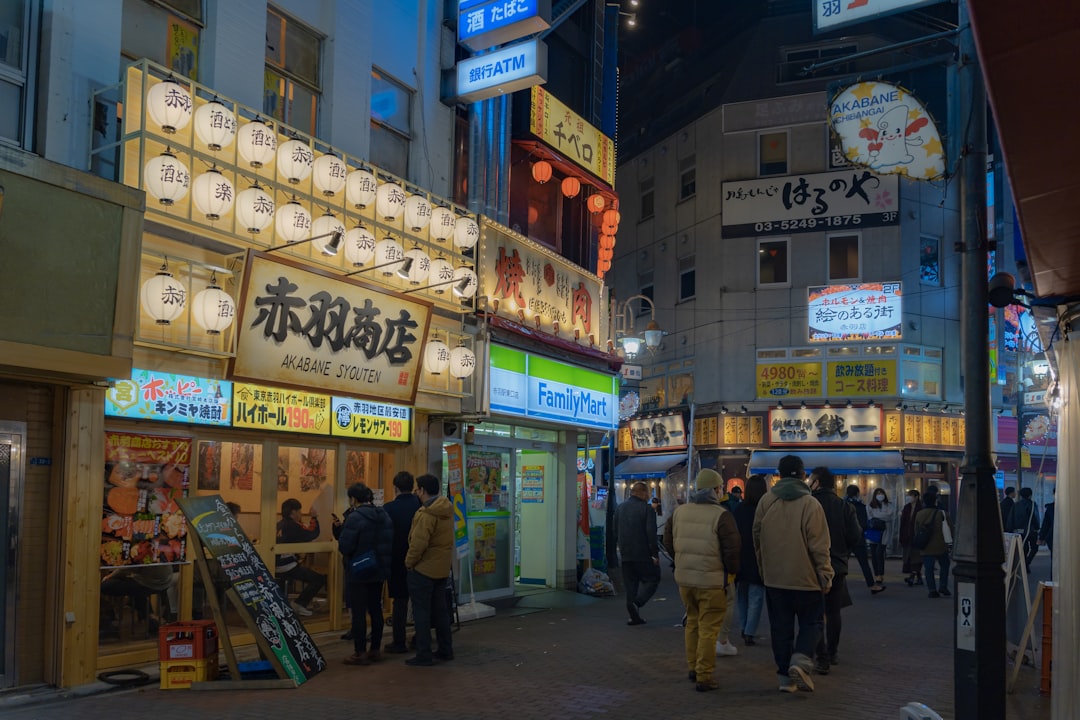
Ryogoku is itself a neighborhood worth exploring before or after a tournament. Strolling through its streets, you may encounter real-life rikishi — enormous men in traditional robes and elaborate topknots moving with surprising grace between training stables and local restaurants. It’s surreal, wonderful, and distinctly Tokyo.
Visit the Edo-Tokyo Museum (currently undergoing renovation but check for reopening dates) for context on the city’s rich history, or wander the atmospheric streets near the sumo stables. If you’re interested in exploring other historic neighborhoods with similar charm, consider a visit to Asakusa or Yanaka, both offering walkable streets and traditional Tokyo atmosphere.
Food & Drink: Eating Like a Sumo Wrestler
🗾 Sumo Entertainment with Hot Pot →
Chanko Nabe: The Sumo Staple
No sumo visit is complete without sampling chanko nabe — the hearty, protein-rich hot pot stew that forms the cornerstone of every wrestler’s diet. Ryogoku is lined with chanko restaurants, many run by retired wrestlers themselves.
Top picks in Ryogoku:
– Chanko Kawasaki: A legendary establishment run by former wrestlers, offering rich, flavorful broths in a warm, welcoming atmosphere.
– Champon Kikuya: Known for generous portions and an authentic setting beloved by locals and sumo insiders alike.
Inside Kokugikan, don’t miss the yakitori skewers, bento boxes (often sold in souvenir boxes shaped like the arena), and cold Asahi beer — the perfect accompaniment to afternoon bouts. For other exceptional Tokyo culinary experiences, explore the Tsukiji Outer Market for world-class sushi and street food.
Practical Tips for First-Time Sumo Spectators
- Arrive Early: Even with afternoon seats, arriving by 2:00 PM lets you absorb the atmosphere as lower divisions wrap up.
- Dress Comfortably: Box seats require removing shoes, so bring comfortable socks. The arena can be warm.
- Bring Cash: Many vendors inside Kokugikan are cash-only.
- Download the Sumo App: The Japan Sumo Association app provides English commentary and real-time rankings.
- Respect the Rules: Photography is generally permitted, but flash photography and standing on box seat cushions are considered rude.
- Buy a Souvenir Program: The official tournament program (banzuke) is a beautiful keepsake written in traditional calligraphy.
Conclusion: Step Into the Circle
Watching sumo wrestling in Tokyo is one of those rare travel experiences that transcends the moment. Long after you return home, you’ll remember the thunderous crack of the initial charge, the silence of the crowd in those frozen seconds before a match, and the extraordinary dignity of athletes honoring a tradition older than the nation itself.
Tokyo’s three annual sumo tournaments offer travelers the perfect excuse to plan a visit around something truly extraordinary. Book your tickets early, arrive hungry for chanko nabe, and open yourself to the profound beauty of Japan’s oldest sport. The dohyo is waiting for you — and trust us, once you’ve felt the roar of Kokugikan echo through your chest, you’ll be planning your next sumo trip before you’ve even left your seat.
Ready to experience sumo in Tokyo? Check the Japan Sumo Association’s official tournament calendar, lock in your tickets at least six weeks in advance, and prepare for the most unforgettable sporting experience of your life.
Book Tours & Activities
🗾 Shinjuku Sumo Show & Experience →
🗾 Ginza Sumo Performance Experience →
🎫 Watch sumo tournament Tokyo →