Book Tours & Activities
🗾 Asakusa Walking Tour with Snacks →
🗾 Asakusa Culture Street Food →
🗾 Sensoji Temple Asakusa Private →
Asakusa Walking Guide: Discover Tokyo’s Most Enchanting Historic Neighborhood
Imagine stepping off a modern Tokyo subway train and finding yourself transported centuries into the past. Rickshaws glide past wooden shop fronts, the scent of incense drifts through the air, and the iconic red lantern of Kaminarimon Gate looms before you like a gateway to another era. Welcome to Asakusa — Tokyo’s most beloved historic district, where the soul of old Edo lives on in every cobblestone, every sizzling street snack, and every prayer offered at its ancient shrines.
Asakusa is not just a tourist destination; it is a living, breathing testament to Japanese heritage. Whether you are a first-time visitor to Tokyo or a returning traveler hungry for authentic experiences, this Asakusa walking guide will lead you through one of Asia’s most captivating neighborhoods, step by unforgettable step.
Must-See Attractions in Asakusa
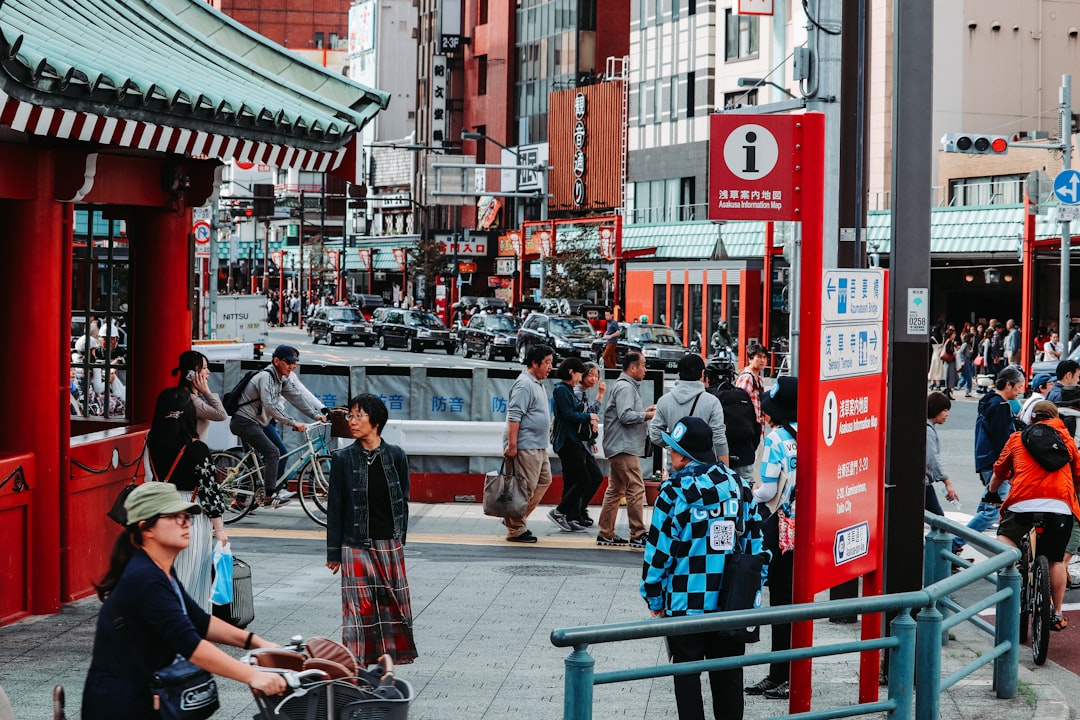
Senso-ji Temple: The Heart of Asakusa
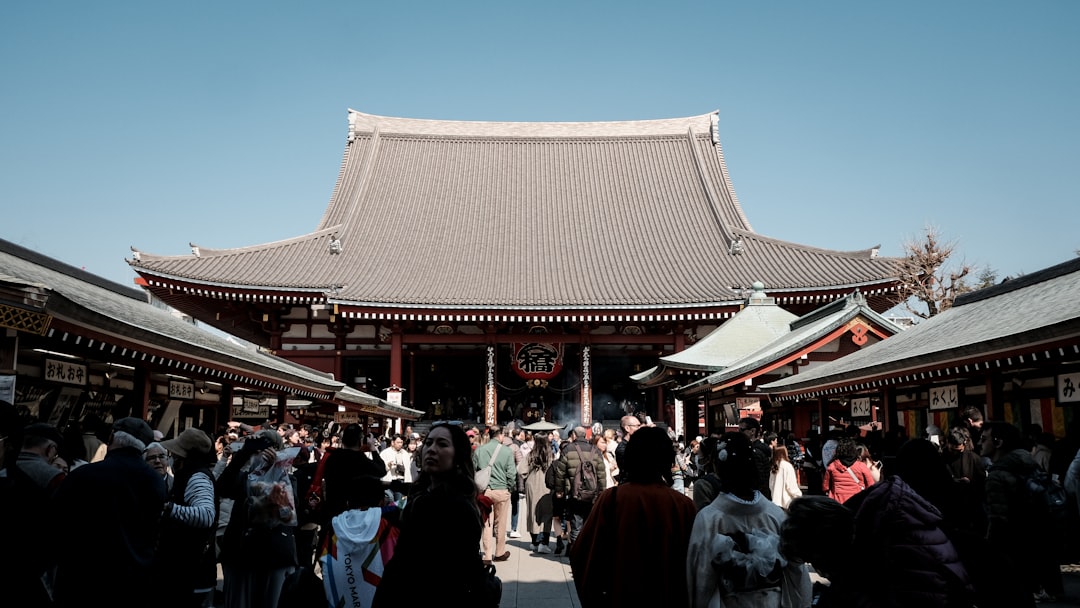
No Asakusa walking guide would be complete without beginning at Senso-ji, Tokyo’s oldest and most visited temple. Founded in 628 AD, this magnificent Buddhist temple dedicated to the goddess Kannon is a spiritual and architectural masterpiece that draws millions of visitors each year — and for very good reason.
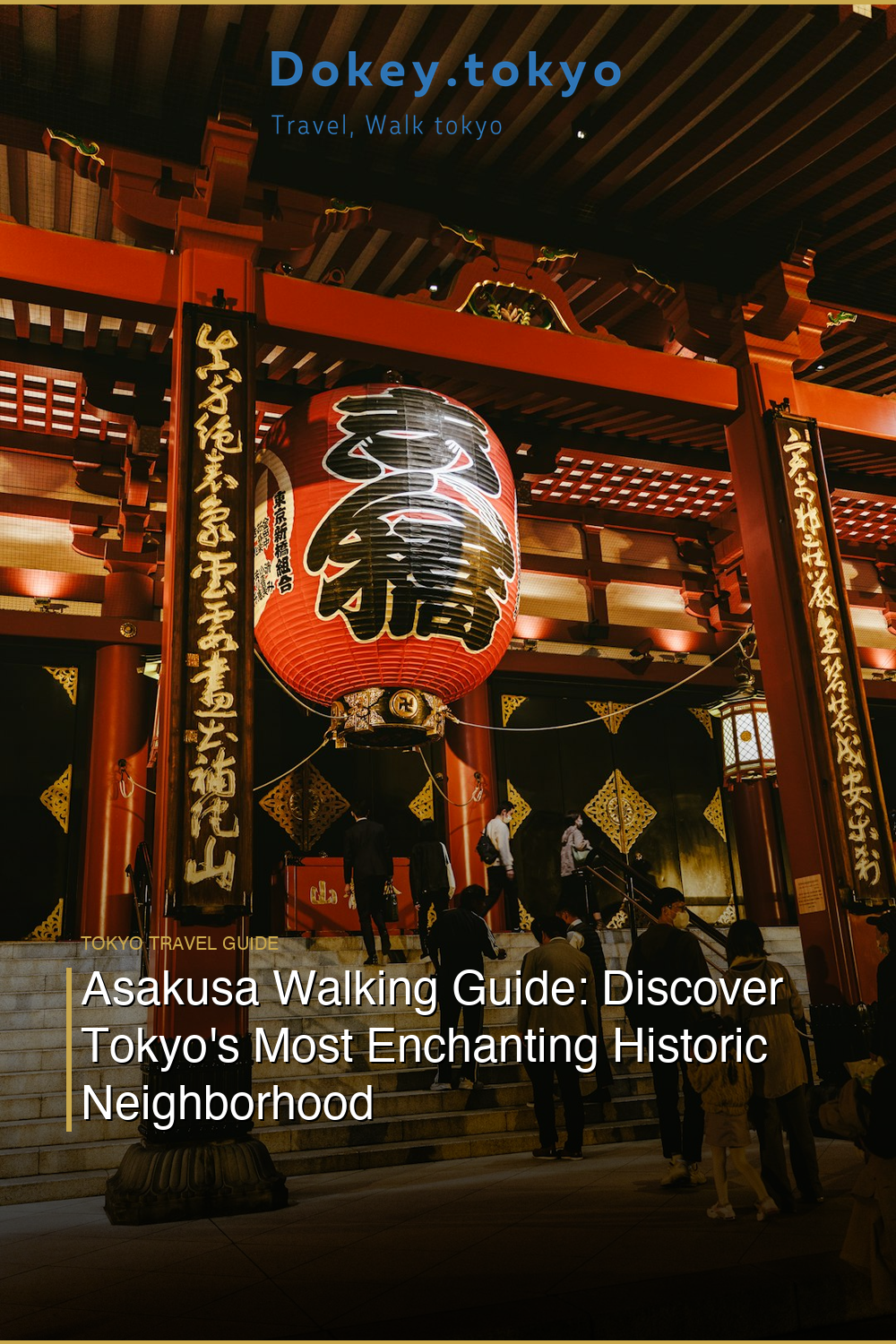
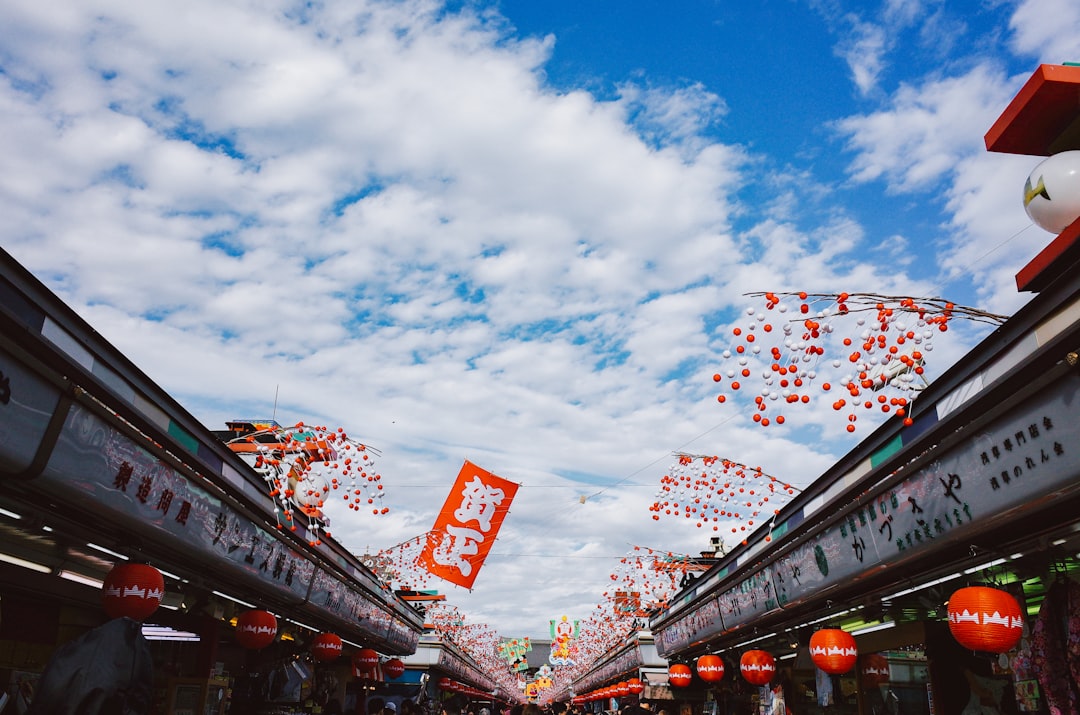
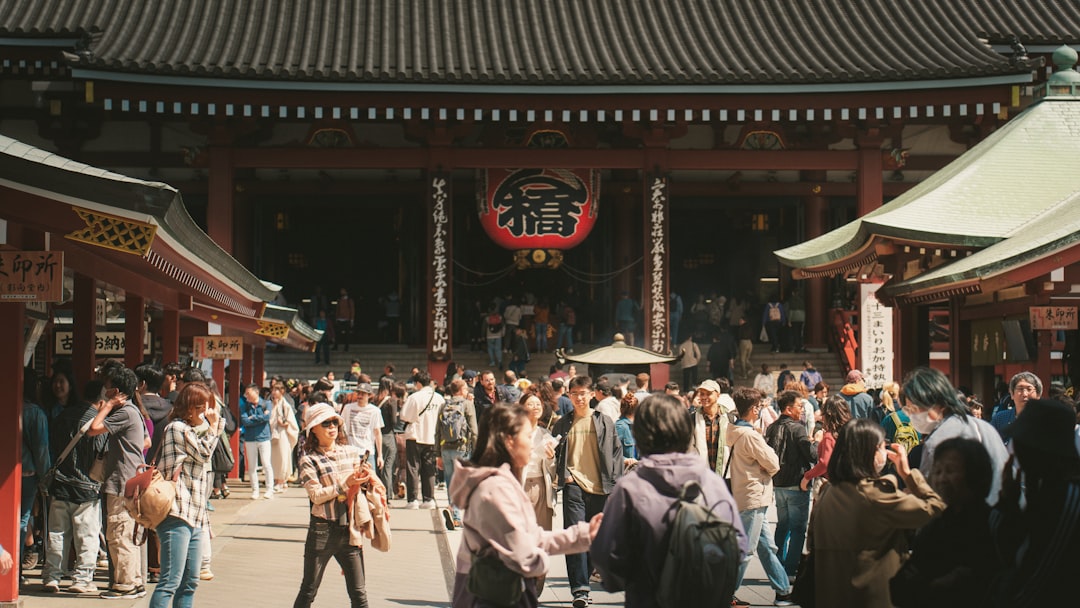
Your journey begins at Kaminarimon Gate, whose enormous red paper lantern weighing approximately 700 kilograms has become the defining symbol of Asakusa. Pass through the gate and you’ll enter Nakamise-dori, a bustling shopping street lined with over 50 traditional shops selling everything from handcrafted fans and lacquerware to freshly made ningyo-yaki cakes shaped like pigeons and swords.
At the temple’s main hall, visitors can draw omikuji fortune slips, wave incense smoke over themselves for good health, and witness the rituals of devout worshippers — a deeply moving experience that reminds you that Senso-ji is, above all, a living place of faith. Arrive before 8:00 AM to experience the temple in near-solitude, before the crowds transform Nakamise-dori into a sea of umbrellas and selfie sticks.
Asakusa Shrine: A Hidden Gem Next Door
Just steps from Senso-ji stands Asakusa Shrine (Asakusa Jinja), a Shinto shrine that often gets overshadowed by its Buddhist neighbor. Built in 1649 and designated as an Important Cultural Property, the shrine offers a quieter, more reflective atmosphere. Visit during the annual Sanja Matsuri festival in May and witness one of Tokyo’s three great festivals, when over 1.5 million people flood the streets to celebrate with portable shrines, traditional music, and electrifying energy.
Nakamise-dori: Shopping the Old Way
Stretching approximately 250 meters from Kaminarimon to the temple’s inner gate, Nakamise-dori is Japan’s oldest shopping street and a treasure trove of traditional souvenirs. Resist the impulse to rush through — duck into the narrow side alleys branching off the main street, where smaller, family-run shops have been selling handmade crafts, washi paper products, and Edo-style accessories for generations. These hidden lanes, known locally as Shin-Nakamise, offer better prices and a more authentic shopping experience than the main thoroughfare.
Hanayashiki: Japan’s Oldest Amusement Park
Tucked just behind Senso-ji is Hanayashiki, which opened in 1853 and holds the title of Japan’s oldest amusement park. Though modest by modern standards, it exudes an irresistible nostalgic charm, with vintage roller coasters, a haunted house, and carnival games that delight children and adults alike. It’s a wonderfully quirky stop on your Asakusa walk that most tourists miss entirely.
Exploring Asakusa’s Local Culture
Rickshaw Rides and Traditional Crafts
To truly absorb the atmosphere of old Tokyo, consider hiring a jinrikisha (rickshaw). Licensed rickshaw pullers, dressed in traditional garb, will carry you through the neighborhood’s atmospheric back streets while sharing stories about local history — an experience that is both indulgent and genuinely educational.
For those interested in traditional Japanese crafts, Asakusa is home to dozens of artisans keeping ancient techniques alive. Visit the Kappabashi district (Kitchenware Town), a 10-minute walk northwest of Senso-ji, where professional kitchen equipment shops sit alongside stores selling beautifully crafted knives, lacquerware, and those eerily realistic plastic food displays you’ve seen in restaurant windows across Japan.
The Edo-Tokyo Museum Nearby
While technically in the adjacent Ryogoku district, the Edo-Tokyo Museum is worth a short detour from your Asakusa walk. Its extraordinary scale models and interactive exhibits reconstruct life in Edo-period Tokyo with breathtaking detail, providing essential historical context that will enrich everything you see in Asakusa.
Food & Drink: Eating Your Way Through Asakusa
Street Food You Cannot Miss
Asakusa is a pilgrimage site for food lovers. As you walk Nakamise-dori, keep an eye out for ningyo-yaki (small sponge cakes filled with sweet red bean paste), melonpan (soft, sweet bread with a crispy crust), and freshly grilled senbei (rice crackers) being prepared right before your eyes over charcoal flames.
For a quintessential Asakusa snack, seek out Agemanju — deep-fried steamed buns filled with sweet bean paste — sold at small street stalls near the temple. The crispy exterior gives way to a warm, pillowy interior that is deeply satisfying on a cool morning.
Sit-Down Restaurants and Hidden Gems
For a proper meal, Asakusa’s back streets are dotted with excellent options:
- Tempura: Asakusa is widely considered the birthplace of tempura as a street food. Head to Daikokuya, a beloved tempura restaurant operating since 1887, where the dark, savory sauce-dressed tendon rice bowls are legendary.
- Monja-yaki: While technically a Tsukishima specialty, several Asakusa restaurants serve this savory Tokyo-style pancake that you cook yourself on a tabletop griddle.
- Soba: Traditional buckwheat noodle shops are plentiful in Asakusa. Look for establishments displaying handmade noodle-making through their windows for the freshest experience.
Craft Beer and Traditional Sake
After a day of walking, reward yourself at one of Asakusa’s growing number of craft beer bars, where local Tokyo breweries are making waves with creative IPAs and seasonal brews. Alternatively, visit a traditional izakaya (Japanese gastropub) and pair local sake with grilled yakitori skewers for a thoroughly satisfying evening.
Practical Tips for Your Asakusa Walking Tour
Getting There
Asakusa is exceptionally well-connected by public transportation. The Tokyo Metro Ginza Line and Tobu Skytree Line both stop at Asakusa Station, making it easily accessible from virtually any part of Tokyo. The neighborhood is also a stop on several popular river cruise routes, and arriving by Sumida River water bus from Hinode Pier offers a spectacular, photo-worthy approach.
How Long to Spend in Asakusa
A focused Asakusa walking tour takes approximately 3 to 4 hours, but the neighborhood rewards those who linger. Plan a full day if you intend to visit the Edo-Tokyo Museum, browse Kappabashi thoroughly, or simply spend time people-watching over coffee at one of the area’s excellent kissaten (traditional coffee shops).
What to Wear
Asakusa’s streets are largely flat and well-paved, but some temple areas feature stone pathways. Comfortable walking shoes are essential. Many visitors also choose to rent yukata (summer kimono) or traditional clothing for a few hours from rental shops near the temple — a fun way to immerse yourself in the atmosphere and generate stunning photographs.
Photography Tips
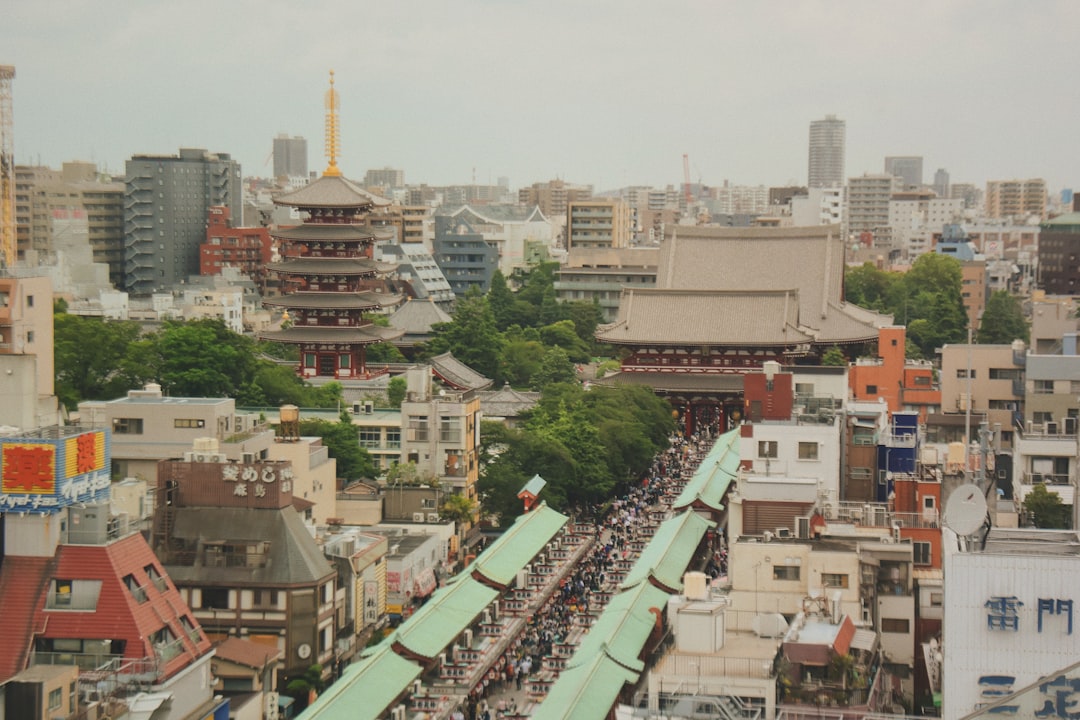
For the iconic Kaminarimon lantern shot without crowds, arrive before sunrise. The Tobu Skytree observation deck nearby offers a bird’s-eye perspective of Senso-ji against the Tokyo skyline that is particularly dramatic at dusk.
Best Time to Visit Asakusa
Asakusa is a year-round destination, but each season offers a distinct experience:
- Spring (March–May): Cherry blossoms transform Sumida Park, just east of the temple, into a breathtaking pink wonderland. The Sanja Matsuri festival in May brings electric energy.
- Summer (June–August): The Sumida River Fireworks Festival in late July is one of Tokyo’s most spectacular events, drawing enormous crowds to the riverbank.
- Autumn (September–November): Cooler temperatures make walking comfortable, and the golden foliage around the temple grounds is genuinely beautiful.
- Winter (December–February): Crowds thin considerably, and the New Year’s hatsumode (first temple visit) at Senso-ji on January 1st is a profoundly moving cultural experience, though extremely busy.
For the ideal balance of good weather, manageable crowds, and vibrant atmosphere, late September through mid-November represents the sweet spot for most visitors.
An Invitation to Step Into Old Tokyo
Asakusa is more than a neighborhood to be checked off a sightseeing list — it is an experience to be savored slowly, with open eyes and an open heart. From the thunderous drums echoing through Senso-ji’s grounds at dawn to the sizzle of tempura in a centuries-old restaurant as evening descends, every moment here feels like a gift from history.
This ancient district has survived earthquakes, wartime destruction, and the relentless march of modernization, yet it endures — vibrant, proud, and achingly beautiful. It is Tokyo’s reminder that progress and tradition need not be enemies.
So lace up your most comfortable shoes, charge your camera, and set out on your own Asakusa walking adventure. The great red lantern of Kaminarimon is waiting, and through it lies a world that will stay with you long after you’ve returned home. Tokyo’s past is calling — will you answer?
Book Tours & Activities
🗾 Asakusa Walking Tour with Snacks →