Book Tours & Activities
🗾 Book: Asakusa rickshaw tours Tokyo →
Glide Through Time: The Ultimate Asakusa Rickshaw Tour Experience in Tokyo
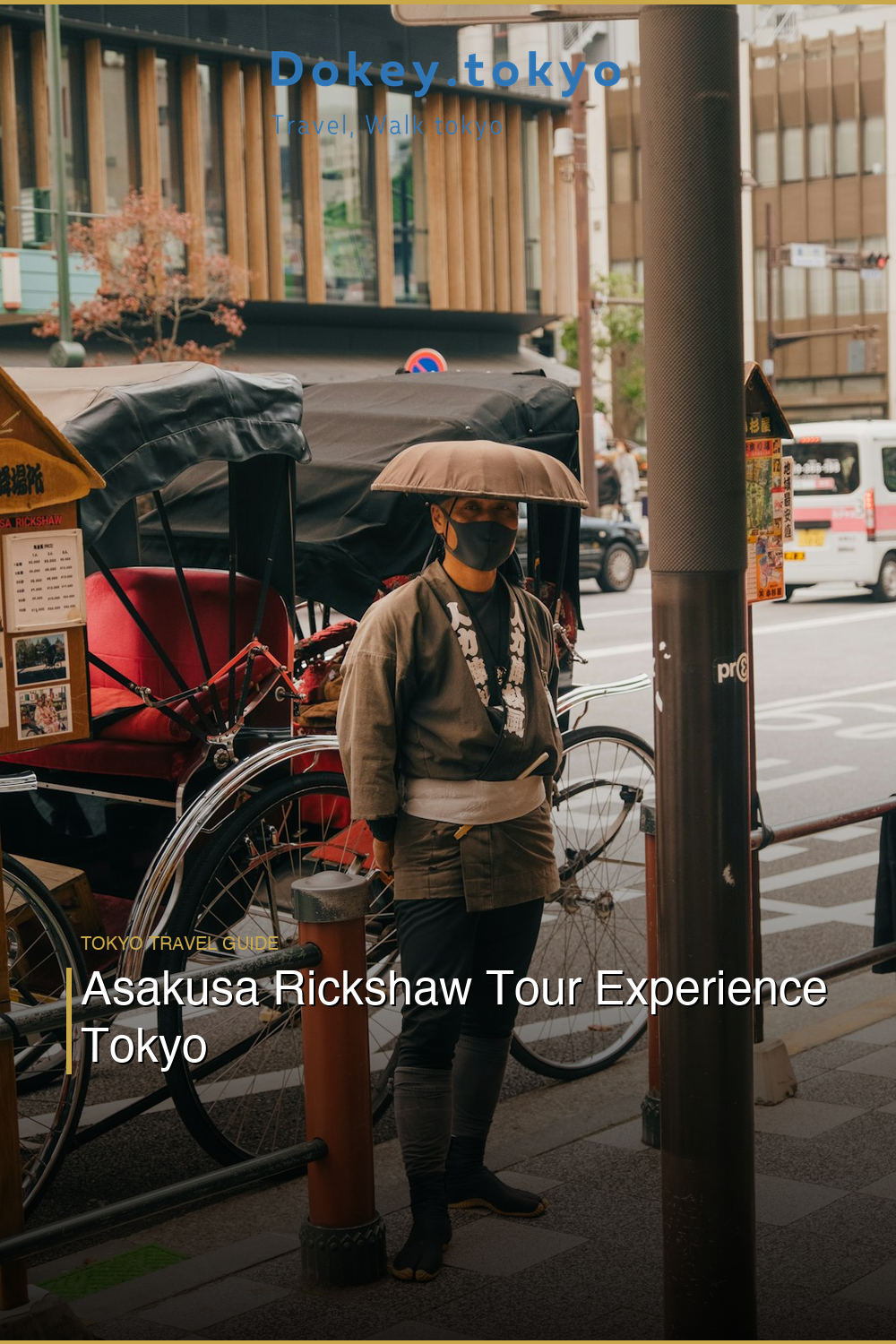
Imagine gliding through Tokyo’s oldest district, the wind catching the fabric of a traditional paper lantern overhead while your kimono-clad rickshaw puller — called a shafu — narrates centuries of history in fluent, passionate English. No subway maps. No crowded tour buses. No frantic rushing between landmarks. Just you, a beautifully lacquered wooden carriage, and the living, breathing heart of old Edo unfolding before you at a perfectly human pace.
The Asakusa rickshaw tour is one of Tokyo’s most coveted travel experiences — and for very good reason. In a city famous for bullet trains and neon-lit skyscrapers, hopping aboard a jinrikisha (人力車) in Asakusa feels like discovering a secret portal to Japan’s feudal past. Whether you’re a first-time visitor or a seasoned Japan traveler, this experience rewires the way you see Tokyo entirely.
What Is an Asakusa Rickshaw Tour?
The rickshaw — a two-wheeled passenger cart pulled by a runner — was invented in Japan in the 1870s and quickly became one of Tokyo’s primary modes of transportation during the Meiji era. While electric trains eventually replaced them for daily commuting, rickshaws never disappeared from Asakusa. Today, they thrive as a premium cultural tourism experience, offering visitors an intimate, personalized way to explore the neighborhood.
Your shafu is not merely a driver. These highly trained guides undergo years of rigorous physical conditioning and cultural education. They know every shrine stone, every hidden alley, and every local legend tucked behind Asakusa’s photogenic façades. Many speak English, Mandarin, and other languages, making the experience accessible and deeply enriching for international travelers.
Tours typically range from 10-minute quick rides to extended 60-minute or even multi-hour experiences that take you far beyond the standard tourist circuit.
Must-See Attractions on Your Asakusa Rickshaw Tour
Senso-ji Temple — Tokyo’s Oldest and Most Beloved Shrine
No Asakusa rickshaw experience begins anywhere other than the thunderous Kaminarimon Gate, with its famous giant red lantern swaying above the crowd. Your shafu will time your approach perfectly, weaving through the morning mist or the golden afternoon light to give you the most breathtaking angle possible.
Senso-ji, founded in 628 AD, is Tokyo’s oldest Buddhist temple and the spiritual anchor of Asakusa. Your guide will share fascinating legends about the temple’s founding — fishermen who discovered a golden goddess statue in the Sumida River — as you approach the majestic Hozomon Gate and enter the sacred main hall. The rickshaw allows you to pause, photograph, and absorb this extraordinary place without the tunnel-vision urgency that comes with walking tours.
Nakamise Shopping Street
Stretching 250 meters from Kaminarimon Gate to Senso-ji, Nakamise-dori is one of Japan’s oldest shopping streets, lined with over 90 traditional shops selling everything from hand-painted fans and lacquerware to freshly made ningyo-yaki (sweet cakes shaped like temple figurines). Your rickshaw will glide past these colorful stalls while your shafu highlights the vendors whose families have operated the same shops for five or six generations — a humbling testament to Japanese dedication and craft.
Asakusa Shrine (Asakusa Jinja)
Nestled quietly beside the thunderous Senso-ji complex, Asakusa Shrine offers a completely different atmosphere — serene, ancient, and profoundly spiritual. This Shinto shrine, designated a National Important Cultural Property, honors the fishermen who founded the nearby Buddhist temple. Your rickshaw tour often includes a peaceful stop here, particularly magical during early morning hours when locals come to pray in near silence.
Sumida River Views and Azumabashi Bridge
Round out your rickshaw journey with a breathtaking stop at Azumabashi Bridge, where the Sumida River sparkles below and the ultramodern Tokyo Skytree soars into the sky ahead — a dramatic juxtaposition of ancient and futuristic Tokyo that perfectly encapsulates the city’s extraordinary character. Your shafu will position the rickshaw for the ideal photograph, ensuring you capture one of Tokyo’s most iconic visual contrasts.
Immersing Yourself in Local Culture
What separates the Asakusa rickshaw tour from every other Tokyo travel experience is its profound connection to living culture. Asakusa remains one of Tokyo’s most authentic shitamachi (downtown) neighborhoods, where traditional crafts, festivals, and social customs have been preserved with remarkable fidelity.
During your ride, you’ll likely encounter geisha practicing near traditional tea houses, taiko drum practitioners rehearsing in a courtyard, and elderly calligraphers offering their services near temple gates. Your shafu serves as a cultural bridge, explaining context and significance that guidebooks rarely capture.
If your visit aligns with the Sanja Matsuri (held every May), you’ll witness one of Tokyo’s grandest festivals, with elaborately decorated mikoshi (portable shrines) carried through Asakusa’s streets by thousands of participants in traditional dress. Experiencing this from your elevated rickshaw seat is genuinely once-in-a-lifetime.
Food & Drink: Fueling Your Asakusa Adventure
Must-Try Street Foods Near Asakusa
No Asakusa rickshaw tour is complete without indulging in the neighborhood’s legendary street food scene. Ask your shafu for recommendations — they always know the best spots — but here are the essential bites:
- Melonpan (melon bread): Crispy, caramelized, and cloud-soft inside, sold from small bakeries around Nakamise-dori
- Ningyo-yaki: Adorable red bean-filled cakes shaped like Senso-ji’s iconic symbols
- Agemanju: Deep-fried sweet buns with smooth red bean paste inside — crispy outside, pillowy within
- Kaminari Okoshi: The neighborhood’s signature rice candy, sold in beautiful traditional packaging perfect for omiyage (souvenir gifts)
Restaurants Worth a Detour
After your rickshaw tour, celebrate with a meal at one of Asakusa’s acclaimed restaurants. Sometaro offers an unforgettable okonomiyaki experience where you cook your own savory pancakes at the table. For something more formal, Komagata Dojo has been serving loach fish hot pot since 1801, embodying the Edo-era culinary heritage your rickshaw tour celebrates.
For drinks, the craft sake bars along Hoppy Street (Hoppy-dori) offer a wonderfully casual, local atmosphere where salaryman and traveler alike raise glasses beside open-air grills.
Practical Tips for Booking Your Asakusa Rickshaw Tour
Where to Find Rickshaw Services
The most reputable rickshaw operators park near Kaminarimon Gate, identifiable by their smart navy and gold uniforms. Ebisuya is the most well-established company, with experienced multilingual shafu and a clear menu of tour options. You can walk up and book on the spot, though advance booking through their website is recommended during peak season.
Pricing and Tour Lengths
- 10-minute tour: Approximately ¥3,000–¥4,000 per person
- 30-minute tour: Approximately ¥8,000–¥10,000 per person
- 60-minute tour: Approximately ¥15,000–¥18,000 per person
- Private tours for two passengers are available at combined rates
While costs may seem high, the personalized, educational, and deeply cultural nature of the experience makes it exceptional value compared to generic group tours.
Dress Code and Comfort Tips
Wear comfortable shoes you can slip on and off easily, as many shrines require shoe removal. Lightweight clothing is advisable in summer, while layering is essential in winter. Many shafu provide traditional blankets during cooler months — a cozy touch that adds to the old-Japan atmosphere.
Best Time to Visit Asakusa for a Rickshaw Tour
Spring (March–May): Cherry Blossom Season
This is arguably the most magical time for an Asakusa rickshaw tour. Hanami (cherry blossom viewing) season transforms the neighborhood’s parks and temple grounds into pink-blossomed wonderlands. Book well in advance, as demand skyrockets during late March and early April.
Autumn (October–November): Fall Foliage
Crisp air, golden ginkgo leaves, and dramatically colored maples create an equally stunning backdrop. Autumn in Asakusa feels deeply contemplative and beautiful, with comfortable temperatures that make outdoor experiences truly pleasurable.
Early Morning: Any Season
Regardless of when you visit, aim for a dawn or early-morning departure. Asakusa before 8:00 AM is a completely different world — fog drifting through temple courtyards, incense curling from bronze cauldrons, and Senso-ji almost entirely to yourself. Your shafu‘s voice carries clearly in the quiet morning air, and the photographs you’ll capture are extraordinary.
Why the Asakusa Rickshaw Tour Belongs on Every Tokyo Itinerary
Tokyo is a city of extremes — gleaming technology and ancient ritual, breakneck efficiency and patient craft. The Asakusa rickshaw tour sits at the precise intersection of these contrasts, offering something increasingly rare in modern travel: genuine slowness, genuine human connection, and genuine cultural depth.
You will step off that lacquered carriage knowing Asakusa not just as a place you visited, but as a place you truly understood — its stories, its spirit, and its stubborn, beautiful insistence on honoring the past while welcoming the future.
So don’t wait for the “right” trip to Tokyo. Book your rickshaw. Tell your shafu you want to see it all. And let Asakusa surprise you in ways no guidebook ever could.
Your Tokyo adventure starts the moment you step into the carriage. The only question is — are you ready to ride?