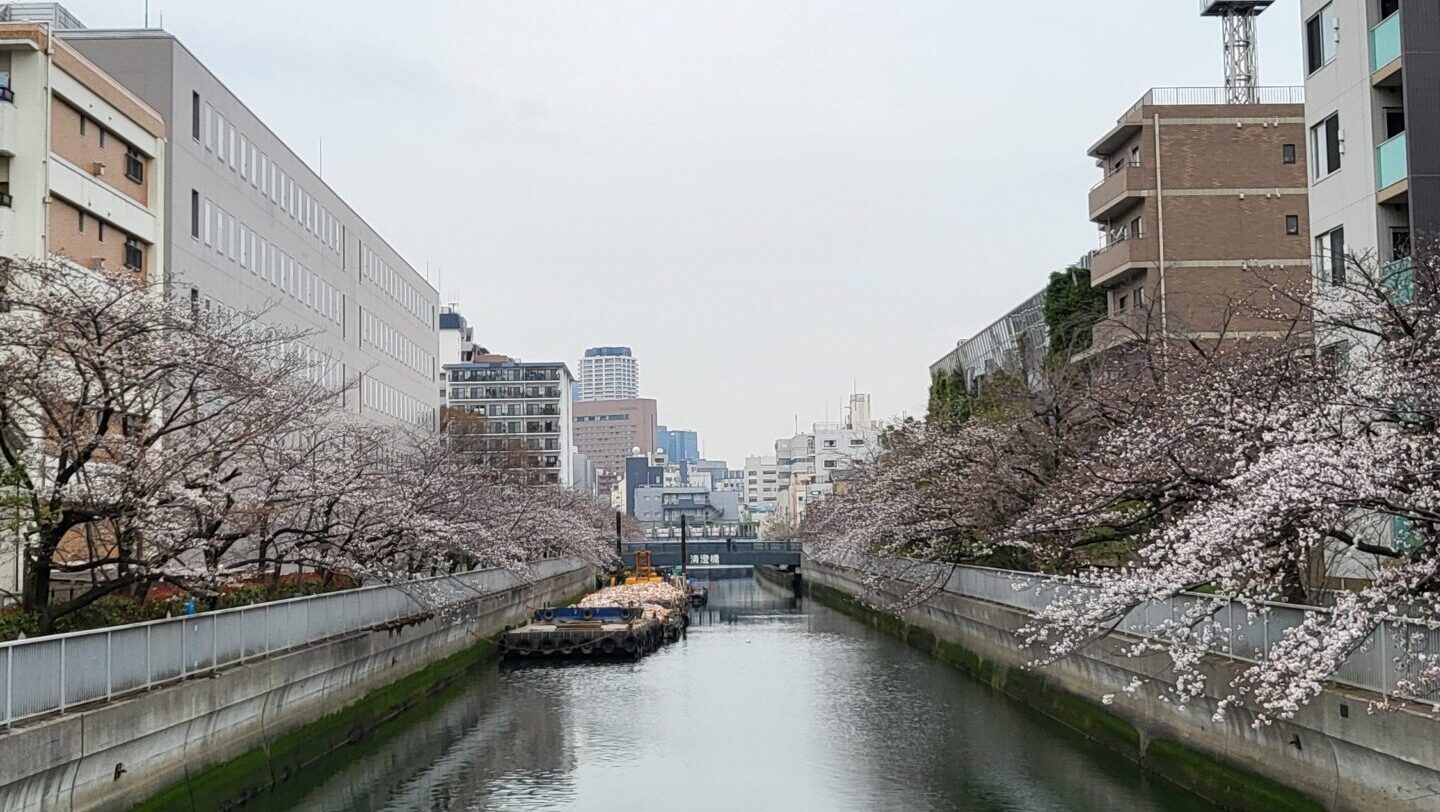
Monzen-Nakacho is one of Tokyo’s most atmospheric and underrated neighborhoods — where salarymen crowd into tiny izakayas after work, ancient temples stand next to modern coffee shops, and the streets still carry the spirit of old Edo.
Just two stops from Ginza on the Tozai Line, this neighborhood is one of Tokyo’s most atmospheric and underrated districts. It’s not on most tourist itineraries, which is precisely what makes it so special.
Quick Highlights
- Home to Tomioka Hachimangu, Japan’s largest Hachiman shrine
- One of Tokyo’s best neighborhoods for izakaya hopping
- Rich Edo-period history still visible in the streets and buildings
- Easy access from central Tokyo (10–15 minutes from Ginza)
- Far fewer crowds than Asakusa or Shibuya — a genuine local experience
🗾 Book: Monzen-Nakacho Food & Culture Tour →
Monzen-Nakacho: History & Culture
The name Monzen-Nakacho literally means “gate-front middle town” — a reference to its location in front of the gates of Fukagawa Fudodo Temple. During the Edo period (1603–1868), the area thrived as a bustling commercial and religious hub, drawing pilgrims, merchants, and craftspeople from across the city.
Unlike many of Tokyo’s neighborhoods, Monzen-Nakacho managed to retain much of its shitamachi (old downtown) character. Walking through its narrow lanes, you’ll find century-old shops sitting alongside craft beer bars, and the sound of temple bells mixing with laughter from the izakayas below.
This neighborhood is a window into the Tokyo that existed long before the skyscrapers — and it’s all the more valuable for it.
Top Things to See & Do
Tomioka Hachimangu Shrine
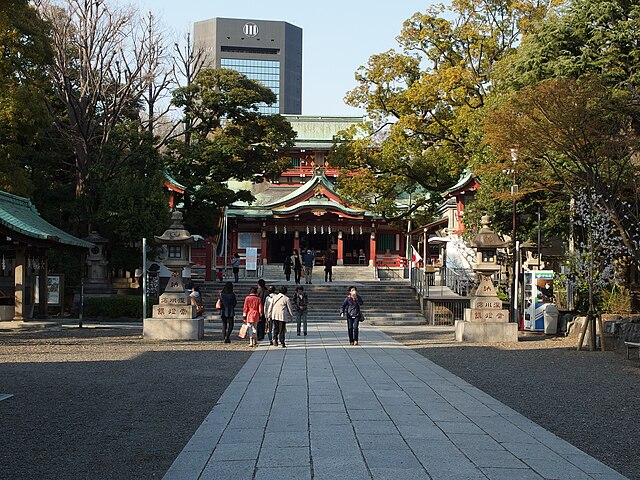
Tomioka Hachimangu is the largest Hachiman shrine in the Kanto region, and has been a center of spiritual life in Tokyo since 1627. The main hall is an impressive structure surrounded by towering trees, and the grounds are dotted with fascinating monuments — including a stone monument to sumo wrestling, as the shrine is historically linked to the sport’s origins in Tokyo.
Visit on a Sunday morning when it’s quietest, or during one of the major festivals when the entire neighborhood comes alive with mikoshi (portable shrine) processions. Access: 5-minute walk from Monzen-Nakacho Station, Exit 1.
Fukagawa Fudodo Temple
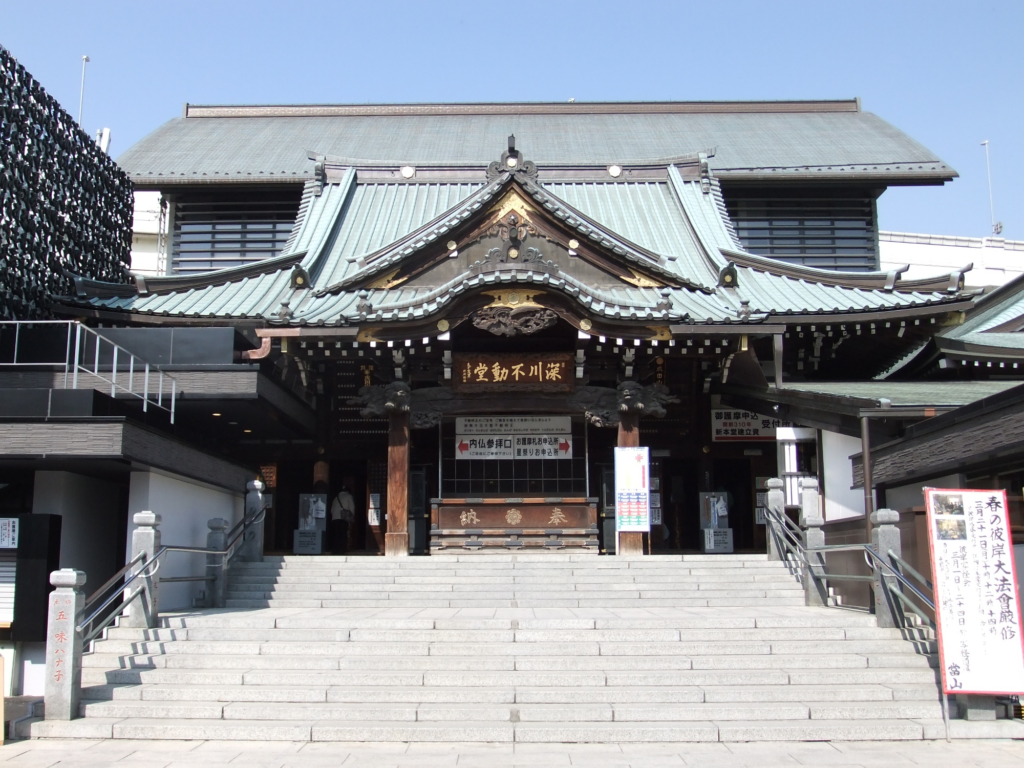
Just a short walk from Tomioka Hachimangu, Fukagawa Fudodo is a dramatic Buddhist temple that draws visitors with its spectacular fire ceremonies (goma). Held multiple times daily, the ceremony involves monks chanting rhythmically while a fire burns in the center of the hall — it’s one of the most visceral and memorable spiritual experiences you can have in Tokyo.
Fire ceremony times: Usually held at 9:00, 11:00, 13:00, 15:00, and 17:00. Free to observe.
Fukagawa Edo Museum
Fukagawa Edo Museum recreates an entire neighborhood from the 1840s at full scale — complete with merchant houses, a rice shop, a fire watchtower, and even ambient sounds of the period. It’s hands-on, immersive, and surprisingly moving. Perfect for anyone curious about what daily life looked like in Edo-period Tokyo.
Hours: 10:00–18:00 (closed 2nd and 4th Mondays). Admission: ¥400 adults.
Kiyosumi Gardens
A 10-minute walk from Monzen-Nakacho Station, Kiyosumi Teien is one of Tokyo’s most beautiful traditional gardens. The garden features a large central pond, stone lanterns, and stepping stones that lead across the water. In spring, the cherry blossoms here are stunning and far less crowded than Ueno.
Hours: 9:00–17:00. Admission: ¥150 adults.
Monzen-Nakacho’s Izakaya Street
As the sun goes down, Monzen-Nakacho transforms into one of Tokyo’s best drinking neighborhoods. The streets around the station fill with salarymen, locals, and in-the-know visitors crowding into tiny izakayas, standing bars, and craft beer spots. This is the real Tokyo after dark — loud, convivial, and completely unpretentious.
Where to Eat & Drink
Monzen-Nakacho’s dining scene is anchored in seafood and izakaya culture. Being historically close to Tokyo Bay, the neighborhood has deep ties to fresh fish — sashimi, grilled fish, and seafood rice bowls are staples at many restaurants.
What to try:
- Fukagawa-meshi — a local specialty of clams cooked in miso broth with rice, dating back to the Edo period
- Fresh sashimi — look for small seafood restaurants near the shrine
- Kushiyaki — skewered grilled meats and vegetables, perfect for izakaya hopping
- Craft beer — the neighborhood has several excellent craft beer bars
For a guided introduction to the neighborhood’s food scene, a local food tour is an excellent option — you’ll visit spots you’d never find on your own, with a maximum of 6 guests and an expert local guide.
Getting There
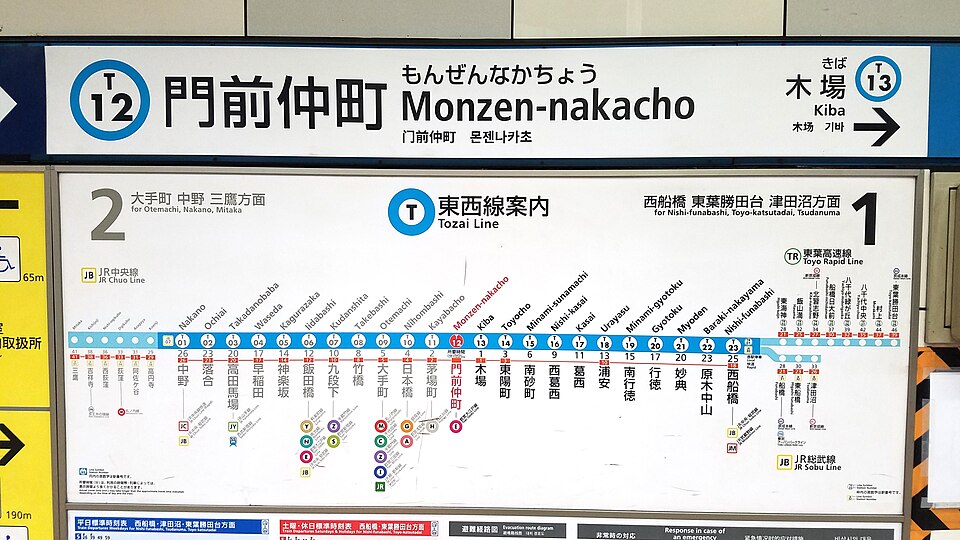
- From Tokyo Station: Tozai Line from Otemachi Station — 5 minutes, ¥180
- From Shinjuku: Oedo Line to Tsukishima, transfer to Tozai Line — approx. 25 minutes
- From Shibuya: Hanzomon Line to Otemachi, transfer to Tozai Line — approx. 25 minutes
- From Ginza: Hibiya Line to Hatchobori, then Tozai Line — approx. 15 minutes
At the station: use Exit 1 for Tomioka Hachimangu and Fukagawa Fudodo. Use Exit 6 for the main izakaya street.
Best Time to Visit
Evening (after 18:00) is the best time to experience the izakaya culture. Arrive before 19:00 to secure a table at smaller spots before they fill up. Daytime is better for temple visits, the Edo Museum, and Kiyosumi Gardens.
- Spring (March–April): Cherry blossoms at Kiyosumi Gardens
- August: Tomioka Hachimangu’s famous Fukagawa Hachiman Festival
- Autumn (October–November): Beautiful foliage in the gardens
Practical Tips
- Cash is king in many of the older izakayas — bring yen
- Shoes you can slip off easily are helpful if you visit temple interiors
- Bowing slightly when entering shops and restaurants is always appreciated
- No photos inside Fukagawa Fudodo during ceremonies — observe respectfully
- Google Translate’s camera mode is invaluable for reading menus
Final Thoughts
Monzen-Nakacho is the kind of neighborhood that rewards the curious traveler — one who’s willing to wander a little beyond the obvious. Whether you come for the temples, the food, the history, or simply to sit in a tiny izakaya and watch the neighborhood go about its evening, you’ll leave with a side of Tokyo that most visitors never get to see.