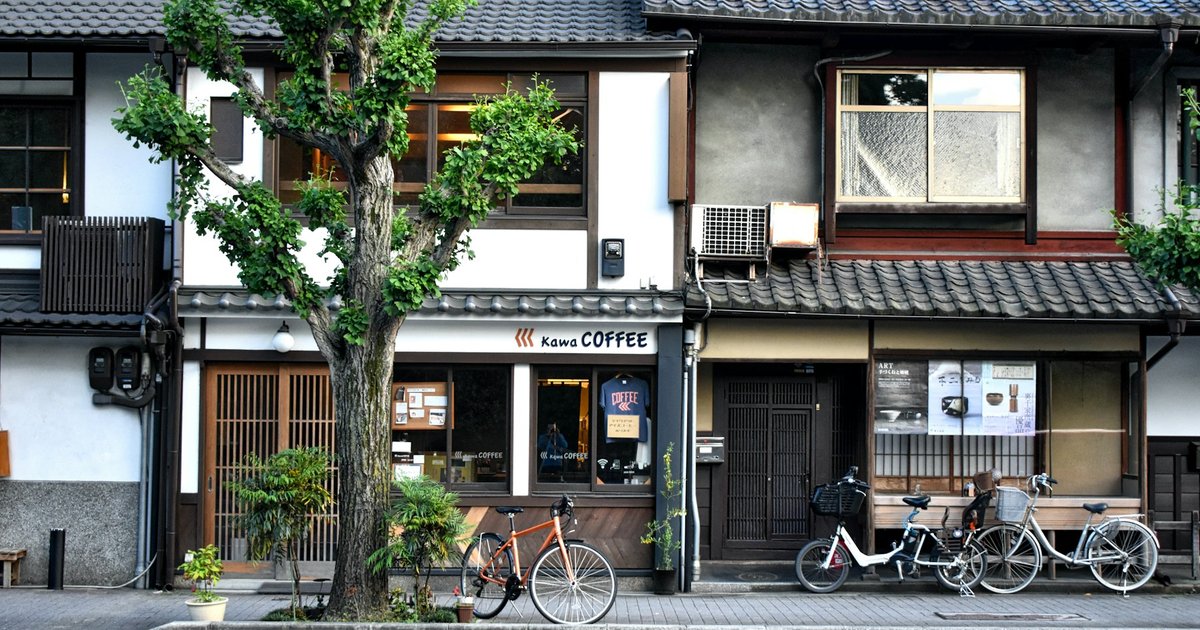
Shimokitazawa sits a few stops from both Shibuya and Shinjuku, yet it feels like a different city entirely. Narrow lanes wind past record crates, rail-hung denim, handmade jewellery, and basement live houses — the kind of neighbourhood that rewards slow wandering over a ticked checklist.
This guide covers how to reach Shimokitazawa, how to thrift without blowing your travel budget, where to refuel, and how to decide whether a guided tour or a solo afternoon suits you better.

Tokyo Private Vintage Shopping Tour in a Town of youth culture
from $51 · ★5.0 (7 reviews) · 2h · Free cancellation
What Makes Shimokitazawa Different
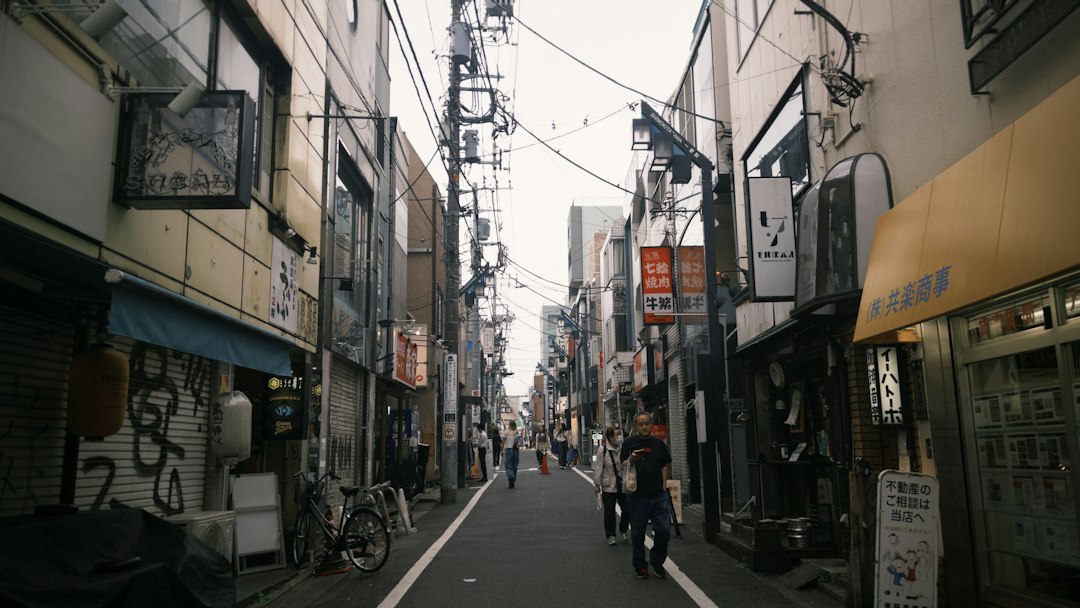
Most Tokyo shopping districts are vertical — department stores stacked floor by floor. Shimokitazawa is horizontal: a dense, low-rise maze of alleys and small storefronts. The neighbourhood built its reputation on youth culture, independent music, and street fashion.
The area is known for a high density of secondhand clothing, vinyl records, handmade accessories, and small live performance venues in a single walkable area.
Small theatres and live houses are scattered through the same streets, so an afternoon of shopping can naturally turn into an evening of independent theatre or a live set. Check official sites for what is on during your visit.
Getting There
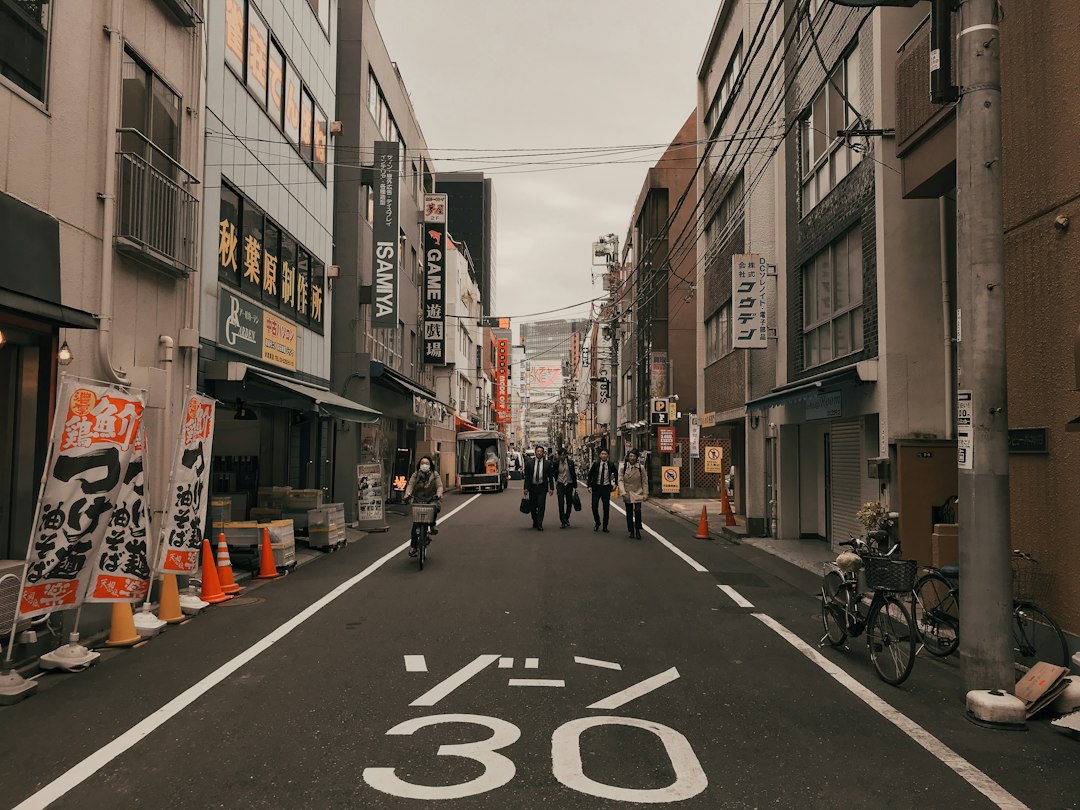
Shimokitazawa is straightforward to reach from central Tokyo. From Shibuya, the Keio Inokashira Line puts you there in roughly two stops. From Shinjuku, the Odakyu Line is similarly quick — again, just a few stops. Both lines are easy to navigate with a rechargeable IC card (Suica or Pasmo). Check the official site or your preferred map app for current fares and timetables.
Check a map for the exit nearest where you want to start; the alleys connect, and getting a little lost is part of the experience. If you have heavy bags from earlier in the day, coin lockers near the station can be useful — availability varies, so arrive early or check ahead.
How to Shop Vintage Without Overspending
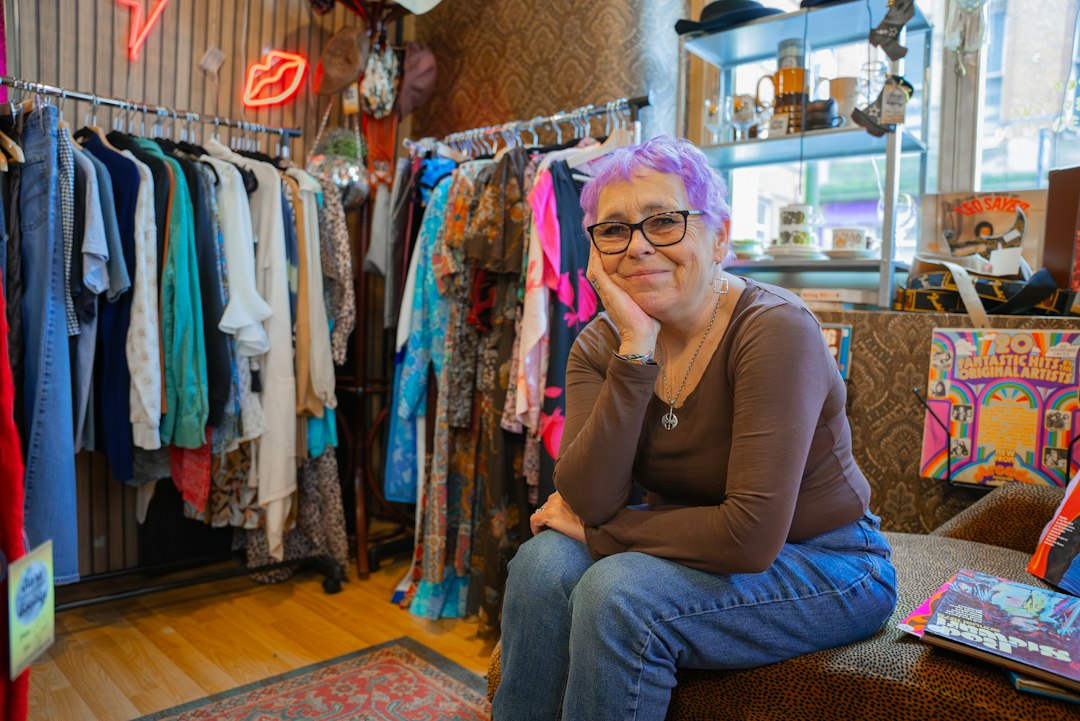
Shimokitazawa rewards visitors who slow down and think before they buy. A few practical habits make a real difference to your budget.
- Go on a weekday. Weekends draw larger crowds, which means less browsing space and, at some shops, less time to think at the rail. A weekday visit is calmer and often more productive.
- Set a hard budget before you enter a single shop. Cumulative small purchases add up quickly. Decide your ceiling — and stick to it.
- Check condition and sizing carefully. Vintage sizing rarely matches contemporary labels. Try things on where possible, and inspect seams, zips, and fabric before committing. Check the shop’s return policy before paying.
- Ask before photographing. Some shops have policies against in-store photography. A quick gesture or question before raising your phone keeps things respectful.
- Compare before buying. The same jacket, the same pressing of a record — parallel items turn up across the neighbourhood at different prices. If something catches your eye early, note the shop and browse a little further before circling back.
- Carry cash and a card. Payment options vary by shop, so check ahead rather than assuming.
- Tax-free shopping. Some retailers participate in Japan’s tax exemption scheme for overseas visitors. Check at the individual shop — eligibility conditions and minimum spend thresholds apply.
Cafes and Food Stops
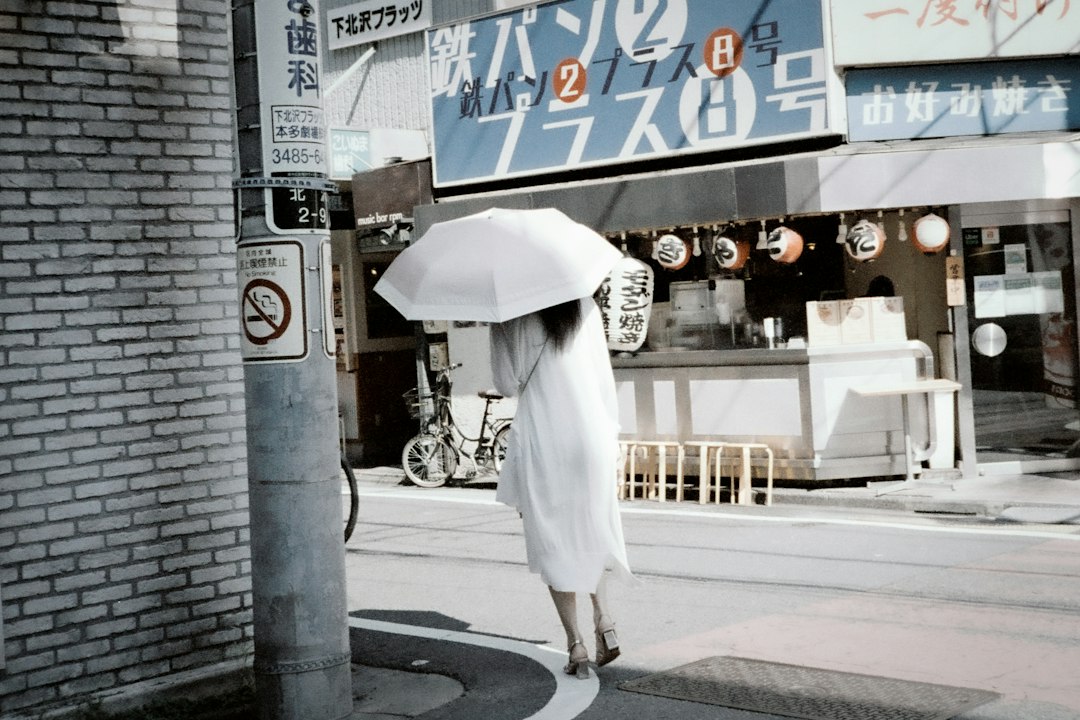
Shimokitazawa is known for independent cafes that complement the shopping scene, many of them small spaces. For sit-down meals, the streets around the station have a range of izakayas, noodle counters, and small restaurants. Check official sites or recent travel forums for current recommendations, since the independent scene turns over more than most neighbourhoods.
If you are visiting in the evening, the bar and live-house strip gives the area an entirely different character. One of the tours below includes a bar-hopping element — see the Guided Tour section for more.

Tokyo: Shimokitazawa Vintage & Subculture Walking Tour
from $76 · ★5.0 (1 reviews) · 3h · Free cancellation
Guided Tour vs. On Your Own
Shimokitazawa is genuinely navigable without a guide — the area is compact, and getting briefly lost is part of the charm. That said, a guide adds real value if you want context: the history behind particular styles, which corners of the neighbourhood tend toward which subcultures, and how to read a Japanese vintage shop’s internal logic.
The comparison table on this page lists three options worth considering. A private vintage shopping tour runs for two hours and suits travelers who want focused, personal attention on the clothing and culture without a group dynamic. A three-hour vintage and subculture walking tour takes a broader view, weaving the music and street-culture history into the shopping experience — useful if you want to understand why Shimokitazawa became what it is, not just what to buy there. A neighbourhood walk with bar hopping is the most social of the three, pairing the area’s daytime character with its evening live-music and bar scene over two hours; this suits travelers who are as interested in Shimokitazawa’s nightlife energy as its vintage rails.
All three options in the table carry strong review scores from a small number of reviewers — worth noting when weighing how much to read into those ratings. Independent browsing costs nothing beyond transport and whatever you buy, but you will miss the layer of local knowledge a guide provides.
How to Book Tickets
The tours listed in the comparison table are bookable through Viator. For fixed-date tours, book ahead — availability on popular weekends can be limited. Check the tour page for exact inclusions, meeting-point details, cancellation terms, and any requirements specific to that experience. Read the tour page carefully before confirming.
A Half-Day Sample Plan
The following is a loose framework, not a minute-by-minute itinerary. Adjust freely based on what draws your attention.
- Morning arrival. Reach Shimokitazawa by late morning on a weekday. Pick one station exit and begin walking — no particular direction required.
- First hour: browse without buying. Walk as much of the area around the station as you can before making any purchases. Get a feel for price ranges and what is available.
- Mid-morning: record shops and accessories. If vinyl or vintage accessories interest you, this is a good moment — before fatigue sets in and before the lunchtime crowd arrives.
- Lunch break. Step into a cafe or small restaurant. Rest your feet. Reassess your budget and what you actually want before returning to the shops.
- Afternoon: targeted buying. Return to anything that caught your eye in the first pass. Compare similar items across two or three shops before committing.
- Late afternoon: live houses and theatres. Check what is scheduled at nearby venues for the evening. If nothing appeals, the walk back to the station through quieter back streets is worth taking slowly.
For most visitors, three to four hours covers the core shopping area comfortably. If you are combining a guided tour with independent browsing, plan for a full half-day minimum.

Shimokitazawa local neighborhood walk and bar hopping
from $33 · ★5.0 (5 reviews) · 2h · Free cancellation
Disclosure: some links on this page are affiliate links. If you book through them, dokey.tokyo may earn a small commission at no extra cost to you.