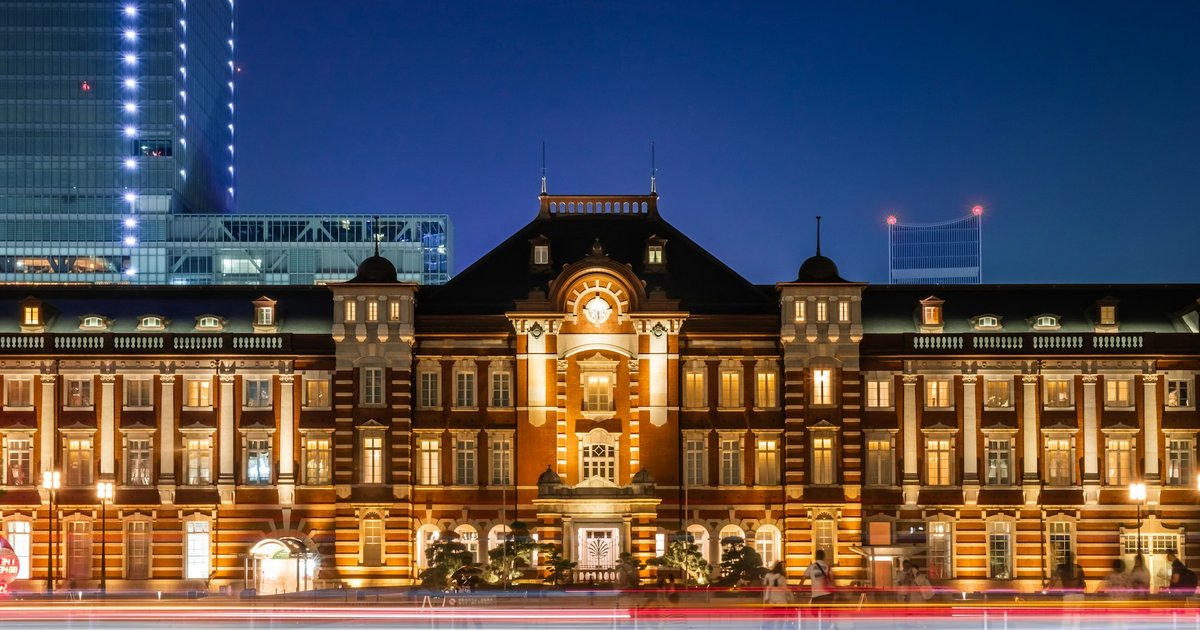
Tokyo Station is simultaneously one of Japan’s most photographed landmarks and its busiest railway interchange. The 1914 red-brick Marunouchi facade has been carefully restored to its original appearance, while behind it sprawls a vast subterranean network of shinkansen platforms, JR lines, underground malls, and specialist food halls that could occupy an entire afternoon on their own.
First-time visitors often underestimate the station’s scale and end up on the wrong side or the wrong floor. This guide walks you through the layout, the things worth pausing for inside, and the walks and tours that fan out from the exits — so you spend your time exploring Tokyo rather than searching for the right exit.

Tokyo: 1 Hour Imperial Palace Introduction from Tokyo Station
from $9 · ★4.9 (79 reviews) · 1h · Free cancellation
Why Tokyo Station Is Worth More Than a Glance
Most major railway terminals are purely functional. Tokyo Station is that too — it handles millions of passengers and serves as the origin point for shinkansen lines fanning out across Honshu and beyond — but it also carries genuine historical weight. The Marunouchi building, designed by architect Tatsuno Kingo, was completed in 1914, damaged in the Second World War, and restored to its full three-storey, domed splendour in 2012. Standing on the broad plaza in front of the Marunouchi exit and looking back at the facade is one of those Tokyo moments that earns its place on a itinerary.
The station is also a practical anchor. From here you can reach most of central Tokyo in a few stops, board a shinkansen to Kyoto or Osaka, walk to the Imperial Palace East Gardens, or step directly into the upscale Marunouchi and Ginza districts. That combination of landmark and logistics hub is what makes it worth understanding rather than just passing through.
Layout: How Not to Get Lost

Tokyo Station has two distinct sides and several underground levels, and the terminology matters. The Marunouchi side faces west toward the Imperial Palace. This is the historic brick facade, the main plaza, and the entrance to the Marunouchi business and shopping district. The Yaesu side faces east toward Ginza and the older shitamachi neighbourhoods. Many long-distance bus services depart from the Yaesu exits, and the area has its own underground concourse and shopping.
Shinkansen platforms sit in the middle of the station, accessed through fare gates separate from the regular JR lines. If you are transferring between shinkansen and local trains, factor in time to navigate between gates — the walk is not long, but the station is wide. Picking up a station map from any information counter or downloading one before you arrive is genuinely useful; the official JR East website and the station’s own signage use colour-coded guides that make the underground levels much easier to parse.
Things to See and Eat Inside the Station

Underground Shopping and Character Street
Beneath the station and connecting it to nearby buildings is an extensive underground network of shops and restaurants. Two areas in particular are worth seeking out if they match your interests: Tokyo Character Street, a corridor of official character merchandise shops that covers much of the major anime, manga, and studio brands popular in Japan; and Ramen Street, a compact stretch of ramen restaurants representing different regional styles from around the country. Both are straightforward to find once you have a station map — check the map available at information points or on the official site for current locations and any seasonal changes.
Ekiben: Station Bento Culture
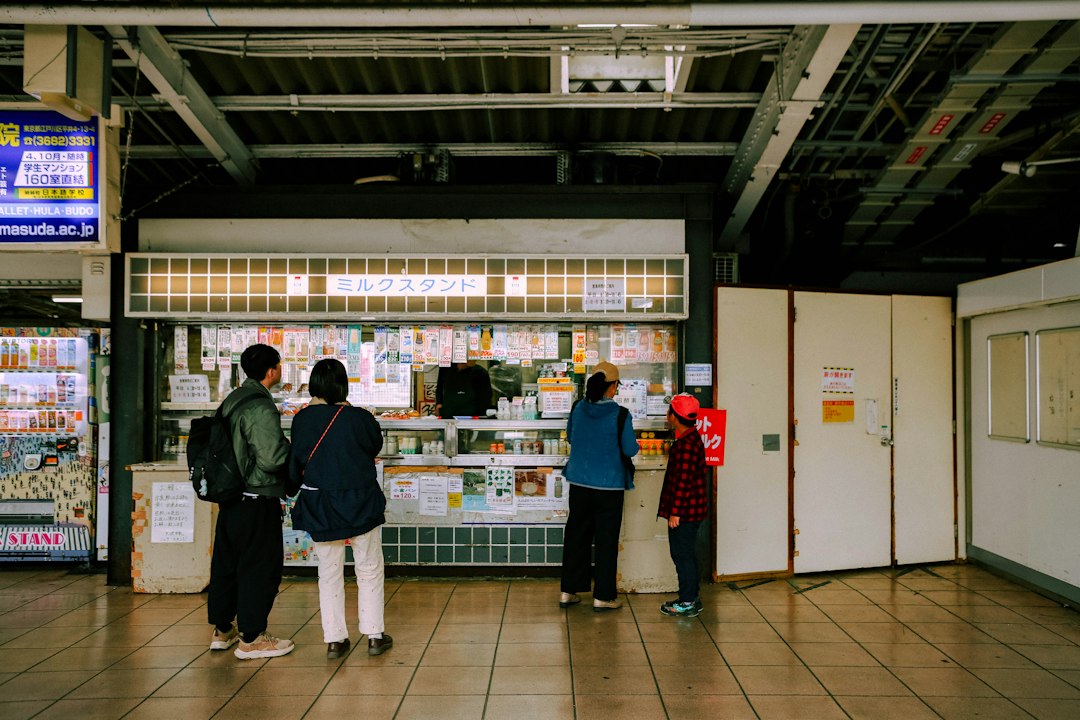
One of the most rewarding things to do at any major Japanese railway station is shop for ekiben — bento boxes sold specifically for train journeys. Tokyo Station has dedicated ekiben retailers that stock boxes from across Japan, some representing regional specialities that are otherwise difficult to find in the capital. If you are boarding a shinkansen, picking up an ekiben beforehand is both practical and culturally authentic. Options range from classic rice and fish combinations to more elaborate regional sets; check the station’s official retail listings for current vendors and any seasonal specials.
The Marunouchi Dome Interior
Travellers who use the Marunouchi entrances often walk straight through without looking up. The restored dome ceilings carry decorative reliefs that are easy to miss in the flow of commuters. Taking a moment to pause in the Marunouchi North or South passages and look at the ceiling is free and takes very little time.
Walks from Tokyo Station
The Imperial Palace East Gardens
The Imperial Palace East Gardens are a short walk from the Marunouchi exit — cross the broad station plaza, walk along the moat road, and the main entrance gate is within comfortable reach on foot. The gardens occupy the former site of Edo Castle’s inner citadel and combine stone ramparts, moat scenery, and traditional landscaping. Check the Imperial Household Agency’s official site for entry details, opening days and any seasonal closures before you go.
Marunouchi District
Directly in front of the Marunouchi exit, the boulevard running toward the palace is lined with high-end retail, international brands, and office towers. The area is calm and walkable, and some buildings have public gallery spaces or observation areas worth checking. It reads very differently from the busier commercial districts of Shinjuku or Shibuya — quieter, more corporate, but architecturally interesting.
Ginza
From the Yaesu side, Ginza is a short walk or a single stop by metro. Tokyo’s best-known luxury shopping and gallery district, Ginza has flagship stores from most major international and Japanese fashion houses alongside serious art galleries and long-established department stores. It can be explored on foot without any particular plan.

Tokyo Castle & Imperial Palace – Shogun Walking Tour
from $13 · ★5.0 (2,063 reviews) · 2h · Free cancellation
Guided Tours from Tokyo Station
The comparison table on this page lists three guided options that use Tokyo Station as a starting point or focus. A one-hour Imperial Palace introduction departing from the station suits travelers on tight schedules who want a structured overview of the palace grounds without a lengthy commitment. For more depth, a two-hour castle and Imperial Palace history walk covers the Edo Castle origins and broader historical context of the site — the volume of reviews it has accumulated gives a reasonable indication of consistent demand. A third option, a two-hour historical walk that combines Tokyo Station history with food and anime, takes the station building itself as a subject and layers in cultural stops; its review count is still small, so read the tour page carefully.
If your travel dates are already fixed, booking tours ahead is advisable — popular time slots fill up, so check cancellation terms on the tour page before confirming. For full details on what each tour covers, pricing, and how to book, check the tour page linked from this site or the operator’s official listing.
Booking Shinkansen Tickets
Shinkansen tickets can be purchased at ticket machines and staffed windows inside Tokyo Station, including at JR East Travel Service Centers where English-language assistance is available. If you are using a JR Pass, you will need to exchange or activate it before boarding and reserve a seat separately — check the JR Pass official site for the current process, as reservation procedures have changed in recent years. For popular routes and busy travel periods, booking reserved seats in advance is strongly recommended rather than relying on unreserved carriages. The JR East and JR Central official websites both offer online booking for their respective shinkansen lines.
Luggage and Transfer Tips
Tokyo Station has coin lockers in various sizes distributed across the station, but during peak holiday periods they fill up quickly. If you are arriving with large bags and planning to explore before checking into accommodation, check ahead — the station’s official site lists locker locations and some luggage forwarding services (takuhaibin) operate from the station, allowing bags to be sent directly to hotels or airports. Check the lead time for forwarding if you are heading onward to the airport. For specific locker availability, sizes, and current forwarding service operators, check the official site or ask at the station’s information counters on arrival.

Tokyo Station Historical Walking Tour with Food and Anime
from $39 · ★5.0 (7 reviews) · 2h · Free cancellation
Disclosure: some links on this page are affiliate links. If you book through them, dokey.tokyo may earn a small commission at no extra cost to you.