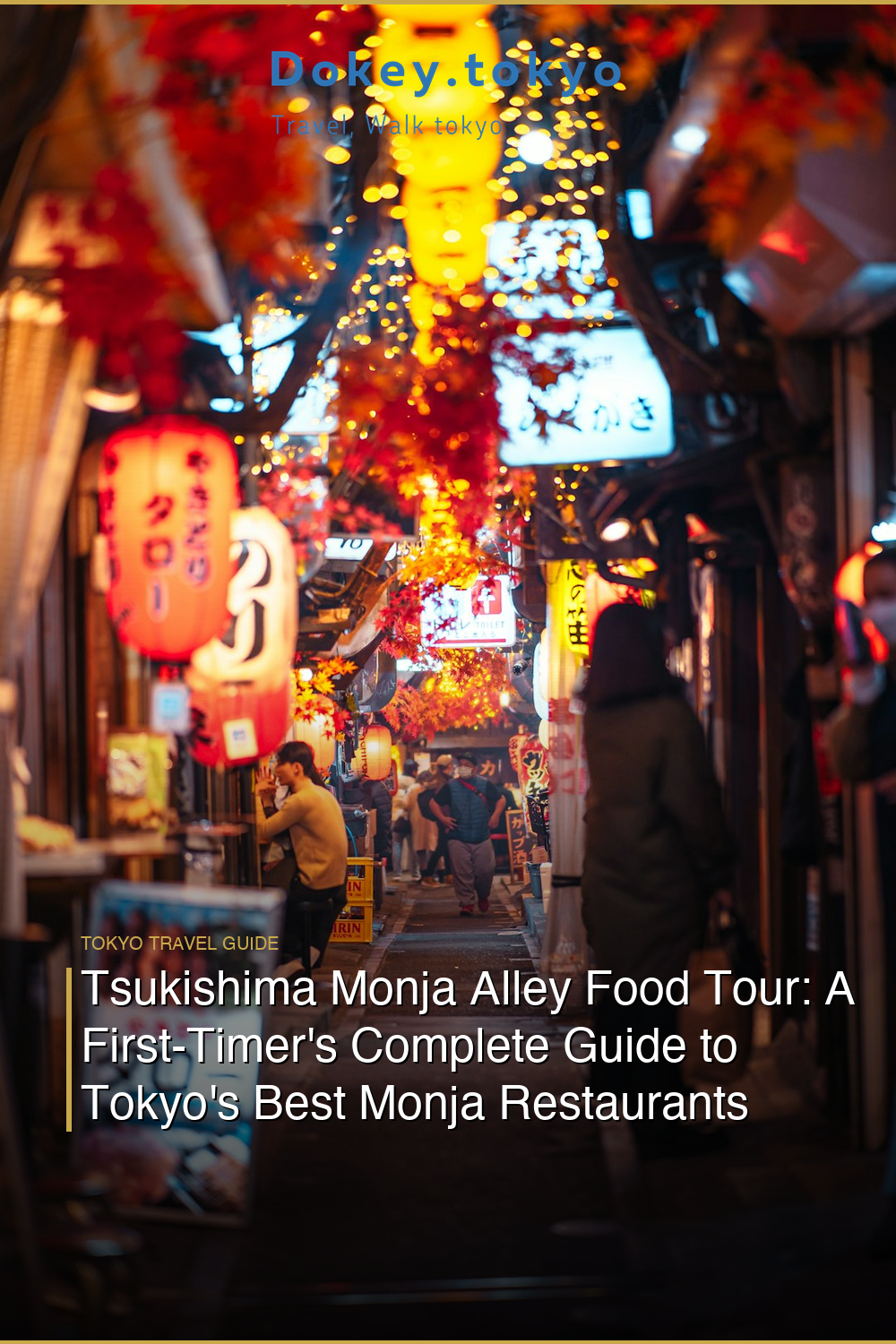
If you’ve done your Tokyo homework, you’ve probably read about ramen, sushi, and yakitori until your eyes glazed over. But there’s one dish that most first-timers completely miss — and it happens to be one of the most interactive, delicious, and downright fun eating experiences in the entire city. Monja-yaki, Tokyo’s answer to Osaka’s okonomiyaki, is a savory, runny batter pancake cooked right in front of you on a teppan griddle, and Tsukishima is the undisputed capital of it. This neighborhood, tucked on a man-made island between the Sumida River and Tokyo Bay, is so committed to monja that its main street is literally nicknamed Monja Street (もんじゃストリート). For first-time visitors who want to eat like a real Tokyoite rather than a tourist ticking boxes, this is the food tour you actually need.
I still remember stepping out of Tsukishima Station on the Yurakucho Line on a drizzly November evening, the smell hitting me before I even saw the street — a warm, savory cloud of soy sauce, butter, and caramelized batter drifting out from a dozen open doorways. The red paper lanterns were just flickering on, casting everything in amber. I had zero idea what I was about to eat, and that uncertainty felt electric.
What Is Monja-Yaki and Why Should First-Timers Care?
Let me be straight with you: monja looks weird. When the server pours the watery batter and scattered ingredients onto the hot griddle, your first instinct might be panic. It bubbles, it spreads, it does not look like anything Instagram told you Tokyo food was supposed to look like. But that’s exactly why you should order it.
Monja-yaki originated in the shitamachi (old downtown) neighborhoods of Tokyo as cheap, filling street food for kids. The name itself may come from “monji” (文字), because children used to write characters in the batter with their spatulas. Today it’s a full-blown cultural institution with dozens of flavor variations — think mentaiko (spicy pollack roe) and mochi, kimchi and cheese, squid ink and baby shrimp — all cooked tableside by you, with a tiny spatula called a hera.
For first-timers, this is genuinely one of the best entry points into Tokyo’s food culture because it’s participatory. You’re not just eating; you’re cooking together, laughing at your mistakes, and bonding over a shared griddle. Come hungry and come curious.
Navigating Monja Street: What to Expect When You Arrive
The Layout of the Neighborhood
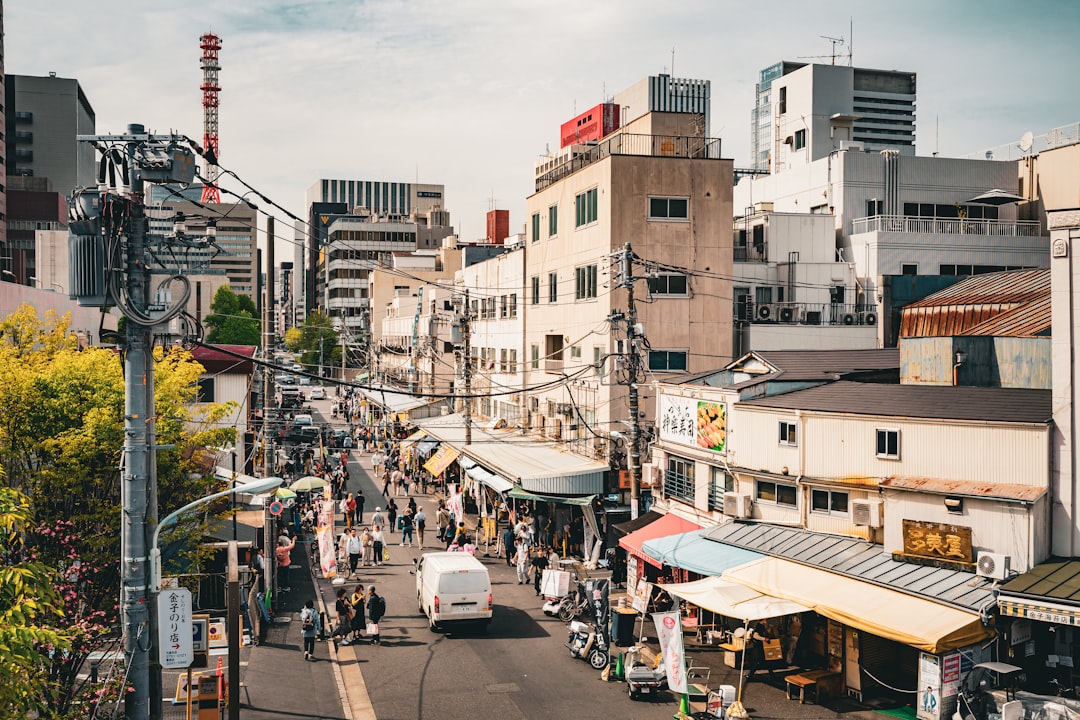
Tsukishima is small and gloriously walkable. The main Monja Street runs for about 400 meters and packs in roughly 70+ restaurants, most of them small family-run spots with plastic food displays in the windows and menus written in Japanese. Don’t let that intimidate you — picture menus are almost universal, and staff at most restaurants are used to welcoming curious outsiders.
Arrive between 11:30 AM and 1 PM for lunch (shorter lines, calmer vibe) or between 5 PM and 8 PM for the full lively evening atmosphere. Weekdays are noticeably quieter than weekends, which is a genuine gift for first-timers who want to ask questions without feeling rushed.
First-Timer Survival Tips for the Street
- Look for the tasting sets. Many restaurants offer monja + okonomiyaki combo sets specifically designed for newcomers who want to compare both dishes. These are worth every yen.
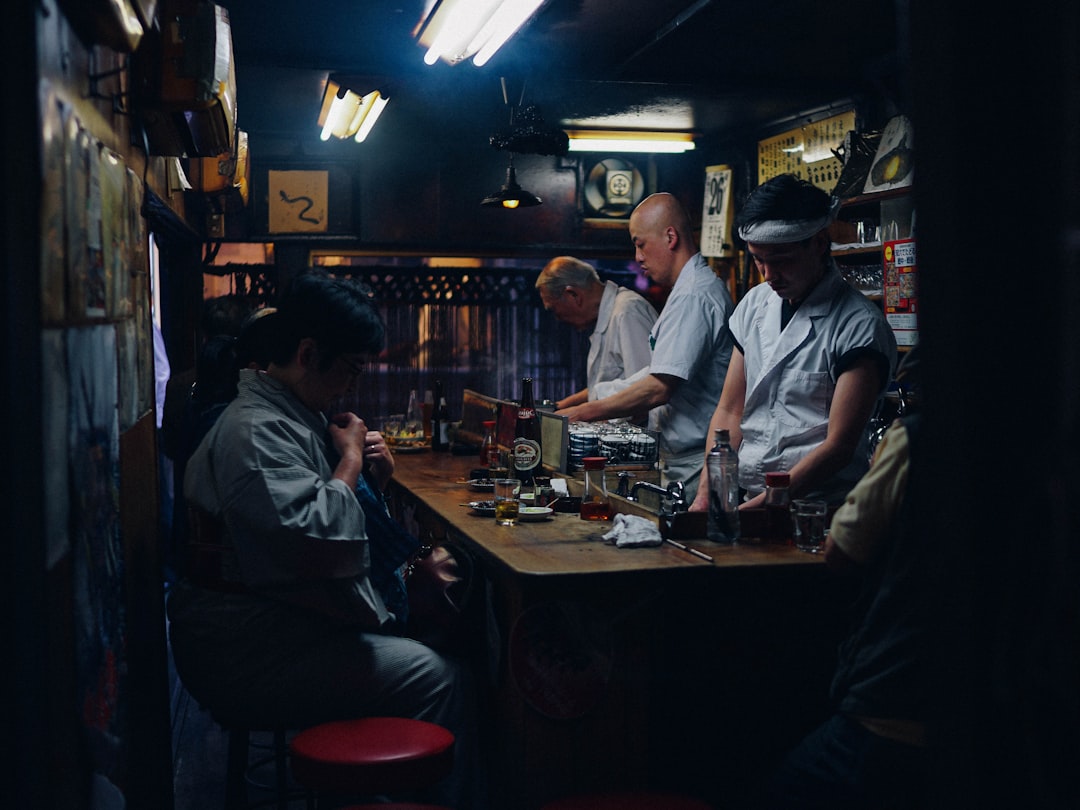
- Sit at a counter seat if possible. Watching the staff cook gives you a masterclass before you touch your own hera.
- Don’t be embarrassed to ask for help. I cannot stress this enough. Every restaurant on this street has served thousands of confused tourists. They are happy to demonstrate. Just bow slightly and say “oshiete kudasai” (please teach me).
The Best Monja Restaurants on Tsukishima for First-Timers
🎫 Book on Klook: Tsukishima Monja Alley Food Tour →
Okame (おかめ) — The Classic First Stop
Okame has been serving monja since 1957, and the moment you walk in, you feel that history. The tatami-style seating, the walls lined with old photographs, the grandmother-age staff moving with practiced efficiency — this is the real thing. For first-timers, order the standard Tokyo monja set and ask the staff to cook the first one for you. They will, every single time, and watching them build the iconic “moat” of batter around the ingredients before pouring the runny center is genuinely mesmerizing.
Must-order: The classic sakura-ebi (dried cherry shrimp) monja, which is delicate and slightly sweet, perfect for calibrating your palate before you go adventurous.
Tsukishima Monja Daikokuya — For the Adventurous First-Timer
This is where I discovered the mentaiko-mochi-cheese combination that I now consider one of the top ten things I’ve ever put in my mouth. The mochi squares get crispy on the outside while staying gooey inside, the mentaiko adds a gentle heat, and the melted cheese holds everything together in this glorious mess that defies description. A local sitting next to me at the griddle — a salaryman on his lunch break — leaned over and pointed at my plate, gave a thumbs up, and said simply, “Tokyo taste.” I felt unreasonably proud of myself.
The menu here is picture-heavy and staff speak basic English, making it exceptionally first-timer friendly.
Kissho (吉祥) — Best Monja for Slower Eaters
Some first-timers (myself included, my first visit) stress about monja because it cooks fast and burns if you’re not paying attention. Kissho’s staff are particularly patient and will coach you through the entire process without making you feel like a culinary disaster. Their seafood monja with scallop and butter is rich and forgiving — the scallop stays juicy even if you accidentally overwork it. This is my honest recommendation for travelers who are nervous about the cooking component.
How to Cook Monja: A Quick Crash Course
Because no first-timer article is complete without this:
- Mix your ingredients. The server will bring a bowl with the solid toppings sitting in the liquid batter. Mix everything together with your hera before cooking.
- Build the moat. Fry the solid ingredients first, forming a ring (the “dike”) on the hot griddle. This is the most satisfying part.
- Pour the liquid inside. Let it sizzle and bubble inside the ring of ingredients.
- Chop and spread. Use your tiny hera to chop everything into smaller pieces and spread it thin.
- Scrape and eat. Use the flat edge of your hera to scrape the crispy edges directly into your mouth. This is not a polite dining experience. That’s the whole point.
Beyond Monja: What Else to Do in Tsukishima
🗾 Book on Viator: Tokyo market food walking tour with tast →
You should dedicate at least half a day here, because Tsukishima rewards slow exploration. If you’re interested in exploring Tokyo’s other legendary food districts, consider pairing this visit with a tour of the Tsukiji Outer Market, another food lover’s paradise just a short train ride away.
Tsukuda Island Walk
Just across the small bridge from Tsukishima is Tsukuda Island, one of the oldest settled areas in Tokyo. The narrow alleyways, traditional machiya townhouses, and the tiny Sumiyoshi Shrine (established in 1646) feel completely removed from modern Tokyo. Early morning or late afternoon light makes this area genuinely beautiful, and it’s almost always quiet.
Tsukuda-ni Shopping
Tsukuda is famous for tsukuda-ni, small fish and shellfish simmered in soy sauce and mirin. Pick some up at one of the old shops on the island as a souvenir — it keeps well and tastes extraordinary on plain rice.
Best Time to Visit Tsukishima as a First-Timer
Autumn (October–November) and spring (March–April) are ideal. The weather is comfortable for walking between restaurants, and the neighborhood feels especially alive. Summer is humid and intense, though evening visits in July and August have their own sweaty, festive charm. Winter is my personal favorite — there’s something deeply comforting about hunching over a hot teppan griddle when it’s cold outside, the steam rising around you while rain taps the window.
Avoid Saturday lunch in peak tourist season unless you enjoy standing in line for 40 minutes, which is genuinely fine if you’re using the time to study the picture menu outside. For more insights on timing your Tokyo food experiences, check out how locals approach dining in other Tokyo neighborhoods.
It was on my third visit, a Tuesday evening in late October, that I sat alone at a counter in Okame, watching the griddle hiss and pop, scraping up the lacy crispy edges of a mentaiko monja with my tiny hera while the staff chatted in rapid Japanese around me. A woman beside me, clearly a regular, slid over a small dish of house-pickled daikon without saying a word — just placed it in front of me and nodded. I ate the whole thing. That unremarkable, generous, utterly specific moment is more Tokyo to me than any temple or skyline view I’ve ever photographed.
Final Thoughts: Why Tsukishima Should Be On Every First-Timer’s Tokyo Itinerary
Tokyo is enormous and occasionally overwhelming for first-time visitors. Tsukishima is the opposite: compact, focused, welcoming, and centered entirely around the simple pleasure of cooking and eating together. Monja-yaki won’t make your highlight reel the way Mount Fuji or Shibuya Crossing will, but it will be the meal you actually remember — the one you describe to people back home while waving your hands to explain the spatula technique.
Book a weekday, take the Yurakucho Line to Tsukishima Station, follow the smell, and let yourself be a beginner. The city will meet you exactly where you are.