There’s a moment on Izu Oshima when you realize you’ve stumbled into a landscape that doesn’t look like it belongs to Japan — or even Earth. The island rises from Tokyo Bay like a dark fist of volcanic rock, ringed by beaches the color of charcoal, draped in camellia forests, and crowned by Mount Mihara, an active stratovolcano that last erupted in 1986. For photographers, this place is nothing short of a fever dream. Most Tokyo tourists have never heard of it. That’s exactly why you need to go.
I remember stepping off the high-speed Jetfoil at Motomachi Port on a crisp October morning, my camera bag already unzipped before I hit the dock. The air hit me first — thick with salt and something mineral, almost sulfuric, drifting down from the caldera. The port was quiet except for the low chug of a fishing boat and the distant cry of seabirds. The light was that soft, diffused grey that photographers chase — no harsh shadows, just pure, even tones washing over the black lava walls lining the harbor. I knew immediately: I had not brought enough memory cards.
Getting to Izu Oshima: Ferries, Jetfoils, and Golden Windows of Light
For photographers, the journey to Izu Oshima is itself a shooting opportunity. The high-speed Jetfoil operated by Tokai Kisen departs from Takeshiba Pier in central Tokyo and reaches the island in about 1 hour 45 minutes. There’s also a larger overnight ferry that’s slower but offers dramatic open-deck views of Mount Mihara emerging from the sea at dawn — honestly, if you can swing the overnight option even one way, do it. That caldera silhouette against a pink sky is worth every minute of lost sleep.
Day trippers should take the first Jetfoil departure (usually around 7:00–7:30 AM) to maximize shooting hours on the island. The last return ferry leaves in late afternoon, so you’re working with roughly 6–8 hours on land — tight, but absolutely doable with a plan.
Practical Tip: Rent a Scooter or Car at the Port
Izu Oshima’s main attractions are spread around the island’s perimeter and up toward the volcano summit. The moment you exit the ferry terminal, you’ll see rental shops offering scooters, electric bikes, and small kei cars. For photographers carrying gear, a kei car is worth every yen — you can pull over instantly at any roadside lava field or coastal overlook without worrying about securing a bike. Rentals typically run ¥3,000–¥5,000 for a half-day.
The Black Sand Beach at Habushi-ura: Your First Shot of the Day
🗾 Book on Viator: Local Hot Spring & Cultural Etiquette →
🎫 Book on Klook: Hot springs and beaches day trip →
Drive south from Motomachi Port and within fifteen minutes you’ll hit Habushi-ura Beach — and your jaw will drop. This is not the beige, postcard-perfect sand of a Maldives brochure. This beach is made entirely of crushed black volcanic rock and sand, stretching in a wide crescent with raw, wind-carved cliffs on one end and open Pacific on the other. The contrast between the jet-black shoreline and the deep blue-green sea is genuinely surreal through a lens.
Arrive in the morning when the light rakes low across the textured sand and you’ll capture long shadow details in every ripple and rock. Bring a wide-angle lens for the sweeping coastal compositions and a polarizing filter to cut glare off the water — the color saturation you’ll pull from this beach with a polarizer is extraordinary. Habushi-ura is also dramatically less crowded than anything you’d find on the Izu Peninsula mainland, so you can set up a tripod in the surf without negotiating around selfie sticks.
I had a conversation here with an elderly fisherman named Yamamoto-san who’d lived on the island his whole life. He pointed to a cluster of rocks about 200 meters offshore and said in quiet, matter-of-fact Japanese, “When the tide drops at noon, those rocks make shadows that look like a sleeping dragon.” I came back at noon. He was absolutely right, and that frame became the cover shot of my entire Tokyo trip series.
Mount Mihara Caldera: Shooting the Volcano Up Close
🎫 Book on Klook: Izu Oshima volcano island tours →
🎫 Book on Klook: Scenic photography tour Izu Oshima →
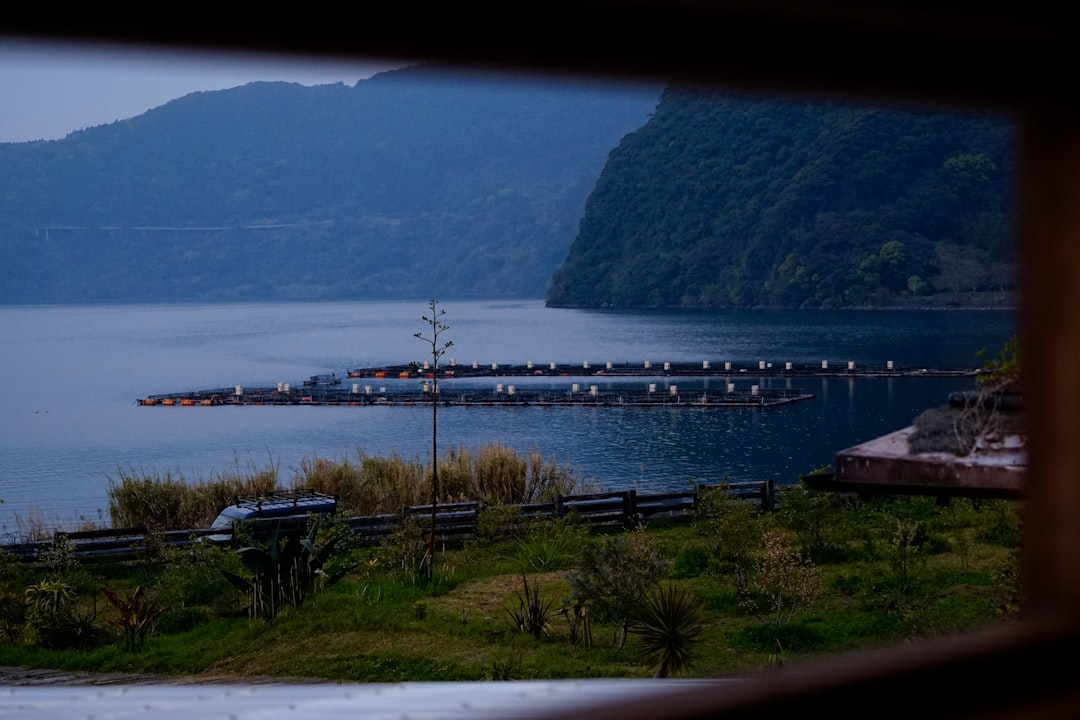
This is the main event, and it earns every superlative. The road up Mount Mihara winds through a landscape of solidified lava flows, sparse grasses clinging to black rock, and scattered camellia trees — it feels like Iceland decided to visit Japan. Park at the trailhead near the caldera rim and hike the 20–30 minute loop around the summit crater.
The caldera itself is both beautiful and humbling. Steam vents rise from the rocky inner walls in lazy white columns, and on clear days the view stretches across the Izu island chain — Niijima, Toshima, even Miyakejima on the horizon. For photographers, the interplay between sulfurous mist, raw black rock textures, and sweeping ocean backdrops is unmatched anywhere in the Tokyo region.
What to Bring for Caldera Shots
Bring a lens cloth — the steam and sea air will fog your glass repeatedly. A telephoto zoom (70–200mm range) is invaluable for isolating steam plumes against the sky and compressing the distant island chain. Shoot in RAW format so you can recover detail in the bright white steam without blowing the highlights entirely. Early morning and late afternoon light turns the lava rock from flat grey to deep amber and rust — the difference between a snapshot and a portfolio piece.
Oshima Onsen Hotel: Soak While the Sun Sets
🗾 Book on Viator: Authentic Onsen Hot Spring Experience →
🗾 Book on Viator: Tattoo-Friendly Hot Spring Bath Visit →
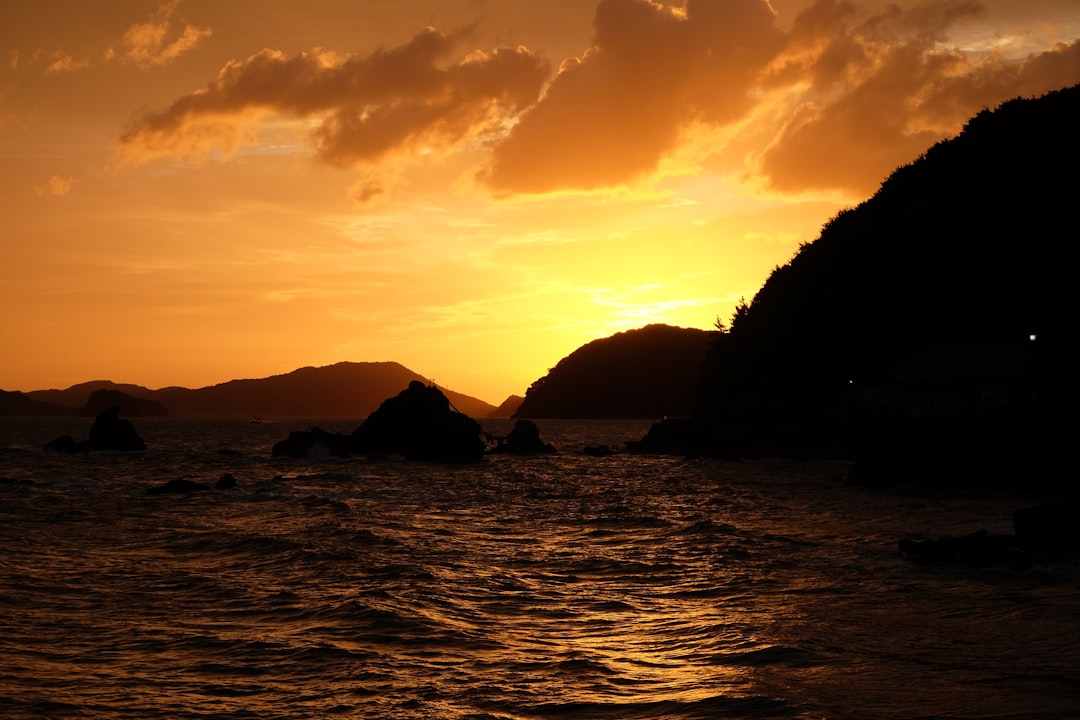
Here’s the honest truth about Izu Oshima day trips: by early afternoon your legs are tired, your card is full, and you need a reset before the ferry home. The answer is the Oshima Onsen Hotel, which has outdoor rotenburo (open-air hot spring baths) perched on a hillside with sweeping ocean views. Non-guests can typically access the baths for a day-use fee of around ¥1,000.
The thermal water is softly sulfurous and silky — heated by the same volcanic forces that built the island under your feet. This isn’t a luxury spa hotel; it’s a slightly worn, deeply authentic onsen experience that smells like the earth itself. Like the hot spring and hiking experience available at Odawara Castle, day visitors can rejuvenate between outdoor adventures. Leave your camera in a locker (no photography inside the baths, of course) and just soak. You’ll feel the lava-walk fatigue dissolve out of your calves and shoulders within ten minutes.
Local Food: What to Eat Between Shots
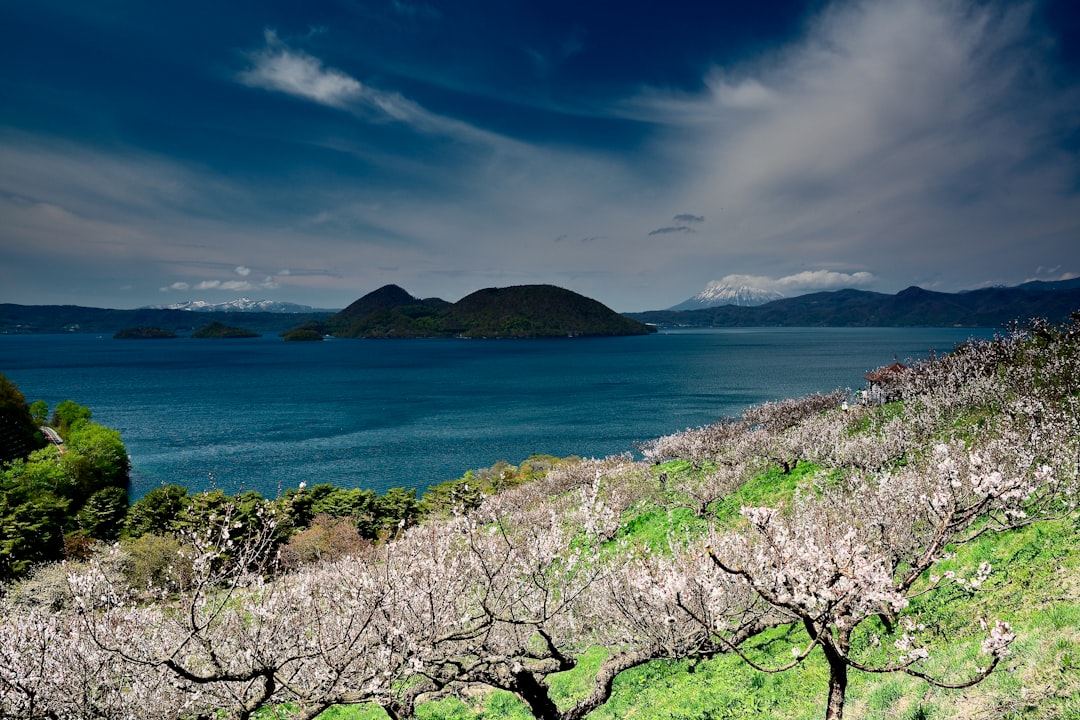
Izu Oshima is famous throughout Japan for two things: camellia oil (tsubaki oil) and the local salt. Both show up in the island’s food in ways that are quietly extraordinary. Look for shio ramen made with hand-harvested local salt at small noodle shops near Motomachi — the broth is cleaner and more nuanced than anything you’ll get in a Tokyo ramen chain. Many shops also serve tsubaki udon, noodles dressed with fragrant camellia oil, toasted sesame, and nori. It sounds simple. It’s one of the best things I ate in years of Japan travel.
For quick fuel between locations, grab a bag of tsubaki sembei (camellia-oil rice crackers) from any port-area shop. They’re light, savory, and perfect for eating one-handed while you review shots on your camera screen.
Best Time to Visit for Photography
Autumn (October–November) is the sweet spot: the camellia trees begin to bloom, the light is lower and warmer throughout the day, and typhoon season has mostly passed. Spring (March–April) brings the famous camellia festival — the island is blanketed in red and pink blossoms and the shooting opportunities are spectacular, though the ferries fill up fast, so book early. Avoid midsummer if you can; the haze reduces visibility from the caldera and the midday light is flat and harsh.
Winter weekdays are a hidden gem — the island is nearly empty, the sea turns a dramatic steel-blue, and misty caldera conditions create atmospheric, almost moody shots that look nothing like typical Japan travel photography.
Just before I caught the afternoon Jetfoil back to Tokyo, I sat alone on the black rocks at Habushi-ura eating the last of my tsubaki sembei, watching the sun drop toward the horizon and paint Mount Mihara in shades of copper and deep violet. The steam from the caldera caught the light and glowed briefly, almost phosphorescent, before the colors faded. A single fishing boat moved silently across the darkening water below the volcano. I didn’t lift my camera. Some frames belong only to you.
Final Thoughts: Is Izu Oshima Worth the Day Trip?
For photography enthusiasts based in Tokyo, Izu Oshima is not just worth it — it’s one of the most underrated shooting destinations in all of Japan. Black beaches, active volcanic landscapes, camellia forests, ocean hot springs, and an authentic island culture that hasn’t been polished for Instagram: this place delivers subjects that you simply cannot find anywhere else within a two-hour radius of Shinjuku.
Book your Jetfoil early, rent a car at the port, hit Habushi-ura at first light, get to the caldera by late morning, soak at sunset, and catch the ferry home with a full memory card and stories that no one back home will quite believe until they see the photos.