If your camera roll is full of Shibuya Crossing and Senso-ji at golden hour, I get it — Tokyo is relentlessly photogenic. But after my fourth trip to Japan, I started craving something with more texture, more quiet drama. That’s when a local photographer friend whispered two words that changed my itinerary entirely: Odawara Castle. One Shinkansen ride from Tokyo Station, this 15th-century fortress rises above a moat thick with lotus leaves, surrounded by hiking trails that smell of cedar and damp earth, with an onsen town waiting at the end of the day to steam the soreness right out of your shutter finger.
I remember stepping off the train at Odawara Station on a cool October morning, still half-asleep, and being hit immediately by the sharp scent of sweet potato being roasted at a tiny cart just outside the west exit. A cat was sitting absolutely motionless on a stone wall, backlit by the low autumn sun, and I had my camera out before I’d even bought a map. That moment told me everything I needed to know: this place rewards the slow, the observant, and the lens-ready.
Why Odawara Castle Is a Photographer’s Dream Destination
🎫 Book on Klook: Odawara Castle guided tours →
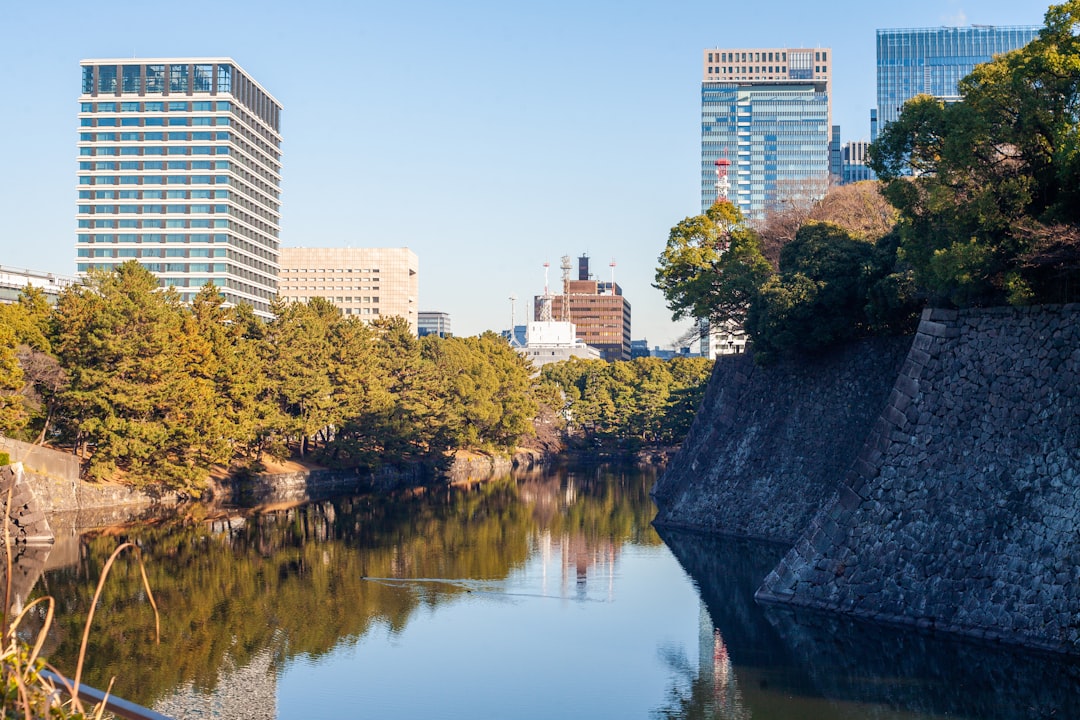
Odawara Castle — locally called Odawara-jo — is the kind of subject that gives you something different every hour of the day. Built by the Omori clan and famously used as the stronghold of the Hojo clan during Japan’s Sengoku period, the castle has been reconstructed and sits inside a sprawling park that functions as both a historical museum and a genuinely beautiful green space. Unlike some of Japan’s more touristed castles, Odawara still has an unhurried, lived-in quality to it. Locals walk their dogs along the moat. Elderly couples feed the koi. School kids sprint past in matching yellow hats.
Shooting the Castle at the Right Light
For golden hour photography, arrive by 6:30 AM if you’re visiting in spring or autumn. The eastern face of the donjon (the main tower) catches the first light beautifully, and the reflection in the outer moat — especially when cherry blossoms are falling in late March to early April — is the kind of shot that makes people ask if you used a filter. (You didn’t need one.) In summer, come back just before sunset when the stone walls glow amber and the crowd thins. Tripods are allowed in the park outside the main keep, but not inside the tower itself.
Inside the Keep: Layers of Feudal Detail
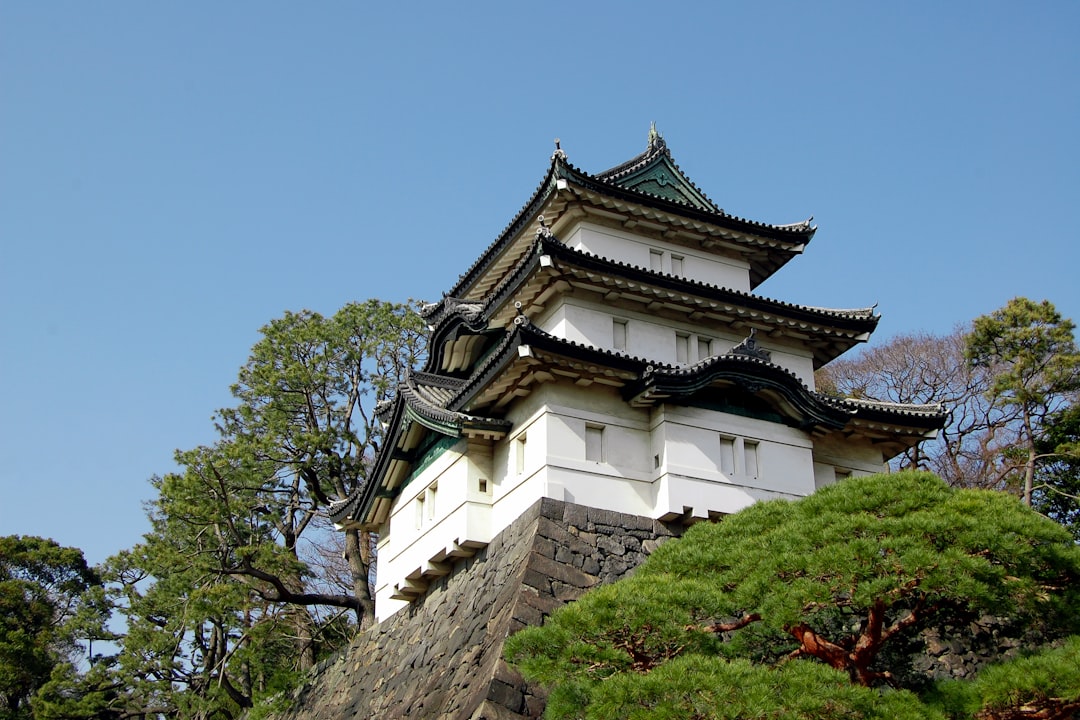
The interior is a five-story museum with original armor, lacquered helmets, and enormous painted scrolls that beg for a macro lens. The wooden staircase creaks underfoot in a way that feels genuinely old, and the narrow windows frame the city and sea below in natural vignettes. From the top floor observation deck, on a clear winter morning, you can see Mount Fuji floating above the haze — I’ve gotten this shot twice and missed it once due to cloud cover, so download a weather app that shows cloud layers, not just rain.
Hiking Above Odawara: The Trails Nobody Talks About
🗾 Book on Viator: Hiking and hot spring near Tokyo →
🗾 Book on Viator: Mountain hike with temple and spa →
🗾 Book on Viator: Guided hiking in Tokyo’s western mountai →
🎫 Book on Klook: Mount Hakone hiking trails near Tokyo →
Most visitors spend an hour at the castle and head straight to the bullet train back. Photographers who linger discover that the hills behind the city are laced with forested paths that climb into a landscape of bamboo, moss-covered stone lanterns, and sudden ocean views.
Shiroyama Park Trail to Ino-no-Yashiro Shrine
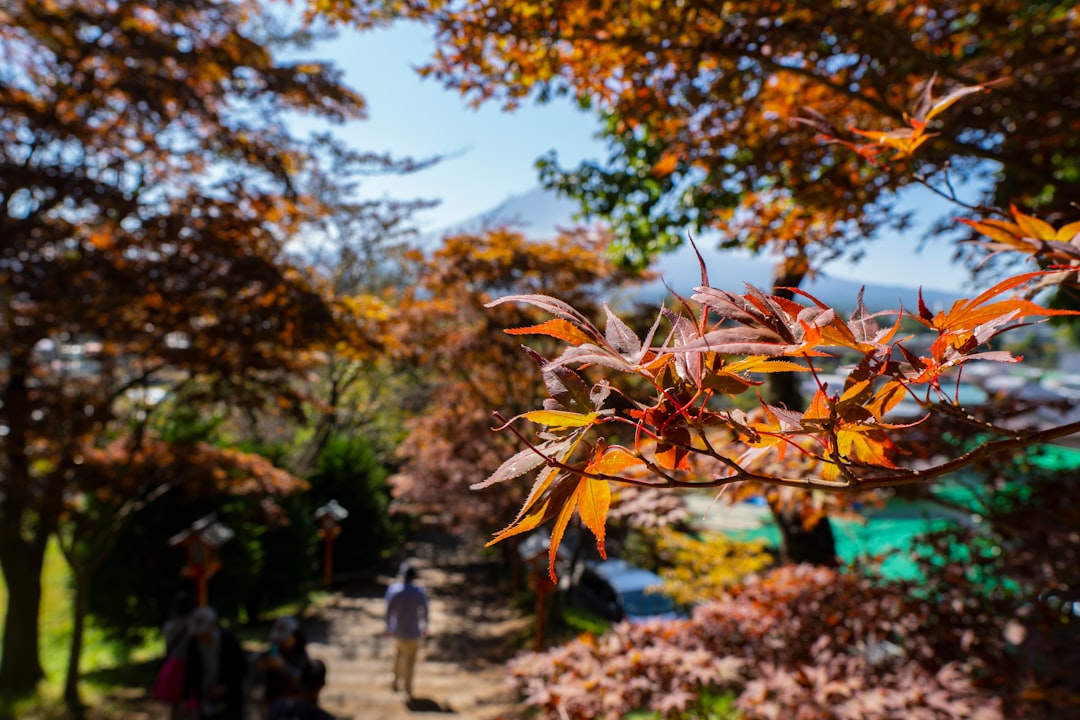
Start at the castle’s north gate and follow the signs uphill toward Shiroyama. The trail is paved at first, then shifts to compacted earth under a canopy of Japanese maple and zelkova trees. In mid-November, the maples turn the trail into a tunnel of crimson and orange — and because almost no foreign tourists make it up here, you can take your time composing shots without anyone walking into your frame. About 40 minutes up, a small fox shrine appears seemingly from nowhere, draped in faded red fabric, with a single stone fox missing one ear. I didn’t find this in any guidebook.
A retired hiking guide named Tanaka-san, who I met resting on a bench at the top, told me with great seriousness: “Most tourists look at the castle. The castle looks back at the mountain. You should do the same.” He pointed to a gap in the trees where, sure enough, the castle’s white donjon was framed perfectly by cedar branches and a slice of Sagami Bay glittering below. I shot that frame in both color and black-and-white. The monochrome version is still my lock screen.
Onsen After Dark: Rewarding Your Legs (and Your Soul)
🎫 Book on Klook: Japanese onsen hot springs near Odawara →
No photography day trip to Odawara is complete without ending it horizontal in a bath of geothermal water. The city itself has a handful of onsen facilities, but the real prize is a 15-minute train ride south on the Hakone Tozan Line to Hakone Yumoto — arguably the most accessible onsen town in Japan and an entirely different visual world once the souvenir shops close and the lanterns come on.
Tenzan Tohji-kyo: The Photographer’s Onsen
For a genuine experience rather than a hotel spa, head to Tenzan Tohji-kyo, a mid-size bathhouse set along a rushing river gorge in the hills above Hakone Yumoto. It opens until 11 PM, making it perfect for a post-sunset visit. The outdoor baths (rotenburo) sit directly above the Hayakawa River, and in autumn the surrounding trees turn gold above the steam. Photography inside the baths is obviously prohibited — but the approach path, the lantern-lit stone steps, and the wooden entrance building are all fair game and genuinely beautiful in low light. Use a fast prime lens (f/1.8 or wider) and set your ISO between 1600-3200; the warm lantern light is extraordinary.
What to Eat Before the Bath
On the main street in Hakone Yumoto, look for a small shop called Chinzanso (check current hours before visiting) that sells kuro tamago — black eggs hard-boiled in sulfuric spring water. They’re gimmicky but delicious, with a creamy yolk and subtle mineral flavor, and the visual contrast of the jet-black shell against the steam rising from a wooden basket is exactly the kind of detail shot that anchors a travel photo story. Also: the yuba (tofu skin) hot pot at many local restaurants in this area is warming, photogenic, and cheap — usually under ¥1,200 for a full set.
Practical Tips for the Photography-Focused Day Trip
Getting there: Odawara is 40 minutes from Tokyo on the Tokaido Shinkansen (around ¥2,000-¥3,000 one way) or about 80 minutes on the cheaper Odakyu Romance Car from Shinjuku (¥880, no reserved seat needed on standard trains). I prefer the Odakyu for the scenic coastal approach on the return leg — the ocean views in the last 20 minutes are stunning.
Best season for photography: Cherry blossom season (late March to early April) for the classic castle-and-flowers shot; mid-November for autumn foliage on the hiking trails; January and February for the highest probability of Fuji-san visibility from the keep.
What to bring: A wide-angle zoom (24-70mm equivalent) for castle architecture and trail scenery, a telephoto or fast prime for detail shots and low-light onsen street photography. Bring a small flexible tripod for the moat reflection shots — the ground is uneven but manageable. Extra SD cards. Comfortable shoes you don’t mind getting muddy.
Entry fees: Odawara Castle keep — ¥510 for adults. Shiroyama hiking trail — free. Tenzan Tohji-kyo onsen — approximately ¥1,300 for adults (cash only, last I visited).
I was waist-deep in the outdoor bath at Tenzan at around 9 PM, the steam curling up into a sky that had gone completely black between the gorge walls, when the sound of the Hayakawa River below suddenly cut through the splash of other bathers and I just stopped thinking entirely. The cold air hit my face while the mineral water held the rest of me warm, and somewhere upstream a single light reflected off the rushing water in a long gold streak. I didn’t have my camera. And for once, I didn’t need it — because some images you keep only in your body.
Final Thoughts: Is Odawara Worth a Day Trip from Tokyo?
Absolutely, especially if you’re carrying a camera and a hunger for something that doesn’t appear in every other Tokyo travel blog. Odawara gives you feudal architecture with genuinely dramatic light, forested trails that are nearly empty on weekdays, and onsen access that feels earned rather than convenient. You can do it in a single day, but if your schedule allows, an overnight in Hakone Yumoto means you can shoot both sunrise mist over the castle and evening lantern glow over the river — two very different images, same unforgettable prefecture. Book your Shinkansen seat the night before and set your alarm early. Your future portfolio will thank you.