There is a specific kind of magic that happens when you lower yourself into a steaming hot bath in Tokyo, your muscles unknotting after a long day of walking temple paths and navigating train lines, surrounded by the quiet sound of water and the easy silence of other women doing exactly the same thing. For solo female travelers, Tokyo’s onsen and sento culture is one of the most surprisingly welcoming experiences the city has to offer — and yet, for many of us, it is also the most anxiety-inducing thing on the itinerary. Bathing communally, without clothes, in a foreign country where you are not sure of the rules? That is enough to make anyone hesitate. But here is the truth: once you understand the etiquette, find the right places, and walk through that noren curtain for the first time, you will wonder why you ever worried at all.
A friend of mine — a solo female traveler visiting Tokyo for the first time — told me she had spent days mentally preparing for the sento experience, rehearsing the etiquette, bracing for awkwardness. Then she walked in, and within two minutes of sitting down at the washing station, all of that anxiety simply dissolved. The normalcy of the place did the work for her.
Understanding the Difference: Onsen vs. Sento
Before you book anything or pack your towel, it helps to understand the distinction between these two types of bathing facilities — because in Tokyo, the difference really matters.
Onsen: Natural Hot Spring Baths
Onsen use water drawn from geothermal hot springs, rich in minerals like sulfur, sodium bicarbonate, and iron. These minerals are believed to have specific health benefits — skin softening, improved circulation, stress relief — and the water itself often has a distinct color or smell depending on its source. In Tokyo, true onsen are rarer than in volcanic regions like Hakone or Beppu, but they absolutely exist, especially in outer neighborhoods.
Sento: Public Bathhouses
Sento are the everyday neighborhood bathhouses that regular Tokyoites have used for generations. They use heated tap water rather than natural spring water, but many modern sento now add herbal baths, carbonated baths, electric baths (yes, that is a real thing, and yes, it is weird and wonderful), and even outdoor rotemburo-style soaking areas. Sento are typically cheaper, more accessible within the city, and often more beginner-friendly for foreign visitors.
For solo female travelers on a budget or those staying in central Tokyo, sento are your best starting point. For a more luxurious or therapeutic experience, seek out the onsen.
Why Tokyo’s Bath Culture Is Actually Great for Solo Women
Let us address the elephant — or rather, the naked elephant — in the room. The gendered bathing system in Japan works strongly in your favor as a solo female traveler. Men and women bathe in completely separate facilities, with no mixing whatsoever. The women’s side (女湯, onnayu) is your own calm sanctuary. There are no men to make you feel uncomfortable. There are no unwanted eyes. What you will find instead is a room full of Japanese women of all ages going about their bathing routines with total normalcy and grace — grandmothers scrubbing their backs, younger women deep-conditioning their hair, friends chatting softly at the sinks.
The environment is inherently respectful. Staring is considered rude, and the cultural emphasis on minding your own business means you will be left entirely in peace. Solo female travelers often report that the onsen or sento becomes their favorite part of Tokyo precisely because of how unhurried and unjudged they felt.
Essential Etiquette Every Solo Female Visitor Must Know
🗾 Book on Viator: Tattoo-Friendly Open-Air Onsen Evening →
Getting the etiquette right is the key to enjoying this experience without anxiety. Here is what you need to know before you go.
Before You Enter
- Tattoos are a concern. Many onsen and sento still prohibit visible tattoos due to historical associations with organized crime. If you have tattoos, look specifically for tattoo-friendly facilities (tattoo OK sento), or consider visiting during less busy hours at more progressive establishments. There are growing lists online specifically curated for tattooed travelers.
- Bring your own towel or rent one. Most sento sell or rent small hand towels. Bring a larger bath towel if you want one for drying off afterward.
- Buy your entrance ticket from the machine near the entrance, then hand it to the attendant at the front desk.
Inside the Changing Room
- Leave your clothes and belongings in the provided basket or locker.
- Do not bring your phone or camera into the bathing area. This is a firm, non-negotiable rule everywhere.
In the Bathing Area
- Wash your body thoroughly at the seated shower station before entering any bath. This is the most important rule in Japanese bathing culture. Use the provided stool and shower head, soap up completely, and rinse off before you soak.
- Keep your small towel out of the bath water. Most women fold it and place it on their head or set it aside.
- Move quietly and calmly. Loud conversation, splashing, or rushing disrupts the peaceful atmosphere.
- Do not drain or monopolize the shared basins. If you are using a shared tub of water, be mindful of others waiting.
The Best Onsen and Sento in Tokyo for Solo Female Travelers
🗾 Book on Viator: Soak in a tattoo-friendly open-air onsen →
🗾 Book on Viator: Tattoo-Friendly Sento Public Bath Experi →
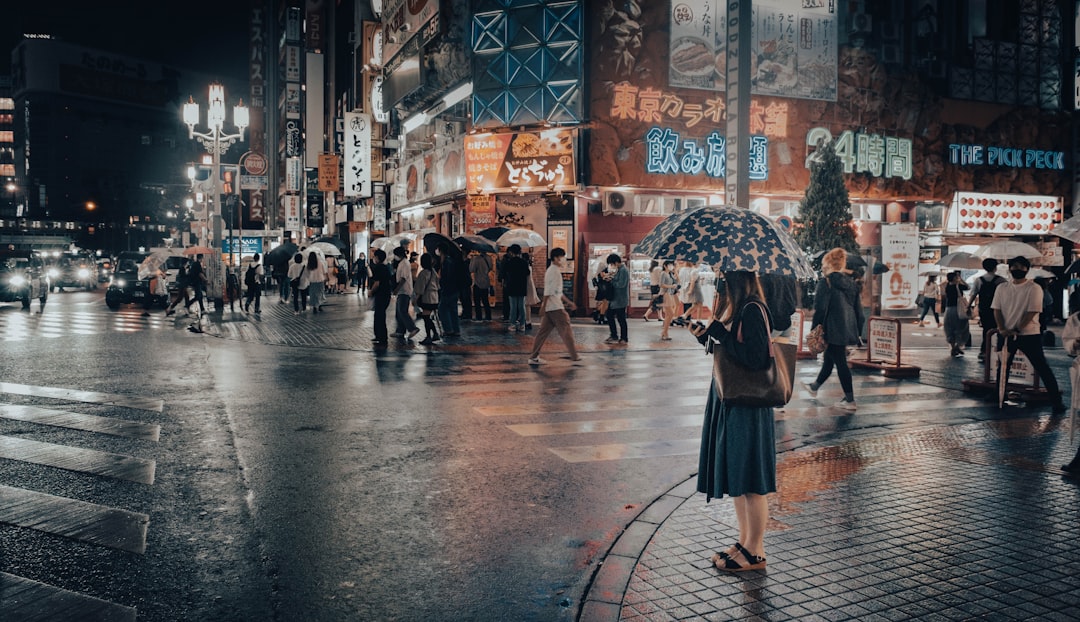
Thermae-Yu (Shinjuku)
Located right in the heart of Shinjuku, Thermae-Yu is one of the most foreigner-friendly onsen facilities in Tokyo. It uses natural sodium bicarbonate hot spring water piped from Niigata Prefecture, has English signage throughout, and offers a variety of bath types including an outdoor bath on the rooftop. Open until 11PM on weekdays and 24 hours on weekends, it is ideal if you want to soak after a long evening out. Solo female travelers especially appreciate that the instructions are easy to follow and the staff are accustomed to helping international visitors.
Komparu-yu (Ginza)
If you want an authentic sento experience in an unexpected location, Komparu-yu in the upscale Ginza neighborhood has been operating since the Edo period. It is small, traditional, and beloved by locals. The juxtaposition of stepping into this ancient bathing ritual in one of Tokyo’s most modern shopping districts is part of its charm. The entrance fee is the standard Tokyo sento price — under 600 yen — making it an incredible value.
Shimizuyu (Minami-Aoyama)
This beautifully renovated sento in the trendy Aoyama neighborhood has become a favorite among younger Tokyoites and design-conscious travelers. The interior blends traditional and contemporary aesthetics, and the bathhouse offers high-quality skincare amenities. It is a particularly comfortable spot for first-timers because the clientele skews younger and more internationally minded.
If the big-name facilities feel overwhelming, seek out a smaller neighborhood sento with no English signage and no website — the ones with the most homey, lived-in atmosphere are often the most comforting places to have your first soak.
Jakotsu-yu (Asakusa)
For solo female travelers who want a genuine neighborhood sento experience in a historic part of Tokyo, Jakotsu-yu in Asakusa is exceptional. It uses dark, iron-rich natural hot spring water that locals swear by for skin benefits. The atmosphere is deeply traditional, and going here after a day exploring Senso-ji Temple feels perfectly in tune with the spirit of old Tokyo.
What to Bring: Your Solo Female Traveler Packing List
- Small hand towel (or pay to rent one)
- Larger bath towel for drying (optional but recommended)
- Travel-size shampoo and conditioner (some facilities provide these)
- Skincare for after your soak — post-bath is the perfect time for serums and moisturizer
- Yen in cash — most sento do not accept cards
- Hair tie or clip
- Flip flops for the changing room (optional but comfortable)
Best Time to Visit a Tokyo Sento or Onsen
Weekday mornings and early afternoons tend to be quieter and dominated by elderly regulars — a lovely, peaceful crowd. Evenings after 7PM get busier as locals stop in after work. Weekends can be crowded, especially at popular spots like Thermae-Yu. If you are going solo and want a calm, contemplative experience, aim for a Tuesday or Wednesday afternoon.
Seasonally, winter is the most magical time for Tokyo bathing culture. Warming up in a steaming rotemburo while cold air hits your face is one of those rare travel experiences that stays with you for years. That said, a hot soak after a humid summer day of sightseeing has its own undeniable appeal — air conditioning cannot compete. And if you are planning a longer trip to relax and rejuvenate, consider exploring ryokan and onsen stays near Tokyo for a more immersive experience.
A Note on Going It Alone
Something worth saying directly to you, the solo female traveler considering this for the first time: you do not need a travel companion to enjoy the onsen. In fact, going alone is arguably the better way. You soak at your own pace. You sit as long as you want at the cold bath. You do not have to make conversation or wait for anyone. The solo experience in the women’s bath in Tokyo is one of the most quietly empowering things you can do on a trip — a moment of radical self-care in a culture that has perfected the art of it over centuries.
A woman I know described the feeling perfectly: it wasn’t the bath itself that converted her, it was the ten minutes afterward — sitting in the changing room, skin still warm, hair damp, with absolutely nowhere to be. She said it was the first time on her entire trip that she felt genuinely, physically still. That post-soak stillness is something no sightseeing itinerary can give you, and it is reason enough to go.
Final Thoughts
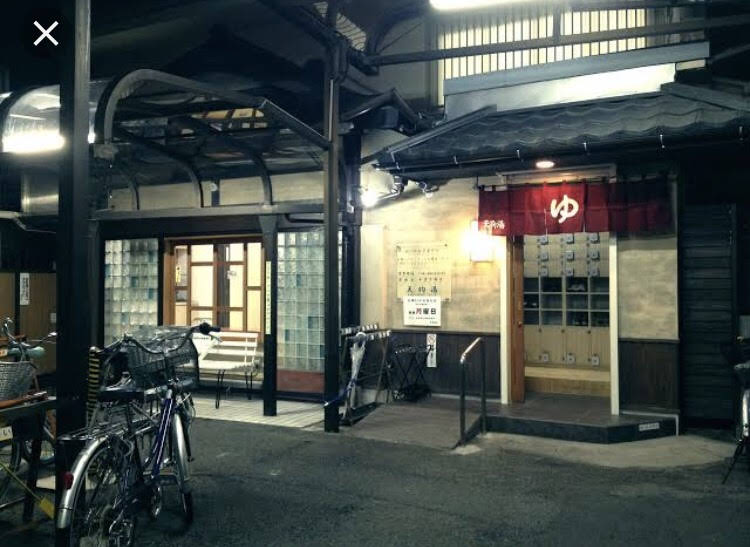
Tokyo’s onsen and sento culture is not just a wellness activity to tick off a list — it is a window into daily Japanese life that most tourists never see. As a solo female traveler, you have a genuinely safe, separated, and welcoming space waiting for you on the other side of that noren curtain. Learn the etiquette, choose your spot, leave your phone in the locker, and let the hot water do the rest. Tokyo will feel entirely different after your first soak — quieter, closer, more yours. That is the real gift of the sento, and it costs less than your morning coffee back home.