Every March, my camera bag is already packed before the Japan Meteorological Corporation even releases the official sakura forecast. Tokyo during cherry blossom season is my favourite time on earth — but after my third visit, I stopped going where everyone else goes. Ueno Park on a Saturday afternoon in late March is technically beautiful, but you’re shooting between selfie sticks, blue tarps, and the backs of a thousand heads. The real magic — the kind that makes your shutter hand tremble — is hiding in quieter corners of this city, spread out on a picnic blanket with a cold can of Yebisu beer, petals landing on your lens cap.
I still remember the morning I first stumbled onto Shinjuku Gyoen’s southern lawn just after the gates opened at 9 a.m. The light came in low and amber through the weeping cherry trees, and the only sound was the crunch of gravel under my boots and a pair of crows arguing somewhere overhead. There was a faint sweetness in the air — not perfume, but the actual smell of blossoms, thin and cool, mixed with the damp grass. I stood there for a full minute before raising my camera, just breathing it in.
Why Photographers Need a Different Hanami Strategy
🎫 Book on Klook: Guided hidden gardens Tokyo spring →
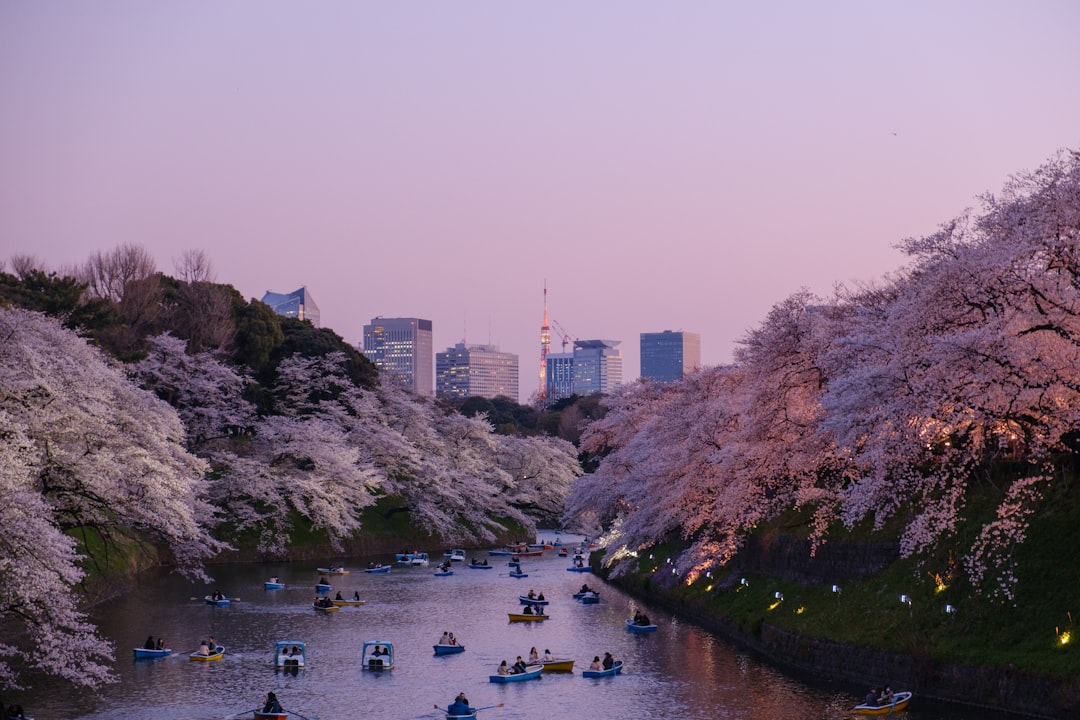
If you’re carrying anything more serious than a phone camera — a mirrorless, a DSLR, a film camera — you already know that crowds kill compositions. Cherry blossom photography requires patience, clean backgrounds, and the ability to wait for the light. That means arriving before 8 a.m., scouting the day before, and choosing spots where you can set a tripod without someone walking through your frame every thirty seconds.
The good news: Tokyo is enormous, and most tourists cluster at five or six famous spots. The rest of the city is yours.
The Best Hidden Cherry Blossom Picnic Spots for Photographers
🗾 Book on Viator: Private picnic with local guide →
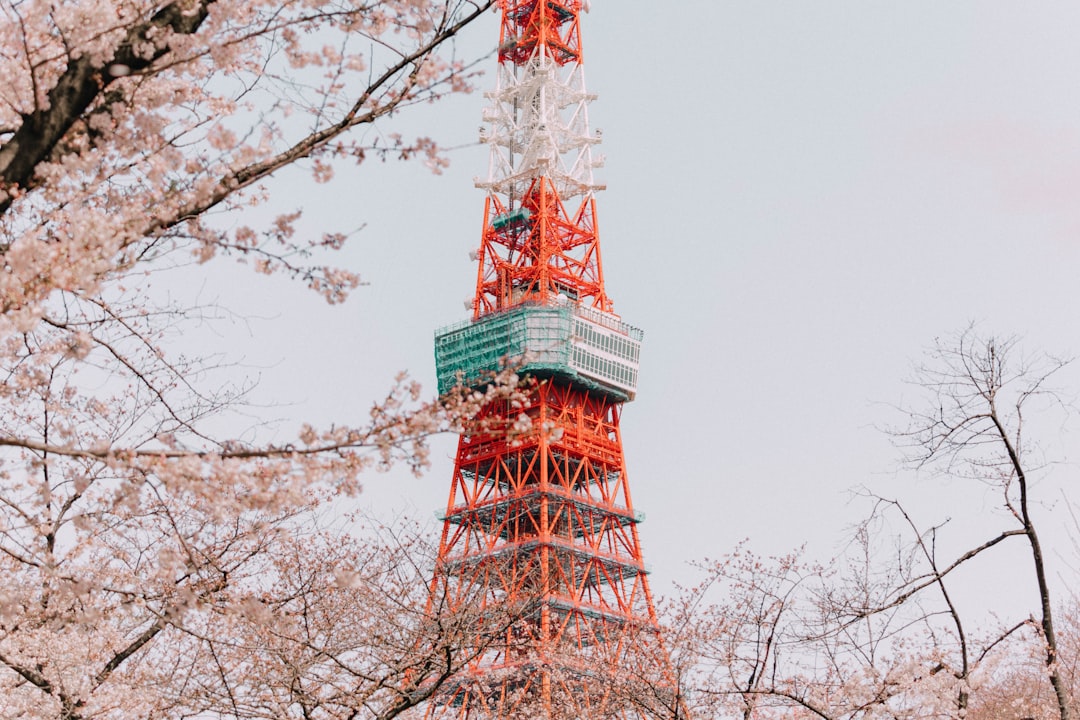
Shinjuku Gyoen — The Southern Lawn at Dawn
Everyone knows Shinjuku Gyoen. But most visitors arrive mid-morning when it’s already packed. The secret is to be at the Shinjuku gate the moment it opens at 9 a.m. (or use the Okido gate on weekdays, which sometimes sees even less traffic). Head immediately to the southern French garden lawn, where the weeping cherry trees — shidarezakura — create natural curtains of pale pink that hang over the grass like a stage set.
For photography, this spot is extraordinary in the first 90 minutes. The light skims horizontally across the lawn, catching individual petals in midair. Bring a wide-angle lens for the canopy shots and a 50mm or 85mm for isolating single blossoms against the blue sky. Pack your picnic in a compact bag — the entrance fee is ¥500, and outside food and alcohol are technically restricted, though most visitors bring onigiri and tea without issue. Keep it tasteful and you’ll be fine.
Kyu Shiba Rikyu Garden — The Waterfront You’ve Never Heard Of
This Edo-period garden sits a five-minute walk from Hamamatsucho Station, sandwiched between the monorail and Tokyo Bay. Somehow, it remains almost completely off the tourist radar during cherry blossom season. I discovered it by accident on a Tuesday afternoon when I was killing time before a flight check-in, and I genuinely gasped when I walked through the gate.
The central pond reflects the cherry trees in near-perfect symmetry, especially in the early morning before any wind picks up. The garden is compact — you’ll explore it fully in 45 minutes — but every angle offers a composed, uncluttered shot. A local gardener I spoke to told me the yaezakura (double-petaled cherry) trees near the northern wall typically bloom about a week after the main Somei Yoshino variety, meaning you can extend your blossom window significantly by timing a visit here later in the season. Entry is just ¥150 — possibly the best ¥150 you’ll spend in Tokyo.
Set up your picnic on the stone benches near the eastern wall. Bring a thermos of green tea and a box of cherry blossom wagashi from the Family Mart on the way — the seasonal sakura mochi in the refrigerated section is legitimately delicious, not just a novelty.
Yanaka Cemetery — Sakura Avenue with Atmosphere
This one surprises people, but hear me out: Yanaka Cemetery is one of the most atmospheric cherry blossom locations in all of Tokyo. The main avenue is lined with old Somei Yoshino trees whose branches interlock overhead, forming a full tunnel of blossoms. In late March at dusk, the light turns everything pale gold and the petals fall in slow spirals between the grave markers. For more on this unique neighbourhood, check out our photography guide to Yanaka Cemetery’s hidden temples and walking routes.
As a photographer, this is where you come for mood. The juxtaposition of celebration and quietude, of life and memory, gives your images a depth you simply cannot replicate in a park full of picnic tarps. This is not a place for a loud, sake-soaked hanami — and honestly, that’s exactly why it’s special. Spread a small blanket near the avenue’s southern end, eat your convenience store onigiri quietly, and wait for the evening light. Bring a fast prime lens — f/1.8 or wider — because the dappled shade makes a tripod essential or a wide aperture necessary.
Zenpukuji River Walk — The Local Neighbourhood Secret
Take the Marunouchi Line to Higashi-Koenji and walk five minutes west to the Zenpukuji River greenway. This narrow park runs along a small river for about two kilometres through an entirely residential neighbourhood in Suginami ward. You will see almost no tourists here — just local families, elderly couples doing their morning walk, and a few serious joggers. If you’re staying in the area, Koenji’s antique shops and thrift stores offer a perfect complement to your morning walk along the river.
The cherry trees arch over both banks, creating a long, continuous tunnel effect that is a dream for photographers who want depth and leading lines. Early morning mist occasionally settles over the water in late March, which makes the scene look like a woodblock print. The path is narrow enough that you can shoot across the river and capture reflections with almost no one in frame. Lay your picnic blanket on the small grassy banks, grab yakitori skewers from a nearby shop on Koenji’s shotengai shopping street, and enjoy one of the most genuinely local hanami experiences in the city.
Practical Tips for the Photographer-Picnicker
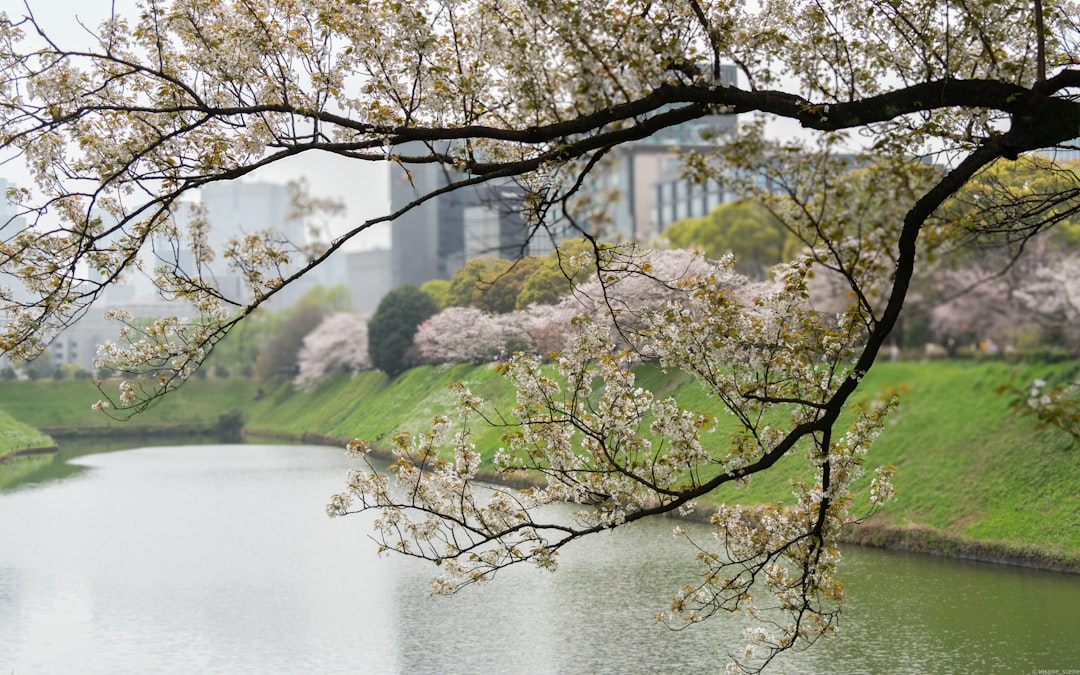
Timing Your Visit
Tokyo’s cherry blossom peak (mankai) typically falls between late March and early April, but it shifts by one to two weeks depending on the winter. Follow the Weathernews sakura forecast (available in English) and plan to arrive three to four days before predicted peak — that’s when the blossoms are about 70–80% open, the light passes through the petals more beautifully, and the crowds are thinner.
Golden hour — roughly 5:30 to 7 a.m. and 5 to 6:30 p.m. in late March — is your best friend. Most tourists are eating breakfast or dinner at these times. You are not most tourists.
What to Pack for the Perfect Blossom Picnic
Keep your picnic practical and photogenic. A navy or rust-coloured picnic blanket photographs better than a bright tarp and won’t distract from your background. Pack from convenience stores strategically: 7-Eleven’s seasonal sakura sandwiches, Lawson’s sakura an cream puff, cold mugicha barley tea, and a small bottle of Hakkaisan sake if the location permits alcohol. Set your food up intentionally — a styled flat-lay of your picnic with blossoms overhead is genuinely one of the most shareable images you can create in Tokyo.
Camera Gear Recommendations
Travel light but smart. A 24–70mm zoom covers most situations. Add a circular polariser to saturate the sky and reduce glare on water reflections. A small, lightweight travel tripod is non-negotiable for dawn shoots. And always — always — bring a lens cloth. Petals land on glass constantly, and that’s either magic or a ruined shot depending on whether you’re ready for it.
One Moment I’ll Never Stop Thinking About
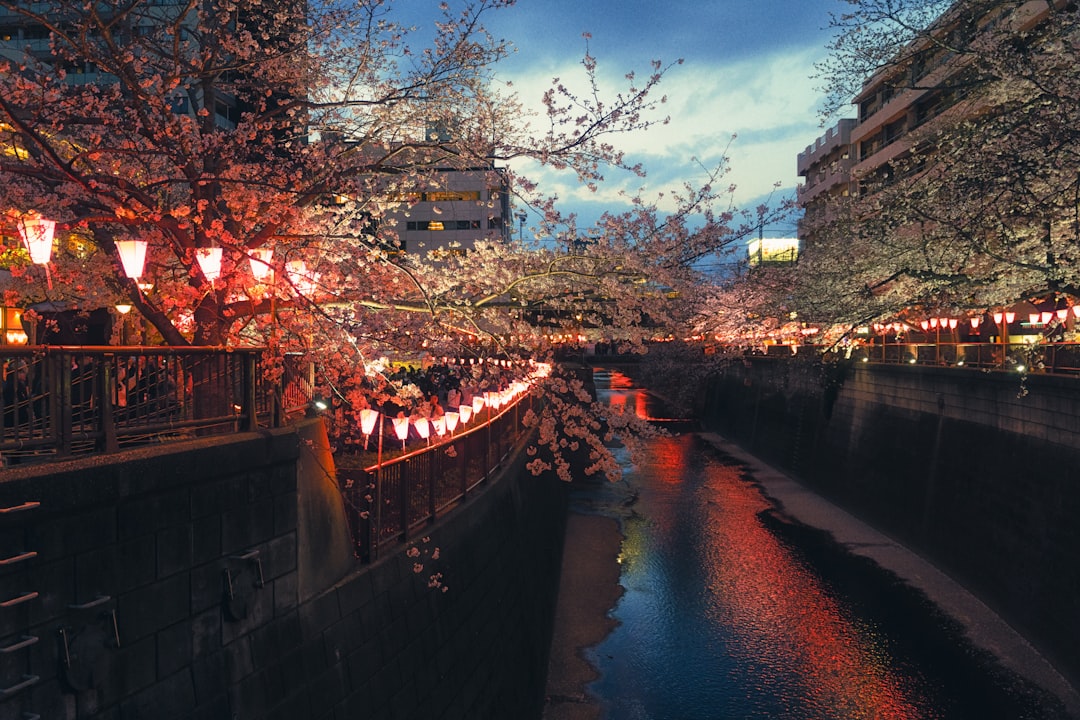
Last year, on the final morning of my trip, I went back to the Zenpukuji River walk at 6 a.m. with a cup of canned café au lait from the vending machine outside my guesthouse. The river surface was completely still, and the pink canopy above was reflected so precisely that I genuinely couldn’t tell which was the real tree and which was the mirror image. A woman in her seventies walked past me pushing a bicycle, glanced at my camera, and said in careful English: “Today is the best day. After tomorrow, they fall.” She was right. I shot for two hours and caught the last of the peak bloom before the wind came up that afternoon and began pulling the petals loose.
The Philosophy of the Uncrowded Hanami
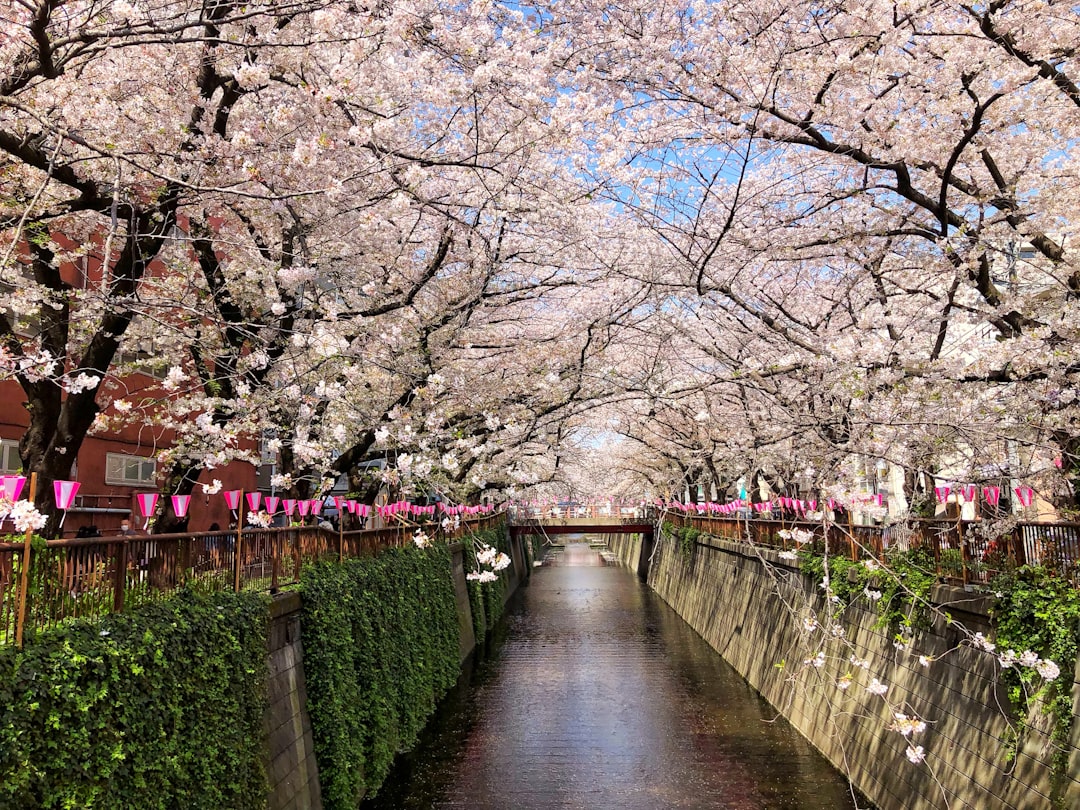
Cherry blossoms in Tokyo are not just beautiful — they carry the full weight of mono no aware, the Japanese awareness of impermanence and the bittersweet beauty of things that don’t last. You feel that most powerfully not in a crowd of ten thousand people, but alone on a quiet riverbank with your camera, a warm drink, and the sound of petals hitting the water.
These hidden spots won’t stay secret forever. But right now, they’re still yours — if you’re willing to wake up early, walk a little further, and resist the pull of the obvious. That’s the real craft of travel photography: finding the frame no one else bothered to look for.