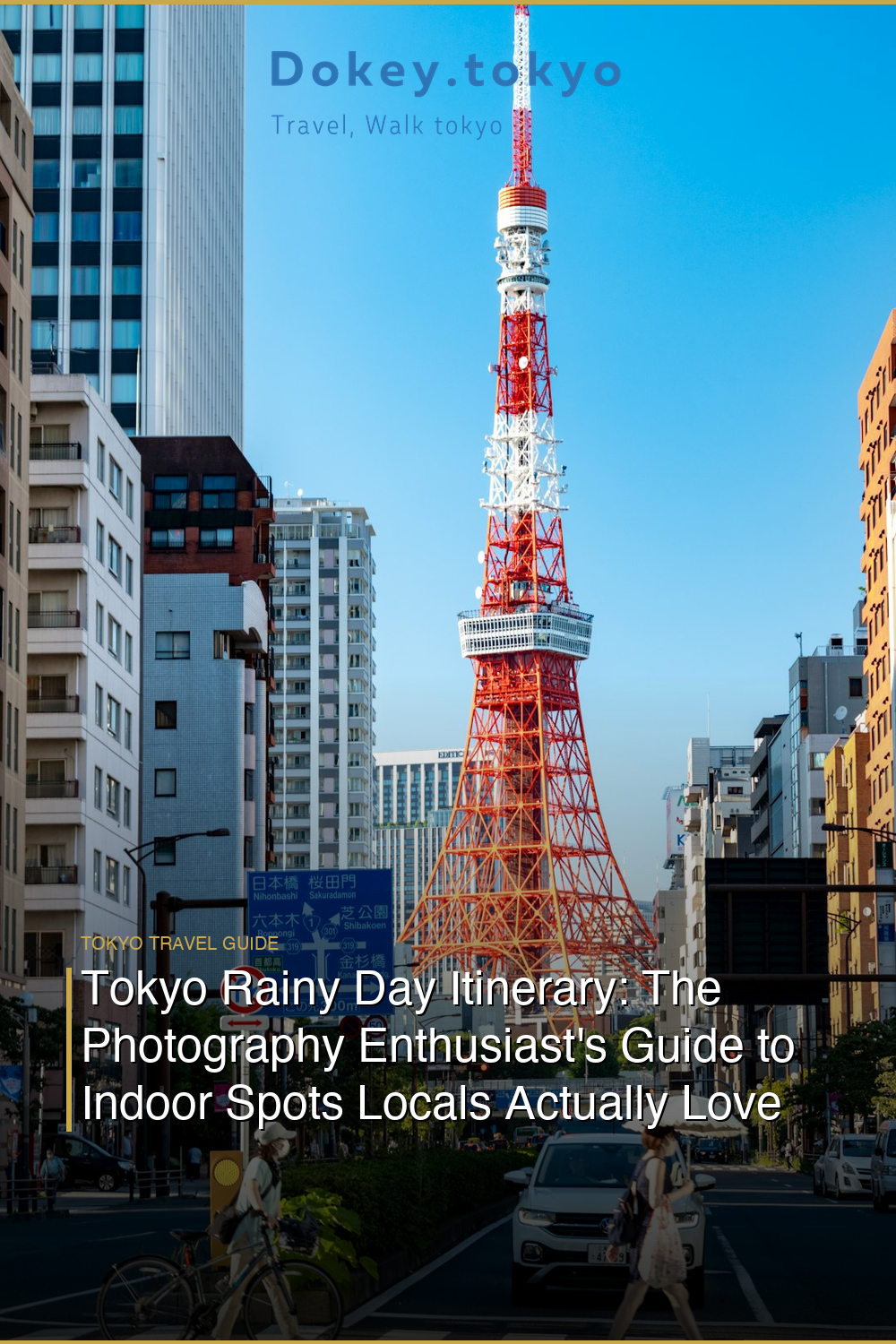
Rain in Tokyo doesn’t cancel your plans — it transforms them. The city shifts into something softer, moodier, and honestly more photogenic when the skies open up. Steam rises from ramen shop ventilation shafts. Neon signs bleed color across wet pavement. Umbrellas bloom like flowers on every covered shopping street. If you’re carrying a camera — whether that’s a mirrorless, a film point-and-shoot, or just a phone with a decent lens — a rainy day in Tokyo is not a consolation prize. It’s the main event.
I still remember arriving at Shinjuku Station on a Tuesday morning in late October, rain hammering the roof of the east exit so hard I could barely hear the station announcement. The smell hit me first — that particular mix of wet concrete, convenience store coffee drifting from a nearby Lawson, and the faint sweetness of taiyaki from a cart that hadn’t packed up yet. My lens fogged the moment I stepped outside, and I remember laughing out loud at the absurdity of it, wiping it off with the hem of my shirt while a salaryman in a perfect suit strode past me without breaking stride, umbrella already open, completely unbothered.
Why Rainy Days Are a Photographer’s Secret Weapon in Tokyo
🎫 Book on Klook: teamLab Planets (Toyosu) →
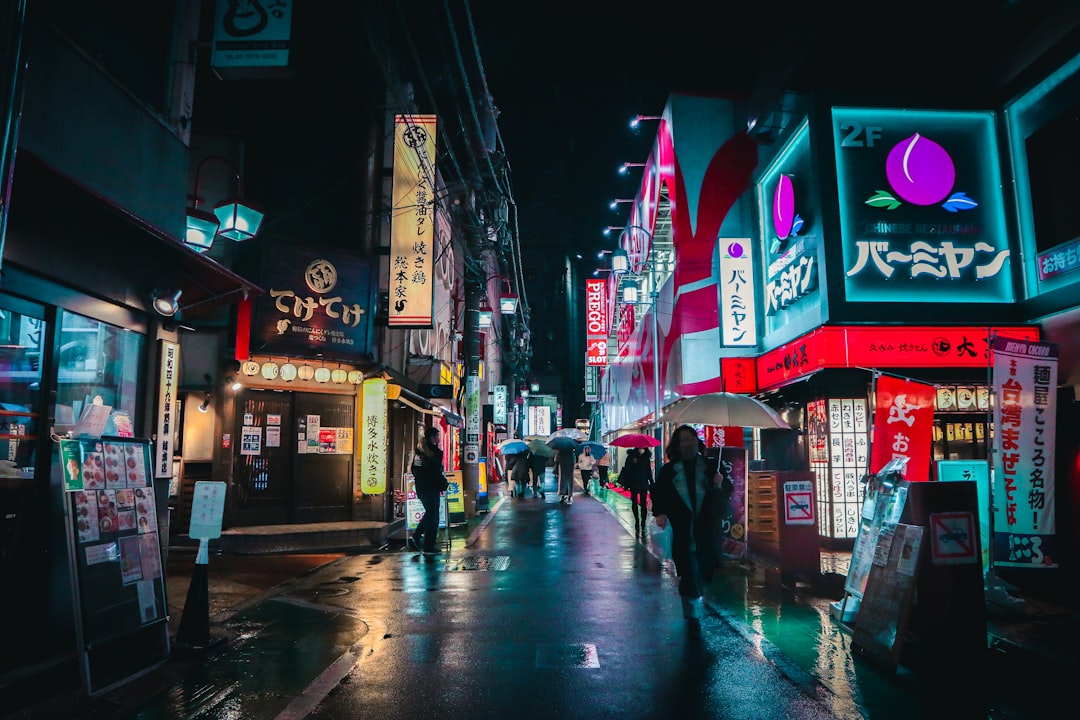
Most travelers groan when they see rain in the forecast. Photographers should be quietly celebrating. Overcast skies act as a massive natural softbox, eliminating harsh shadows and making skin tones and interior lighting glow with an evenness that golden hour can’t always deliver. The covered shopping arcades — called shotengai — become these incredible tunnels of warm light and human texture. And the indoor spots that locals rely on daily? They’re suddenly full of life, full of story, and almost entirely free of tour groups.
Here’s a full rainy day itinerary built specifically for photographers who want to shoot like a local, not like a tourist.
Morning: Koenji’s Shotengai and the Retro Record Shops
🗾 Book on Viator: Art Museum Admission with Special Exhibi →
Start at Koenji Station by 9:30am
Koenji is one of Tokyo’s most underrated neighborhoods, and its covered shopping arcade — the Pal Shopping Street — is legitimately one of the best indoor photography environments in the city. Unlike the sanitized gloss of Harajuku or the neon overload of Akihabara, Koenji’s arcade still has the slightly faded, analog charm of a 1970s Tokyo that mostly doesn’t exist anymore. Vintage clothing stores hang racks of old band tees into the walkway. A woman arranges handmade ceramics in a window barely bigger than a doorway. A gray tabby cat sleeps in a dry goods store like it owns the place.
For photographers, the light here on a rainy morning is extraordinary — the covered ceiling keeps everything dry, but the open ends of the arcade let in that diffused gray-sky glow that makes colors pop without glare.
After walking the arcade, duck into one of the second-hand vinyl shops on the side streets — Jinya or Disk Union Koenji are both beloved by locals. If you’re interested in exploring Koenji’s thrifted treasures more deeply, check out our guide to antique hunting on a budget in Koenji. The interiors are crammed floor-to-ceiling with record sleeves, and the owners are usually happy to let you photograph if you ask politely (「写真を撮ってもいいですか?」— shashin wo totte mo ii desu ka? — goes a long way).
Breakfast: Koenji’s Kissaten Culture
Skip the chains. Koenji has some of the best old-school kissaten (Japanese coffee houses) in Tokyo, and they are absolute gold mines for atmospheric interior shots. Look for Café Granny or similar neighborhood spots tucked into narrow side streets — the ones with handwritten menus in the window and brown Formica counters. Order a morning set (typically a coffee with thick-cut toast, a boiled egg, and sometimes a small salad for around ¥600–¥800) and take your time. The light filtering through rain-streaked windows onto wooden furniture is the kind of shot that stops people mid-scroll.
Midday: Shimokitazawa’s Indoor Theater and Market Scene
The Bonus Track Building
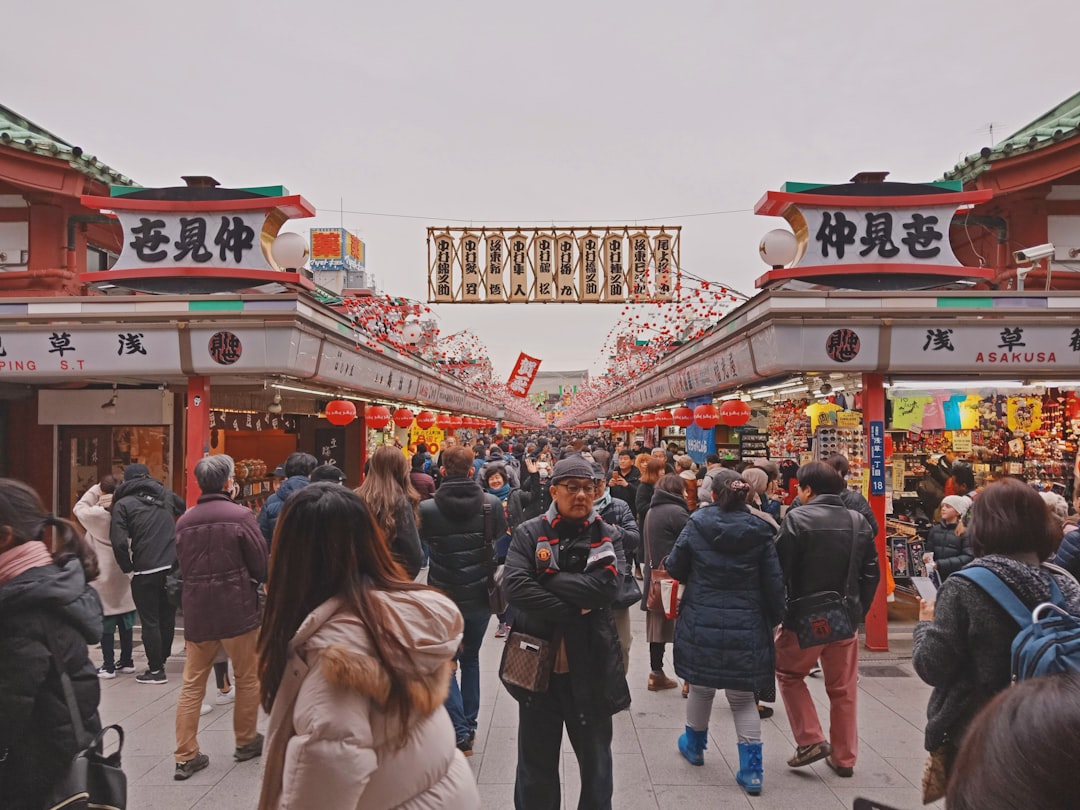
Hop on the Keio Inokashira Line two stops to Shimokitazawa and head straight for the Bonus Track complex — a relatively new but already deeply local outdoor-covered shopping and community space. Because it’s semi-covered with a long roof running down the center lane, it stays shootable even in heavy rain. You’ll find a natural wine bar, an indie bookshop, a plant store, and a small live music venue all within about 50 meters of each other. On rainy weekday afternoons, you often find local musicians doing informal rehearsals, people reading in corners, and the kind of unstaged, genuine human moment that travel photographers dream about.
I stumbled onto a guy here on my third Tokyo trip selling hand-bound zines out of a cardboard box, completely unannounced, just because he felt like it that day. He told me, in careful English, that he only came out on rainy days because “the serious people stay home, so the interesting people come out.” I’ve thought about that line on every rainy travel day since.
Lunch at Shimokitazawa’s Covered Market
For lunch, find Suzunari Yokocho or one of the tiny covered market laneways near the south exit. These narrow corridors of small restaurants — curry, yakitori, craft beer, homemade tofu — are always busy with locals at lunch, and the compressed space, warm lighting, and steam from open kitchen windows create some of the most layered, textured interior shots you’ll take all trip. Order the karaage set at whichever counter has the longest local queue. That’s always the right answer.
Afternoon: Nakameguro’s Underground and the Daikanyama Tsutaya Books
Daikanyama T-Site (Tsutaya Books)
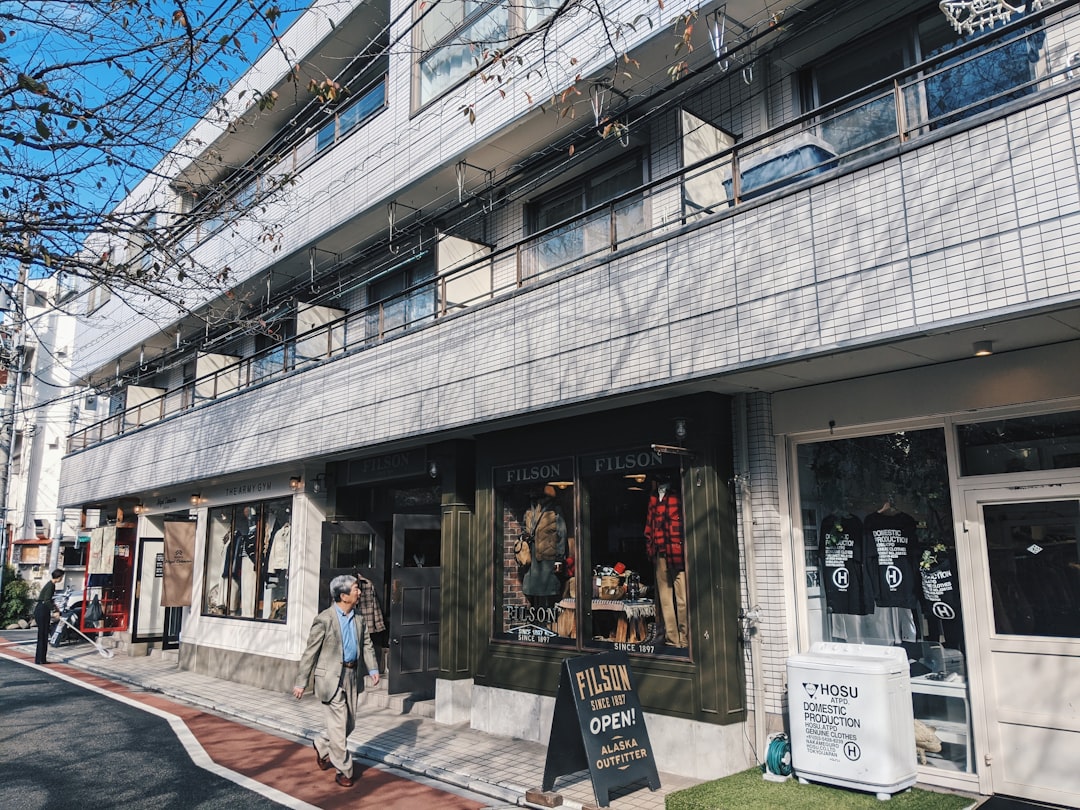
This is the one indoor spot in Tokyo that photographers reference constantly, and for good reason. The Daikanyama T-Site — a curated complex of bookshops, a vinyl bar, a café, and art/design shops — feels less like a retail space and more like a film set designed by someone who actually understood aesthetics. The architecture plays beautifully with soft interior light. Locals come here to genuinely browse (the magazine and photography book sections are world-class), and the mix of warm wood tones, clean white space, and the occasional reader lost entirely in a book gives you endlessly compelling frames.
Arrive around 3pm when the rain usually softens the light outside and the afternoon coffee crowd fills the Anjin lounge area inside. Order a flat white, find a velvet seat, and just observe for 20 minutes before you lift the camera. The best shots here come from patience, not speed.
The Nakameguro Underground Walk
Even in heavy rain, the covered sections of the Meguro River walk near Nakameguro Station offer some of the most atmospheric photography in the city. The low bridges, the canal reflections, the coffee shops and galleries that line the water — all of it is either covered or close enough to a covered walkway to stay mostly dry. This is peak moody Tokyo. This is the frame you’ve seen on photography blogs and never quite believed was real. It is real. Go.
Evening: Memory Lane and Omoide Yokocho in Shinjuku
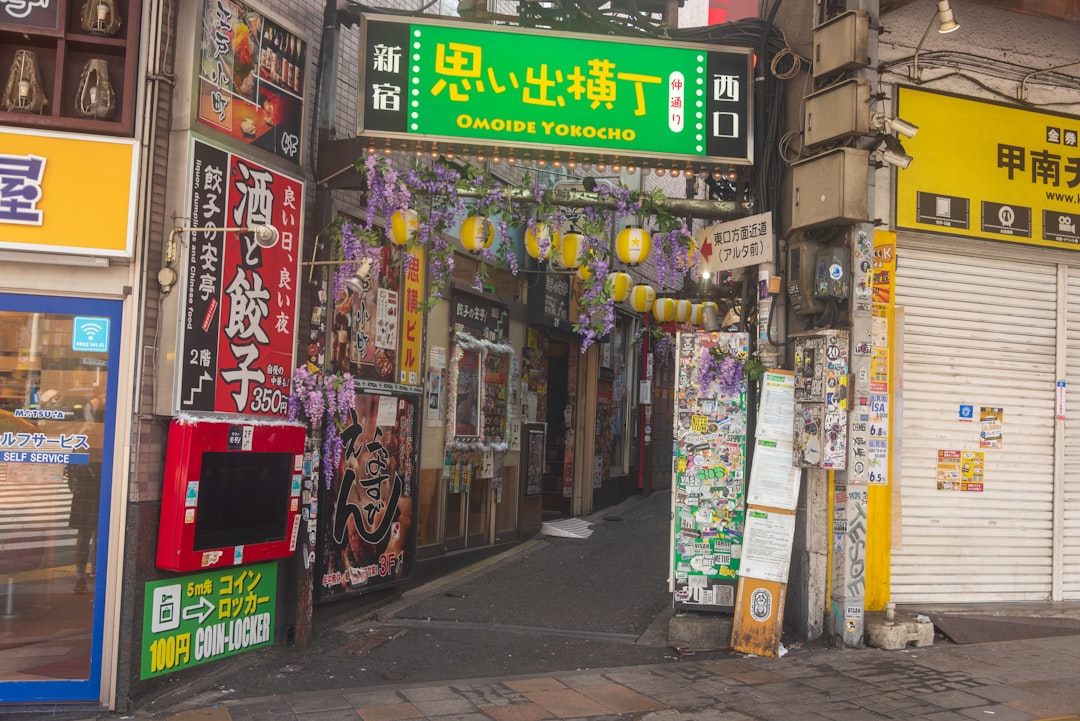
Arrive at Golden Gai After 6pm
For your final stop, take the train to Shinjuku and head to Golden Gai — a grid of six narrow alleyways containing nearly 200 tiny bars, most of which seat fewer than eight people. This is where local writers, filmmakers, musicians, and night-shift workers come to decompress, and in the rain, with the lanterns lit and the alleyways shining wet and amber, it is one of the most purely beautiful small-scale urban environments on the planet.
Many bars here welcome cameras if you’re a paying customer and ask first. If you’re visiting solo and want to feel confident navigating this iconic neighborhood, read our guide to bar hopping in Golden Gai. Order whatever the person next to you is drinking — I once ended up with a glass of homemade umeshu (plum wine) that a bar owner had made himself three years prior and had been aging under the counter. He poured it without fanfare, just slid it across and said “special tonight” with a small nod. It tasted like stone fruit and wood smoke and something I still can’t name, and I sat there in that tiny bar the size of a large closet while rain hammered the plastic awning overhead and felt like I’d found the actual center of Tokyo.
Practical Tips for Photography Enthusiasts on Rainy Days
- Protect your gear: A simple rain sleeve for your camera body costs ¥800–¥1,500 at Yodobashi Camera in Akihabara. Worth every yen.
- Shoot RAW: The low-contrast, flat light of rainy days gives you incredible latitude in post-processing. Don’t waste it on JPEGs.
- Carry a small tripod or gorilla pod: Many indoor venues have dim, beautiful light that rewards slow shutter speeds.
- Ask before you shoot: Especially in small bars and family-run shops. A polite ask in Japanese almost always gets a yes — and sometimes gets you a story.
- Best rainy months: October–November and March–April. Cooler temperatures mean less lens fog and more comfortable walking.
The Rainy Day Mindset Shift
Tokyo rewards the curious over the comfortable. On sunny days, everyone chases the same gardens, the same shrine gates, the same rooftop views. On rainy days, the city opens a different door — one that leads to covered arcades smelling of old wood and coffee, to tiny bars where bartenders become storytellers, to bookshops where you can sit for two hours and no one will rush you. Bring your camera, embrace the gray, and follow the locals indoors. That’s where the real Tokyo has been hiding all along.