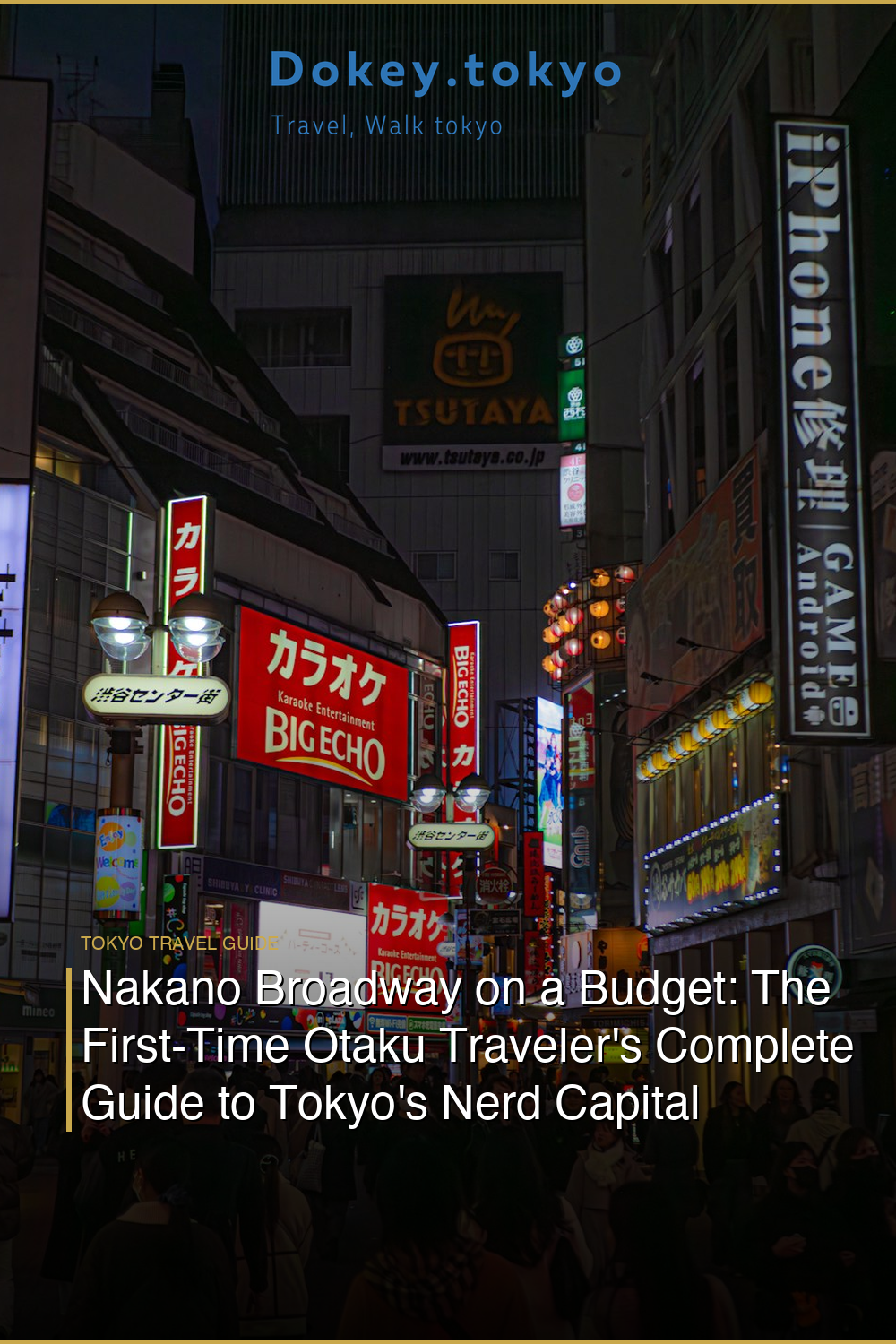
If Akihabara is the loud, neon-blasted Times Square of Tokyo’s anime world, then Nakano Broadway is the obsessive collector’s secret basement — dimly lit, impossibly dense, and absolutely electric if you know what you’re looking at. This is not a tourist attraction dressed up to look nerdy. This is the real thing: a four-story indoor shopping complex in western Tokyo where serious collectors hunt for vintage Gundam models, first-edition manga volumes, rare idol merchandise, and figures still sealed in boxes from 1987. For a first-time otaku traveler watching their yen carefully, Nakano Broadway is genuinely one of the best value experiences in all of Tokyo — if you go in with a plan.
I remember stepping off the Chuo Line at Nakano Station on a rainy Tuesday morning, following the covered shotengai arcade that leads straight to the Broadway entrance. The smell hit me first — a mix of old paper, plastic packaging, and something faintly sweet from a taiyaki stand near the entrance. A man in his sixties was methodically flipping through a box of Dragon Ball trading cards without looking up. Nobody was performing for tourists. Everyone was just deeply, sincerely here for the stuff.
What Is Nakano Broadway (And Why It’s Not Akihabara)
🗾 Book: Akihabara Anime Manga and Maid Cafe →
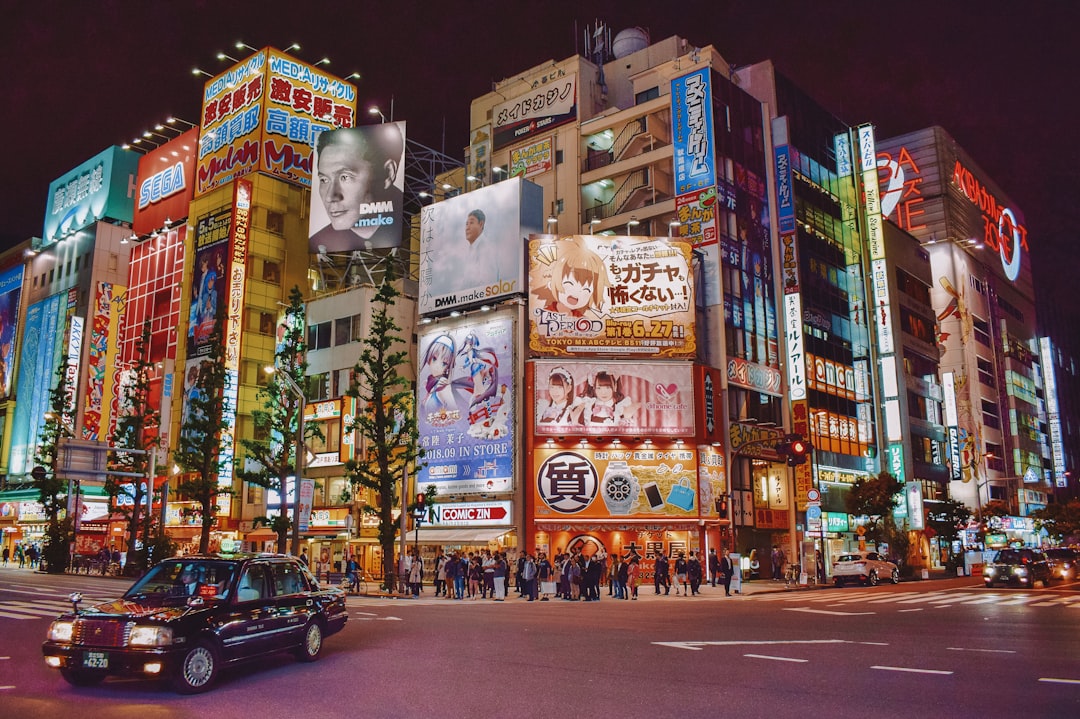
Built in 1966 as a luxury residential and retail complex, Nakano Broadway gradually transformed into the beating heart of Japan’s otaku subculture through the 1980s and 90s, largely thanks to the Mandarake chain — a used anime and manga megastore that now occupies multiple floors and dozens of individual themed shops inside the building. While Akihabara caters heavily to new merchandise and international tourists, Nakano Broadway skews toward secondhand treasures, vintage collectibles, and the kind of deep-cut franchise merchandise that serious fans actually want. Prices are often significantly lower than Akihabara, which matters enormously when you’re on a first-trip budget.
Getting There Without Getting Lost
🗾 Book: Anime and Manga Culture Private Tour →
🗾 Book: Akihabara Anime Walking Tour Hidden Gems →
Nakano Broadway is incredibly easy to reach. Take the JR Chuo Line (rapid or local) to Nakano Station — it’s about 8 minutes from Shinjuku and well within reach on an IC card or day pass. Exit via the North Exit and walk straight ahead through the covered Sun Mall shotengai shopping arcade for about five minutes. You cannot miss the Broadway entrance — it’s a slightly retro-looking building facade at the end of the arcade. Total cost from Shinjuku: around ¥165 one way. Budget tip: if you already have a 24-hour or 48-hour metro pass, check if the Chuo Line is included in your pass type before buying a separate ticket.
Floor-by-Floor: How to Actually Shop Mandarake
🎫 Book: Anime & Manga Shopping Tours Tokyo →
Mandarake is the anchor tenant and your primary destination. Here’s the thing nobody tells first-timers: Mandarake inside Broadway is not one store. It’s a constellation of specialized shops spread across floors 2, 3, and 4, each focused on a different category. Walking in expecting one big shop will leave you completely disoriented.
Floor 2: Manga, Doujinshi, and Trading Cards
Start on the second floor for manga — both vintage tankobon volumes and doujinshi (self-published fan comics). Prices for individual volumes often start at ¥100–¥300, making this the best floor for budget shoppers who want to walk away with armfuls of stuff. If you collect trading cards — Pokemon, Yu-Gi-Oh!, Carddass — the glass cases here will stop you cold. Singles are priced individually and labeled in Japanese, but most staff can assist with basic English or a translation app.
Floor 3: Figures, Cosplay, and Costumes
Floor 3 is where the visual drama lives. Sealed vintage figures in original packaging line the walls behind glass. Cosplay costumes hang in plastic covers next to wigs in every color imaginable. This floor tends to run slightly more expensive because condition and rarity drive the pricing, but for a first-time visitor, even just walking through is worth your time purely for the sensory overload.
Floor 4: Rare Collectibles, Vintage Toys, and the Deep Cuts
This is where collectors with specific grails come to either weep or triumph. Vintage Evangelion merchandise. Original Sailor Moon music boxes. Macross model kits still in shrink wrap. Budget travelers should treat floor 4 as a museum unless something specific calls to them — the prices reflect genuine rarity. That said, there are bargain bins even up here, and I once found a bag of loose vintage Kamen Rider keychains for ¥500 total that made an absurdly good gift.
On my third visit, I noticed a small hand-written sign near the back of the floor 3 Mandarake shop that said, in English, “ask staff for the reserve shelf” — and when I did, a staff member quietly led me to a back area with figures that hadn’t been priced and put on the floor yet. Not everything was cheap, but two items I’d been hunting for months were sitting right there. Always ask.
Beyond Mandarake: Other Shops Worth Your Time
Taco Che and Independent Retailers
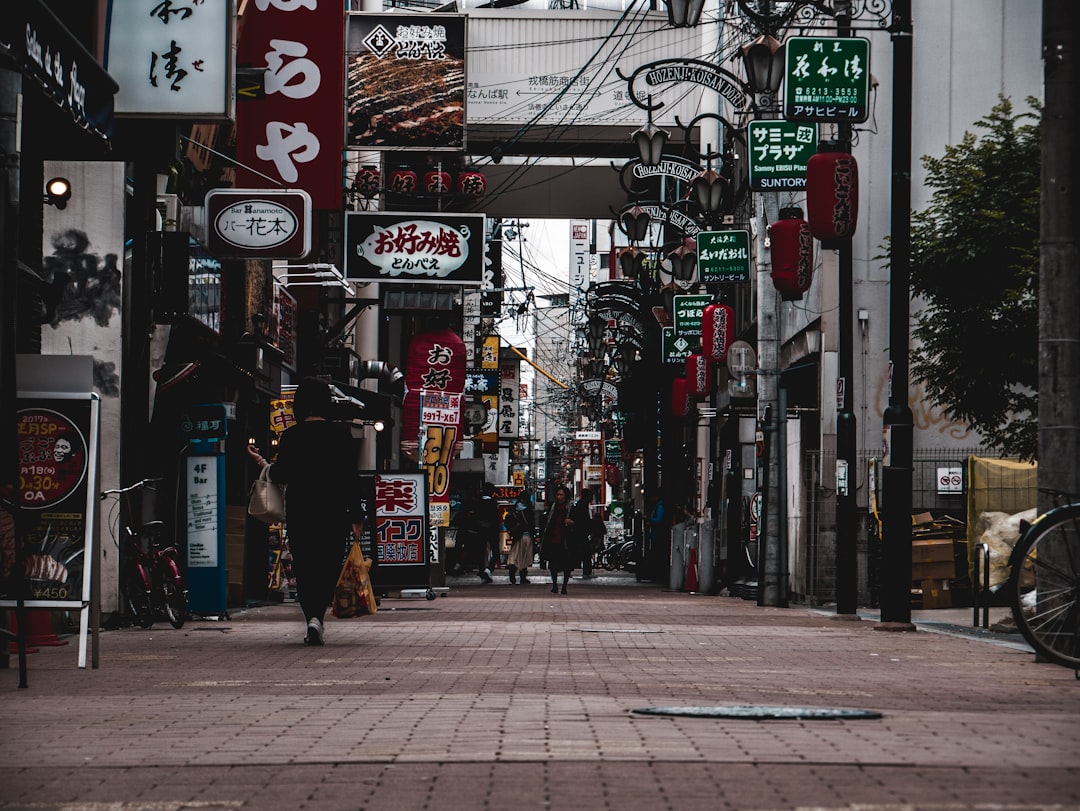
Not everything inside Nakano Broadway is Mandarake. Independent retailers occupy pockets of all four floors selling everything from vintage vinyl records and retro video games to horror film memorabilia and handmade jewelry. Taco Che on the ground floor is a beloved used bookstore with manga stacked from floor to ceiling that predates the otaku boom — it’s chaotic, wonderful, and very cheap.
The 100-Yen Bins
Every budget otaku’s best friend at Nakano Broadway is the external bargain bins — often positioned right at shop entrances — where individual manga volumes, small figures, and random merchandise go for ¥100 each. Set aside 30 minutes purely to dig through these. You will find something.
Food and Fuel: Eating Well on a Budget in Nakano
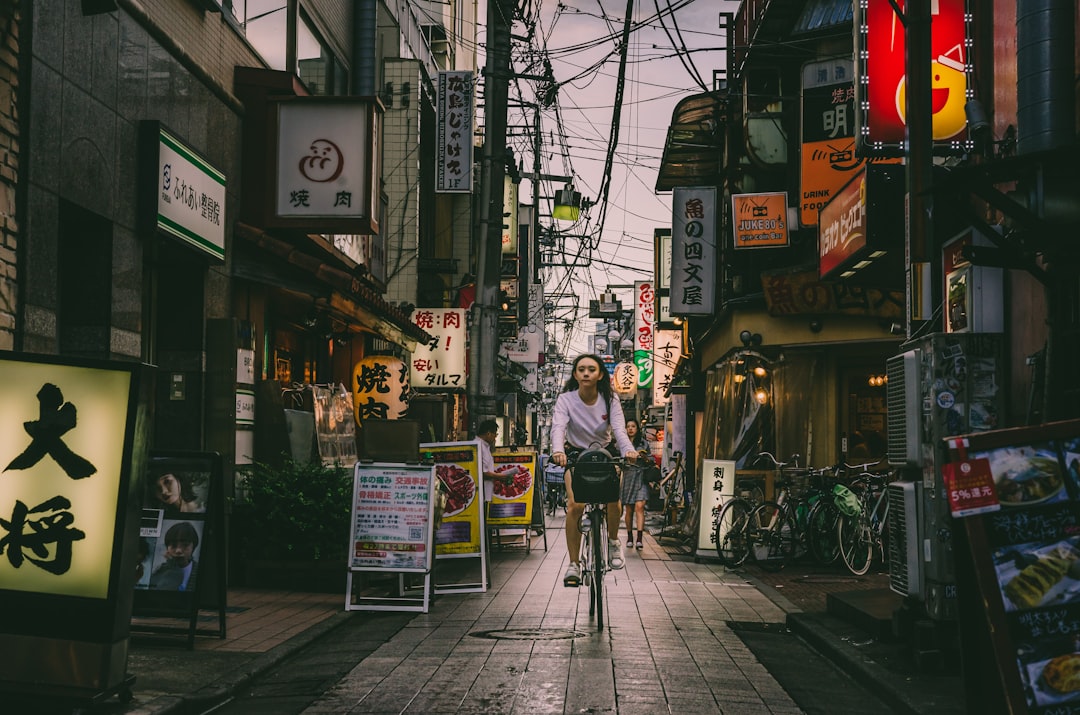
The ground floor of Broadway has a small food area with a few snack stalls, including taiyaki (fish-shaped pastry filled with red bean or custard) for around ¥200 that is genuinely excellent after a long shopping session. For a real meal, walk back through the Sun Mall shotengai arcade where you’ll find ramen shops, curry houses, and teishoku (set meal) restaurants with lunch sets running ¥800–¥1,200. My personal pick is a small tonkotsu ramen counter about halfway down the arcade on the left — no English menu, but they have plastic food models outside and the chashu pork melts in a way that makes the whole morning feel worth it.
Practical Tips for First-Time Otaku Visitors
🎫 Book: Nakano Broadway Guided Walking Tour →
🎫 Book: Otaku Culture Experience Tokyo Tours →
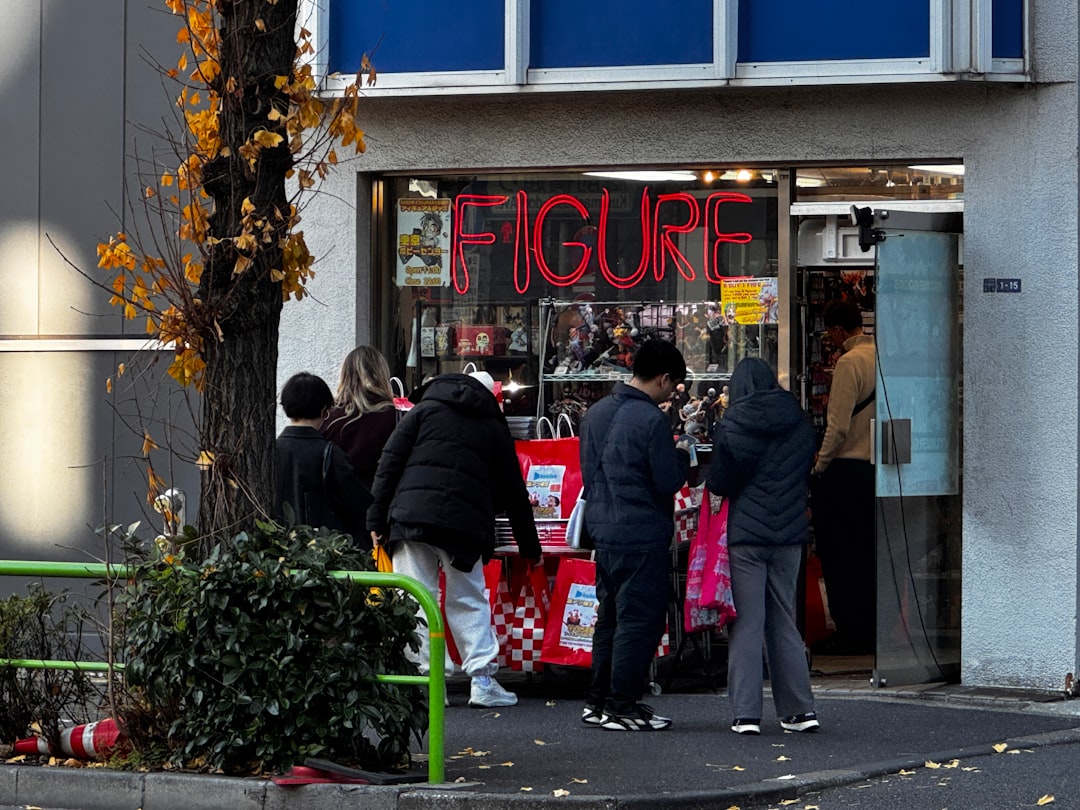
Cash is king. Most small shops inside Broadway are cash-only. Bring at least ¥10,000–¥15,000 in cash if you plan to shop seriously, and ¥5,000 minimum even if you’re just browsing.
Come on a weekday morning. Weekends, especially Saturday afternoons, get genuinely crowded — aisles are narrow and the most coveted items go fast. Arriving when the shops open around 10am–11am on a Tuesday or Wednesday gives you the best selection with breathing room.
Download a translation app before you go. Google Translate’s camera function is your best friend for reading Japanese price tags, condition notes, and the small handwritten category signs inside Mandarake.
Mind the no-photography rules. Many individual shops inside Broadway prohibit photography of merchandise. Look for signs and respect them — staff notice, and the community vibe here depends on mutual respect between shoppers and sellers.
Bring a foldable tote bag. Shopping bags from individual stores are small. You’ll accumulate purchases across multiple shops, and a lightweight reusable bag saves a lot of awkward juggling.
Best Time to Visit
Nakano Broadway is open year-round, with most Mandarake shops operating roughly 11am–8pm daily. The absolute best windows for budget travelers are Tuesday through Thursday mornings when new secondhand stock has been processed from the weekend and crowds are minimal. Avoid Golden Week (late April to early May) and the weeks around Comiket (held in August and December) when collector demand spikes and the bargain bins empty out faster.
It was about 6pm on a Thursday when I finally sat down on a bench near the Broadway entrance, bags across my lap, watching the overhead fluorescent lights flicker slightly over a group of teenage boys debating something intensely over a glass case of Gunpla kits. An older woman in a Mandarake apron was eating a convenience store onigiri at the counter, not looking up. Outside, the covered arcade was emptying out, the rain still tapping on the roof, and I had that specific Tokyo feeling — of having been somewhere completely real, completely itself, completely unconcerned with whether I understood it or not.
Final Thoughts
Nakano Broadway won’t be the most Instagrammed stop on your Tokyo trip, and that’s precisely the point. For a first-time otaku traveler on a budget, it offers something genuinely rare: a place where the love of the medium is the whole point, where ¥100 bins hide actual treasures, and where you can spend an entire day without spending more than ¥5,000 if you’re disciplined. Come with a list of what you’re hunting, come with cash, and come ready to be surprised by how deep this rabbit hole actually goes. For even more specialized collecting insights, check out Nakano Broadway on a Budget: The Serious Collector’s Guide to Tokyo’s Otaku Underground.