Koenji Antique Hunting on a Budget: The Thrift-Obsessed Traveler’s Ultimate Tokyo Guide
If your idea of a perfect travel day involves flipping through stacks of old vinyl, spotting a 1970s kimono tucked between denim jackets, or negotiating (politely, this is Japan) over a ¥500 ceramic bowl that clearly belongs in your kitchen — then Koenji was made for you. While Tokyo’s luxury shopping districts grab the headlines, this bohemian, slightly scruffy neighborhood on the Chuo-Sobu Line has quietly earned a reputation as the city’s spiritual home of secondhand culture. And the best part? You can spend an entire day here on a shoestring and walk away with bags full of finds that cost less than a single department store souvenir.
[ADD: Share your personal first impression or arrival story here — 2-3 sentences]
Why Koenji Is Tokyo’s Best-Kept Budget Antique Secret
🗾 Discover hidden gems across Tokyo neighborhoods →
🗾 Discover hidden gems across Tokyo neighborhoods →
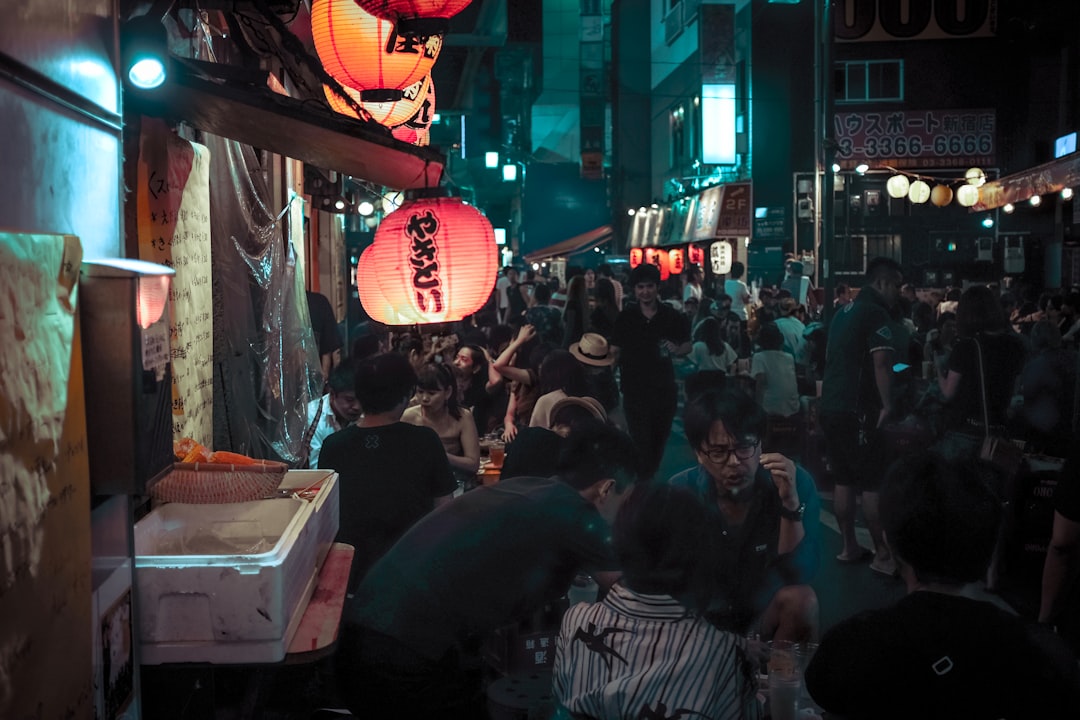
Koenji doesn’t try to impress you. There are no gleaming flagship stores or influencer-bait installations here. What you get instead is a dense, walkable tangle of narrow shopping arcades, basement vintage shops, and open-fronted secondhand stores spilling racks of clothing onto the pavement. The neighborhood has historically attracted artists, musicians, and counter-culture types — which means the vintage scene here leans creative and eclectic rather than high-end and curated.
Unlike Harajuku’s Takeshita Street (tourist-priced and chaotic) or Shimokitazawa (slightly more polished and trendy), Koenji caters to locals who actually shop secondhand out of lifestyle preference, not fashion statement. That keeps prices honest and the inventory genuinely surprising.
Getting There Without Spending a Fortune
Koenji Station is on the JR Chuo-Sobu Line, just 15 minutes from Shinjuku — a ¥220 train ride. If you have a Suica or Pasmo IC card (essential for any budget Tokyo trip), it’s seamless. There’s no need for taxis or extra transit. Exit from the south gate and you’re immediately in the thick of it. The north exit leads to a slightly quieter residential strip with a few hidden shops worth looping back for.
Budget tip: If you’re staying in central Tokyo, avoid the express Chuo Line and take the local Sobu Line (yellow train) — same price, stops at Koenji.
The Antique Hunting Map: Where to Go and What to Expect
🗾 Customize your own Tokyo exploration tour →
🗾 Customize your own Tokyo exploration tour →
🎫 Tokyo Antique Shopping Tours →
🎫 Koenji District Walking Tours →
PAL and Look Shopping Arcades
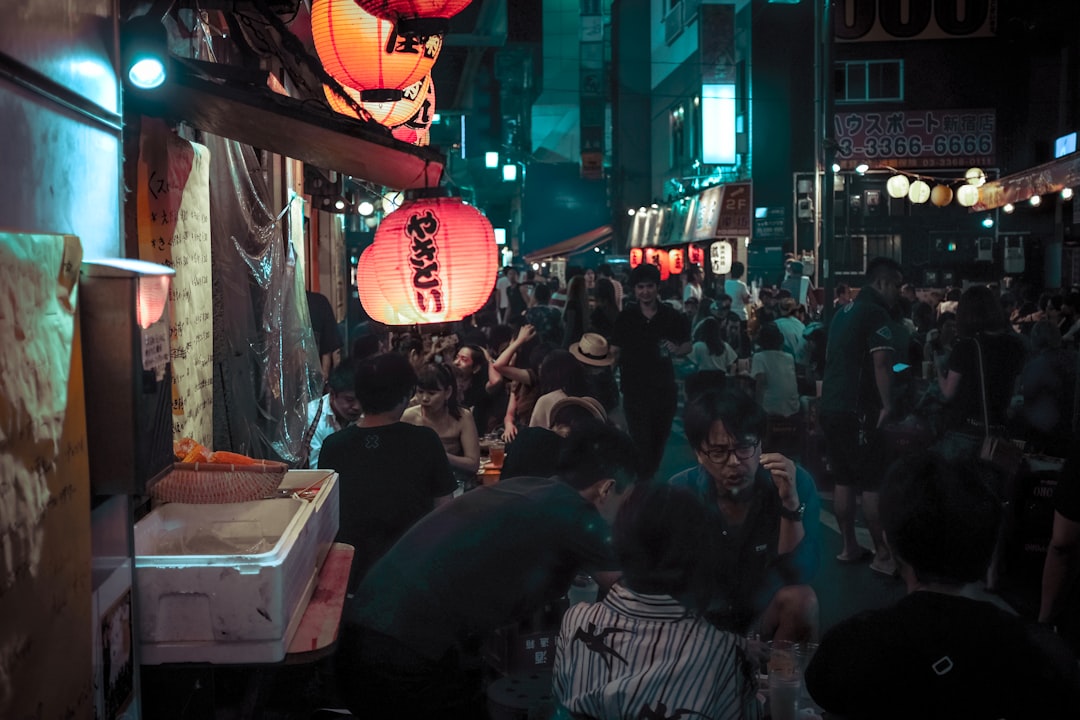
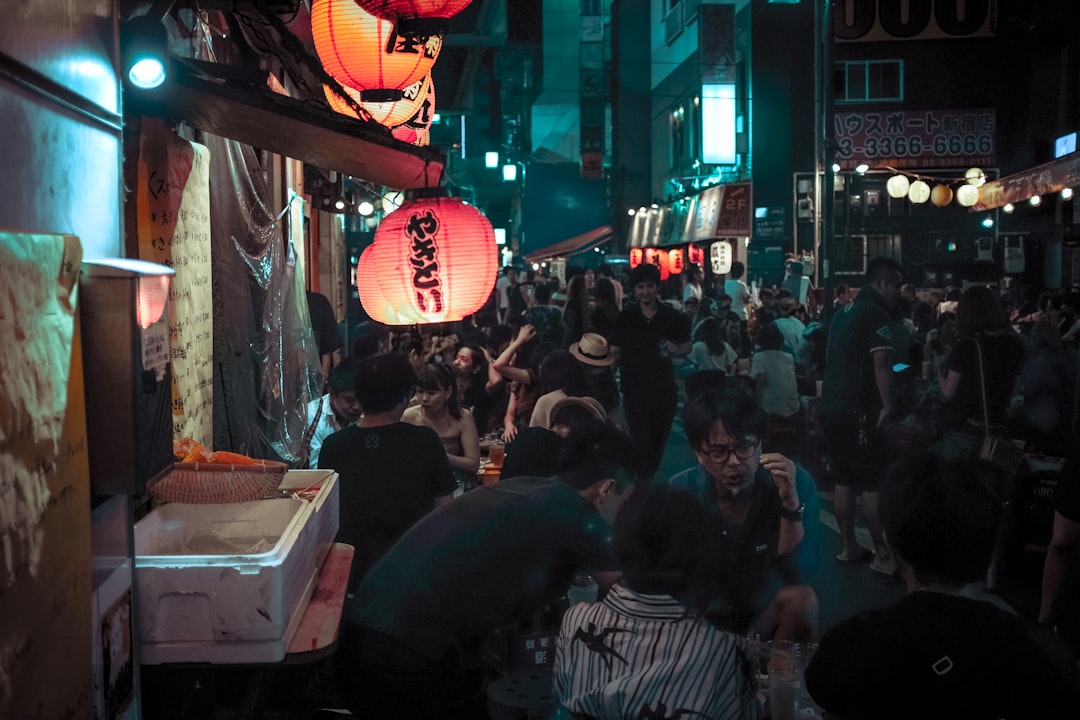
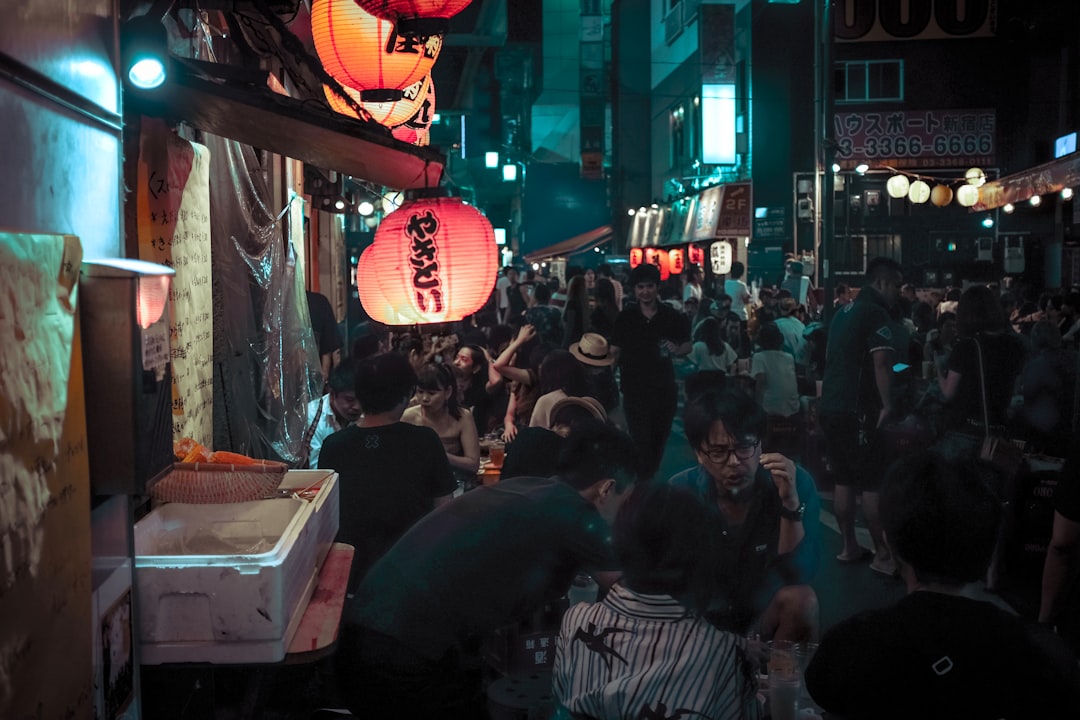
The two covered shotengai (shopping arcades) south of Koenji Station — PAL and Look — are your main hunting grounds. These aren’t fancy malls. They’re old-school covered streets lined with small independent shops, many of which have been here for decades. Mixed in between ramen shops and izakayas, you’ll find vintage clothing stores, antique furniture dealers, and used bookshops selling everything from Showa-era manga to English paperbacks.
Budget range: ¥100–¥3,000 for most clothing and small antique items. Furniture obviously runs higher, but browsing is free and entertaining.
Top Antique and Vintage Shops for Budget Hunters
Otonara is a dense, slightly chaotic antique shop that feels like someone’s overstuffed grandmother’s house — and that’s a compliment. You’ll find ceramics, glassware, old toys, military badges, postcards, and oddities that defy categorization. Prices start genuinely low, and the owner doesn’t hover, which lets you browse in peace. Budget for at least 30 minutes and ¥500–¥2,000 if you want to leave with something.
Shimokita vintage shops have nothing on Koenji’s cluster around Koenji Hachiman Shrine — a short walk north of the station. The streets around this small shrine host several low-key vintage dealers who set up semi-permanent outdoor displays. It’s informal, the prices are negotiable (a rarity in Tokyo), and you might find old lacquerware, folk craft items, or pieces of retro kitchenware that would look extraordinary on an Instagram flat-lay.
Used clothing stores are everywhere in Koenji, and the budget opportunities are real. Shops like Hayatochiri and various no-name local stores sell secondhand Japanese streetwear, vintage Western pieces, and workwear for ¥500–¥3,000. If you’re hunting for old Japanese denim, military surplus, or dead-stock items from the 1980s and 90s, this neighborhood offers some of the best price-to-quality ratios in the city.
[ADD: Add one personal tip or hidden gem you discovered — 1-2 sentences]
Record Shops and Print Culture
Koenji is deeply connected to Tokyo’s music scene — punk, folk, psychedelic rock, jazz. This means the used record shop density here is extraordinary. Disk Union has a branch here, but the real gems are the smaller independent stores tucked up staircases or down basement steps. A used vinyl LP typically runs ¥300–¥1,500. Even if you don’t collect records, these shops are worth stepping into just for the atmosphere — hand-written genre labels, narrow aisles, and staff who clearly love music.
For print lovers, there are also several used bookshops selling vintage photography books, old travel magazines, and Showa-era design catalogues. These make lightweight, affordable, and genuinely unique souvenirs.
Eating on a Budget in Koenji: Fuel for the Hunt
🗾 Experience local food and culture tours →
🗾 Experience local food and culture tours →
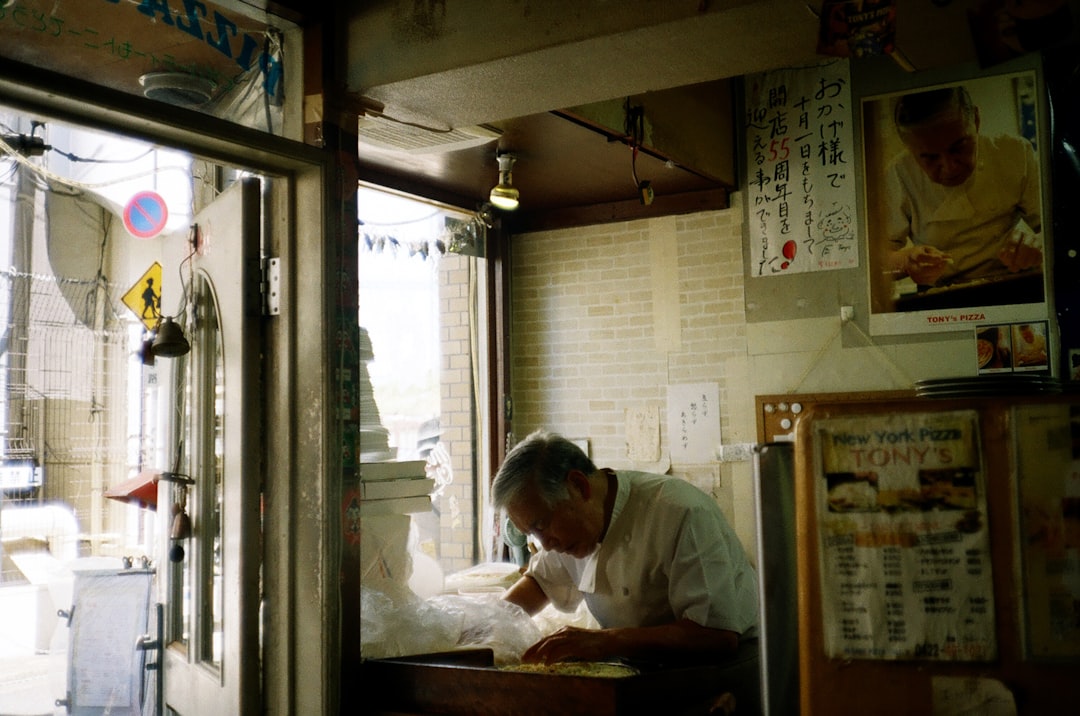
The antique hunting lifestyle demands stamina, which means you need good, cheap food. Koenji delivers.
Under ¥1,000 Lunch Options
Ramen and tsukemen shops around the PAL arcade offer filling bowls from ¥800–¥1,000. Look for handwritten menus and plastic food displays outside — both signs of a local-focused, no-frills shop. If you want to explore Tokyo’s ramen scene more deeply, Koenji’s neighborhood ramen shops are an authentic starting point.
Standing soba and udon shops near the station are the fastest and cheapest options (¥400–¥600 for a bowl). It’s a working-person’s lunch tradition, and doing it even once feels like a genuinely local Tokyo experience.
Convenience store strategy: Japan’s kombini culture is a budget traveler’s secret weapon. A Lawson or FamilyMart onigiri (¥130–¥180) plus a canned coffee (¥130) is a ¥300 breakfast that tastes better than it has any right to. Eat on one of the benches near the station before the shops open.
Coffee Culture for Slow Mornings
Koenji has a handful of old-school kissaten (retro Japanese coffee shops) where a cup of hand-drip coffee costs ¥400–¥600 and comes with a vibe that feels like 1975 never ended. These are perfect for settling in with a map before your hunting begins. Look for shops with dark wood interiors, jazz playing at low volume, and no English menu — those are usually the most atmospheric and most affordable.
Practical Tips for Budget Antique Hunting in Koenji
🎫 Vintage Thrift Store Experiences →
Best Time to Visit
Weekday mornings are ideal for budget hunters. Fewer tourists, more relaxed shop owners, and — crucially — new stock from mid-week restocking. Saturday afternoons get crowded and some shops run temporary price bumps on trending items. If you can only visit on a weekend, aim to arrive before 11am.
The Koenji Antique Fair, held periodically at the shopping arcade (check local listings before your trip), brings together dealers from across Tokyo and can yield incredible finds, though prices trend slightly higher due to the event format.
Budget Breakdown for a Full Day
| Expense | Approximate Cost |
|---|---|
| Train from Shinjuku (return) | ¥440 |
| Coffee at kissaten | ¥500 |
| Lunch (ramen or soba) | ¥800 |
| Antique and vintage shopping | ¥2,000–¥5,000 |
| Afternoon snack / vending machine | ¥200 |
| Total | ~¥4,000–¥7,000 (approx. $27–$47 USD) |
Etiquette That Will Make Your Day Go Better
Japanese secondhand shops have their own unspoken rules. Don’t unfold neatly stacked clothing without refolding it. If a shop is small and you’re browsing for more than a few minutes, a brief nod to the owner acknowledges their space. Bargaining is uncommon in most shops — but if something is clearly damaged or marked as junk, a polite “sukoshi yasuku narimasu ka?” (can you go a little cheaper?) is occasionally met with a shrug and a discount.
Bring cash. While IC cards work for transport, many small antique and vintage shops in Koenji are cash only. ATMs inside 7-Eleven convenience stores accept international cards reliably.
[ADD: Describe one specific moment or memory from this experience — 2-3 sentences]
Why Koenji Beats Every Other Tokyo Shopping Experience for Budget Travelers
Tokyo can feel aggressively expensive. Koenji is the city’s antidote to that feeling. It’s the neighborhood where a ¥500 coin can turn into a hand-painted ceramic sake cup from the 1960s, where browsing is treated as a legitimate activity rather than a prelude to purchasing, and where the locals are genuinely doing the same thing you are — hunting for something interesting, something with a history, something that didn’t just come off an assembly line.
For the budget traveler who measures a good day not by how many landmarks they photographed but by what unexpected thing ended up in their bag, Koenji offers a kind of joy that Tokyo’s more famous neighborhoods simply can’t replicate. Pack a tote bag, load your IC card, and give yourself a full day. You won’t regret it — and your luggage will almost certainly be heavier by evening.
Book Tours & Activities
🗾 Customize your own Tokyo exploration tour →